Whether Luxating Patella Is Excluded on a Papillon
It's heartbreaking to imagine your beloved Papillon skipping on a hind leg, clearly uncomfortable, and immediately your mind jumps to the veterinarian, surgery, and then the inevitable question: will my pet insurance even cover this? The worry about luxating patella, a common knee issue in our small, spirited companions, is a very real concern for Papillon owners, especially when considering the financial implications and how insurance companies might view such a prevalent condition. This guide aims to shed light on how pet insurance typically handles luxating patella, specifically addressing whether it's considered a pre-existing condition and what that means for your Papillon's coverage.
Understanding Luxating Patella in Papillons
When you have a breed like the Papillon, you quickly learn about certain genetic predispositions. Luxating patella, or a slipping kneecap, is one of those conditions that seems to be a right of passage for many small breeds, and our butterfly-eared friends are no exception. It’s not just a minor inconvenience; it can cause discomfort, pain, and eventually lead to more serious orthopedic problems.
What Exactly is Luxating Patella?
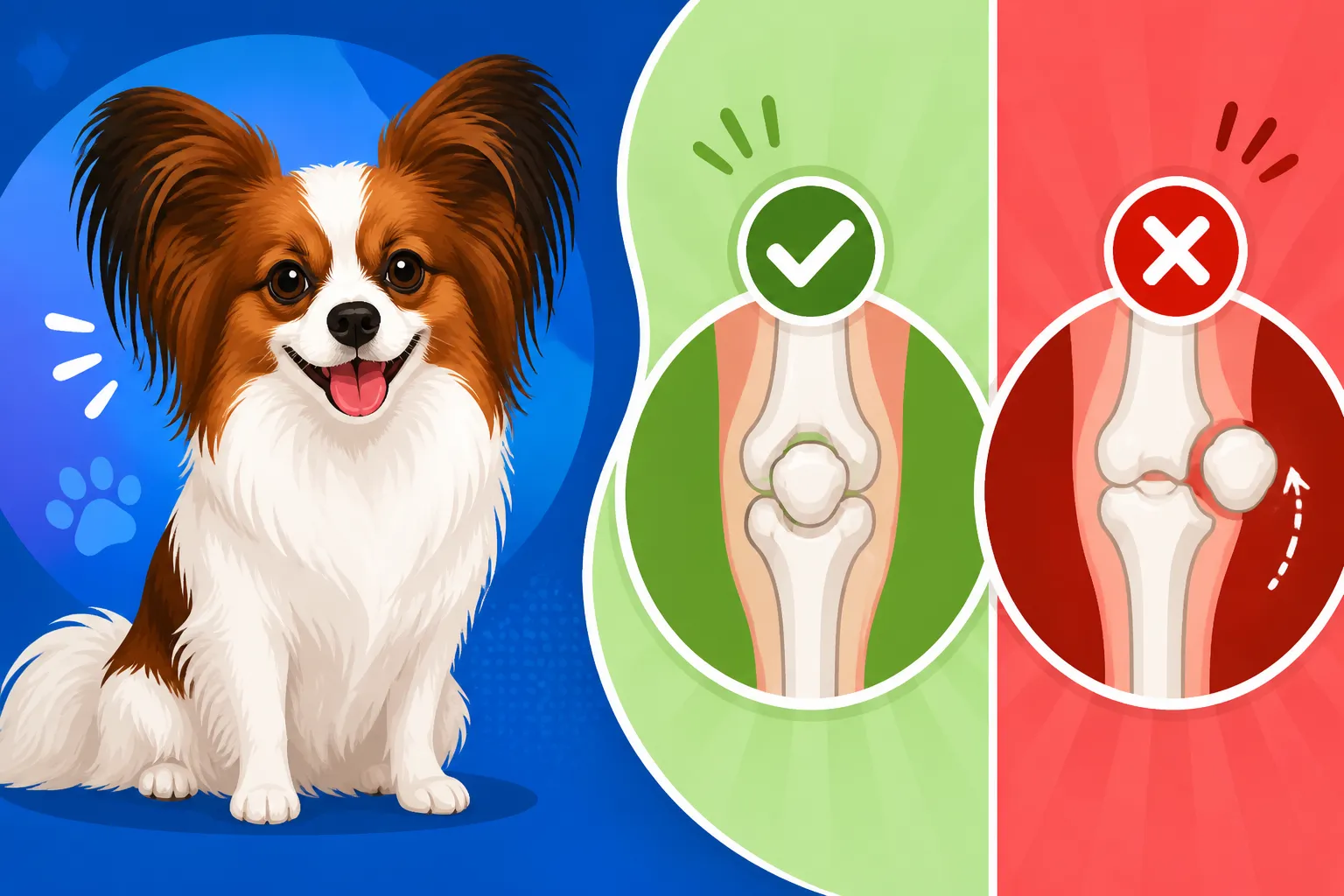
At its core, luxating patella occurs when the kneecap (patella) moves out of its normal groove in the thigh bone (femur). Imagine a train running off its tracks – that's essentially what's happening. In Papillons, it’s most commonly a medial luxation, meaning the kneecap slips inward toward the other leg. This can happen occasionally, causing a skip or hop in their gait, or it can be a persistent displacement that severely impacts their mobility. The condition is often graded from 1 (mild, occasional luxation) to 4 (severe, constant luxation), with higher grades often requiring surgical intervention.
This isn't just a sudden injury; it's often a developmental issue, meaning the groove the kneecap sits in might be too shallow, or the surrounding ligaments and muscles aren't aligned correctly. It’s something they are born with a predisposition for, even if symptoms don’t show up until later in life. Understanding What Patellar Luxation Does to a Papillon helps us grasp the full scope of this issue.
Why Papillons Are Prone to This Condition
It truly feels unfair sometimes, doesn't it? Our Papillons are so delicate and agile, yet they carry this genetic baggage. The breed's small stature and fine bone structure, while giving them their elegant appearance, also contribute to the prevalence of luxating patella. The exact genetic mechanisms are still being researched, but it's understood that certain conformation traits, passed down through generations, make them more susceptible. It's not a flaw in any individual dog; it's a characteristic that has become somewhat common within the breed.
You might be wondering How Common Patellar Luxation Is in Papillons. It's considered one of the most common orthopedic conditions in toy breeds. This genetic component is why responsible breeders are so vital in trying to minimize its occurrence through careful breeding practices. While a good breeder can reduce the risk, it doesn't eliminate it entirely for any individual puppy, making it a persistent worry for owners.
Signs Your Papillon Might Have a Slipping Kneecap
Detecting luxating patella can be subtle at first, especially if your Papillon is a tough little cookie who tries to hide discomfort. One of the most common signs you might notice is an intermittent skipping or hopping on one of their hind legs, usually for a few steps, and then they'll resume normal walking as if nothing happened. This is often described as a "three-legged hop." They might also stretch their leg out behind them to try and pop the kneecap back into place.
As the condition progresses or becomes more severe, you might see more consistent lameness, reluctance to jump, or even signs of pain when you touch their knee. For more severe cases, the kneecap might stay out of place, leading to a permanent crouch or limp. Watching for these Signs a Papillon's Kneecap Slips early on is crucial, as early diagnosis can sometimes influence treatment options and, importantly, insurance coverage if you're proactive.
The Dreaded "Pre-Existing Condition" Clause
This is where the rubber meets the road for many pet owners, and it's often a source of significant frustration and confusion. Pet insurance companies, much like human health insurance, have specific rules about what they consider "pre-existing" and this definition can drastically impact whether your Papillon's luxating patella treatment is covered.
How Pet Insurance Defines Pre-Existing Conditions
Generally, a pre-existing condition is any illness or injury that your pet showed signs of, or was diagnosed with, before your insurance policy's waiting period ended. This isn't just about a formal diagnosis; if symptoms were present and documented by a vet, or even visibly obvious to you as an owner, it can be flagged. The challenge with conditions like luxating patella is that they can be present, even if asymptomatic, long before an owner recognizes the signs or seeks veterinary care.
Most policies will have an initial waiting period for all accidents and illnesses (e.g., 14-30 days), and often a longer specific waiting period for orthopedic conditions, which can range from six months to a year. If your Papillon shows any signs of a slipping kneecap, even a subtle hop, during this waiting period or before you enroll them, it could be classified as pre-existing. This is why timing is so incredibly important when you're thinking about pet insurance.
The Impact on Luxating Patella Coverage
If your Papillon's luxating patella is deemed a pre-existing condition, it typically means that particular condition and any related issues (like arthritis that develops as a result) will not be covered by your policy. This can be devastating, as knee surgery can be one of the most expensive procedures a Papillon owner might face. For instance, if your Papillon developed a mild luxation in one knee (unilateral) before you got insurance, and then years later it progressed and required surgery, that specific knee might be excluded.
A common scenario involves bilateral luxation, where both knees are affected. If one knee is diagnosed as luxating and then surgically repaired, and the other knee later shows symptoms or requires surgery, the insurance company might consider the second knee's issue also pre-existing, arguing it's a related condition due to genetic predisposition. It's a tricky area, and policies vary greatly. Some companies might offer limited coverage for certain conditions even if pre-existing, but it’s rare for orthopedic issues that require extensive care.
Importance of Early Enrollment and Vet Records
This brings us to a crucial point: if you're considering pet insurance for your Papillon, enroll them as early as possible, ideally when they are a puppy and have a clean bill of health. The younger and healthier your Papillon is when you sign up, the less likely they are to have pre-existing conditions that will be excluded. Detailed veterinary records are your best friend here. Every check-up, every minor observation by your vet, can be critical evidence.
If your Papillon puppy gets a clean bill of health at their initial exams, and then you enroll them in a policy before any signs of luxating patella appear and before the orthopedic waiting period expires, you stand a much better chance of having coverage should the condition arise later. Without these clear, early records, it becomes much harder to argue against a pre-existing condition exclusion.
Navigating Insurance Options for Luxating Patella
Choosing a pet insurance policy can feel like wading through murky waters, especially with complex conditions like luxating patella. Understanding the nuances of different policies is key to finding the right fit for your Papillon.
What to Look for in a Policy
When you're comparing pet insurance policies, particularly with a breed prone to orthopedic issues, there are several key elements to scrutinize. First, look at the waiting periods, especially for orthopedic conditions. Some providers have shorter waiting periods or will waive the orthopedic waiting period if a vet certifies your pet as healthy prior to enrollment. Second, understand the definition of "pre-existing conditions" and how they handle curable vs. incurable conditions, and bilateral conditions.
Also, pay attention to deductibles, reimbursement rates, and annual limits. A higher deductible might mean lower monthly premiums, but you'll pay more out-of-pocket for each claim. A 90% reimbursement rate means the insurance covers 90% of the eligible vet bill after your deductible is met. Annual limits cap how much the policy will pay out in a year, and with conditions like luxating patella often requiring expensive surgery and follow-up care, a generous annual limit is important. Some policies, like those from Healthy Paws, are known for unlimited annual payouts, which can be a huge relief for chronic or complex conditions.
Addressing Bilateral Patellar Luxation
This is a specific point of concern for luxating patella. Imagine your Papillon needs surgery on its left knee, and it's covered because it wasn't pre-existing. But then, a year later, the right knee starts showing signs. Many policies have a "bilateral exclusion" clause for conditions that can affect both sides of the body, like luxating patella or hip dysplasia. This means if one knee was already diagnosed or treated, the other knee's condition might be automatically deemed pre-existing and excluded from coverage, even if it developed later.
It’s absolutely critical to ask potential providers about their stance on bilateral conditions. Some more progressive policies might cover the second knee if it develops after the waiting period, provided the first one wasn't pre-existing itself. This is a deal-breaker for many Papillon owners, so clarity here is paramount. Don't be afraid to call their customer service and get specifics in writing.
Specifics of Coverage: Waiting Periods and Exclusions
As mentioned, waiting periods are a huge factor. Beyond the general waiting period, specific orthopedic waiting periods are common because these conditions are often expensive to treat. If your Papillon is diagnosed with luxating patella even one day before this orthopedic waiting period ends, it will almost certainly be considered pre-existing. This is why acting quickly to get insurance when your Papillon is young and healthy is your best defense.
Furthermore, some policies have specific exclusions for congenital or hereditary conditions, which luxating patella often is. However, most reputable accident & illness policies do cover hereditary conditions as long as they aren't pre-existing. It's a fine line, but generally, if symptoms appear after enrollment and all waiting periods are met, even if the dog was genetically predisposed, it should be covered. Always read the fine print! Sites like Chewy, which often have sections on pet insurance, can be a good place to start comparing different plans and understanding these complexities.
Strategies to Mitigate Financial Risk
Even with the best insurance, being a Papillon owner means being proactive. There are steps you can take to not only protect your finances but, more importantly, safeguard your furry friend's health.
The Value of a Comprehensive Vet Exam Before Insurance
Before you even think about signing up for pet insurance, schedule a thorough veterinary exam for your Papillon. This isn't just a routine check-up; it's a baseline health assessment. Ask your vet to pay particular attention to their knees, hips, and overall orthopedic soundness. A clean bill of health from this pre-enrollment exam, documented in your vet records, can be invaluable. If a hidden luxation is found at this stage, it's disappointing, but at least you know before committing to a policy that might not cover it.
Conversely, if the vet finds nothing, these records serve as proof that your Papillon was healthy at the time of enrollment. This can be critical if an issue arises later, helping you argue that it was not a pre-existing condition. This initial investment in a comprehensive exam can save you thousands down the line if it helps secure coverage for a future orthopedic issue. Don't forget, a reputable Papillon breeder will also have tested the parents for such issues, so check for "Whether a Papillon Breeder Certifies Knees" and provides documentation.
Proactive Care and Management
Beyond insurance, proactive daily care can make a significant difference in managing or even delaying the onset of luxating patella symptoms. Maintaining a healthy weight is paramount. Even a few extra ounces on a tiny Papillon can put undue strain on their delicate knee joints, exacerbating any underlying weakness. Feeding a balanced, high-quality diet, perhaps like options available from Ollie, can contribute to overall health and ideal weight.
Consider Setting Up a House That Protects a Papillon's Knees. This means providing ramps or steps for furniture, preventing high-impact jumps, and ensuring they have good traction on floors to avoid slips and falls. Regular, moderate exercise that builds muscle strength without excessive jumping or twisting can also be beneficial. While these measures won't prevent a genetically predisposed luxation entirely, they can significantly reduce the wear and tear on the joint and potentially lessen the severity of symptoms.
Building an Emergency Fund vs. Insurance
It's a common dilemma for pet owners: should I get insurance or simply put money aside in an emergency fund? Both approaches have merits. An emergency fund gives you complete control over your money and covers anything, without questions about pre-existing conditions or exclusions. You can decide how much you save and when to use it. However, the downside is that major events, like knee surgery, can cost thousands, and it can be hard to save that much before an emergency strikes. You might wonder What a Papillon's Emergency Fund Should Hold.
Pet insurance, on the other hand, offers peace of mind against catastrophic costs. You pay a predictable monthly premium, and in return, you get significant financial assistance for unexpected illnesses or accidents. The drawback is that you pay premiums even if you never make a claim, and you have to navigate policy terms, waiting periods, and exclusions. For a breed like the Papillon, with known predispositions, insurance often makes more sense as the potential costs for conditions like luxating patella are high and often recurrent (e.g., bilateral issues). Many owners choose a hybrid approach: insurance for major medical events and a smaller emergency fund for routine care or unexpected minor issues not covered by the policy.
Considering Different Pet Insurance Providers
The landscape of pet insurance is diverse, and each provider approaches orthopedic conditions, especially breed-specific ones like luxating patella, with its own set of rules and nuances. This variation can be both confusing and advantageous, depending on what you're looking for.
Understanding Policy Variations
No two pet insurance policies are exactly alike, and this is particularly true when it comes to orthopedic conditions. Some providers might have stricter definitions of pre-existing conditions, while others might be more lenient, especially if no clear symptoms were documented before enrollment. Some might have longer orthopedic waiting periods, while others might allow for an earlier waiver with a vet exam. It's not just about the premium; it's about the breadth and depth of coverage.
For instance, some policies might offer higher reimbursement rates for specialist care, which is often needed for complex orthopedic surgeries. Others might have better coverage for rehabilitation, which is crucial for a smooth recovery after knee surgery. Always compare several providers, carefully reviewing their sample policies and terms to understand their specific clauses regarding luxating patella, bilateral conditions, and hereditary issues.
Provider Spotlight: What to Ask
When you're speaking with a pet insurance provider, whether it's Healthy Paws, or exploring options on Chewy, don't hesitate to ask direct questions about luxating patella. Here's what you should specifically inquire about:
- Pre-existing Condition Definition: "How do you define a pre-existing condition, specifically regarding a condition like luxating patella, if my Papillon hasn't been diagnosed but might have a predisposition?"
- Orthopedic Waiting Period: "What is your specific waiting period for orthopedic conditions, and are there any ways to shorten or waive it (e.g., a vet check)?"
- Bilateral Conditions: "If one knee develops luxating patella after enrollment and is covered, and the other knee develops it later, will the second knee be covered, or will it be considered pre-existing due to the first?"
- Hereditary Conditions: "Does your policy cover hereditary conditions like luxating patella if symptoms appear after all waiting periods are met?"
- Coverage Limits: "What are the annual limits for orthopedic conditions, and do they reset each year?"
- Rehabilitation: "Does your policy cover post-surgical rehabilitation, such as physical therapy or hydrotherapy, which is often vital for How a Papillon Recovers From Knee Surgery?"
Be persistent until you get clear, understandable answers. It's your right to fully comprehend what you're paying for.
What If Your Papillon Already Has Symptoms?
If your Papillon already shows Signs a Papillon's Kneecap Slips or has been diagnosed with luxating patella, your options for full coverage become more limited, but not entirely non-existent. The specific affected knee will almost certainly be excluded as a pre-existing condition. However, a good insurance policy might still be valuable for other, unrelated conditions. For example, it would still cover accidents, other illnesses, or even a luxating patella in the other knee if the policy doesn't have a strict bilateral exclusion and the second knee only develops symptoms later.
Some providers might offer "accident-only" policies, which are generally cheaper and cover only injuries from accidents, not illnesses. While this won't cover luxating patella surgery (as it's usually considered an illness/hereditary condition, not an accident), it could still be useful for other unforeseen mishaps. It's a tough situation, but getting some coverage is often better than none, especially if your Papillon is still young and has a long life ahead.
Beyond Insurance: Lifetime Management and Costs
Even with insurance, owning a Papillon with luxating patella involves a long-term commitment to their care, and understanding the full financial picture is crucial.
The Long-Term Reality of Patellar Luxation
Luxating patella isn't usually a one-and-done fix, even with surgery. The long-term reality involves diligent management to ensure your Papillon maintains comfort and mobility. Even after successful surgery, the operated knee may not be 100% perfect, and there's always a possibility of arthritis developing in the joint over time due to the past instability. The other knee, especially in genetically predisposed dogs, might also develop luxation later, turning a unilateral issue into a bilateral one.
This means ongoing monitoring by your veterinarian, potentially joint supplements, and a continued focus on weight management and controlled exercise. The goal is to maximize their quality of life, minimize pain, and prevent further deterioration of the joint. It's a marathon, not a sprint, when it comes to managing this condition.
Costs Associated with Surgery and Rehabilitation
The costs associated with treating luxating patella can be substantial, which is why the insurance discussion is so vital. Surgical intervention for Which Grade of Luxation Needs Fixing in a Papillon, typically Grade 2 or higher depending on symptoms, can involve several thousand dollars per knee. This figure often includes the surgeon's fees, anesthesia, hospital stay, pain medication, and follow-up visits.
Beyond the initial surgery, rehabilitation costs can also add up. Physical therapy, hydrotherapy, and specialized exercises are incredibly beneficial for strengthening the muscles around the joint and improving recovery, but these sessions come with their own price tag. Think of the overall expense: this is why Knee Surgery Is the Bill Most Papillon Owners Meet. Medication for pain or inflammation, especially as they age and potentially develop arthritis, will also be an ongoing cost.
Making Informed Decisions for Your Papillon's Health
Ultimately, managing luxating patella in your Papillon, whether it's covered by insurance or not, comes down to making informed decisions with your veterinarian. They can provide a tailored treatment plan based on your Papillon's specific grade of luxation, age, overall health, and your family's lifestyle. Don't hesitate to seek a second opinion from an orthopedic specialist if you're unsure about a diagnosis or treatment recommendation.
It's about weighing the costs and benefits of surgery, conservative management, and the impact on your Papillon's quality of life. Sometimes, particularly for very mild cases, conservative management with weight control, supplements, and controlled exercise might be recommended. Other times, surgery is the clear path to a pain-free, active life. Being educated about the condition, your insurance policy, and your financial options empowers you to be the best advocate for your precious Papillon.
| Scenario for Luxating Patella | Pet Insurance Coverage (Typical) |
|---|---|
| Healthy Puppy (No Symptoms) | Covered if enrolled before symptoms appear and after orthopedic waiting period. |
| Mild Symptoms Before Enrollment | Excluded as a pre-existing condition. |
| Symptoms Appear During Waiting Period | Excluded as a pre-existing condition. |
| One Knee Luxates (Covered), Other Knee Later | Varies: Could be covered if no bilateral exclusion, or excluded if considered related/pre-existing. Crucial to ask provider. |
| Diagnosed Before Enrollment | Excluded as a pre-existing condition. |
| Accident (Trauma-Induced Luxation) | Covered if enrolled and within waiting periods (most policies treat accidents separately from illnesses). |
| Post-Surgery Complications (Covered IP) | Generally covered if the initial surgery was covered by the policy. |
| Arthritis from Pre-existing Luxation | Excluded if the luxation itself was pre-existing. |
Disclaimer
This article is for general informational purposes only and does not constitute professional advice. Laws, prices and regulations vary by location and change over time. Consult a qualified professional for guidance on your specific situation.