What Papillon Owners Wish They Had Trained First
Early socialization and positive exposure help Papillon puppies avoid anxiety, excessive barking, and fear around larger dogs.
Work with the temperament you have.
House-training and crate work, recall, leash manners, separation anxiety, and the behaviors this breed is wired for.

Early socialization and positive exposure help Papillon puppies avoid anxiety, excessive barking, and fear around larger dogs.

Aging Papillon behavior and physical changes help owners spot early signs of senior health around eight or nine years old.
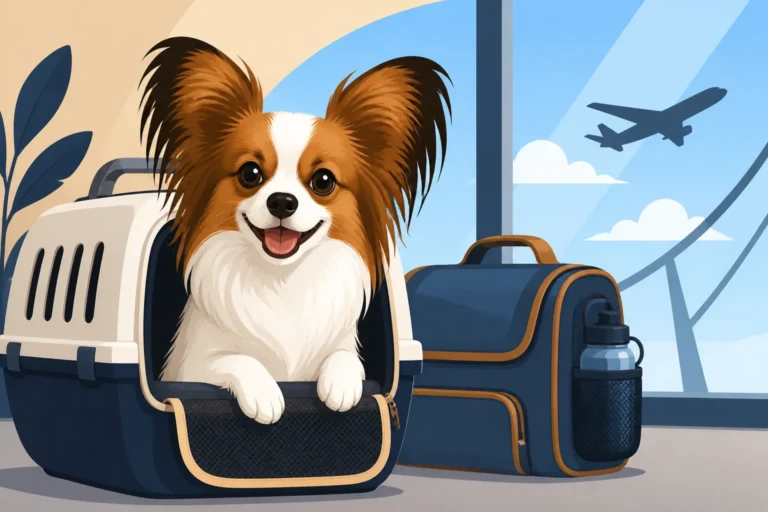
Traveling with a Papillon requires veterinary check-ups, up-to-date health records, pet-friendly accommodations, and frequent rest stops.

Safe car travel for a five pound Papillon prevents dangerous driver distractions and protects fragile bodies during sudden stops.
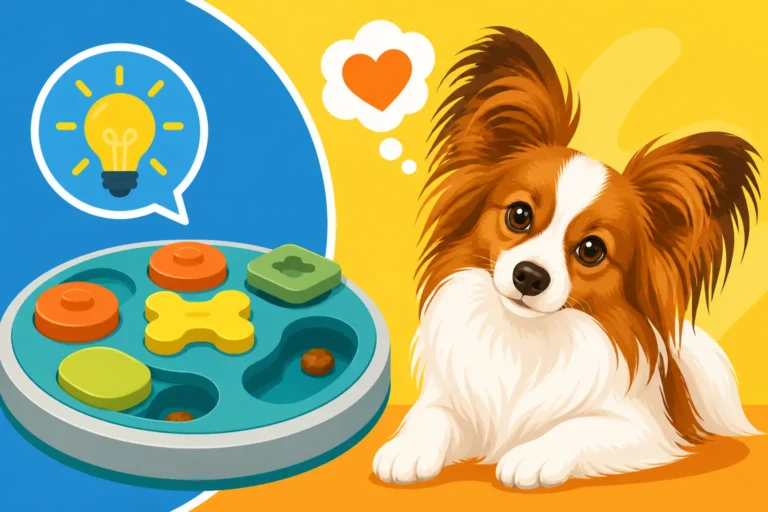
Puzzle toys for intelligent Papillons provide mental stimulation, but they are not the only solution for canine boredom.
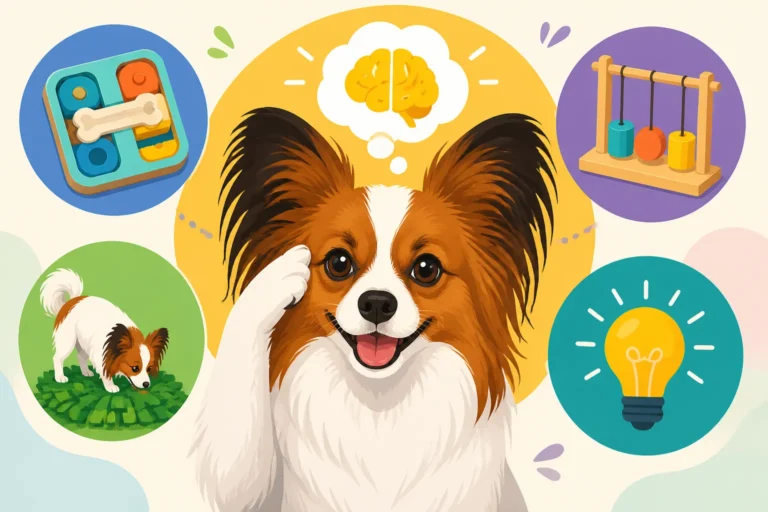
Papillon mental stimulation needs and practical daily activities prevent furniture chewing and incessant barking in smart toy breeds.
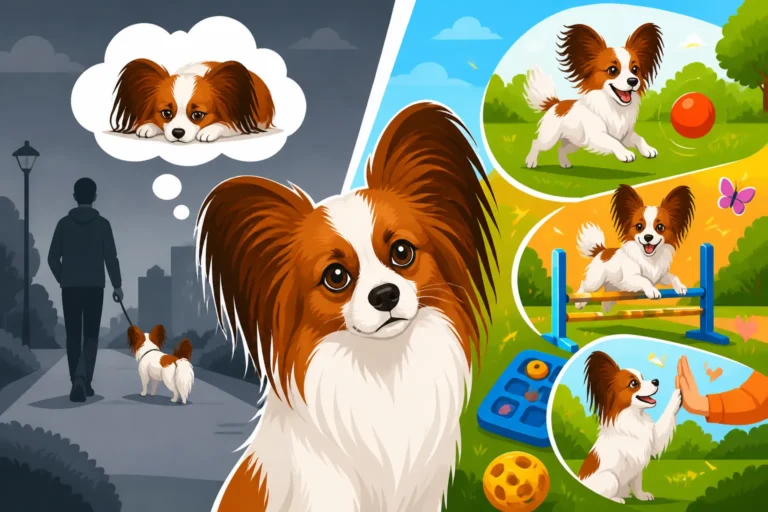
Papillon mental stimulation needs explain why physical exercise alone fails to satisfy their high intelligence and big dog brain.

Papillon daily walking distance depends on age, health, and weight for this seven-pound toy spaniel breed with high stamina.

Rescue Papillon settling behaviors, past traumas, and predictable daily routines explained to build a confident companion.

Papillon dogs adjust to a new home using safe spaces, familiar scents, and consistent potty training every one to two hours.