How a Papillon Adjusts to a New Home
Bringing a new Papillon into your home, whether it’s a tiny puppy or a sweet rescue adult, is such an exciting time! But let’s be real, it can also be a little overwhelming – for both you and your new furry family member. They’re leaving everything they’ve ever known, and that’s a big deal. This guide is all about making that transition as smooth and stress-free as possible, helping your Papillon settle in and truly feel like this is their forever home.
The Initial Transition: First Hours and Days
The very first moments and days are crucial for setting the tone. Your Papillon is going to be observing everything, trying to understand their new world. Your job is to make it as predictable and comforting as possible.
Creating a Safe Space
Imagine being dropped into a brand new place with unfamiliar smells, sounds, and giant creatures! That’s how your Papillon feels. The best thing you can do is prepare a quiet, secure haven for them before they even arrive. This isn't just a bed; it's their sanctuary.
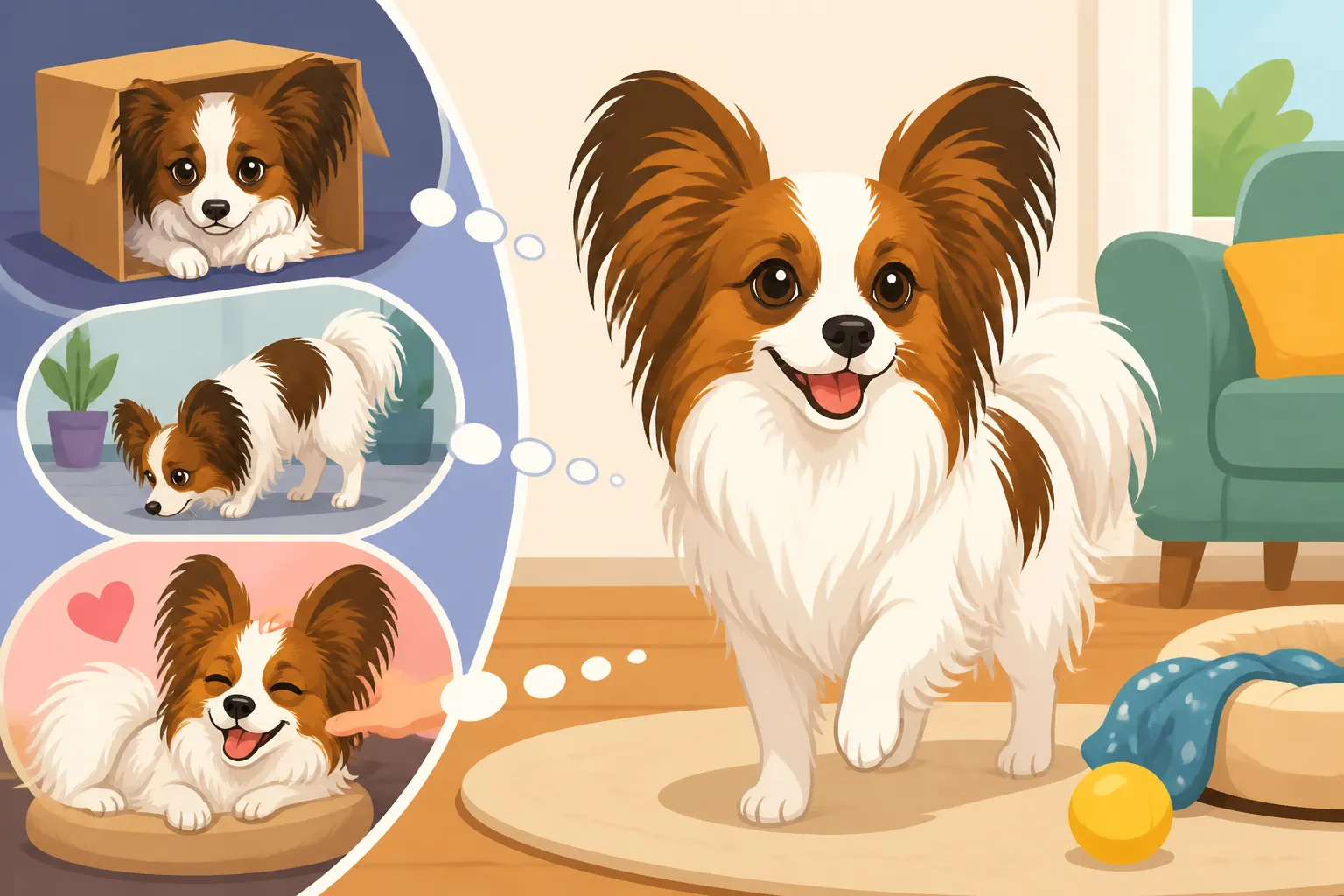
Choose a small, contained area that can be their personal retreat. A cozy crate, a corner of a quiet room, or a sectioned-off space in the living room with an exercise pen works wonderfully for these little dogs. Fill it with a soft bed or blanket, a small bowl of water, and a couple of safe, engaging toys. Familiar scents can be incredibly soothing, so if you're getting a puppy, ask the breeder for a blanket or towel that smells like their littermates and mother. For a rescue, a familiar blanket from their previous foster home can work wonders. When your Papillon first comes home, guide them gently to this space. Let them explore it without overwhelming them with too much attention, too many voices, or too much handling. It's their anchor in a sea of newness. Many owners find that crating a Papillon overnight in this designated safe space helps immensely with settling and house-training right from the start.
Managing Potty Breaks and Accidents
House-training can be one of the biggest initial hurdles, especially for a small breed like a Papillon who might have a tiny bladder and sometimes a reluctance to go out in unfamiliar or chilly weather. The key here is proactive prevention and consistent management.
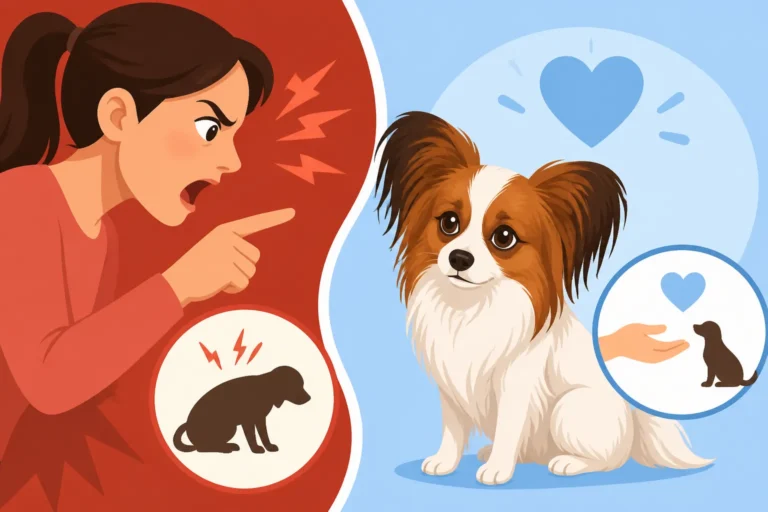
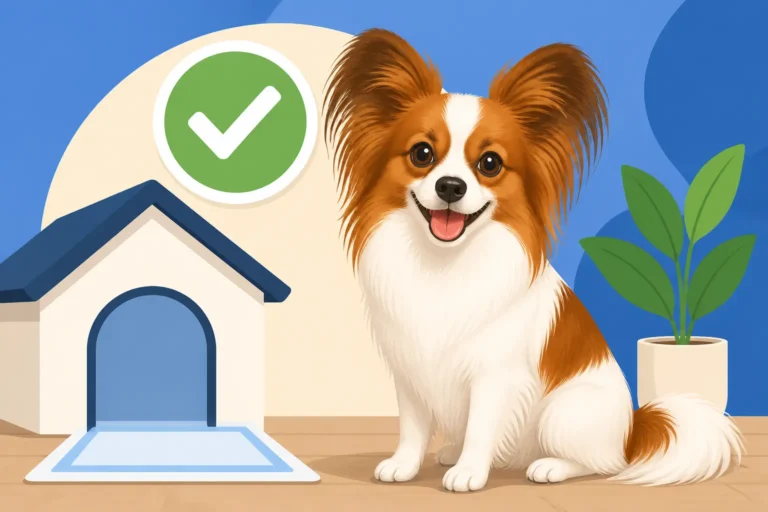
As soon as your Papillon arrives, take them directly outside to a designated potty spot. Keep them on a leash, even in a fenced yard, to help them focus and prevent them from getting lost or overwhelmed. Praise them enthusiastically and offer a small, high-value treat immediately when they do their business. This isn't just about potty training; it's about building a positive association with going outside. Expect to take them out every 1-2 hours initially, immediately after waking up, after eating or drinking, and before bedtime. Even if you think they don't need to go, take them. Accidents indoors will happen, especially in the first few days or weeks. When they do, simply clean them up with an enzymatic cleaner (to eliminate odors that might attract them back to the same spot) and avoid scolding or punishing your Papillon. They don’t understand punishment in this context, and it can actually make them fear going in front of you, leading to them hiding to relieve themselves. For more in-depth advice on this, you might find How Long House Training a Papillon Takes helpful.
First Meals and Hydration
Just like us, stress can really impact a Papillon’s appetite. It's completely normal for a new dog to be a bit hesitant about eating during their first day or two. The best approach is to maintain as much consistency as possible with their diet.
Ask the breeder or rescue organization what food your Papillon has been eating and try to continue with that same brand and formulation for at least the first week or two. Sudden dietary changes on top of the stress of moving can easily lead to an upset stomach, which is the last thing you want. Offer small meals at regular intervals in their designated safe space. If they don't eat it right away, don't fuss or leave it down indefinitely. Pick it up after 10-15 minutes and offer it again at the next scheduled feeding time. This teaches them that food is available at certain times, encouraging them to eat when it's offered. Always ensure they have access to fresh, clean water. You might even consider placing a few water bowls around the house initially, especially if they are hesitant to explore. Hydration is key, even more so if they are feeling a little off their food.
Settling In: The First Few Weeks
Once the initial shock wears off, the real work of integrating your Papillon into your household begins. This phase is about building trust, establishing expectations, and helping them understand their new family dynamics.
Establishing a Routine
Dogs thrive on predictability, and a solid routine is a comfort blanket for a newly adjusting Papillon. It helps them understand what to expect and when, reducing anxiety and building confidence.
Start implementing a consistent schedule for everything: feeding times, potty breaks, playtime, walks, and bedtime. For example, if your Papillon gets their breakfast at 7 AM, a walk at 8 AM, playtime at noon, dinner at 5 PM, and a final potty break at 10 PM, stick to it as closely as possible every single day. This rhythm helps them feel secure and allows them to anticipate events. A predictable daily structure removes a lot of the guesswork and uncertainty that can be stressful for a dog in a new environment. Think of it as mapping out their new world for them. This consistency also makes house-training much easier, as their bodies will naturally adjust to the schedule. A good routine is also essential for understanding What a Papillon Does All Day and ensuring they get the right balance of activity and rest.
Introducing Family Members and Other Pets
Bringing a new Papillon into a household with existing people and pets requires careful, managed introductions to ensure everyone feels safe and comfortable.
- Children: If you have children, especially younger ones, it's crucial to teach them how to interact respectfully with a small dog. Papillons, while generally sturdy for their size, are still delicate and can be easily injured by rough handling. Supervise all interactions closely. Teach children to sit on the floor, let the Papillon approach them, and pet gently. Never allow children to pick up or carry the Papillon without explicit permission and close supervision, as accidental drops can cause serious injury. Papillons generally do best with older, more considerate children, but positive early experiences are key. Consider reading How a Papillon Behaves With Children for more detailed guidance.
- Other Dogs: Introduce your new Papillon to existing dogs in a neutral territory first, like a local park or a friend's fenced yard, if possible. Keep both dogs on leashes during initial meetings. Look for calm, positive body language. Allow short, supervised interactions, then separate them before either dog becomes overwhelmed or stressed. Gradually increase their time together in the home, always supervising and ensuring each dog has their own space, food bowls, and toys. Pay attention to how a Papillon behaves with large dogs, as their small size can sometimes lead to misunderstandings.
- Cats and Other Small Pets: Similar to dogs, introductions should be slow and supervised. Keep the Papillon on a leash, or the cat in a carrier initially. Allow them to smell each other from a distance. Reward calm behavior. Never leave them unsupervised until you are absolutely confident they will get along peacefully. Papillons can have a natural prey drive, so constant supervision is essential with very small pets like hamsters or birds.
Gentle Exploration and Boundaries
Your Papillon needs to learn the layout of their new home and understand what areas are off-limits. This process should be gradual and encouraging.
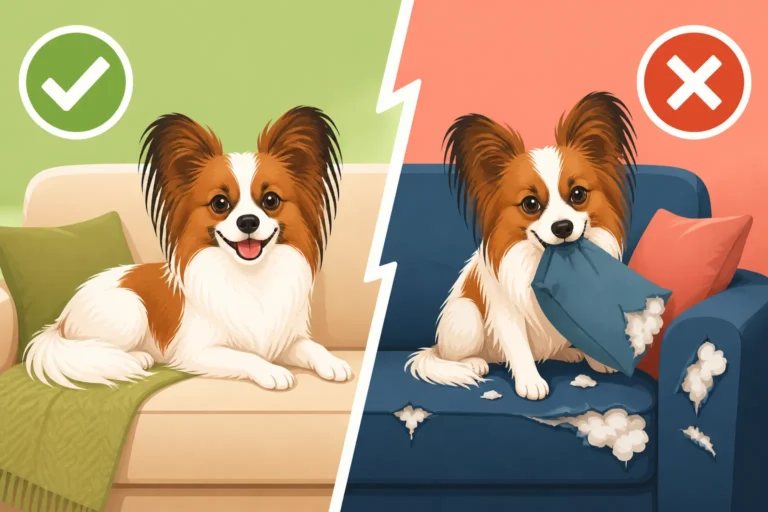
Allow your Papillon to explore their new home room by room, always under your supervision. Keep dangerous items put away and secure anything chewable. Positive reinforcement works best here: praise them for exploring calmly, and gently redirect them from forbidden areas. For instance, if they try to chew on furniture, offer them an appropriate chew toy instead. Using baby gates or an exercise pen (readily available on Amazon) can be incredibly helpful in managing their access, especially in the early days. This prevents them from having unsupervised accidents in hidden corners or developing undesirable habits in areas you don't want them. These boundaries aren't about restriction; they're about setting your Papillon up for success and teaching them the rules of the house in a gentle, clear way.
Building Confidence and Bonding: The First Few Months
After the initial weeks, your Papillon should be feeling a bit more settled. This is the perfect time to deepen your bond, build their confidence, and continue their education.
Positive Reinforcement and Training
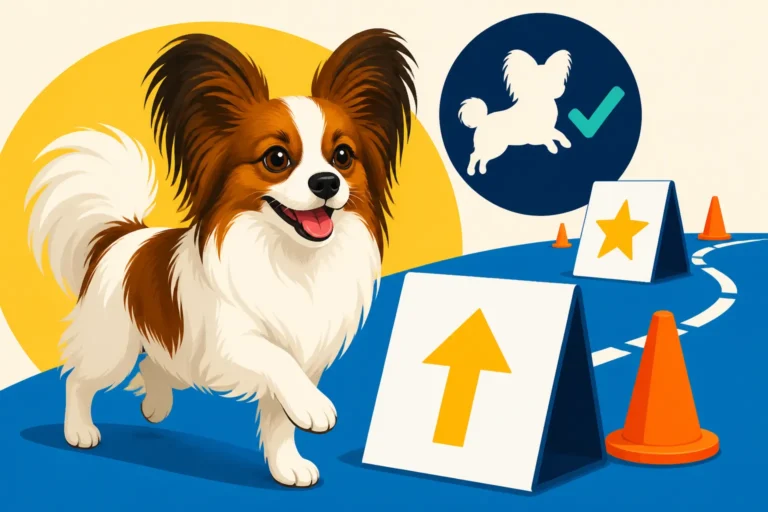
Papillons are incredibly intelligent little dogs, and they absolutely thrive on positive reinforcement. Training isn't just about obedience; it's a powerful tool for communication and building a strong, trusting relationship.
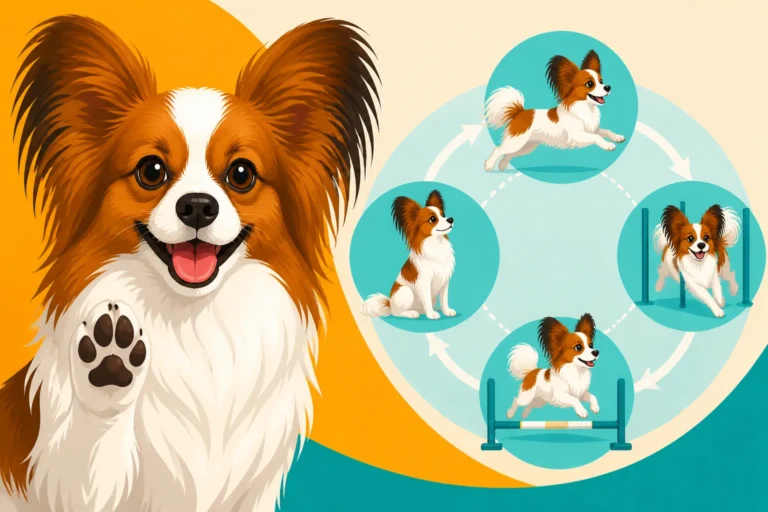
Start with basic cues like "sit," "stay," "come," and "leave it." Use high-value treats and enthusiastic praise to reward desired behaviors. Keep training sessions short, fun, and frequent – five to ten minutes a few times a day is far more effective than one long, tedious session. Papillons love to learn, and they respond beautifully to clear, consistent cues. Avoid harsh corrections or punishment; these sensitive dogs can easily become fearful or shut down. Online resources, like the BAXTER & Bella online puppy school, can provide structured guidance and support for owners. Not only does training reinforce good behavior, but it also provides mental stimulation, which is vital for this bright breed. Understanding Why Harsh Correction Fails on a Papillon can really help you refine your approach.
Addressing Common Adjustment Challenges
Even with the best intentions, you might encounter some bumps in the road as your Papillon fully adjusts. This is normal and doesn't mean you've done anything wrong.
- Barking: Papillons can be quite vocal. They might bark at new sounds, people passing by, or simply to get your attention. Identify the trigger for the barking. For attention barking, ignore it until they are quiet, then reward the silence. For alert barking, teach a "quiet" cue: let them bark once or twice, say "quiet" while holding a treat to their nose, and reward them when they stop.
- House-training Regressions: A settled Papillon might suddenly have an accident. This could be due to stress, a change in routine, or a minor health issue. Revisit your consistent potty schedule, and if accidents persist, consult your vet to rule out medical causes.
- Shyness or Fear: Some Papillons, especially rescues, might take longer to warm up to new situations or people. Don't force interactions. Allow them to approach on their own terms. Create positive associations with new experiences by pairing them with treats and praise. Gentle, gradual exposure to new sights and sounds will build their confidence over time.
- Separation Anxiety: If your Papillon becomes excessively distressed when left alone, barking, pacing, or being destructive, they might be experiencing separation anxiety. Start with very short absences and gradually increase the time, providing engaging puzzle toys to distract them. For more severe cases, professional guidance might be needed. Look into Signs a Papillon Has Separation Anxiety for indicators and further advice.
Socialization and External World Integration
Your Papillon needs to feel comfortable not just in your home, but also in the wider world. This is where continued, positive socialization comes in.
Once your vet gives the go-ahead (especially important for puppies completing vaccinations), gradually introduce your Papillon to new environments. Start with quiet walks in your neighborhood, allowing them to experience different sounds, smells, and sights. Short, positive car rides, perhaps to a pet-friendly store or a friend's house, can also be beneficial. Ensure they are safe and secure in a comfortable carrier (you can find many great options on Amazon) during car travel. Continue to meet new, friendly people and other calm, vaccinated dogs in controlled settings. The goal isn't to expose them to everything all at once, but rather to create consistently positive experiences that build their confidence and help them understand that the world outside your home is generally safe and interesting.
Long-Term Integration: Becoming Part of the Family
Congratulations! Your Papillon has officially moved past the "new dog" phase and is a fully integrated member of your family. Now, it's about nurturing that bond and ensuring their continued well-being.
Sustaining a Secure Environment
Even after a Papillon is fully settled, maintaining a secure and stimulating environment is key to their ongoing happiness and health. They are sensitive, intelligent creatures who thrive on connection and activity.
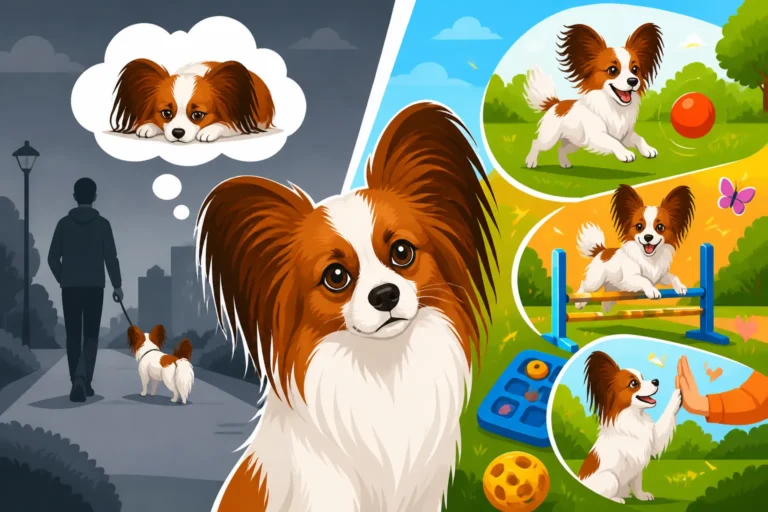
Continue to provide a consistent daily routine, which helps them feel secure and reduces anxiety. Regular walks, playtime, and training sessions are not just for puppies; adult Papillons need both physical and mental stimulation to stay happy and well-adjusted. Puzzle toys, scent games, and learning new tricks can keep their sharp minds engaged. Remember that What Mental Work a Papillon Needs is often as important as physical exercise for this bright breed. A secure home also means one that is adapted to their small size. Continue to provide ramps or steps to furniture if they like to join you on the couch or bed, protecting their delicate joints from repeated jumping impacts.
Recognizing When to Seek Professional Help
While most adjustment issues resolve with time, patience, and consistent effort, there are instances where professional help is invaluable. Don't hesitate to reach out if you notice persistent or worsening problems.
If your Papillon exhibits signs of severe anxiety, aggression, excessive fear, or destructive behaviors that don't improve with your efforts, it's time to consult with a professional. Start with your veterinarian to rule out any underlying medical issues that might be contributing to behavioral changes. If health issues are cleared, ask for a referral to a certified professional dog trainer or a veterinary behaviorist. These experts can provide tailored strategies and support to address complex behavioral challenges, helping both you and your Papillon navigate through difficulties. Remember, seeking help is a sign of responsible pet ownership, not failure.
Disclaimer
This article is for general informational purposes only and does not constitute professional advice. Laws, prices and regulations vary by location and change over time. Consult a qualified professional for guidance on your specific situation.