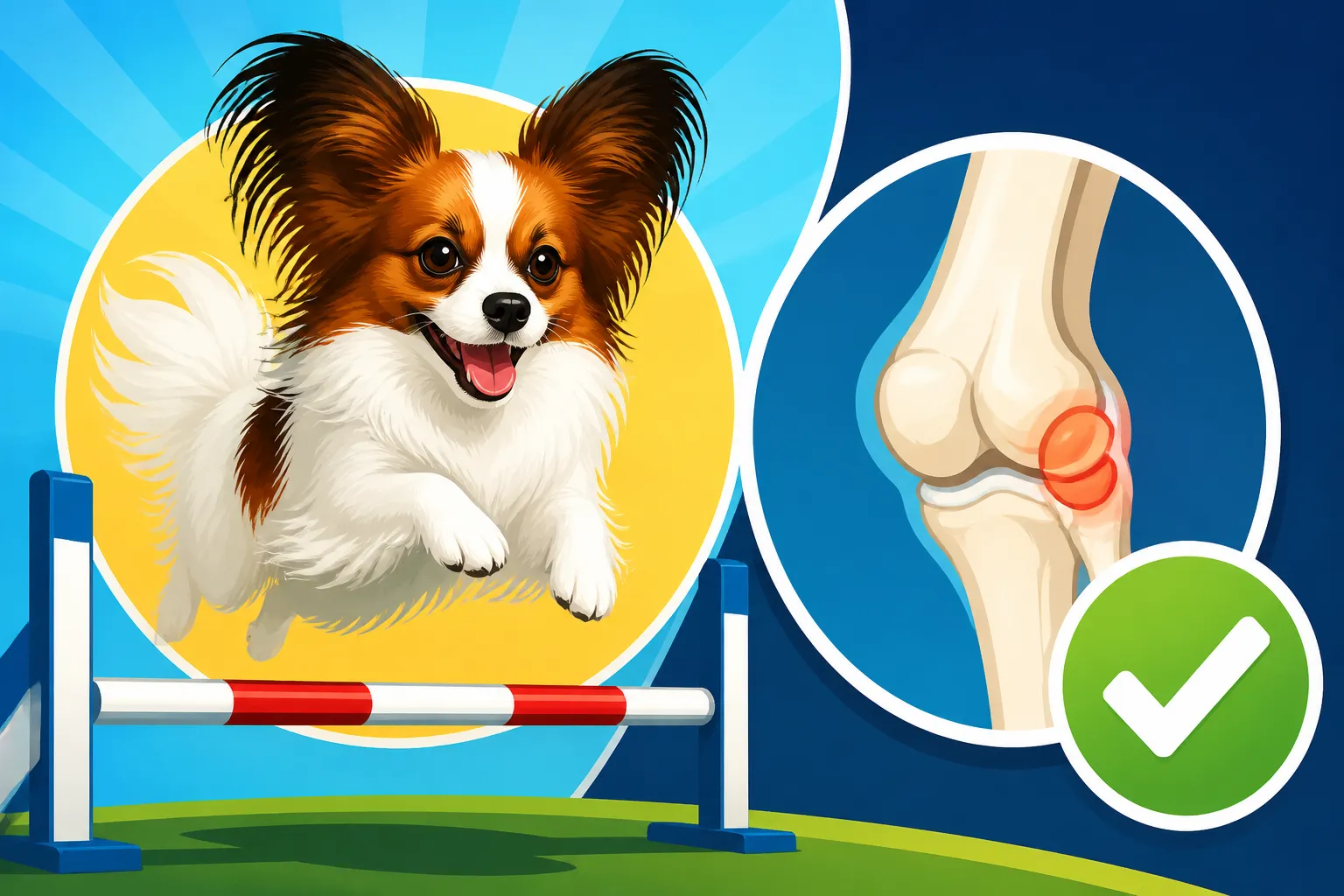
Whether a Papillon With a Grade One Knee Can Compete
It's incredibly frustrating when you have a bright, energetic Papillon who just loves to work, but then you get that diagnosis: a luxating patella. Specifically, a Grade One. Your mind probably races, imagining all the things your little butterfly dog might miss out on, especially if you had dreams of agility or other performance sports. You're left wondering, "Is this the end of our competitive dreams, or can my Papillon still thrive in the ring with a Grade One knee?" This guide is here to walk you through understanding Grade One patellar luxation, how it impacts a Papillon's ability to compete, and what proactive steps you can take to manage it, ensuring your furry friend can still live their best, most active life.
Decoding Grade One Patellar Luxation in Papillons
When a vet diagnoses your Papillon with a Grade One luxating patella, it's natural to feel a pang of worry. But let's clarify what that really means, because not all luxating patellas are created equal, and a Grade One is generally the mildest form. This condition, which means the kneecap (patella) occasionally slips out of its normal groove on the thigh bone (femur), is unfortunately quite common in smaller breeds, and our beloved Papillons are certainly not immune.
What Exactly Is a Grade One Patellar Luxation?
A Grade One luxating patella means the kneecap can be manually displaced by a veterinarian, but it usually pops right back into place on its own, or with minimal manipulation. Crucially, in a Grade One case, the kneecap generally doesn't slip out spontaneously during normal activity. Your Papillon might show very few, if any, symptoms. You might never even notice it unless a vet performs a thorough orthopedic exam. It's often found incidentally during a routine check-up or when the dog is being assessed for other issues.
Think of it like a door that sometimes rattles a bit in its frame but always closes properly on its own. The door isn't falling off its hinges; it's just not as snug as it could be. This minimal slippage is distinct from higher grades, where the kneecap might slip out frequently, stay out, or even be permanently displaced, causing significant pain and lameness. For a deeper dive into the condition itself, you might find What Patellar Luxation Does to a Papillon to be a helpful read.
Why Papillons Are Prone to Patellar Luxation
Our dainty Papillons, with their fine bone structure and energetic spirits, are among the breeds genetically predisposed to patellar luxation. The shallow trochlear groove—the natural indentation in the femur where the kneecap sits—is often the primary anatomical culprit. If this groove isn't deep enough, or if the attachment points of the quadriceps muscle are slightly misaligned, the kneecap can easily slip to the inside (medial luxation, which is most common in toy breeds) or, less frequently, to the outside (lateral luxation).
While genetics play a huge role, external factors can also contribute. Repetitive strain, trauma from jumping off furniture, or even obesity can exacerbate a mild case or lead to its progression. It's why maintaining a healthy weight and being mindful of their environment is so crucial for these little dogs. We all want our Papillons to be robust, but sometimes their delicate build means we need to be extra vigilant in their care. You'll often find breeders carefully screening their dogs for this very reason; understanding What a Papillon Breeder Should Have Tested is vital.
The Real-World Impact on Activity
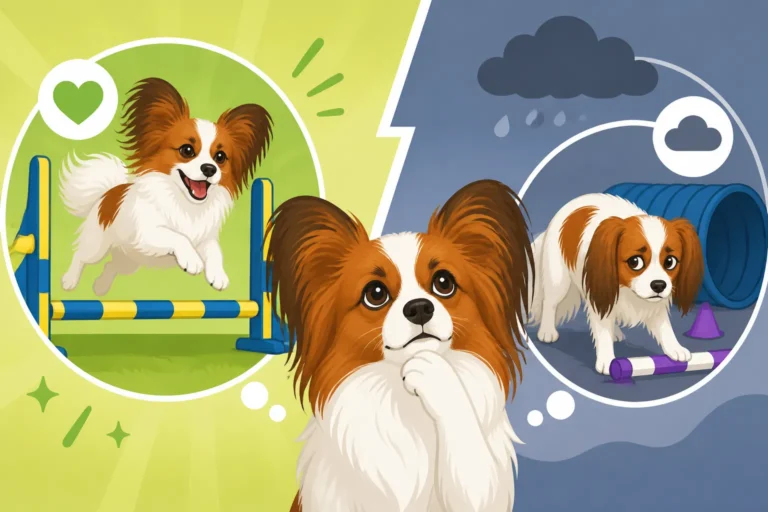
With a Grade One, many Papillons live a completely normal, active life without any pain or lameness. They run, jump, and play with gusto, seemingly unaffected. However, the concern for performance dogs like agility competitors is the potential for wear and tear, and the risk of progression. Agility involves high-impact movements: jumping, weaving, tight turns, and rapid stops. These movements put significant stress on the knee joint.
The key question isn't usually if a Grade One Papillon can do these activities, but how safely and for how long without aggravating the condition or accelerating its progression to a higher grade. Some Papillons with a Grade One might skip a step occasionally, especially after a burst of activity, which is one of the classic Signs a Papillon's Kneecap Slips. For others, it might remain asymptomatic for their entire lives. The goal is to maximize their activity and joy while minimizing the risk.
Assessing Your Papillon's Readiness for Competition
Deciding whether your Papillon with a Grade One patellar luxation can compete in agility isn't a simple yes or no answer. It requires a thoughtful assessment, a team approach with your vet, and a realistic understanding of your dog's individual condition and capabilities. Every dog is an individual, and a Grade One in one Papillon might present differently than in another.
The Indispensable Veterinary Consultation
Your first and most important step is a thorough discussion with your veterinarian. Ideally, this should be a vet who has experience with sports medicine or who is willing to consult with an orthopedic specialist. They can provide a professional assessment of your Papillon's specific Grade One condition, beyond just the initial diagnosis. They'll consider factors like:
- Joint Stability: How easily does the patella luxate? How often does it happen, even manually?
- Muscle Mass and Conditioning: Is your Papillon's musculature strong and balanced, particularly in the hindquarters?
- Overall Health: Are there any other underlying health issues that could compound the knee issue or impact their ability to compete safely? Whether a Papillon Needs a Yearly Eye Exam or other health screenings might be relevant here to get a full picture.
- Radiographs: X-rays can provide valuable information about the depth of the trochlear groove, the alignment of the bones, and any early signs of arthritis, which can sometimes accompany even mild luxation.
Your vet can help you understand the potential risks involved in high-impact sports. They might recommend a conservative management plan first, focusing on strengthening and conditioning, before giving the green light for competitive training.
Observing Your Papillon's Day-to-Day Performance
Beyond the vet's examination, you are your Papillon's best advocate and observer. Pay close attention to their movement, especially during and after exercise. Do you notice any hesitation before jumping? Do they hold a back leg up for a few steps after a quick sprint? Do they seem stiffer than usual after a training session?
Keep a journal of their activity levels, any signs of discomfort, or changes in gait. This detailed information will be invaluable when discussing their progress and readiness with your vet and agility instructor. What might seem like a minor "skip" to you could be a subtle sign that the knee is being irritated. It's crucial to differentiate between general soreness from exertion and pain directly related to the luxating patella.
| Observation Area | What to Look For (Potential Red Flags) | Why It Matters |
|---|---|---|
| Gait/Movement | Occasional "skipping" step, holding a leg up, favoring one leg, reluctance to bear full weight. | Indicates the kneecap may be slipping, causing temporary discomfort or instability. |
| Energy Levels | Unexplained lethargy after activity, decreased enthusiasm for play or training. | Could be a sign of pain or excessive strain on joints. |
| Behavioral Changes | Increased licking at the knee area, guarding the leg, unusual irritability when handled. | Dogs often hide pain, but subtle changes can be telling. |
| Post-Activity | Stiffness, limping, or obvious discomfort after a training session or vigorous play. | Suggests the knee is being stressed beyond its comfort level. |
| Stance | Narrow stance with hind legs, reluctance to stand square, shifting weight. | Compensation for discomfort in one or both knees. |
Remember, Papillons are incredibly stoic little dogs and often hide pain until it's quite advanced. You have to be a detective to spot these subtle cues.
The "Wait and See" Versus Proactive Management
Some owners might be tempted to just "wait and see" if their Papillon develops symptoms with a Grade One. While some dogs might never show issues, a proactive approach is generally more beneficial for a potential performance dog. This means focusing on preventative measures and strengthening from day one, rather than waiting for a problem to arise.
Proactive management involves specific exercises, careful monitoring, and making environmental adjustments. For example, ensuring your Papillon isn't constantly jumping off high furniture can significantly reduce strain on their knees. Many owners find dog ramps or steps helpful for beds and sofas; you can find many good options on Amazon that cater to small breeds. This kind of thoughtful preparation can make all the difference in protecting those little joints and extending their comfort and activity levels throughout their lives.
Training and Management Strategies for a Papillon with Grade One PL
If your Papillon has a Grade One luxating patella and you're hoping to compete, you'll want to implement smart training and management strategies right from the start. This isn't about coddling your dog, but about building strength, reducing risk, and making their athletic career as safe and long-lasting as possible.
Targeted Conditioning and Core Strength
This is probably the most crucial aspect. Strong muscles around the knee joint can help stabilize the patella and compensate for a shallow groove. Work with a canine physical therapist or a knowledgeable sports vet to develop a conditioning program tailored to your Papillon. Key areas to focus on include:
- Core Strength: A strong core helps with overall body awareness and stability, reducing strain on the limbs. Exercises like "cavaletti poles" (low obstacles for stepping over), balance discs, and gentle hill walking can be excellent.
- Rear-End Strength: Strengthening the quadriceps and hamstrings is paramount. Exercises like controlled standing on hind legs, gentle short bursts of uphill walking, and targeted physiotherapy exercises can build vital muscle.
- Proprioception (Body Awareness): Help your Papillon understand where their body parts are in space. Weave poles, specific balance exercises, and even just walking on varied surfaces can improve this. Many online resources and training programs, like those offered by BAXTER & Bella, include body awareness exercises that can be easily adapted for small dogs.
Remember, consistency is key, but don't overdo it. Short, frequent sessions are much better than long, intense ones that could lead to fatigue and injury.
Smart Agility Training Modifications
Even with a Grade One, you need to be strategic about agility training. This doesn't mean your Papillon can't excel, but it might mean adjusting how they train and compete.
- Jump Heights: While Papillons often compete at lower jump heights, always ensure the jumps are appropriate for their size and comfort level. Lowering practice jumps slightly can reduce impact. Remember that Why a Papillon Should Not Jump Before a Year is generally good advice, regardless of knee status, to allow growth plates to close.
- Surface Selection: Train on forgiving surfaces like grass or rubber matting, rather than hard asphalt or slippery concrete. Ensure your dog has good traction. Whether a Papillon Slips on Hardwood is a concern even at home, let alone on an agility course.
- Warm-up and Cool-down: Never skip these! A proper warm-up prepares muscles and joints for activity, while a cool-down helps prevent stiffness and aids recovery. This should be a non-negotiable part of every training session and competition day.
- Controlled Turns and Contacts: Focus on teaching your Papillon how to execute turns efficiently and safely, without twisting their body excessively. On contact obstacles, emphasize controlled descents rather than frantic scrambling.
Agility is often about speed, but for a dog with a Grade One patellar luxation, it's also about finesse and control. Prioritizing correct form over raw speed in training can pay dividends in preventing injury.
Supportive Care and Environment
Beyond training, a holistic approach to your Papillon's care can significantly impact their knee health.
- Weight Management: Keeping your Papillon at an ideal lean weight is absolutely critical. Even a few extra ounces on such a small dog can put undue stress on their joints. Why an Overweight Papillon Strains Its Knees explains this in more detail. Work with your vet to determine the perfect weight for your individual dog and stick to it.
- Joint Supplements: Many veterinarians recommend joint supplements containing ingredients like glucosamine, chondroitin, and MSM, or omega fatty acids. While they aren't a cure, they can support joint health and potentially slow degenerative changes. Always discuss supplements with your vet first to ensure they are appropriate for your dog.
- Environmental Adjustments: As mentioned, providing ramps or steps for furniture can prevent jarring landings. Non-slip rugs on hard floors can also help prevent accidental slips and strains, reducing the likelihood of the patella luxating. Small considerations like these can make a big difference over your Papillon's long life. You might find ideas for these kinds of adaptive tools by browsing pet supplies on Amazon.
By combining targeted conditioning, smart training modifications, and comprehensive supportive care, you create the best possible environment for your Papillon to thrive, even with a Grade One knee.
Making the Decision: To Compete or Not to Compete
Ultimately, the decision of whether a Papillon with a Grade One luxating patella should compete comes down to a careful balance of risks, rewards, and your dog's individual well-being. It's not a decision to be taken lightly, but it's also not one that automatically rules out an active, fulfilling life, potentially including competition.
Weighing the Risks and Rewards
For many Papillon owners, agility is a wonderful way to bond with their intelligent and athletic dogs. The joy of watching them fly over jumps and weave through poles is immense. For the dogs, it's an incredible mental and physical outlet. These are significant rewards. However, the risks associated with a Grade One patella, while lower than higher grades, are still present:
- Progression of Luxation: There's always a possibility that the repetitive stress of agility could cause a Grade One to worsen to a Grade Two or higher, potentially requiring surgical intervention. Whether a Papillon's Knees Get Worse With Age is a valid concern for any Papillon with this condition.
- Secondary Injuries: The instability from a luxating patella can sometimes predispose a dog to other knee injuries, such as a cranial cruciate ligament tear, as the joint tries to compensate.
- Pain and Discomfort: Even if the luxation doesn't worsen, the constant activity could lead to chronic inflammation or discomfort, impacting your dog's quality of life outside the ring.
On the flip side, the rewards are not just about ribbons. It's about mental stimulation, physical fitness, and the deep bond forged through training. For many Papillons, being "out of work" or under-stimulated can lead to behavioral issues. The key is to pursue these rewards responsibly.
Prioritizing Quality of Life
Your Papillon's comfort and long-term health should always be the top priority. If, despite all your proactive measures, your dog consistently shows signs of discomfort, lameness, or a reluctance to engage in training, it's time to re-evaluate. A Grade One doesn't automatically mean a dog will be in pain, but you must be vigilant for any indication that they are.
This might mean scaling back competitive goals, retiring from high-impact sports earlier than planned, or shifting focus to lower-impact activities. Could your Papillon enjoy scent work, rally obedience, or trick training just as much, or even more, if it means less stress on their joints? These are questions you'll have to honestly answer as you observe your dog over time. When a Papillon Should Retire From Agility is a conversation that all competitive owners will eventually have, and for a dog with a Grade One knee, that conversation might come sooner.
Continuous Monitoring and Adaptability
Even if your vet gives the all-clear for competition, and your Papillon thrives, ongoing monitoring is essential. Regular vet check-ups, especially orthopedic evaluations, should be part of your routine. You should also be prepared to adapt your training and competition schedule based on your dog's condition.
Some owners find success by competing less frequently, focusing on specific events their dog enjoys, or taking longer breaks between seasons. If you're using an online training program like BAXTER & Bella, you'll find that many allow you to work at your own pace, making it easier to adjust if your Papillon needs more rest days or modified exercises. The ability to be flexible and put your dog's needs first will dictate the success and longevity of their competitive career.
| Factor | Considerations for Competition with Grade One PL |
|---|---|
| Veterinary Advice | Essential for assessing current knee health, overall fitness, and potential risks. Regular follow-ups recommended. |
| Dog's Enthusiasm | Does your Papillon genuinely enjoy agility? A dog that loves to work is more likely to push through discomfort, so monitor closely. |
| Physical Condition | Maintaining ideal weight, strong core and hindquarter muscles are non-negotiable for joint support. |
| Training Adaptations | Lower jump heights in practice, careful handling on contact obstacles, consistent warm-up/cool-down, appropriate surfaces. |
| Competition Schedule | Fewer trials, more rest between events, or focusing on less demanding venues might be necessary to prevent overuse injuries. |
| Environmental Support | Ramps or steps at home, non-slip flooring to prevent slips and unexpected twists. Many available on Amazon. |
| Long-term Health | Prioritize longevity and comfort. Be prepared to scale back or retire from competition if signs of pain or worsening condition emerge. |
In the end, having a Papillon with a Grade One luxating patella doesn't automatically mean saying goodbye to competitive dreams. It means approaching those dreams with intelligence, caution, and an unwavering commitment to your dog's health and happiness. With the right support, careful management, and a deep understanding of their individual needs, many Papillons with Grade One knees can indeed enjoy successful and joyful careers in agility and other dog sports. Just be ready to adjust your course as needed, always putting your little champion's welfare above all else.
Disclaimer
This article is for general informational purposes only and does not constitute professional advice. Laws, prices and regulations vary by location and change over time. Consult a qualified professional for guidance on your specific situation.