What Patellar Luxation Does to a Papillon
It's absolutely heartbreaking to see your tiny Papillon struggle with something as fundamental as walking, especially when you suspect their little kneecap might be popping out of place. That "skip" in their step or the sudden way they hold a leg up for a few seconds can send a wave of panic through you, leaving you wondering if they're in pain, if it will get worse, or if there’s anything you can do. This guide is here to walk you through exactly what patellar luxation means for a Papillon, exploring its impact, how to spot the signs, and what options you have to help your beloved companion lead a comfortable life.
Understanding Patellar Luxation in Papillons
When we talk about patellar luxation, we're really talking about a kneecap, or patella, that doesn't stay where it's supposed to. In a healthy dog, the kneecap sits snugly in a groove on the end of the thigh bone (femur), allowing it to glide smoothly up and down as the leg bends and straightens. This mechanism is crucial for proper leg function, much like a pulley system for their movement. For many small breeds, including our delicate Papillons, this ideal scenario doesn't always hold true.
What Exactly Is Patellar Luxation?
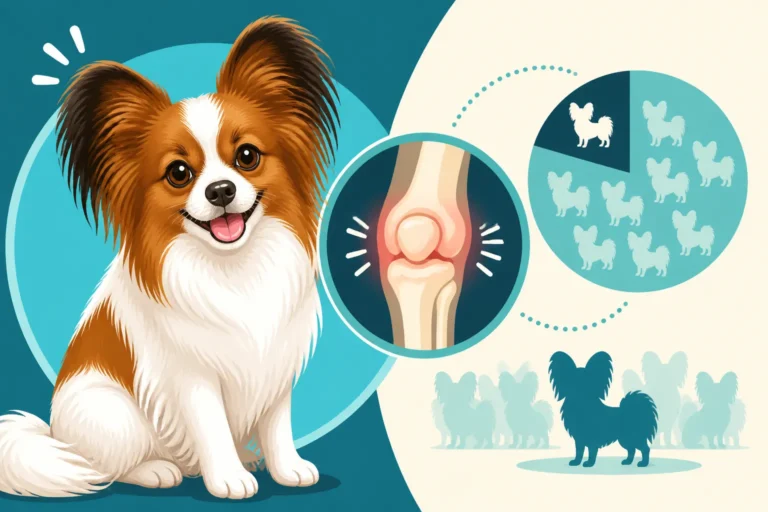
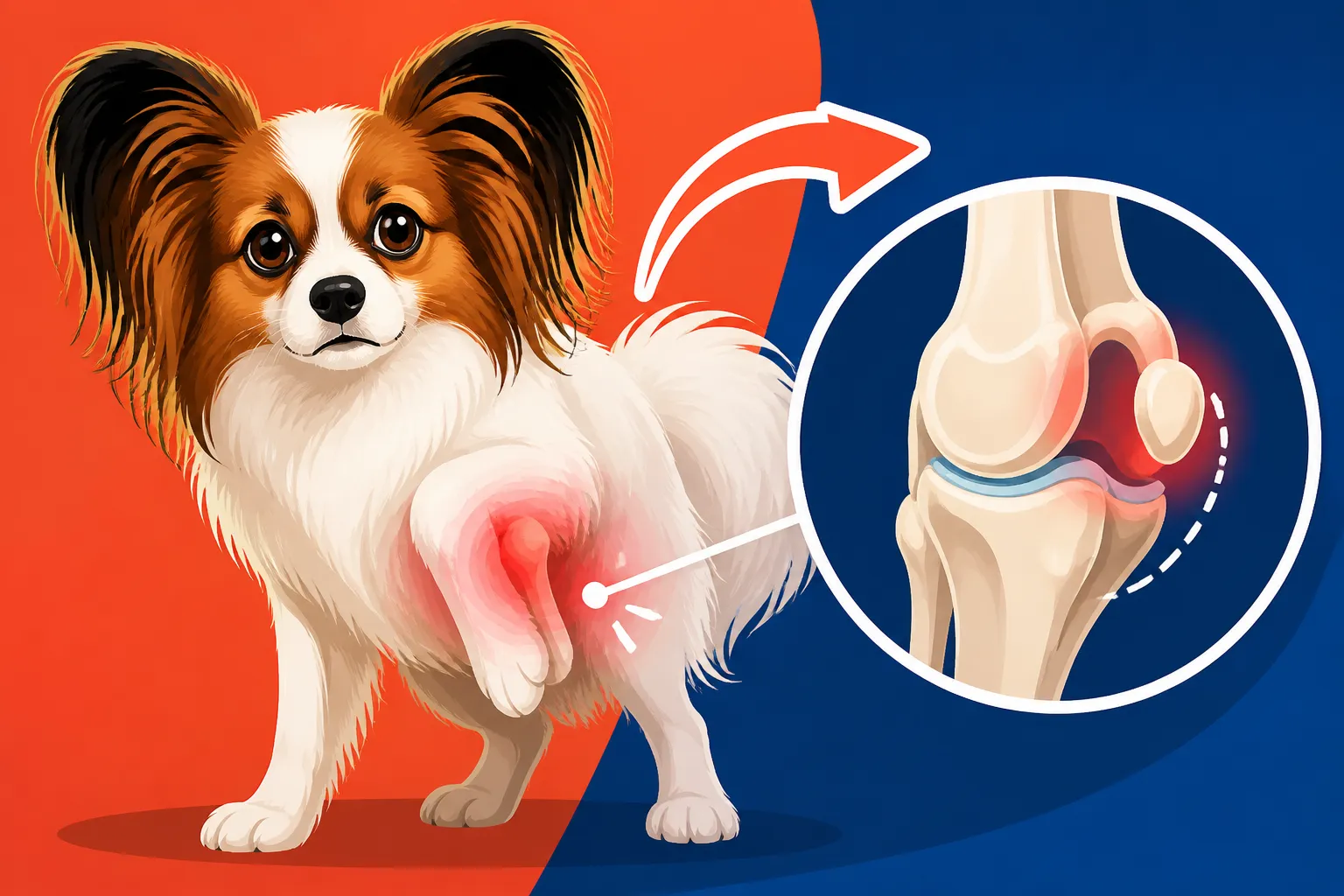
At its core, patellar luxation is a misalignment of the kneecap. Instead of staying within its designated track, the patella can slip out of place, either towards the inside of the leg (medial luxation, which is most common in Papillons) or, less frequently, towards the outside (lateral luxation). Imagine a train running off its tracks; the movement becomes disrupted, sometimes stopping altogether. This slipping can happen occasionally, or it can be a constant issue, causing varying degrees of discomfort and mobility problems for your dog. It's often something they're born with, a predisposition that can manifest over time.
The issue stems from abnormalities in the leg's bone structure. The trochlear groove, the furrow in the femur where the kneecap is supposed to ride, can be too shallow or misshapen. Additionally, the point where the patellar ligament attaches to the shin bone (tibia) might be out of alignment, pulling the kneecap sideways. The thigh bone itself might even be slightly bowed or twisted. These subtle deviations, though seemingly small, have a significant cumulative effect on how the entire knee joint functions, leading to the luxation.
Why Papillons Are Particularly Prone
It's a frustrating reality for many Papillon owners: these elegant, spirited dogs, despite their overall hardiness, are genetically predisposed to certain health conditions, and patellar luxation is unfortunately high on that list. It's not necessarily a reflection of poor breeding in all cases, but rather a characteristic that has become more prevalent in the breed over generations, often linked to the genetics that give them their charming, dainty physique. Knowing this helps us understand that it's not something you did wrong, but rather a hurdle you might face as a Papillon parent.
The root cause in Papillons often involves a combination of factors. Their small bone structure can lead to a naturally shallower trochlear groove. Furthermore, the ligaments surrounding the knee might be more lax than they should be, offering less stability to the kneecap. While some cases might be triggered by a specific injury, the underlying anatomical predisposition is usually present from birth. This is why a reputable breeder will always perform health tests, and you should ask about a puppy's parents' knee certifications to understand the risk. For more on what common knee issues these little dogs face, you might want to read our guide on How Common Patellar Luxation Is in Papillons.
The Different Grades of Patellar Luxation
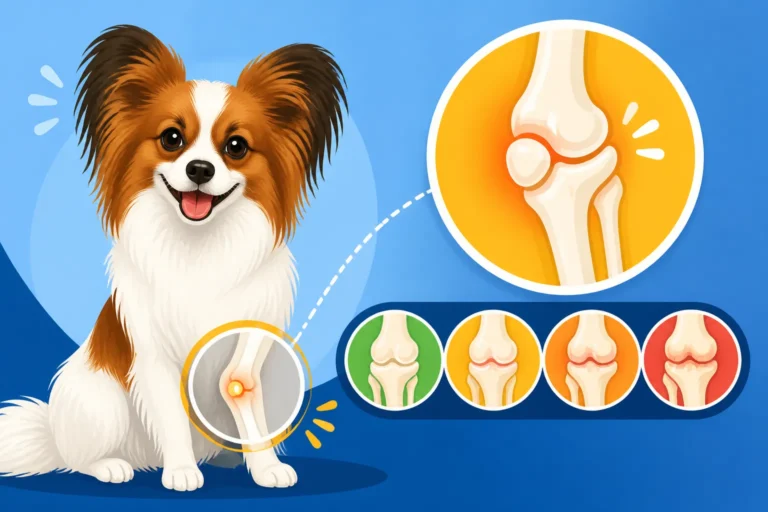
When a veterinarian diagnoses patellar luxation, they'll often assign it a "grade." This grading system helps to categorize the severity of the condition, from a mild, almost unnoticeable slip to a severe, debilitating displacement. It’s a crucial tool for determining the best course of action and understanding the potential impact on your Papillon's quality of life. Each grade comes with its own set of characteristics and implications for your dog's comfort and long-term health.
Grade 1: The Subtle Skip
This is often the mildest form of patellar luxation, and sometimes, you might not even notice it unless you're truly attuned to your Papillon's movements. In Grade 1, the kneecap can be manually displaced from its groove, but it pops right back into place on its own or with a gentle nudge. Your dog might exhibit a slight, occasional "skip" in their gait, perhaps holding up a back leg for a step or two before putting it back down as if nothing happened. There’s typically no persistent pain associated with Grade 1, and many dogs live full, active lives without needing intervention.
The frustration here is that it's so subtle, you might question if you're even seeing anything. It’s that fleeting moment when they pause mid-run, then seamlessly continue. For these dogs, conservative management is often recommended, focusing on maintaining a healthy weight to reduce joint strain and avoiding overly strenuous activities that could exacerbate the issue. Regular monitoring by your vet is still essential, as even a Grade 1 can progress over time, especially if not managed carefully.
Grade 2: More Frequent Slips and Discomfort
Grade 2 patellar luxation is where things start to become a bit more noticeable and, for your Papillon, potentially more uncomfortable. In this stage, the kneecap still slips out of its groove, but it doesn't always return immediately on its own. Your dog might have to actively extend or shake their leg to pop it back into place, or it might remain luxated for a few steps before resolving. This means the "skip" becomes more frequent, and you might see your Papillon holding their leg up more often and for longer periods.
You'll likely observe more clear signs of discomfort or lameness. Your Papillon might show reluctance to jump on furniture, climb stairs, or engage in their usual playful antics. Over time, the constant rubbing of the kneecap against the bone can start to cause wear and tear in the joint, potentially leading to inflammation and early signs of arthritis. At this stage, many veterinarians begin to discuss intervention options, as the quality of life can be significantly impacted. To learn more about when surgery becomes a consideration, check out our article on Which Grade of Luxation Needs Fixing in a Papillon.
Grade 3: Frequent Luxation and Functional Impairment
By Grade 3, the patellar luxation is a more serious and chronic problem. The kneecap spends most of its time out of the groove and can only be manually placed back into position with some difficulty. As soon as you let go, or your dog moves, it will often pop right back out. This persistent displacement leads to noticeable and constant lameness. Your Papillon will likely have a persistent "bow-legged" or "knock-kneed" appearance, depending on whether the luxation is medial or lateral, because the bones and soft tissues adapt to the kneecap's abnormal position.
The impact on your Papillon's daily life is significant. They will struggle with normal activities like walking, running, and jumping. Pain is a much more consistent factor at this stage, and you might notice them compensating by putting more weight on their other leg, which can lead to problems in that limb as well. The constant abnormal movement severely damages the cartilage in the knee joint, making the development of painful arthritis almost inevitable. Surgical correction is almost always recommended for Grade 3 luxation to alleviate pain, improve function, and prevent further joint degeneration.
Grade 4: Permanent Luxation and Severe Impact
Grade 4 represents the most severe form of patellar luxation. In this stage, the kneecap is permanently displaced from its groove and cannot be manually returned to its normal position. The trochlear groove is often completely absent or extremely shallow, and the bones of the leg (femur and tibia) are significantly deformed due to long-term abnormal development. Your Papillon's leg will appear twisted and misshapen, and they will likely walk with a severely abnormal gait, if they can walk at all.
Dogs with Grade 4 luxation experience profound functional impairment and chronic pain. They may struggle to bear weight on the affected leg, often resorting to a crouched or hopping walk, or even using only three legs. The muscles around the affected limb will atrophy significantly, becoming weak and wasting away from disuse. While surgery is complex and may not fully restore normal function, it is often necessary to reduce pain and improve mobility as much as possible, offering a chance at a more comfortable existence. This severe form highlights the importance of addressing the condition earlier if possible.
| Grade | Description | Symptoms Observed | Prognosis (Untreated) | Common Treatment |
|---|---|---|---|---|
| Grade 1 | Kneecap can be manually displaced but returns easily. | Occasional skip, no consistent pain. | Minimal impact, risk of progression. | Conservative management (weight, exercise). |
| Grade 2 | Kneecap slips out frequently, may need assistance to return. | More frequent skipping, intermittent lameness, mild pain. | Moderate arthritis, increased lameness. | Conservative or surgical, depending on impact. |
| Grade 3 | Kneecap mostly out, can be manually reduced but reluxates. | Persistent lameness, bow-legged stance, moderate to severe pain. | Severe arthritis, chronic pain, significant lameness. | Surgical correction highly recommended. |
| Grade 4 | Kneecap permanently out, cannot be manually reduced. | Severe lameness, deformed limb, constant severe pain. | Profound disability, severe arthritis, muscle atrophy. | Complex surgical correction often necessary for pain relief. |
Recognizing the Signs and Symptoms
It can be really distressing to watch your energetic Papillon suddenly hesitate or show signs of discomfort. Because they are often so stoic and eager to please, Papillons can sometimes hide pain quite well, making it crucial for owners to be observant. Knowing what to look for can help you catch patellar luxation early, potentially preventing more severe issues down the line. Don't second-guess yourself if you notice something "off" – your instincts are often right.
The "Papillon Skip" or Intermittent Lameness
This is perhaps the most classic and widely recognized sign of patellar luxation in small breeds like the Papillon. You'll be watching your dog happily trot or run, and then, suddenly, they'll pick up one of their back legs, hold it still for a few steps, and then put it back down and carry on as if nothing ever happened. It truly looks like they skipped a beat, or perhaps had a momentary cramp. The duration of this "skip" can vary; sometimes it's just a fleeting moment, other times it might last for several steps.
What's happening during this skip is that the kneecap has popped out of its groove. Holding the leg up helps to release the tension and often allows the kneecap to slip back into place naturally. Once it's back, they're typically fine again until the next episode. It's the intermittent nature of this lameness that can be confusing for owners. One moment they're perfectly normal, the next they're on three legs. This can be particularly noticeable during bursts of activity or when they're navigating uneven terrain. If you're seeing this, it’s a strong indicator to discuss with your vet. For a detailed list of what to watch for, you can refer to Signs a Papillon's Kneecap Slips.
Pain and Discomfort
While the "skip" might not always be overtly painful in its earliest stages, as patellar luxation progresses, pain and discomfort become much more apparent. You might notice your usually eager Papillon becoming reluctant to engage in activities they once loved. Jumping onto the sofa, climbing stairs, or even just playing fetch might become less appealing. They might whine softly when moving, or even yelp if the kneecap slips out abruptly during an awkward movement.
Beyond the obvious signs, pay attention to more subtle cues. Does your Papillon suddenly flinch or pull away when you touch their knee or upper thigh area? Are they licking or chewing excessively at their knee? Do they struggle to get comfortable when lying down, shifting positions frequently? These are all indicators that they might be experiencing chronic discomfort or acute pain during luxation episodes. Their demeanor might change too; a typically bouncy Papillon might seem quieter or more subdued, signaling that something is bothering them deeply.
Changes in Gait and Posture
As patellar luxation becomes more chronic and severe, it can lead to noticeable changes in how your Papillon stands and moves, even when the kneecap isn't actively slipping. You might observe a persistent lameness, where they consistently favor one leg or walk with an altered gait. For dogs with medial luxation (the kneecap slips inward), they might develop a "bow-legged" appearance, with their hocks (ankles) turning inward and their toes pointing outward. Conversely, lateral luxation can lead to a "knock-kneed" stance.
Beyond these structural changes, you might notice your Papillon adopting a more crouched or stiff posture, trying to minimize movement in the affected joint. They might walk with short, choppy steps, or shift their weight unevenly. If both kneecaps are affected, they might walk with a peculiar bunny-hopping gait, moving both hind legs together. These compensatory movements, while helping them manage in the short term, can put undue stress on other joints and muscles, potentially leading to secondary orthopedic problems over time.
Long-Term Effects if Left Untreated
Ignoring patellar luxation, especially if it's beyond Grade 1, can have significant and lasting consequences for your Papillon's health and comfort. While it might seem like just a "skip" or a minor inconvenience at first, the repetitive trauma and abnormal mechanics within the joint can set off a cascade of destructive processes. It's not just about the pain they experience when the kneecap slips; it's about the chronic damage that builds up over their lifespan.
Development of Arthritis and Chronic Pain
One of the most insidious and inevitable long-term effects of untreated patellar luxation is the development of osteoarthritis. Each time the kneecap pops out and rubs against the bone, it causes friction and wear and tear on the articular cartilage – the smooth, shock-absorbing tissue that lines the ends of the bones in a joint. This cartilage is vital for pain-free movement, and once it starts to erode, it doesn't regenerate effectively.
As the cartilage breaks down, the bones begin to rub directly against each other, leading to inflammation, pain, and the formation of bone spurs (osteophytes) around the joint. This process is irreversible and progressively worsens, resulting in chronic pain, stiffness, and reduced range of motion for your Papillon. Managing this pain becomes a lifelong endeavor, impacting their activity levels and overall well-being. Thinking about Whether a Papillon Gets Arthritis From a Slipping Knee can truly emphasize the importance of early intervention.
Muscle Atrophy and Weakness
When a Papillon consistently favors one leg due to pain or instability from a luxating patella, the muscles in that limb naturally start to weaken and waste away. This phenomenon is called muscle atrophy. If they're not using the leg properly, the muscles don't get the necessary stimulation and quickly lose mass and strength. You might notice the affected leg looks noticeably thinner or less muscular compared to the healthy one.
This muscle atrophy creates a vicious cycle. Weak muscles provide less support to the knee joint, making it even more prone to luxation and further instability. This exacerbates the problem, potentially increasing pain and making it harder for your dog to regain full function even if surgical correction is eventually pursued. Building muscle strength back up after significant atrophy is a long and challenging process, often requiring dedicated physical therapy and controlled exercise routines.
Increased Risk of Other Orthopedic Issues
The body is an interconnected system, and a problem in one area can easily lead to compensatory issues elsewhere. Untreated patellar luxation in a Papillon significantly increases the risk of other orthopedic problems, particularly in the same leg or even the opposite limb. Because they often shift their weight or alter their gait to cope with the unstable knee, undue stress can be placed on other joints.
One common secondary injury is a torn cranial cruciate ligament (CCL), often mistakenly called an ACL tear, in the same knee. The instability of the luxating patella puts abnormal stress on the CCL, making it much more susceptible to rupture. Additionally, the constant favoritism of the "good" leg can lead to strain, pain, and even patellar luxation or arthritis developing in the previously unaffected knee. It's a cruel twist when trying to protect one leg leads to issues in another, highlighting the importance of comprehensive care.
Diagnosis and Treatment Options
If you suspect your Papillon has patellar luxation, the first and most important step is a visit to your veterinarian. Early diagnosis can make a world of difference in managing the condition and ensuring your little companion remains as comfortable and active as possible. Don't delay, because the sooner you have a clear picture, the sooner you can explore the best path forward.
Veterinary Examination and Palpation
Your veterinarian will begin with a thorough physical examination. This isn't just a quick look; it involves carefully observing your Papillon's gait, how they stand, and how they interact. The crucial part of the diagnosis is palpation of the knee joint. Your vet will gently manipulate your dog's kneecap while flexing and extending the leg. They are feeling for any abnormal movement of the patella, trying to determine if it can be easily pushed out of its groove and how readily it returns.
Based on what they feel, they will assign a grade (1 to 4) to the luxation, as discussed earlier. This manual assessment is surprisingly accurate and often provides the primary diagnosis. It’s also important for the vet to check for any signs of pain, swelling, or crepitus (a grinding sensation) in the joint, which can indicate cartilage damage or arthritis. This hands-on approach helps confirm your suspicions and gives a preliminary idea of the severity.
X-rays and Other Diagnostics
While palpation is excellent for diagnosing the luxation itself, X-rays play a vital role in providing a more complete picture of the underlying skeletal abnormalities and any secondary damage. X-rays can reveal:
- The depth of the trochlear groove.
- The alignment of the femur and tibia.
- Signs of arthritis, such as bone spurs or joint space narrowing.
- Any other concurrent orthopedic issues, like a torn CCL.
Sometimes, your vet might recommend additional diagnostics like a CT scan for a more detailed 3D view of the bone structure, especially if complex surgical planning is needed. Blood tests might also be part of a pre-surgical workup to ensure your Papillon is otherwise healthy. These tools are critical for a comprehensive understanding of the problem and for tailoring the most effective treatment plan.
Non-Surgical Management
For Papillons with Grade 1 or mild Grade 2 patellar luxation, or for those where surgery isn't an option for various reasons, non-surgical management can be very effective in maintaining comfort and preventing progression. The cornerstone of conservative care is strict weight management. Even a few extra ounces on a tiny Papillon can significantly increase the strain on their joints, so keeping them at a lean, healthy weight is paramount.
Additionally, joint supplements containing ingredients like glucosamine, chondroitin, and MSM can help support cartilage health and reduce inflammation. Omega-3 fatty acids also have natural anti-inflammatory properties. Physical therapy, including controlled leash walks, swimming, and specific exercises to strengthen the quadriceps muscles, can improve knee stability. Anti-inflammatory medications might be prescribed during flare-ups of pain. While these methods won't "cure" the luxation, they can dramatically improve your Papillon's quality of life and potentially slow the progression of arthritis.
Surgical Intervention
For Papillons with Grade 2 luxation causing significant lameness or pain, and almost always for Grades 3 and 4, surgical correction is the most effective long-term solution. The goal of surgery is to realign the kneecap so it stays within its groove, thereby stabilizing the joint and preventing further damage and pain. There are several surgical techniques that can be used, often in combination:
- Trochlear Wedge or Block Resection: This deepens the trochlear groove in the femur, creating a more secure track for the kneecap.
- Tibial Tuberosity Transposition: The bony attachment point of the patellar ligament on the tibia is cut, moved to a more appropriate position, and then reattached with pins, realigning the entire patellar mechanism.
- Lateral Imbrication: This tightens the joint capsule on the outside of the knee, helping to hold the kneecap in place.
Surgery typically has a high success rate, especially for Grades 2 and 3, significantly improving comfort and function. Recovery involves a period of strict rest, pain management, and often physical therapy. It's a big decision, and you'll want to discuss the specifics with your vet. For details on the recovery process, you can read How a Papillon Recovers From Knee Surgery. The cost can be a concern, but companies like Healthy Paws pet insurance can offer peace of mind, potentially covering a significant portion of surgical and rehabilitation expenses, making this vital treatment more accessible.
Living with a Papillon with Patellar Luxation
Receiving a diagnosis of patellar luxation for your Papillon can be overwhelming, but it's important to remember that many dogs live happy, full lives with proper management. Your role as an owner becomes incredibly important in providing a safe and supportive environment that minimizes strain on their joints and maximizes their comfort. It's all about making mindful choices in their daily lives.
Environmental Modifications at Home
Your home environment can have a profound impact on your Papillon's knees. Think about all the ways your little dog interacts with their surroundings. High jumps off beds, sofas, or even chairs put immense stress on their kneecaps, especially if they land awkwardly or on slippery surfaces. Consider investing in pet ramps or steps to allow them safe access to elevated furniture they love. This simple change can prevent countless jarring impacts and potential slips. You might find our article Whether Ramps Help a Papillon's Knees particularly useful.
Another crucial modification involves flooring. Hardwood, tile, or laminate floors, while beautiful, offer very little traction for tiny paws. The act of running, playing, or even just standing up on these surfaces can lead to slips and falls, increasing the risk of luxation episodes or injury. Lay down non-slip rugs, runners, or carpet tiles in high-traffic areas where your Papillon spends most of their time. This provides secure footing and reduces the likelihood of damaging twists and slides.
Exercise Considerations and Management
Exercise is vital for a Papillon's overall health and happiness, but with patellar luxation, it needs to be carefully managed. High-impact activities like intense fetch sessions, jumping repeatedly, or uncontrolled roughhousing with larger, heavier dogs can be detrimental. Instead, focus on controlled, low-impact exercise that builds muscle strength without stressing the joints. Daily, moderate leash walks on even surfaces are excellent. Short, frequent walks are often better than one long, strenuous outing.
Swimming can be a fantastic non-weight-bearing exercise that strengthens the hind leg muscles without putting pressure on the knees. If your Papillon enjoys it and is safe in the water, it can be a great addition to their routine. Avoid any activities that involve sudden stops, starts, or sharp turns, as these movements significantly increase the risk of the kneecap slipping. The goal is to keep them active and muscular, as strong muscles provide better support for the knee, but to do so in a way that protects their delicate joints.
Ongoing Care and Monitoring
Living with a Papillon with patellar luxation means committing to ongoing care and vigilant monitoring. Regular veterinary check-ups are essential to assess the progression of the condition, monitor for signs of arthritis, and adjust pain management strategies if needed. Your vet might recommend periodic X-rays to track changes in the joint. It's also important to follow their advice on weight management religiously, as maintaining a lean body mass is one of the most impactful things you can do to support their joint health.
Beyond the vet, you are your Papillon's best advocate. Pay close attention to any changes in their gait, activity levels, or signs of pain. If you notice them becoming more reluctant to move, more frequently skipping, or showing any new signs of discomfort, don't hesitate to contact your veterinarian. Consistent use of prescribed medications or recommended joint supplements, as well as maintaining a safe home environment, will contribute immensely to their long-term comfort and quality of life. Considering a pet insurance plan like Healthy Paws early on can also provide financial security for any future treatments or ongoing care your Papillon might need.
Disclaimer
This article is intended for informational purposes only and does not constitute medical advice. Always consult with a qualified veterinarian for any health concerns or before making any decisions about your pet's medical care.