How Often a Papillon Needs a Wellness Exam
It’s a common worry for Papillon owners, isn’t it? These little dogs are so delicate and full of life, and the thought of them getting sick or having a hidden health issue can keep us up at night. Deciphering how often your tiny companion really needs to visit the vet can feel like navigating a maze of conflicting advice. This guide is here to cut through the confusion and explain exactly how frequently a Papillon needs a wellness exam throughout their life, ensuring you're empowered to keep your butterfly dog thriving.
The Foundation of Care: Annual Wellness Exams for Adult Papillons
For most healthy adult Papillons, once they're past their rambunctious puppy phase and before they reach their golden years, a yearly wellness exam is the cornerstone of preventative care. You might think, "My Papillon seems perfectly fine, why drag them to the vet when nothing's wrong?" But here’s the thing: Papillons, like all dogs, are masters at hiding discomfort. A subtle change in their gait, a slight shift in gum color, or even a barely noticeable weight fluctuation can be an early indicator of a brewing problem that, if caught early, is far easier and less expensive to manage.
These annual visits aren't just about getting a quick poke and prod; they’re a holistic health check designed to establish a baseline for your individual dog and catch any deviations before they become serious. Your vet will look at things you might never think of, using their trained eye and hands to assess every inch of your little one. It’s an investment in their long-term health and your peace of mind.
What Happens During a Routine Annual Exam
When you bring your Papillon in for their yearly check-up, expect a thorough examination. It's more than just a quick glance; it's a comprehensive review of your dog's current health status.
First, your vet will likely start with a general assessment. They'll observe your Papillon's demeanor, how they walk, and how they interact with their surroundings. This initial observation can reveal a lot about their neurological function, comfort levels, and overall energy. Then comes the hands-on portion:
- Weight Check: This is crucial for a small breed like the Papillon. Even a pound or two can make a significant difference to their joints and overall health. Your vet will ensure your dog is maintaining a healthy weight, which is essential, especially given common breed issues like patellar luxation. Remember, Whether Weight Affects a Papillon's Knees.
- Oral Health Assessment: Papillons are notoriously prone to dental disease due to their small jaws and crowded teeth. Your vet will meticulously examine their teeth and gums for plaque, tartar, redness, or any signs of infection. This is where you might hear about the need for professional cleanings. Regular exams are key to monitoring How Common Dental Disease Is in Papillons.
- Ear and Eye Examination: They’ll check inside your Papillon's ears for any signs of infection, mites, or excessive wax, and examine their eyes for clarity, discharge, or any signs of irritation or early cataracts, or even early signs of Progressive Retinal Atrophy (PRA).
- Coat and Skin Check: Your vet will run their hands over your dog's entire body, looking for lumps, bumps, skin irritations, parasites, or changes in coat quality that could indicate underlying health issues.
- Heart and Lung Auscultation: Using a stethoscope, they'll listen carefully to your Papillon's heart for murmurs or irregular rhythms, and to their lungs for any abnormal sounds that could suggest respiratory problems. Papillons can be prone to Whether a Papillon Gets a Collapsing Trachea, so this is a vital part of the exam.
- Abdominal Palpation: The vet will gently feel your dog's abdomen to check the size and position of internal organs and detect any abnormalities, tenderness, or masses.
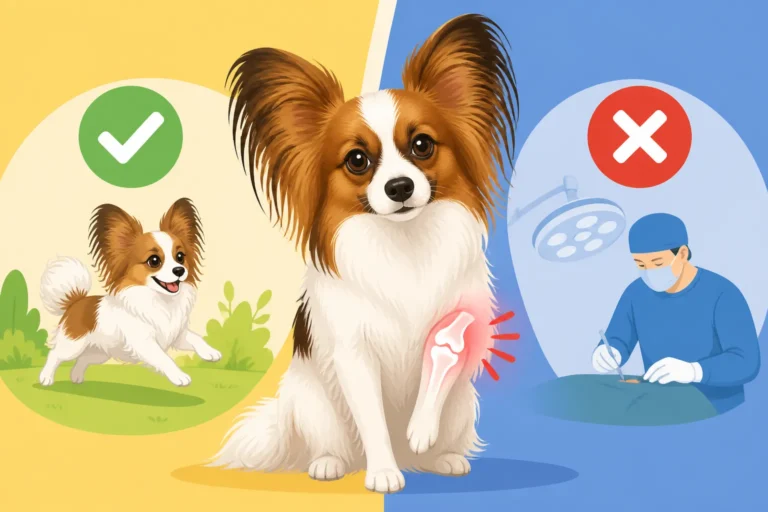
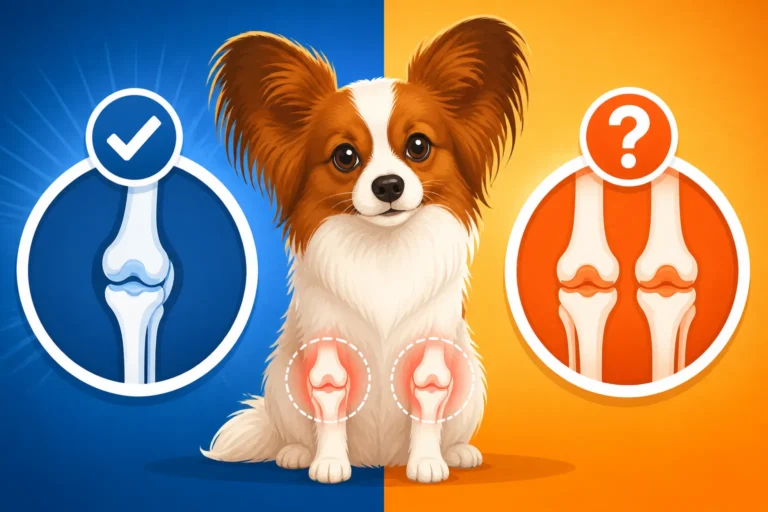
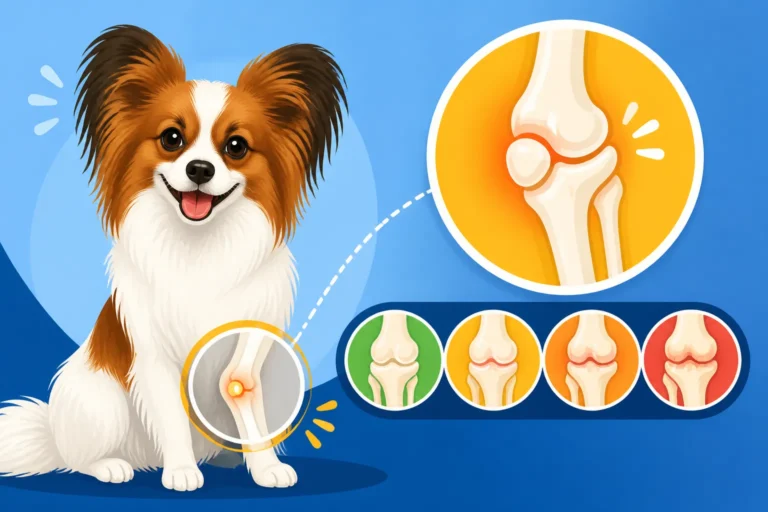
- Musculoskeletal Evaluation: They'll carefully manipulate your Papillon's legs and joints, checking for range of motion, pain, or instability, especially in the kneecaps. This is particularly important for detecting Signs a Papillon's Kneecap Slips, which is a common Papillon problem.
Beyond the physical exam, your vet will discuss vaccinations, parasite prevention (fleas, ticks, heartworm), and nutrition. It's also your opportunity to bring up any small concerns you've noticed – even if they seem insignificant to you, they could be important clues for your vet.
Why Annual Exams are Non-Negotiable for Preventative Health
Think of these yearly visits as your Papillon’s annual MOT. Just like your car needs regular servicing to prevent major breakdowns, your dog benefits immensely from proactive health monitoring. By establishing a routine check-up schedule, you’re not just reacting to illness; you’re actively working to prevent it or catch it at its most treatable stage.
Without these regular exams, a small problem could easily fester, becoming a much larger, more painful, and significantly more expensive issue down the line. For instance, early dental disease, if left untreated, can lead to painful infections, tooth loss, and even impact kidney and heart health. Similarly, a minor knee issue like a Grade 1 patellar luxation, if monitored and managed, might never require surgery, but if ignored, it could progress and necessitate costly intervention.
These exams are also vital for building a relationship with your veterinary team. They get to know your Papillon’s personality, their normal behaviors, and their specific health history. This familiarity makes it much easier for them to spot when something is truly off, even if the signs are subtle.
Adjusting the Schedule: Puppies and Senior Papillons Need More Frequent Visits
While annual check-ups are standard for healthy adults, the beginning and end of a Papillon's life demand a more intensified veterinary schedule. Puppies are like tiny sponges, developing rapidly and needing crucial early interventions, while senior dogs require closer monitoring as their bodies naturally begin to slow down and become more susceptible to age-related conditions.
Puppy Wellness: Building a Strong Foundation
When you first bring home your new Papillon puppy, you’ll quickly find yourself on a first-name basis with your vet! Puppyhood is a critical time for multiple visits to ensure they get the best possible start in life.
The primary reason for frequent puppy visits is the vaccination schedule. Puppies are born with some immunity from their mother, but this fades over time, leaving them vulnerable to serious diseases like distemper, parvovirus, and rabies. Vets administer a series of vaccinations, usually starting around 6-8 weeks of age and continuing every 3-4 weeks until they are about 16 weeks old. Each visit includes a full physical exam to ensure they are healthy enough for their shots and to monitor their growth and development. You can learn more about The Vaccination Schedule a Papillon Puppy Needs to prepare.
Beyond vaccinations, puppy visits are also crucial for:
- Parasite Control: Your vet will test for and treat intestinal worms, which are common in puppies, and discuss flea, tick, and heartworm prevention.
- Growth Monitoring: They’ll track your Papillon's weight and growth, ensuring they're developing at a healthy rate. Undersized or slow-growing puppies might warrant further investigation.
- Nutritional Guidance: Getting the right food and feeding schedule for a growing Papillon is vital. Your vet can advise on puppy-specific diets and how much to feed your tiny eater.
- Behavioral Advice: These visits are a great opportunity to discuss house training, socialization, and any emerging behavioral quirks with your vet. Early intervention can prevent bigger problems later.
- Early Detection of Congenital Issues: Some health concerns, like a heart murmur or certain orthopedic issues, might be detectable in puppyhood. Catching these early allows for proactive management. A responsible breeder should have already provided health testing information for the parents, covering conditions like PRA1 and patellar luxation, but your vet will conduct their own checks. Understanding What a Papillon Breeder Should Have Tested is always useful.
Generally, you can expect to visit the vet every 3-4 weeks until your Papillon puppy has completed their initial vaccination series, which is typically around 4-5 visits. After that, they usually transition to annual adult wellness exams.
Senior Papillon Care: The Importance of Bi-Annual Checks
Papillons are known for their impressive lifespans, with many living well into their teens. However, as they age, typically after the age of 8 or 9 years, their bodies undergo significant changes. Because of this, once-a-year check-ups aren't always enough to catch age-related issues in their earliest stages. For senior Papillons, twice-yearly (or bi-annual) wellness exams become highly recommended.
Why the increased frequency? Aging dogs are more susceptible to a range of conditions, and things can progress much faster in just a few months. Conditions like arthritis, dental disease, kidney disease, liver issues, heart disease, and even certain types of cancer become more prevalent. Regular checks allow your vet to:
- Monitor Chronic Conditions: If your senior Papillon has been diagnosed with a chronic condition like a heart murmur or early kidney disease, bi-annual visits allow for closer monitoring and adjustment of treatment plans.
- Early Detection of New Issues: Subtle changes that could indicate the onset of a new illness – like a slight tremor, a persistent cough, or changes in thirst or urination – can be spotted and investigated promptly. This is crucial for conditions where early intervention can significantly improve prognosis and quality of life. For example, knowing What Changes in a Papillon After Eleven can help you identify these subtle shifts.
- Pain Management: Many older dogs develop arthritis or other painful conditions. Your vet can assess their comfort levels and recommend appropriate pain management strategies, helping your Papillon remain active and happy.
- Weight and Nutritional Needs: Senior dogs often have different caloric and nutritional requirements. Your vet can help you adjust their diet to maintain a healthy weight and support aging organs.
- Cognitive Function Assessment: They can also look for signs of cognitive dysfunction, often referred to as "doggy dementia," and discuss ways to support your senior Papillon's mental well-being.
During these bi-annual senior exams, your vet might also recommend routine blood work and urine tests. These diagnostic tools provide invaluable insight into organ function that a physical exam alone cannot reveal. They can catch issues like early kidney or liver disease before clinical signs even appear, giving you more time to implement supportive care. Caring for a Papillon in their later years is a unique journey, and these frequent visits are key to ensuring a good quality of life. For more detailed insights, consider reading Caring for a Papillon Past Eleven.
When to See the Vet Between Scheduled Exams: Trusting Your Gut
Beyond the routine schedule, there will inevitably be times when you need to bring your Papillon to the vet for an unscheduled visit. No matter how meticulously you follow a wellness plan, life happens, and sometimes a sudden change or concerning symptom warrants immediate attention. As a Papillon owner, you become acutely aware of your dog's normal behaviors, and learning to trust your intuition when something feels "off" is incredibly important.
These small dogs can be surprisingly stoic, often masking pain or illness until it's quite advanced. Their tiny size means that even minor issues can become serious very quickly. Never hesitate to contact your vet if you have a gut feeling that something isn't right, even if you can't pinpoint an exact symptom. It's always better to be safe than sorry, and a quick phone call to discuss your concerns can often help determine if an immediate visit is necessary.
Subtle Signs That Warrant an Extra Visit
It's not always obvious when something is wrong. Here are some subtle signs in a Papillon that should prompt a call to your veterinarian, even if it's not time for a scheduled exam:
- Changes in Appetite or Thirst: A sudden decrease or increase in how much your Papillon is eating or drinking can be a red flag. A picky eater can be normal for Papillons, but a complete refusal to eat for more than 24 hours, or a sudden insatiable thirst, needs investigation.
- Lethargy or Decreased Activity: While Papillons love a good snuggle, a noticeable drop in their usual energy levels, excessive sleeping, or reluctance to play or go for walks could indicate illness or pain.
- Changes in Bathroom Habits: This includes straining to urinate or defecate, increased frequency of urination, accidents in the house when previously house-trained, or changes in the consistency or color of stool (especially diarrhea or blood).
- Coughing, Sneezing, or Difficulty Breathing: Any persistent cough, sneezing fits, or labored breathing (especially open-mouth breathing or blue gums) are serious and require immediate veterinary attention. Papillons are prone to Whether a Papillon Gets a Collapsing Trachea, so watch for a honking cough.
- Limping or Reluctance to Move: A slight limp, a "skip" in their step, or any signs of pain when moving can indicate an injury or orthopedic issue. Remember, Signs a Papillon's Kneecap Slips can be subtle at first.
- Vomiting or Diarrhea: Occasional, isolated incidents might not be alarming, but repeated vomiting or diarrhea, especially with lethargy, fever, or blood, warrants a vet visit. Small dogs can dehydrate quickly.
- Skin Changes: Persistent scratching, hair loss, redness, or new lumps or bumps should be checked out, as they could indicate allergies, infections, or something more serious.
- Eye or Ear Discharge: Any persistent discharge, redness, swelling, or pawing at the eyes or ears could signal an infection or other issue.
- Behavioral Changes: Sudden aggression, increased anxiety, hiding, or unusual vocalizations can sometimes be a sign that your Papillon is in pain or unwell.
Keeping a small notebook or a note on your phone to track these changes, no matter how minor they seem, can be incredibly helpful when discussing them with your vet.
The Importance of Advocating for Your Tiny Dog
Because Papillons are so small, sometimes their health concerns can accidentally be overlooked or dismissed as less significant than those of a larger dog. It's crucial for you, as their owner, to be their advocate. If you feel your concerns aren't being fully heard, don't be afraid to clearly articulate what you're seeing and feeling about your dog's health. You know your Papillon best.
When you call your vet, try to be as specific as possible about the symptoms: when they started, how often they occur, and any other changes you’ve observed. For instance, instead of saying "my dog is coughing," describe it as a "dry, hacking cough that sounds like a goose honking, especially after drinking water," if that's what you're seeing. This level of detail helps your vet quickly narrow down potential causes and determine the urgency of a visit. Remember, pet insurance providers like Healthy Paws can offer significant peace of mind, allowing you to seek veterinary care without worrying as much about the immediate cost of unexpected issues. Having a plan like Healthy Paws in place means you can advocate for your Papillon without financial hesitation.
Financial Planning and Peace of Mind for Papillon Care
Let's be real: owning a pet, even a tiny Papillon, comes with financial responsibilities. Regular veterinary care, while essential, is a significant part of that equation. Understanding the costs involved and planning for them can prevent tough decisions down the line and ensure your Papillon always gets the care they need.
The cost of routine wellness exams, vaccinations, and parasite prevention is generally predictable. However, it's the unexpected illnesses or injuries that can quickly lead to substantial veterinary bills. This is where forward-thinking and having a safety net become incredibly valuable. You might be surprised when considering What a Papillon Costs Per Month beyond just food and treats.
Budgeting for Preventative Care
Proactive budgeting for your Papillon's healthcare is one of the smartest things you can do. This means setting aside funds specifically for their annual (or bi-annual for seniors) wellness exams, vaccinations, and routine dental cleanings.
Here's a breakdown of what to typically budget for:
- Wellness Exams: Expect to pay for at least one, and ideally two, comprehensive exams per year for an adult or senior Papillon. Puppy visits will be more frequent initially.
- Vaccinations: These are usually administered at specific intervals and then boosters as needed. Your vet will outline the recommended schedule.
- Parasite Prevention: Monthly or quarterly treatments for fleas, ticks, and heartworm are non-negotiable for most regions and protect against common, potentially serious diseases.
- Dental Care: Due to their breed predisposition, Papillons often need professional dental cleanings more frequently than larger breeds. These procedures, which require anesthesia, can be one of the highest recurring costs in a Papillon's life. Understanding How Often a Papillon Needs a Dental Cleaning can help you plan.
- Routine Diagnostics: For senior dogs, blood work and urinalysis can be recommended every 6-12 months.
Creating a dedicated "pet care fund" or setting up a separate savings account for your Papillon's needs can be incredibly helpful. Even putting aside a small amount each month can quickly build up to cover routine costs and begin to form What a Papillon's Emergency Fund Should Hold for unexpected events.
The Role of Pet Insurance: Your Papillon's Safety Net
Even with the best budgeting, unforeseen accidents or illnesses can lead to bills that quickly deplete savings. This is where pet insurance comes into play, acting as a crucial safety net for your Papillon. Providers like Healthy Paws offer plans that can cover a significant portion of unexpected veterinary expenses, from accidents and emergencies to illnesses and chronic conditions.
Here's how pet insurance can provide peace of mind:
- Coverage for Accidents: If your Papillon, with their bold nature, takes a tumble and needs emergency care for a broken bone or other injury, pet insurance can help cover the costs.
- Coverage for Illnesses: From sudden infections to ongoing management of conditions like diabetes, kidney disease, or even cancer, insurance can dramatically reduce your out-of-pocket expenses. This is especially true for senior Papillons who might develop multiple health issues.
- Financial Flexibility: Knowing you have coverage allows you to make medical decisions based on what's best for your Papillon, rather than solely on what you can afford at that moment. This means access to advanced diagnostics, specialist care, and the best available treatments.
- Peace of Mind: The emotional toll of a sick pet is heavy enough without the added stress of financial burden. A good pet insurance policy, such as those offered by Healthy Paws, can alleviate much of that worry.
It's important to research different providers and plans to find one that best suits your needs and budget. Look closely at what's covered (and what isn't, like pre-existing conditions), deductibles, reimbursement percentages, and annual limits. Getting pet insurance when your Papillon is young and healthy is often the best strategy, as it ensures coverage before any conditions are considered "pre-existing." For a deeper dive into coverage, explore What Insurance Covers on a Papillon.
Choosing a provider like Healthy Paws can be a smart move for Papillon owners, offering comprehensive coverage that helps you manage the costs of both sudden emergencies and long-term health challenges. It's an investment in your Papillon's health and longevity, allowing you to focus on their well-being rather than just the bill.
Disclaimer
This article is intended for informational purposes only and does not constitute professional veterinary advice. Always consult with a qualified veterinarian for any health concerns or before making any decisions about your Papillon's medical care.