The Vaccination Schedule a Papillon Puppy Needs
Bringing a new Papillon puppy home is such an exciting time, but let's be honest, it can also feel incredibly overwhelming when you're trying to figure out how to keep your tiny little bundle of joy safe and healthy. One of the biggest puzzles for new puppy parents is often the vaccination schedule – what shots do they need, when do they get them, and why are there so many? This guide is here to walk you through the typical vaccination schedule your Papillon puppy will need, explaining each step so you can feel confident and prepared.
Why a Papillon Puppy's Vaccination Schedule Matters So Much
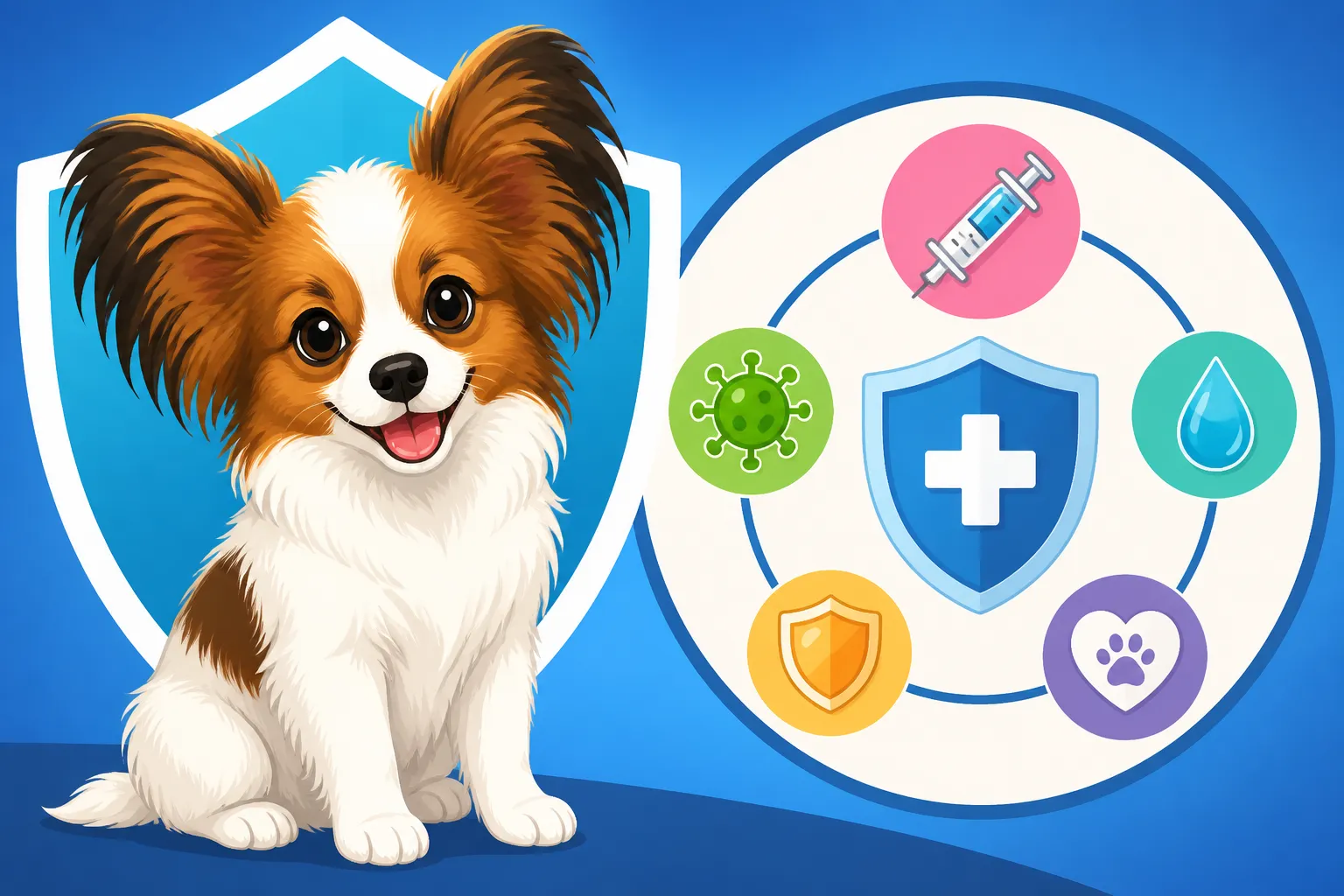
You've got this adorable, fragile little creature, and the world can feel like a big, scary place for them. Papillon puppies, like all young dogs, are incredibly vulnerable to a host of serious illnesses, and understanding their vaccination needs is the first step in providing a strong foundation for a long, healthy life.
Understanding the Vulnerabilities of a Young Papillon
Imagine your little Papillon puppy, all fluff and bouncy energy, but with an immune system that's still very much a work in progress. When they're first born, puppies get a crucial dose of antibodies from their mother's milk, known as colostrum. This provides temporary, passive immunity, but it starts to wane over time, usually between 6 and 16 weeks of age. This period is often called the "immunity gap" – a window where maternal antibodies are too low to protect fully, but still high enough to interfere with a vaccine's ability to stimulate the puppy's own immune system. This makes consistent and timely vaccination absolutely crucial to building their active immunity.
Because Papillons are a smaller breed, any illness can hit them harder and progress more rapidly than in a larger dog. Diseases like Canine Parvovirus or Distemper, which might be serious for any puppy, can be particularly devastating for a tiny Papillon due to their smaller body mass and less robust reserves. Their small size doesn't make them inherently more susceptible, but it does mean their little bodies have less tolerance for the severe dehydration, fever, and systemic shutdown these diseases can cause.
Navigating the Core vs. Non-Core Vaccine Confusion
When you talk to your vet about vaccinations, you'll hear about "core" and "non-core" vaccines. It can sound a bit like medical jargon, but it's really quite simple.
Core vaccines are those recommended for all dogs, regardless of their lifestyle or geographic location, because the diseases they protect against are widespread, highly contagious, and often fatal. Think of them as the absolute essential armor for your puppy. These include distemper, adenovirus (hepatitis), parvovirus, and rabies. These are diseases that no responsible owner wants their dog to encounter unprotected.
Non-core vaccines, on the other hand, are recommended based on a dog's individual risk factors, lifestyle, and where you live. Does your Papillon go to doggy daycare, visit dog parks, or get boarded frequently? Does your area have a high prevalence of Lyme disease or leptospirosis? These are the kinds of questions that help you and your vet decide if additional protection is a good idea. For example, if your Papillon loves to explore the woods or interacts with wildlife, a leptospirosis vaccine might be strongly recommended. This personalized approach ensures your Papillon gets the protection they need without unnecessary vaccinations.
Deciphering the Standard Papillon Puppy Vaccination Timeline
Understanding the typical schedule helps you know what to expect and when. It’s a series of visits, not just one and done, and each appointment builds upon the last to create robust immunity.
The Initial Puppy Shots: DHLPP/DHPP and its Components
The first series of shots your Papillon puppy receives is often referred to as the "distemper combo" or DHPP/DHLPP. This combination protects against several critical diseases:
- Distemper: A severe and often fatal viral disease affecting the respiratory, gastrointestinal, and nervous systems. Symptoms can include fever, coughing, diarrhea, vomiting, seizures, and paralysis. It's highly contagious, and the vaccine is a lifesaver.
- Adenovirus (Hepatitis): Canine infectious hepatitis is a viral disease that primarily affects the liver, kidneys, and blood vessels. While less common now thanks to vaccination, it can be deadly.
- Parvovirus (Parvo): This is perhaps one of the most feared puppy diseases. Parvo is a highly contagious virus that attacks the gastrointestinal tract, causing severe vomiting, diarrhea, lethargy, and loss of appetite. Dehydration is rapid and severe, and young puppies, especially small breeds like Papillons, are at very high risk of death without intensive veterinary care.
- Parainfluenza: This is a respiratory virus that contributes to "kennel cough." While not typically life-threatening, it can make a puppy miserable and lead to secondary bacterial infections.
The DHPP/DHLPP vaccine is typically given in a series of doses, usually starting around 6-8 weeks of age, with boosters every 3-4 weeks until the puppy is 16 weeks old or sometimes a bit older, depending on the vet's protocol and the specific vaccine used. This spaced-out schedule is designed to catch your puppy when their maternal antibodies have declined enough for their own immune system to respond effectively. If you're wondering The Vaccination Schedule a Papillon Puppy Needs, knowing this initial series is fundamental. Each booster dose reinforces the immune response, providing a strong, lasting shield against these common and dangerous viruses.
Rabies: The Mandatory Protector
Rabies is a different kind of vaccine because it's not just about protecting your dog; it's also a public health issue. Rabies is a fatal viral disease that affects the nervous system and can be transmitted to humans. Because of its severity and zoonotic potential, rabies vaccination is legally mandated in most places.
Your Papillon puppy will receive their first rabies vaccine typically around 12-16 weeks of age. Unlike the distemper combo, rabies is usually a single dose at this age. The timing often coincides with one of their final DHPP boosters. Following this initial shot, your Papillon will need regular boosters, usually every one or three years, depending on local regulations and the specific vaccine product used. It's crucial to keep this vaccine current, not only for your Papillon's safety but also to comply with local laws and protect your community.
Beyond Core: Optional Vaccines to Consider
Once the core vaccines are handled, you and your vet might discuss non-core vaccines based on your Papillon's lifestyle.
- Bordetella (Kennel Cough): If your Papillon will be attending puppy classes, doggy daycare, boarding, or frequenting dog parks, the Bordetella vaccine is highly recommended. Whether a Papillon Suits a Full Time Worker often means they might need daycare, making this vaccine a wise choice. It protects against one of the primary causes of kennel cough, a highly contagious respiratory infection. It can be given intranasally (up the nose), orally, or as an injectable, with different schedules depending on the type.
- Leptospirosis: If your Papillon has access to standing water, swamps, or areas frequented by wildlife (even your backyard in some regions), a Leptospirosis vaccine might be crucial. Lepto is a bacterial disease spread through contaminated urine, often found in water or damp soil. It can cause severe kidney and liver damage and is also zoonotic, meaning it can spread to humans. This vaccine usually requires an initial series of two shots, 2-4 weeks apart, followed by annual boosters.
- Lyme Disease: If you live in an area with a high tick population, especially where Lyme disease is prevalent, this vaccine could be considered. Lyme disease is transmitted by deer ticks and can cause lameness, joint pain, and kidney issues. Like Lepto, it usually requires an initial series and annual boosters.
- Canine Influenza: This vaccine might be considered if your Papillon is frequently exposed to many other dogs, such as at dog shows, boarding facilities, or high-traffic dog parks. Canine influenza (dog flu) is a respiratory disease, and while generally not fatal, it can cause severe illness.
Deciding on these optional vaccines involves a thorough discussion with your veterinarian about your Papillon's daily life, environment, and any travel plans. They will help you weigh the risks and benefits to create the most comprehensive and sensible protection plan.
Important Considerations for Your Papillon's Vaccination Journey
Vaccinations aren't just a checkbox; they're a dynamic process that requires communication with your vet and awareness of your puppy's well-being.
Working with Your Veterinarian to Tailor the Schedule
While there are standard guidelines, every Papillon puppy is an individual. That's why working closely with your veterinarian is absolutely paramount. They will take into account several factors specific to your situation:
- Geographic Location: The prevalence of certain diseases, like leptospirosis or Lyme disease, can vary significantly by region. Your vet will know what diseases are most common in your local area and can recommend vaccines accordingly.
- Breeder History: Information from your breeder, such as the vaccination status of the mother and littermates, can influence the timing and type of initial vaccines. A good breeder will provide detailed health records and explain What a Papillon Breeder Should Have Tested, including whether the dam was vaccinated against certain diseases.
- Individual Puppy Health: If your Papillon puppy has any pre-existing health conditions or is underweight, your vet may adjust the schedule or recommend additional precautions. Regularly checking Weighing a Papillon Puppy Every Week can help monitor their growth and overall health.
- Lifestyle: As discussed with non-core vaccines, your Papillon's anticipated activities – whether they're a couch potato or an agility star – will influence vaccine choices.
Don't hesitate to ask your vet questions. They are your best resource for ensuring your Papillon gets the right protection at the right time.
The Role of Socialization During the Vaccination Period
This is a really tricky period for new puppy owners, and it’s a source of a lot of stress. On one hand, you know how incredibly important early socialization is for your Papillon puppy's behavioral development. You want them to meet new people, see new sights, and interact with other friendly, vaccinated dogs to become a well-adjusted adult. On the other hand, you're acutely aware that they aren't fully vaccinated and are vulnerable to serious diseases. It feels like a catch-22, doesn't it?
The key is controlled and safe socialization. You absolutely don't want to take your unvaccinated puppy to a dog park or a pet store where the vaccination status of other dogs is unknown. However, you can:
- Puppy Classes: Many reputable puppy classes require proof of initial vaccinations and sanitize their facilities, offering a safe environment for early interactions.
- Home Visits: Arrange playdates with known, fully vaccinated, healthy adult dogs in a clean environment like your home or a friend's yard.
- Car Rides & Carries: Take your Papillon for car rides to get them used to movement, and carry them in a pet carrier or in your arms around public places (like busy streets or quiet parks) so they can see, hear, and smell new things without touching the ground or other unknown animals.
- Meet People: Invite vaccinated friends and family over to interact with your puppy, ensuring they wash their hands first.
The goal is to provide positive experiences while minimizing disease exposure. Discuss your socialization plans with your vet, and they can offer specific advice based on the disease risks in your area.
Potential Side Effects and What to Watch For
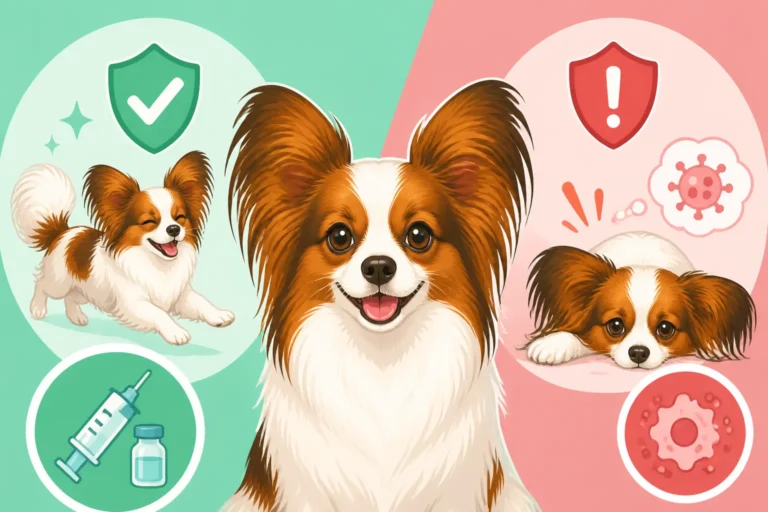
Just like with human vaccines, it's normal for puppies to experience some mild, temporary side effects after vaccination. These are usually signs that their immune system is learning and building protection.
Common, Mild Reactions:
- Soreness or Swelling: Your puppy might be a little tender or have a small lump at the injection site.
- Lethargy: They might be a bit more tired or sleepier than usual for a day or two.
- Decreased Appetite: A slight dip in appetite is sometimes observed.
- Mild Fever: A low-grade fever is possible.
These symptoms usually resolve on their own within 24-48 hours. If you notice any of these, provide a quiet, comfortable space for your Papillon to rest, and ensure they have access to fresh water.
Serious, But Rare, Reactions:
While rare, more serious allergic reactions can occur. It's crucial to be aware of these and seek immediate veterinary attention if you observe them:
- Facial Swelling: Swelling around the eyes, muzzle, or ears.
- Hives: Bumps or rashes on the skin.
- Vomiting or Diarrhea: More severe and persistent than a mild upset.
- Difficulty Breathing: Labored breathing, coughing, or wheezing.
- Collapse or Severe Weakness: Your puppy seems extremely weak, disoriented, or collapses.
These reactions typically occur within minutes to a few hours after vaccination. If you have concerns, always err on the side of caution and call your vet immediately. Having pet insurance like Healthy Paws can give you peace of mind during these unexpected moments, knowing that emergency vet visits are covered.
Lifelong Protection: Beyond the Puppy Phase
Vaccination isn't just for puppies; it's a commitment that lasts your Papillon's entire life. Even as they grow into a healthy adult, maintaining immunity is key to their ongoing well-being.
The Importance of Boosters and Titer Testing
Once your Papillon has completed their initial puppy series, they'll need booster vaccinations throughout their adult life. For core vaccines like DHPP, the first booster is typically given one year after the completion of the puppy series. After that, many vets follow a three-year schedule for these core vaccines. Rabies boosters are also required, usually every one or three years, as dictated by local laws and vaccine type.
For non-core vaccines like Bordetella or Leptospirosis, annual boosters are typically recommended if your Papillon's lifestyle continues to put them at risk. Always discuss your Papillon's current lifestyle with your vet at their annual wellness exam, as circumstances can change. This is also a good time to review How Often a Papillon Needs a Wellness Exam.
Some owners are interested in titer testing for certain core vaccines, such as distemper and parvovirus. A titer test measures the level of antibodies in a dog's blood, indicating their existing immunity. If the titers are sufficiently high, it might indicate that a booster is not immediately necessary, potentially allowing you to space out vaccinations. This is a personalized decision to discuss with your vet, as rabies titers are generally not accepted as a substitute for legally mandated rabies vaccination.
Maintaining Accurate Vaccination Records
Keeping meticulous records of your Papillon's vaccination history is crucial for several practical reasons:
- Veterinary Care: Your vet will need these records to ensure your Papillon is up-to-date and to plan future boosters.
- Boarding and Daycare: Almost all reputable boarding facilities, doggy daycares, and professional groomers require proof of current vaccinations, especially rabies and Bordetella.
- Travel: If you plan to travel with your Papillon, especially across state lines or internationally, vaccination records are often a legal requirement.
- Emergencies: In an emergency, knowing your dog's vaccination status can guide treatment decisions.
- Breeding: If you are considering breeding your Papillon, comprehensive health records, including vaccination history, are essential.
- Insurance: Pet insurance providers, such as Healthy Paws, often require proof of routine veterinary care, including vaccinations, for certain claims.
Your vet clinic usually provides a vaccination certificate or will update a health passport. Keep these documents in a safe place, and consider having a digital copy as well. This diligence helps you stay on top of your Papillon's health and navigate various aspects of dog ownership with ease.
Disclaimer
This article is for general informational purposes only and does not constitute professional advice. Laws, prices and regulations vary by location and change over time. Consult a qualified professional for guidance on your specific situation.