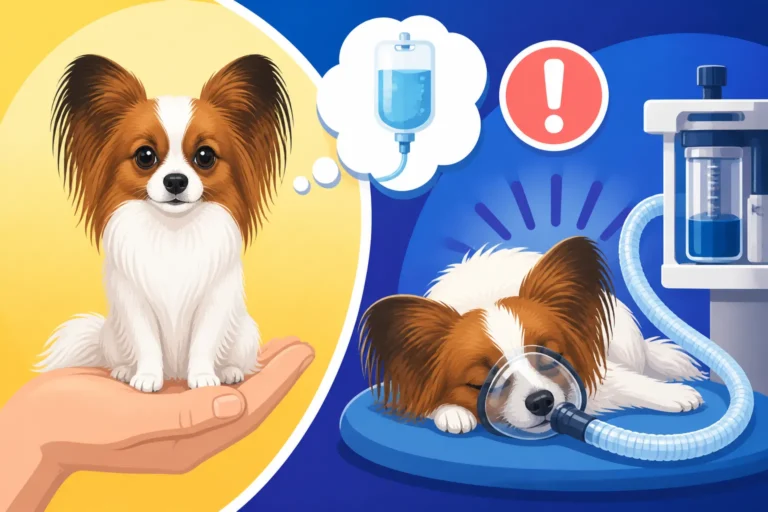
Whether a Papillon Gets Heart Disease
It's incredibly worrying when you notice anything unusual with your beloved Papillon, and thoughts about serious health issues like heart disease can be truly frightening. These tiny, vibrant dogs bring so much joy into our lives, and the idea of them suffering from something so potentially life-limiting is a fear many owners share. This comprehensive guide aims to shed light on whether Papillons are prone to heart disease, what symptoms to look for, and how best to support your furry friend if they are diagnosed.
Understanding Heart Disease in Small Breeds Like Papillons
When we talk about heart disease in small dogs, it's often a very specific type that comes to mind, especially for breeds like our delicate Papillons. It's not usually the sudden heart attacks or blocked arteries that human hearts contend with, but rather a gradual deterioration of one of the heart's crucial valves. It's easy to feel overwhelmed by medical jargon, but breaking it down can make it a lot less scary.
Mitral Valve Disease MVD Specifics
The most common form of heart disease in small and toy breeds, including the spirited Papillon, is Degenerative Mitral Valve Disease, often simply called MVD. Imagine your dog's heart as a beautifully engineered pump with four chambers and four valves, working tirelessly to keep blood flowing in the right direction. The mitral valve sits between the left atrium and the left ventricle, acting like a one-way door. In MVD, this door starts to weaken and thicken, losing its ability to seal properly.
What happens then is pretty straightforward: instead of all the blood being pumped forward out of the heart, some of it leaks backward into the left atrium each time the heart beats. This backflow, or regurgitation, is what your vet hears as a heart murmur. Over time, the heart has to work harder to compensate for this inefficiency, leading to enlargement of the heart chambers and a buildup of fluid, especially in the lungs. It's a progressive disease, meaning it tends to get worse over time, which is why early detection is so crucial for our little friends. You might wonder, "Does a Papillon get a heart murmur?" The answer is yes, MVD is a primary cause. The good news is that with careful management, many Papillons can live comfortably for years after a diagnosis.
Other Less Common Heart Conditions
While MVD is definitely the headliner when it comes to Papillon heart issues, it's not the only possibility, though others are far less common. Sometimes, a Papillon might present with a congenital heart defect, meaning they were born with it. These are structural abnormalities present from birth. For instance, a patent ductus arteriosus (PDA) is a condition where a small blood vessel that should close shortly after birth remains open, leading to abnormal blood flow. Another might be pulmonic stenosis, a narrowing of the valve leading from the heart to the lungs.
It's natural to panic a bit if your vet mentions any heart condition, but remember, these congenital issues are generally much rarer in Papillons than MVD. While MVD is often seen in older dogs, it's worth noting that your Papillon puppy could theoretically have a congenital defect, though a good breeder will often have had a vet check for such things. A thorough vet examination, especially if they hear an abnormal heart sound in a young puppy, can help identify these rare conditions early on. The key is to be observant and keep up with regular vet check-ups.
Signs and Symptoms of Heart Disease in Your Papillon
Recognizing the signs of heart disease in a Papillon can be tricky because these little dogs are masters at hiding discomfort. They're often so stoic and eager to please that they'll push through mild symptoms without complaint. This is why you, their loving owner, are their first and best line of defense. Knowing what to look for can make all the difference in catching an issue early.
Early, Subtle Indicators
The earliest signs of heart disease in a Papillon, particularly MVD, are often quite subtle and can easily be dismissed as just "getting older" or "a bit tired." One of the most common early indicators is a persistent cough. This isn't your typical occasional "excitement bark" cough; it's often a soft, hacking cough, sometimes sounding like they're trying to clear their throat. It might be worse at night or after waking up from a nap, or when they're excited. This cough happens because the enlarged heart presses on the trachea or fluid begins to accumulate in the lungs.
Another subtle sign is a decrease in energy or stamina. Your typically playful Papillon might start to tire more quickly on walks, be less enthusiastic about a game of fetch, or spend more time sleeping. You might also notice a slight decrease in appetite or a change in their breathing patterns. It's not uncommon for owners to tell their vet, "My Papillon just isn't quite themselves lately." Since How Long a Papillon Lives on Average is quite extensive, these subtle changes might be spread out over years. Remember, they may hide pain for a long time, so any change in behavior warrants attention.
Advanced and Emergency Symptoms
As heart disease progresses, the symptoms tend to become more pronounced and concerning. This is when the heart's ability to cope with the leaking valve starts to fail, often leading to congestive heart failure. One of the most alarming signs is difficulty breathing. This might manifest as rapid, shallow breathing even when at rest, or an increased effort to breathe, where their sides visibly heave. They might extend their neck to try and open their airways. This is a critical sign of fluid buildup in the lungs and requires immediate veterinary attention.
Other advanced symptoms can include a distended abdomen due to fluid retention, known as ascites, or episodes of weakness, collapse, or fainting (syncope). Their gums might appear pale or bluish, indicating a lack of oxygen. These are all emergency situations, and if you observe any of these, your Papillon needs to see a vet immediately. Don't wait; even a few hours can make a difference. It's the kind of situation where you want to be prepared, even if it's just knowing where your nearest 24-hour emergency vet is.
Diagnosing Heart Disease in Papillons
The moment your vet suspects heart disease, it can feel like a punch to the gut. But remember, a diagnosis is the first step toward effective management and giving your Papillon the best possible quality of life. The diagnostic process usually involves a combination of examinations and specialized tests.
Initial Vet Visit and Auscultation
The journey to diagnosing heart disease usually begins with a routine veterinary check-up. This is why regular wellness exams are so incredibly important for your Papillon, especially as they get older. During the physical exam, your vet will listen to your dog's heart with a stethoscope – a process called auscultation. This is where they'll pick up on any heart murmurs. A heart murmur is essentially an abnormal swishing sound caused by turbulent blood flow, often indicating a problem with a valve.
It's important to understand that not all murmurs are created equal. Some murmurs are "innocent" or physiological, especially in young puppies, and don't indicate heart disease. However, any murmur in an adult Papillon is usually cause for further investigation. Your vet will grade the murmur from 1 to 6, with 1 being very faint and 6 being very loud. The grade doesn't always correlate with the severity of the disease, but it does tell the vet that something is amiss and they need to delve deeper. This initial finding, coupled with your observations about your Papillon's behavior, forms the basis for the next steps. It's often at this point that your vet will recommend whether a Papillon needs a cardiac exam.
Advanced Diagnostics: Echocardiogram, X-rays, ECG
Once a murmur is detected, or if your Papillon is showing symptoms of heart disease, your vet will likely recommend more advanced diagnostic tests to get a clearer picture of what's happening inside their chest.
- Chest X-rays (Radiographs): These are incredibly useful for evaluating the size and shape of the heart, and crucially, for checking for fluid accumulation in or around the lungs, which is a hallmark of congestive heart failure. They can also show if the main airways are being compressed by an enlarged heart, explaining that persistent cough.
- Echocardiogram: This is essentially an ultrasound of the heart and is the gold standard for diagnosing MVD and other structural heart diseases. A board-certified veterinary cardiologist will use sound waves to create real-time images of your Papillon's heart. They can visualize the valves, measure the size of the heart chambers, assess the heart's pumping function, and determine the severity of the blood leakage. This test is non-invasive and provides invaluable information about the specific type and stage of heart disease. It helps determine the precise age a Papillon's mitral valve starts to leak and how far along the condition has progressed.
- Electrocardiogram (ECG/EKG): An ECG measures the electrical activity of the heart. While it doesn't show structural changes, it's excellent for detecting abnormal heart rhythms (arrhythmias) that can sometimes accompany heart disease. It involves placing electrodes on your dog's skin and is quick and painless.
- Blood Pressure Measurement: High blood pressure can complicate heart disease, so your vet might check your Papillon's blood pressure, often by using a small cuff on their leg or tail.
- Blood Tests: While not directly diagnostic for heart disease, blood tests can assess overall organ function, especially kidney function, which is important to monitor as some heart medications can affect the kidneys. A cardiac biomarker test, such as NT-proBNP, can also be used to assess heart stress and can be a helpful screening tool.
These tests, while sometimes costly, provide the necessary information to formulate a precise treatment plan, tailored specifically to your Papillon's condition. If you have pet insurance like Healthy Paws, this is exactly the kind of comprehensive care they are designed to help with, easing the financial burden during a stressful time.
Managing Heart Disease and Prognosis
Receiving a diagnosis of heart disease for your Papillon can be incredibly daunting, but it's important to remember that it's not a death sentence. With proper management and a dedicated care plan, many Papillons can continue to live fulfilling, happy lives for quite some time after diagnosis. The goal of treatment isn't to cure the disease, as MVD is degenerative, but to manage symptoms, slow progression, and maintain a good quality of life.
Medical Management and Medications
Once your Papillon has been diagnosed with heart disease, especially MVD, your veterinarian or a veterinary cardiologist will likely prescribe a regimen of medications. These medications are carefully chosen to address different aspects of the disease and improve heart function.
Here's a look at some common medications and their roles:
- Diuretics (e.g., Furosemide): These are often the first line of defense when fluid starts to build up in the lungs (pulmonary edema) or abdomen. Diuretics help the body excrete excess fluid, making it easier for your Papillon to breathe and reducing swelling. They are incredibly effective but require careful monitoring of kidney function.
- ACE Inhibitors (e.g., Enalapril, Benazepril): These medications help to relax blood vessels, reducing the workload on the heart and improving blood flow. They can also help to prevent the heart from remodeling and getting larger, which is a common consequence of MVD.
- Pimobendan (Vetmedin): This is a remarkable drug often considered a game-changer in canine heart disease. It works in two ways: it strengthens the heart's contractions and dilates blood vessels, making it easier for the heart to pump blood. Studies have shown that pimobendan can significantly extend the lifespan and improve the quality of life for dogs with MVD, particularly when started at the right stage of the disease.
- Spironolactone: This is another type of diuretic, often used in conjunction with furosemide, that helps the body retain potassium, which can be depleted by other diuretics. It also has mild anti-fibrotic effects, helping to prevent scarring in the heart.
- Beta-Blockers (e.g., Atenolol): Less common for MVD unless there's an associated arrhythmia, beta-blockers help slow the heart rate and reduce blood pressure.
Administering these medications regularly and precisely as prescribed is paramount. It’s a commitment, but one that directly impacts your Papillon’s comfort and longevity. Your vet will often adjust dosages based on your dog's response and regular follow-up appointments.
Lifestyle Adjustments and Support
Beyond medication, making certain lifestyle adjustments for your Papillon is crucial to support their heart health.
- Diet: Your vet might recommend a special diet. For dogs with heart disease, this often means a diet restricted in sodium to help prevent fluid retention. There are prescription cardiac diets available, or your vet can guide you on how to choose appropriate commercial foods or supplement a homemade diet. Maintaining a healthy weight is also vital; an overweight Papillon puts extra strain on an already compromised heart.
- Exercise: While regular exercise is important for all dogs, for a Papillon with heart disease, it needs to be modified. Strenuous activity should be avoided. Instead, focus on gentle, consistent walks that don't overexert them. Pay close attention to their breathing and stamina. If they show any signs of fatigue or increased coughing, it's time to stop and rest. The goal is mild activity, not pushing their limits.
- Stress Reduction: Stress can put extra strain on the heart. Try to keep your Papillon's environment calm and predictable. Avoid situations that cause them excessive anxiety or excitement.
- Monitoring at Home: You'll become your Papillon's best health monitor. Learn to count their resting respiratory rate – the number of breaths they take per minute while asleep or very relaxed. An increase in this rate can be an early indicator of fluid in the lungs and requires a call to your vet. Keeping a journal of their appetite, energy levels, and any coughing episodes can be incredibly helpful for your vet.
- Comfort: Ensure your Papillon has a comfortable, easily accessible sleeping area. Ramps or steps to furniture can prevent unnecessary jumping and strain, especially if they are also dealing with other common small dog issues like Patellar Luxation Is the Papillon Problem You Will Actually Meet.
This holistic approach, combining medication with attentive lifestyle adjustments, significantly contributes to your Papillon's well-being.
Understanding the Prognosis
The prognosis for a Papillon with heart disease, particularly MVD, varies widely depending on the stage of the disease at diagnosis, the specific medications used, and how well they respond to treatment. In the early stages (often just a murmur with no symptoms), many dogs can live for years without needing medication.
Once symptoms of congestive heart failure begin, the prognosis becomes more guarded, but still, many dogs can have a good quality of life for months to a couple of years with appropriate medication. The advancement of medications like pimobendan has truly changed the outlook for these dogs, extending their lives and improving their comfort significantly. It’s important to have honest conversations with your veterinarian about your Papillon's specific prognosis and what to expect as the disease progresses. They can guide you through the decision-making process, helping you manage care through their senior years, as discussed in Caring for a Papillon Past Eleven. For managing the significant costs of chronic conditions like heart disease, especially for a long-lived breed, pet insurance can be a huge relief, and providers like Healthy Paws are often highly regarded for their comprehensive coverage.
Preventative Measures and Lifestyle Choices
While some aspects of heart disease, particularly genetic predispositions, are beyond our control, there's actually a lot we can do as Papillon owners to support their overall heart health and potentially delay the onset or progression of conditions like MVD. Think of it as investing in your Papillon's long, happy life.
Diet and Weight Management
One of the biggest impacts you can have on your Papillon's heart health, and indeed their overall well-being, is through their diet and maintaining a healthy weight. Just like in humans, obesity in dogs places immense strain on the heart, making it work harder to pump blood through a larger body mass. For a tiny Papillon, even a few extra ounces can make a significant difference.
- Balanced Nutrition: Provide a high-quality, veterinarian-approved dog food appropriate for their life stage (puppy, adult, senior). Look for ingredients that support overall health. Avoid excessive treats, especially human foods high in fat or sodium.
- Portion Control: Don't free-feed your Papillon. Measure out their food according to the guidelines on the food packaging and your vet's recommendations. Remember, Papillons are small, and they don't need a huge amount of food. An adult Papillon eats only a small amount.
- Regular Weight Checks: Weigh your Papillon regularly, perhaps once a month at home if you have a sensitive scale, or at your vet visits. Early detection of weight gain allows you to adjust their diet before it becomes a problem. Knowing How Many Cups a Day an Adult Papillon Eats is essential for portion control. If you're concerned about your puppy's growth, consult the guide on Weighing a Papillon Puppy Every Week.
- Sodium Awareness: For healthy dogs, moderate sodium isn't usually an issue, but if your vet expresses concerns about early heart changes, they might recommend a lower-sodium diet. Avoid feeding table scraps that are often high in salt.
By keeping your Papillon at an ideal body weight, you're literally easing the burden on their heart, allowing it to function more efficiently and potentially delaying the onset of symptoms for age-related conditions.
Regular Exercise and Monitoring
Exercise is a double-edged sword when it comes to heart health. Too little, and you risk obesity and poor cardiovascular fitness. Too much, especially if there's an underlying issue, can be dangerous. The key is appropriate, consistent activity.
- Daily Walks: Papillons are energetic little dogs, but they don't need marathon runs. Daily walks, appropriate for their age and fitness level, are excellent. Two to three shorter walks a day are often better than one long, strenuous one. Let them sniff and explore; mental stimulation is important too.
- Playtime: Engage them in active playtime that they enjoy, like fetch with soft toys or indoor games. Monitor their breathing and energy levels closely during play. If they start to pant heavily or seem unusually tired, it's time for a break.
- Avoid Overexertion: If you live in an area with extreme temperatures, adjust their exercise schedule. Avoid exercising in the midday heat of summer or the bitter cold of winter. These conditions can put extra stress on the heart.
- Observe Changes: Be vigilant. Any change in their exercise tolerance – whether they're slowing down, panting more than usual after minor exertion, or recovering slowly – warrants a discussion with your vet. Your intuition as an owner is incredibly valuable here.
Oral Health Connection
You might be wondering what your Papillon's teeth have to do with their heart. It might seem like a strange connection, but there's a well-established link between poor oral hygiene and heart health in dogs.
- Bacterial Migration: When dental disease, such as gingivitis or periodontitis, is present, bacteria from the mouth can enter the bloodstream. Once in the bloodstream, these bacteria can travel throughout the body, including to the heart valves.
- Endocarditis Risk: These migrating bacteria can then settle on damaged or abnormal heart valves, leading to a serious infection called bacterial endocarditis. While not as common as MVD, endocarditis is a severe condition that can damage the heart and other organs.
- Preventative Dental Care: This connection underscores the importance of diligent dental care for your Papillon. Regular home brushing, daily if possible, using dog-specific toothpaste, is the best defense. Many Papillons have crowded teeth in their small jaws, making them prone to tartar buildup. If you’re struggling, consider professional cleanings. Don't underestimate the critical role dental care plays, especially considering Dental Work Over a Papillon's Long Life will be a recurring cost.
By taking these proactive steps—managing diet and weight, providing appropriate exercise, and maintaining excellent oral hygiene—you are giving your Papillon the best possible foundation for a healthy heart throughout their impressively long lifespan, as detailed in How Long a Papillon Lives.
Breeder Responsibility and Genetic Screening
When bringing a new Papillon into your home, especially a puppy, the choices made by the breeder play a significant role in the long-term health of your dog, including their predisposition to heart disease. A responsible breeder is not just concerned with pretty faces; they are deeply invested in the health and longevity of their lines.
Importance of Health Testing
Responsible Papillon breeders understand the importance of genetic health testing to screen for hereditary conditions that could be passed down to puppies. While MVD is often considered an age-related disease, there is a recognized genetic component, especially in breeds prone to it.
- Cardiac Exams and OFA Certification: Reputable breeders will have their breeding dogs undergo regular cardiac examinations by a board-certified veterinary cardiologist. These exams typically include auscultation (listening to the heart) and often an echocardiogram to check for any murmurs or structural abnormalities. The results are often submitted to organizations like the Orthopedic Foundation for Animals (OFA) for public record. An OFA "Cardiologist Clear" certification is a strong indicator that the parent dogs have healthy hearts. This is one of the key health tests a Papillon breeder should run.
- Why It Matters: By breeding only dogs with healthy hearts, breeders can significantly reduce the incidence of early-onset or severe MVD in future generations. It's not a guarantee against all heart disease, especially age-related forms, but it drastically improves the odds for your puppy. Always ask breeders for proof of these health clearances for both parents. Don't be shy about it – a good breeder will be proud to share them.
- Early Detection in Puppies: For certain congenital heart defects, early detection in puppies is vital. A vet conducting a thorough health check on a young puppy can identify murmurs that might indicate a congenital issue, allowing the breeder to make informed decisions about that puppy's future and to re-evaluate breeding pairs.
Understanding Pedigrees and Genetic History
Beyond individual health tests, a truly dedicated breeder will have a deep understanding of their dogs' pedigrees and the genetic history of their lines. This means knowing the health outcomes of previous generations and siblings.
- Long-Term Health Records: A breeder who has been in the breed for many years will know which dogs in their lines developed MVD and at what age. This information, while not always simple to interpret, helps them make more informed breeding decisions to avoid combining lines that might be particularly prone to the disease.
- Open Communication: A responsible breeder will be transparent about any known health issues in their lines, even if it’s an MVD diagnosis in an older, retired dog. They should be willing to discuss the specific health concerns of the breed and what steps they take to mitigate them. They might even refer you to What a Papillon Breeder Should Have Tested for more information.
- Avoiding Over-Inbreeding: While line-breeding is common in purebred dogs to maintain certain traits, excessive inbreeding can concentrate undesirable genes, including those for certain health conditions. Responsible breeders strive for a balance, carefully selecting mates to maintain genetic diversity within their specific lines, while still adhering to the breed standard.
Choosing a Papillon from a breeder who prioritizes heart health through testing and responsible breeding practices significantly stacks the odds in favor of your puppy living a long, healthy life. It’s an investment in your dog’s future well-being, potentially reducing the likelihood of encountering costly and emotionally draining health challenges down the road. If you’re considering a Papillon, asking the right questions about health testing and parentage is paramount.
What to Do If Your Papillon Is Diagnosed
Hearing that your Papillon has heart disease can feel devastating, but it's important to channel that emotion into proactive care. A diagnosis isn't an end; it's a new beginning for how you'll manage their health. Many Papillons with heart disease live full lives for years with proper management.
Partnering with Your Veterinarian and Specialists
Your primary veterinarian is your first and most important ally. They will guide you through the initial diagnosis and management plan. However, depending on the severity and complexity of your Papillon's condition, they might recommend consulting a veterinary cardiologist.
- Benefits of a Specialist: A board-certified veterinary cardiologist has advanced training and expertise specifically in heart conditions. They have access to specialized equipment, like advanced echocardiography, and are up-to-date on the latest research and treatment protocols. They can provide a more precise diagnosis, tailor a specific medication regimen, and offer insights into prognosis that a general practitioner might not have. While it might seem like an extra step, their expertise can be invaluable for optimizing your Papillon's care.
- Building a Team: Think of it as building a healthcare team for your Papillon. Your regular vet will handle day-to-day care, routine check-ups, and prescription refills, while the cardiologist provides specialized oversight. Communication between your general vet and the specialist is key to ensuring consistent and coordinated care. Don't hesitate to ask your primary vet for a referral if you feel it's necessary or if they suggest it. This collaborative approach often leads to the best outcomes.
- Asking Questions: Never be afraid to ask questions. Write them down before your appointments. Understand the diagnosis, the purpose of each medication, potential side effects, and what signs to watch for at home. Being an informed owner empowers you to provide the best care.
Creating a Daily Monitoring Routine
Once your Papillon is on a heart medication regimen, consistent home monitoring becomes an essential part of their daily life. This isn't about becoming a medical professional, but about being attuned to subtle changes that can indicate if the disease is progressing or if the medications need adjustment.
- Resting Respiratory Rate (RRR): This is arguably the most critical thing you can monitor at home. While your Papillon is deeply asleep or very relaxed, count their breaths over 15 seconds and multiply by four to get breaths per minute. A normal RRR for a dog at rest is typically less than 30 breaths per minute. An elevated RRR (consistently over 30-35 breaths per minute) can be an early warning sign of fluid building up in the lungs, indicating worsening heart failure. Keep a log of this rate daily. Your vet will often provide you with a target range to aim for.
- Appetite and Water Intake: Note any changes in how much your Papillon is eating or drinking. A decrease in appetite can be a sign of illness, and excessive thirst might indicate kidney issues exacerbated by diuretics.
- Energy Levels and Coughing: Continue to observe their energy levels, stamina during walks, and any coughing episodes. Is the cough more frequent? Is it deeper? Are they tiring more quickly than yesterday? All these observations provide valuable feedback to your vet.
- Medication Schedule: Stick rigorously to the medication schedule your vet provides. Missing doses or giving incorrect amounts can significantly impact their well-being. Using a pill organizer or setting reminders on your phone can be incredibly helpful.
This daily routine of observation and logging isn't meant to cause anxiety, but rather to empower you. You are your Papillon's most constant caregiver, and your keen eye can often detect subtle shifts long before they become emergencies, allowing for timely veterinary intervention. Insurance providers like Healthy Paws can often help cover the ongoing costs of these essential medications and specialist visits, which can add up over time for a long-lived breed like the Papillon.
Living with a Papillon with Heart Disease
Adjusting to life with a Papillon diagnosed with heart disease means embracing a new normal. It’s a journey that requires patience, consistency, and a huge amount of love. The goal is always to maximize their comfort and joy for as long as possible.
Adapting Your Home Environment
Making small changes to your home can significantly improve your Papillon's quality of life and reduce strain on their heart.
- Accessibility: If your Papillon loves to jump on furniture, consider providing pet steps or ramps. This prevents sudden impacts and reduces the physical stress on their body. While Whether a Papillon Should Be Stopped From Jumping Off Furniture is important for all small dogs, it becomes even more critical with a heart condition.
- Comfortable Resting Spots: Ensure they have several warm, soft, and easily accessible beds around the house. They might need more rest than before, and having comfortable spots available allows them to relax without effort.
- Temperature Control: Papillons can be sensitive to extreme temperatures. Keep your home comfortably warm in winter and cool in summer. Excessive heat or cold can put extra strain on their cardiovascular system.
- Quiet Zones: If you have a busy household, create a quiet, low-stress area where your Papillon can retreat and rest undisturbed. This can be particularly helpful for managing stress, which can impact heart function.
These adaptations are often simple but can make a world of difference in their daily comfort and overall well-being.
Embracing a New Pace of Life
Heart disease will inevitably mean slowing down the pace of life for your energetic Papillon. This can be an emotional adjustment for both of you, especially if they were previously very active.
- Gentle Activities: Focus on gentle, mentally stimulating activities rather than strenuous physical ones. Short, leisurely walks, puzzle toys, sniff games in the yard, or teaching new, simple tricks can keep their minds engaged without overexerting their heart. A Papillon is still incredibly smart, as noted in The Papillon Is the Smartest Toy Breed There Is, so mental stimulation remains vital.
- Prioritize Joy: Your Papillon still wants to be part of your life. Include them in family activities in ways that are safe and comfortable for them. Cuddle time, gentle grooming, and quiet companionship become even more precious. Remember to embrace these moments.
- Flexibility: Some days will be better than others. Be flexible with your expectations and routines, and always defer to your Papillon's cues. If they seem tired, let them rest. If they have a burst of energy, enjoy it with them within safe limits.
- Emotional Support: This journey can be emotionally taxing. It's okay to feel sad or frustrated. Connect with other owners in similar situations, or talk to your vet about resources for emotional support. Your Papillon senses your mood, so try to remain calm and reassuring.
Living with a Papillon with heart disease is about adjusting, adapting, and showering them with love and attentive care. It’s about making every day count and cherishing the time you have together, knowing you are doing everything you can to ensure their comfort and happiness. Even though heart disease is serious, the joy and companionship a Papillon brings far outweigh any challenges.
| Heart Disease Stage | Common Symptoms | Vet Recommendations | Prognosis with Treatment |
|---|---|---|---|
| A (At Risk) | No structural heart disease, but breed at risk. | Regular wellness exams. Maintain ideal weight. | Excellent |
| B1 (Pre-Clinical) | Heart murmur present, no symptoms, no heart enlargement on X-ray. | 6-12 month vet check-ups. Consider echocardiogram. | Good, years with no medication |
| B2 (Pre-Clinical) | Heart murmur present, no symptoms, significant heart enlargement on X-ray/echo. | Start Pimobendan. Regular vet check-ups (3-6 months). | Good, 1-2+ years before CHF likely |
| C (Congestive Heart Failure) | Coughing, difficulty breathing, exercise intolerance, fainting. | Multiple medications (diuretics, ACE inhibitors, Pimobendan, etc.). Diet modification. Frequent vet visits. | Fair to Guarded, months to 1-2 years |
| D (Refractory CHF) | Symptoms persist despite maximum medical therapy. | Advanced therapies, palliative care, oxygen support. | Poor, weeks to months |
Disclaimer
The information provided in this article is intended for general knowledge and informational purposes only, and does not constitute medical advice for your pet. It is essential to consult with a qualified veterinarian for any health concerns or before making any decisions related to your Papillon's health and treatment. Always seek the advice of a professional veterinary doctor for any questions you may have regarding a medical condition.