How Long a Papillon Lives
Bringing a Papillon into your life is a profound joy, but a nagging worry often creeps in: how long do we truly have with these incredible little dogs? It's a valid concern because, let's face it, our furry family members never stay long enough. This guide is dedicated to exploring the factors influencing a Papillon's lifespan, what you can realistically expect, and how to maximize every precious moment you share.
Understanding the Papillon's Remarkable Lifespan
One of the truly wonderful things about Papillons is their impressive longevity. While no two dogs are exactly alike, and individual health plays a huge role, this breed consistently ranks among the longest-lived canine companions. It’s a comforting thought, but it also comes with its own set of responsibilities, as a long life means a long commitment to their well-being.
The Average Years You Can Expect
When you look up How Long a Papillon Lives on Average, you'll often see figures ranging from 12 to 16 years, and sometimes even longer! This is quite significant, especially when you compare it to the lifespans of many larger dog breeds. It's not uncommon to hear stories of Papillons celebrating their 17th or 18th birthdays, still full of zest and mischief. Of course, this is an average, and some dogs might not reach this age due to unforeseen circumstances or specific health challenges, while others will happily blow past it.
It's easy to get caught up in the numbers, imagining all those future years. But it’s more important to focus on the quality of the years you have together. A Papillon who lives to 14 with excellent health and a vibrant spirit is often more fortunate than one who struggles through their later years, despite reaching 16 or 17. The key is to provide them with the best possible care from puppyhood through their golden years, ensuring each day is filled with joy and comfort. This includes everything from their diet and exercise to their emotional well-being and consistent veterinary care.
Why Papillons Often Outlive Larger Breeds
It's a common pattern in the canine world: smaller dogs generally live longer than larger ones. But why is this the case? The exact scientific reasons are still being fully understood, but several theories prevail. One leading idea is that larger breeds tend to age at an accelerated rate, experiencing a more rapid growth phase that can lead to a quicker onset of age-related diseases like cancer and orthopedic issues. Their bodies simply have more cells to go "wrong" and are under greater strain.
Papillons, as a toy breed, grow and mature at a much slower pace compared to, say, a Great Dane. Their metabolism is often higher, and their smaller stature puts less stress on their joints and internal organs over time. This isn't to say they are immune to health problems, far from it, but the general biological advantage of being small often translates into a longer journey through life. It's a wonderful trade-off for those of us who adore these petite companions; more years to cherish their intelligent, playful personalities.
What "Quality of Life" Means in Those Later Years
Just because a Papillon can live a long time doesn't automatically mean every one will enjoy a high quality of life throughout. Ensuring those later years are truly golden requires thoughtful attention and adjustments. Quality of life means they are free from chronic pain, can move around comfortably, maintain a healthy appetite, and continue to engage with their family and environment. It means they still find joy in their daily routines, even if those routines have to be modified.
This might involve managing conditions like arthritis, adapting their living space to prevent falls, or even simply making sure they have soft, warm beds and easy access to food and water. It's about being observant for subtle changes in their behavior or physical state, and working closely with your vet to address any issues promptly. Prioritizing their comfort and happiness, even as they slow down, is the ultimate goal. A long life is a gift, but a long happy life is the greatest gift of all, and it's largely within our power to provide that.
Genetic Contributions to Longevity and Health
Understanding the genetic blueprint of your Papillon is crucial when considering their potential lifespan. While genetics are not the only factor, they lay the foundation for a dog's inherent health and susceptibility to certain conditions. It's not a guarantee, but it certainly offers a significant head start or a potential hurdle to overcome.
Key Hereditary Conditions to Be Aware Of
Even though Papillons are generally considered a healthy breed, like all purebreds, they do have a predisposition to certain genetic conditions. One of the most common concerns is Patellar Luxation Is the Papillon Problem You Will Actually Meet. This is where the kneecap slips out of place, causing discomfort and potentially leading to arthritis. While some cases are mild, severe luxation can significantly impact a dog's mobility and, if left untreated, their overall quality of life.
Another important condition is Progressive Retinal Atrophy (PRA), particularly PRA1. This is a genetic eye disease that causes the gradual degeneration of the retina, eventually leading to blindness. You might notice Why a Papillon Can Go Blind at Night and Still See in Daylight as an early sign. While blindness itself isn't life-threatening, it can reduce a dog's quality of life and increase their risk of injury if not managed properly. Other less common but serious conditions can include neuroaxonal dystrophy or von Willebrand disease, though these are much rarer. Being aware of these potential genetic predispositions empowers owners to seek early diagnosis and management.
The Importance of Responsible Breeding and Health Testing
This is where responsible breeders become the unsung heroes of longevity. A reputable breeder will go to great lengths to ensure they are not passing on known genetic health problems to their puppies. They do this through rigorous health testing of their breeding stock. For Papillons, this typically includes orthopedic evaluations (like OFA certifications for patellas), eye exams by a veterinary ophthalmologist, and DNA tests for conditions like PRA1. Knowing Which Health Tests a Papillon Breeder Should Run is vital for prospective owners.
If a breeder tells you they don't test because their lines "don't have those problems," that's a red flag. Genetic conditions can hide for generations, only to surface when the right combination of genes appears. These tests help breeders make informed decisions, reducing the incidence of these diseases in future generations. By choosing a puppy from health-tested parents, you significantly increase the chances of bringing home a healthier dog with a greater potential for a long, vibrant life. Don't be shy about asking to see proof of these certifications.
How Genetics Influence a Papillon's Overall Robustness
Beyond specific diseases, genetics also play a broader role in a Papillon's overall robustness and immune system strength. A dog bred from healthy, diverse lines tends to have a more resilient constitution, better able to ward off common ailments and recover more quickly from illness or injury. Conversely, dogs from poorly bred lines, especially those with extensive inbreeding or a history of recurring health issues, might be more prone to a host of problems, from chronic allergies to weaker immune responses.
While a Papillon's DNA cannot predict every single health challenge they might face over a decade or more, it certainly sets the stage. A strong genetic foundation means their body is better equipped to handle the stresses of aging and environmental factors. It's like building a house – a solid foundation makes it far more likely to stand strong for many years. This is why investing in a puppy from a breeder who prioritizes genetic health is one of the best long-term investments you can make in your Papillon's future.
The Daily Habits That Nurture a Long Life
While genetics set the stage, it's the daily choices we make as owners that truly shape a Papillon's health and, by extension, their lifespan. From what they eat to how they move and even how they think, every routine contributes to their overall well-being. It's about building a lifestyle that supports their unique needs as a small, intelligent, and active breed.
Nutrition: Fueling a Papillon for Years
Feeding your Papillon isn't just about filling their bowl; it's about providing the essential building blocks for a healthy body and mind throughout their long life. A high-quality diet, appropriate for their life stage and activity level, is paramount. For puppies, this means specialized puppy food to support rapid growth, while adults need a balanced diet to maintain energy and muscle mass. As they age, senior formulations can help support joint health and manage weight.
Many owners find themselves navigating the overwhelming world of dog food brands. The key is to look for foods with real meat as the first ingredient, avoiding excessive fillers, artificial colors, and by-products. Consider their small mouth size when choosing kibble; it needs to be small enough for them to chew comfortably. Overfeeding is a common pitfall, especially with tiny breeds. Even a few extra pounds can put undue strain on their small joints, particularly if they have a predisposition to conditions like luxating patellas. Always measure their food and adjust as needed, keeping an eye on their body condition.
Exercise: Keeping Those Tiny Bodies Fit and Strong
Despite their delicate appearance, Papillons are surprisingly energetic and athletic. They might be small, but they absolutely thrive on regular exercise. This isn't just about physical health; it's vital for their mental well-being too. A well-exercised Papillon is a happy, well-adjusted Papillon, less prone to destructive behaviors or excessive barking. Daily walks, playtime in a secure yard, and even indoor games can keep their muscles strong and their heart healthy.
The type and intensity of exercise should be appropriate for their age and physical condition. A young, healthy Papillon can enjoy longer, more vigorous play sessions, perhaps even trying out agility or flyball. However, as they age, or if they have joint issues, gentler activities like short, regular walks are more suitable. Always be mindful of their small size; they can overheat in hot weather or get too cold in winter much faster than larger breeds. Consistent, moderate exercise helps maintain a healthy weight, strengthens bones and joints, and improves cardiovascular health, all contributing to a longer, more active life. Think about What a Papillon Does All Day – it's rarely just lying on the couch!
Mental Stimulation: Keeping Their Brilliant Minds Engaged
Papillons are renowned for their intelligence; they consistently rank among the smartest dog breeds. A long life means many years for their minds to stay active and engaged. Neglecting their mental needs can lead to boredom, anxiety, and even cognitive decline as they age. Think of their brains as muscles that need regular workouts. This includes training sessions, puzzle toys, interactive games, and even just novel experiences like exploring a new walking route.
These little dogs absolutely love to learn new tricks; they often pick them up with astonishing speed. Daily short training sessions, using positive reinforcement, are excellent ways to keep them sharp. Hide-and-seek with treats, snuffle mats, or toys that dispense kibble can provide engaging mental challenges. Remember that a Papillon's long life extends to their cognitive abilities too, and nurturing their sharp minds throughout their years is just as important as physical care. An engaged, curious Papillon is a vibrant Papillon, no matter their age.
Proactive Veterinary Care and Preventative Strategies
Just like with people, consistent, high-quality veterinary care is absolutely non-negotiable for ensuring your Papillon lives its longest, healthiest life. It's not just about reacting to illness but proactively preventing it and catching issues early when they are most treatable.
Regular Check-ups and Early Detection
Think of your Papillon's annual vet visits as their own preventative health screenings. These check-ups are far more than just getting their vaccinations. Your veterinarian will perform a thorough physical examination, checking everything from their teeth and ears to their heart, lungs, and joints. They'll assess their weight, coat condition, and overall demeanor, all of which can provide clues about their internal health. These regular appointments also provide an opportunity to discuss any subtle changes you've noticed at home, which might be early indicators of a developing problem.
Catching issues early can be a literal lifesaver. For instance, detecting the early signs of heart disease or kidney issues can allow for interventions that slow progression and extend a good quality of life. Blood work, often recommended annually for senior dogs, can reveal problems that aren't yet visible to the naked eye. Investing in these routine visits is an investment in your Papillon's future, helping ensure those potential 15+ years are as healthy as possible. This is where pet insurance, like a plan from Healthy Paws, can be invaluable, helping to cover the costs of these critical diagnostic and preventative measures.
Dental Health: A Silent Lifespan Factor
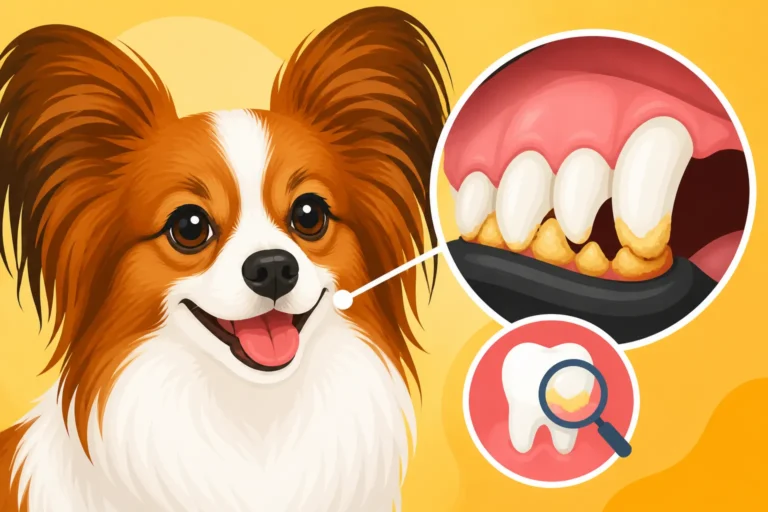
It might sound surprising, but dental health is one of the most overlooked yet critical factors impacting a Papillon's longevity. Due to their small jaws, Papillons are highly prone to dental disease, with tartar buildup, gingivitis, and periodontal disease being incredibly common. Left unchecked, bacteria from infected gums can enter the bloodstream and travel to vital organs like the heart, kidneys, and liver, causing serious systemic health problems and significantly shortening their life.
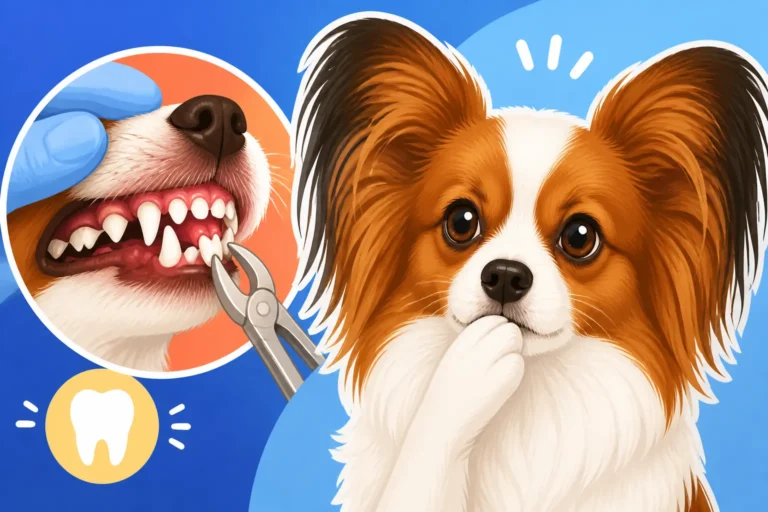
Regular home dental care, including daily tooth brushing, is the gold standard. It can feel like a chore with a wriggly tiny dog, but it makes a world of difference. Beyond home care, professional dental cleanings under anesthesia are often necessary. Many owners dread the cost and the idea of anesthesia, but it's a vital procedure. The frequency of these cleanings varies, but knowing How Often a Papillon Needs a Dental Cleaning is important. Your vet will assess their needs during annual check-ups. Addressing dental issues is one of the most impactful things you can do to contribute to their overall health and add years to their life.
Vaccination, Parasite Control, and Anesthesia Considerations
Preventative measures extend beyond just check-ups and dental care. Maintaining an appropriate vaccination schedule protects your Papillon from devastating infectious diseases that could drastically cut short their life. Discuss with your vet which vaccines are essential for your dog's lifestyle and geographic location. Similarly, consistent parasite control for fleas, ticks, and heartworms is crucial. These parasites can transmit serious diseases, and preventing them is far easier and safer than treating an established infection.
When it comes to necessary procedures like professional dental cleanings or surgery, anesthesia is often a concern, especially for small breeds. However, modern veterinary anesthesia is much safer than it once was. Your vet will conduct a thorough pre-anesthetic exam, often including bloodwork, to ensure your Papillon is a good candidate. For a tiny dog like a Papillon, close monitoring during anesthesia, including temperature regulation and intravenous fluids, is standard practice. Don't let fear of anesthesia prevent necessary care; discuss your concerns openly with your vet. They understand the worry, especially when dealing with Anesthesia and a Five Pound Papillon, and will take every precaution.
Navigating Common Health Challenges in Papillons
Even with the best preventative care and responsible breeding, health challenges can arise. Knowing what to look for and how to manage these conditions is key to mitigating their impact on your Papillon's lifespan and quality of life. Early intervention often makes a world of difference.
Patellar Luxation and Its Long-Term Effects
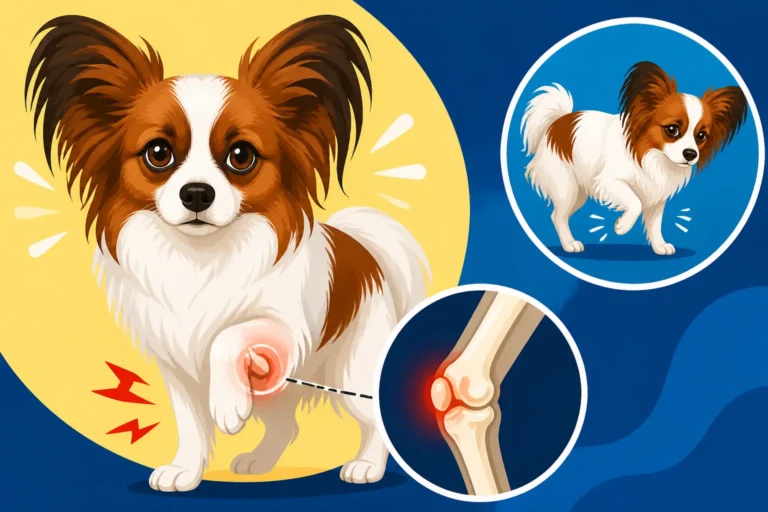
As we touched on earlier, patellar luxation is a common orthopedic issue in Papillons. It's when the kneecap (patella) dislocates from its groove in the femur. The severity can range from mild (Grade 1), where it slips occasionally, to severe (Grade 4), where it's permanently dislocated. You might notice your Papillon skipping a step, holding a leg up, or having difficulty jumping. The long-term effects can include pain, lameness, and the development of debilitating arthritis in the affected joint.
Managing patellar luxation often depends on its severity. Mild cases might be managed with pain relief, anti-inflammatory medications, weight management, and joint supplements. However, more severe cases, particularly Grade 2 or higher, may require surgery to correct the alignment of the kneecap. While surgery can seem daunting, it can significantly improve a dog's comfort and mobility, preventing further joint damage and allowing them to live a much fuller, pain-free life. A good pet insurance policy, like one from Healthy Paws, can be incredibly helpful for covering the costs associated with diagnosis and treatment, including potential surgery and physical therapy. Thinking about What Patellar Luxation Does to a Papillon is important for understanding the scope of the problem.
Eye Conditions Like PRA and Cataracts
Eye health is another important area for Papillons. Progressive Retinal Atrophy (PRA1) is a hereditary condition that can lead to blindness. Owners might first notice their dog having difficulty seeing in dim light or at night, as the rods in the retina degenerate first. While there's no cure for PRA, understanding the progression and providing a safe, consistent environment can help a blind Papillon navigate their world effectively. Genetic testing, such as The DNA Test for Papillon Retinal Atrophy, is available to identify carriers and affected dogs, allowing breeders to make informed decisions.
Cataracts can also affect Papillons, sometimes appearing as they age. A cataract is a clouding of the lens of the eye, which can impair vision. While some cataracts are small and don't significantly affect vision, others can progress to cause complete blindness. Unlike PRA, cataracts can often be surgically removed, restoring vision. Regular eye exams by a veterinary ophthalmologist can detect these conditions early, allowing for timely intervention and preservation of sight, contributing significantly to a Papillon's quality of life.
Less Common but Serious Concerns
While patellar luxation and PRA are the most prevalent hereditary concerns, Papillons can also be susceptible to other, less common, but serious health issues. These might include conditions like portosystemic shunts (liver shunts), which affect how blood flows through the liver, or Von Willebrand's Disease, a bleeding disorder. Though rare, it's wise to be aware of the possibility.
Another condition sometimes seen, especially in very young puppies, is hypoglycemia (low blood sugar). Papillon puppies, particularly those on the smaller side, can be prone to this if they don't eat frequently enough. Knowing Whether a Papillon Gets Hypoglycemia as a Puppy and what to do if a puppy crashes is critical for their survival in those early weeks. Always consult your vet if you notice any unusual symptoms or have concerns about these or any other health issues, no matter how rare they might seem.
The Golden Years: Caring for Your Senior Papillon
The joy of a Papillon's long life means we eventually face the inevitable: their golden years. This phase requires a shift in our care approach, focusing on comfort, continued engagement, and adapting to their changing needs. It's a time for extra patience, observation, and unconditional love.
Recognizing the Signs of Aging
Just like humans, dogs show signs of aging gradually, and often subtly at first. For a Papillon, who might be considered senior around the age of 10 or 11, these changes can include a slowing down in their pace, more frequent naps, or a reduced desire for long walks. You might notice their coat becoming a bit coarser or developing gray hairs around the muzzle. Their hearing or eyesight may start to decline, making them more easily startled or confused in new environments.
Other signs might be changes in appetite or water consumption, increased stiffness after resting, or less enthusiasm for playing their favorite games. Some senior Papillons might also experience changes in their house-training habits or show signs of cognitive dysfunction, such as disorientation or altered sleep-wake cycles. Observing these shifts, no matter how minor, is your cue to adapt their care. This period in their life is a delicate balance of maintaining their routine while also making necessary adjustments. A pet insurance plan from Healthy Paws can often provide a financial safety net for the increased vet visits and potential medication costs that come with age.
Adjusting Their Routine and Environment
Once you start recognizing the signs of aging, adapting your Papillon's routine and home environment becomes paramount. While they still need mental and physical activity, the intensity and duration might need to be reduced. Shorter, more frequent walks might be better than one long one, and gentler play sessions can still keep them engaged. Puzzle toys remain excellent for mental stimulation, perhaps with an easier difficulty setting.
At home, consider adding ramps or steps to help them access their favorite spots, like the sofa or bed, to protect their aging joints. Ensure they have comfortable, orthopedic beds to support their bodies. Non-slip rugs on hardwood or tile floors can prevent slips and falls. If their vision or hearing is declining, try to keep furniture in consistent locations and approach them gently from the front to avoid startling them. Setting Up a House That Protects a Papillon's Knees is always a good idea, but becomes even more critical in their senior years. Consistency and predictability in their daily schedule can also reduce anxiety in an aging dog.
Maintaining Comfort and Dignity
Caring for a senior Papillon is ultimately about maintaining their comfort and dignity for as long as possible. This means close attention to pain management, as conditions like arthritis can become more prevalent and impactful with age. Your vet can recommend pain medications, joint supplements, or even alternative therapies to keep them comfortable. Regular grooming sessions become important not just for aesthetics, but to check for lumps, bumps, or skin issues that might be hidden by their long coat.
Ensuring they have easy access to food, water, and potty spots is crucial, especially if mobility is limited. Many senior dogs benefit from more frequent, shorter potty breaks. Most importantly, continue to provide them with ample love, affection, and gentle interaction. Their need for companionship doesn't diminish with age, and spending quality time with them reinforces their sense of security and belonging. This guide on Caring for a Papillon Past Eleven can offer further insights into this special time. Every day with a senior Papillon is a precious gift, and making sure those days are filled with love and comfort is the most important thing we can do.
Here's a table summarizing key aspects of senior Papillon care:
| Aspect of Care | Young Adult (1-9 years) | Senior (10+ years) | Key Changes/Considerations for Seniors |
|---|---|---|---|
| Exercise | Regular, vigorous walks & play, agility, etc. | Shorter, more frequent walks; gentle play; mental games. | Reduce intensity, avoid high-impact activities, protect joints. |
| Nutrition | High-quality adult kibble, balanced protein/fat. | Senior-specific food, focus on joint support, lower calories. | Monitor weight, easier-to-chew food, supplements. |
| Vet Visits | Annual check-ups, vaccinations, dental assessments. | Biannual check-ups, bloodwork, more frequent dental checks. | Early detection of age-related diseases is critical. |
| Dental Care | Daily brushing, professional cleanings as needed. | Daily brushing, more frequent professional cleanings. | Dental disease can significantly impact systemic health. |
| Home Environment | Safe, stimulating, access to all areas. | Ramps/steps, non-slip surfaces, orthopedic beds, consistent layout. | Prevent falls, support aching joints, easy access. |
| Mental Stimulation | Learning new tricks, advanced training, puzzle toys. | Gentle puzzle toys, familiar commands, sniffing games. | Keep mind active, adapt to potential sensory decline. |
| Observation | General health, energy levels, behavior. | Subtle changes in appetite, mobility, cognition, elimination. | Look for early signs of pain, discomfort, or confusion. |
Environmental and Lifestyle Factors
Beyond genetics and direct medical care, the environment in which your Papillon lives and the lifestyle choices you make for them profoundly influence their health and longevity. These are the day-to-day elements that contribute to their overall safety, happiness, and stress levels.
The Impact of Safety and Supervision
Papillons are small, and unfortunately, this makes them vulnerable to accidental injury. A fall from a sofa, being stepped on, or encountering a larger, rambunctious dog can all lead to serious harm, significantly shortening their life or impacting their quality of life. Constant supervision, especially in busy environments or around young children and other pets, is absolutely essential.
Think about your home from a Papillon's perspective: are there high places they can jump from? Are stairs easily accessible and safe? When outdoors, a secure, fenced yard is paramount to prevent them from running off or encountering hazards. On walks, a harness is generally recommended over a collar to protect their delicate trachea. These small but crucial safety measures prevent accidents that could have devastating consequences. Keeping them safe from harm's way is a foundational aspect of ensuring they live out their full potential lifespan.
Stress, Socialization, and Emotional Well-being
It's easy to overlook the emotional health of our dogs, but stress, fear, and anxiety can have a real impact on their physical health over time, potentially affecting their immune system and overall resilience. A well-socialized Papillon, accustomed to various sights, sounds, people, and other friendly dogs, tends to be more confident and less prone to stress. This doesn't mean forcing them into situations they dislike, but rather providing positive, controlled exposures from a young age.
Papillons are incredibly devoted to their families and thrive on companionship. Prolonged periods of isolation or loneliness can lead to separation anxiety, which can manifest in destructive behaviors or excessive barking. Ensuring they get enough quality time with their humans, and providing enrichment when you're away (like safe chew toys or a comfortable crate), contributes to their emotional well-being. A happy, emotionally secure Papillon is better equipped to handle life's challenges and maintain robust health.
Weight Management and Injury Prevention
Maintaining a healthy weight is critical for Papillons, particularly given their predisposition to patellar luxation. Even a few extra ounces can place undue strain on their small joints, exacerbating any existing orthopedic issues and increasing the risk of developing arthritis. Your vet will assess their body condition during check-ups, but you should be able to feel their ribs easily without seeing them, and they should have a visible waist. Overfeeding, especially with treats, is a common culprit.
Beyond weight, proactive injury prevention is key. As mentioned before, Whether a Papillon Should Be Stopped From Jumping Off Furniture is a serious consideration. Repeated impacts from jumping off high surfaces can contribute to joint problems over time. Providing ramps or steps to furniture is a simple way to protect their knees and spine. Regularly trimming their nails is also vital; overgrown nails can alter their gait, leading to discomfort and strain on their joints. These seemingly minor details all add up to a protective environment that helps your Papillon avoid injury and live a comfortable, healthy life for as long as possible.
Common Questions and Misconceptions About Papillon Longevity
When you're deeply invested in your dog's well-being, it's natural to have questions and encounter various tidbits of information, some of which might not be entirely accurate. Let's clear up a few common points about Papillon longevity.
Do Smaller Papillons Really Live Longer?
This is a frequently asked question, and it's a bit nuanced. Generally, within a breed, extremely tiny individuals (often referred to as "teacup" or "micro" versions) can actually have more health problems and potentially shorter lifespans. This is because these very small dogs are often prone to issues like fragile bones, organ problems, and severe hypoglycemia as puppies. Their extreme smallness can be a sign of underlying health issues rather than robust genetics.
However, if we're talking about a healthy Papillon that falls within the breed standard's acceptable weight range (typically 5 to 10 pounds), there isn't a strong correlation indicating that a 5-pound Papillon will definitively outlive a 9-pound Papillon, assuming both are healthy and well-cared for. What matters most is overall health, genetic soundness, and proper care, rather than aiming for the absolute smallest possible size. Focus on robust health, not micro-size.
The Role of Mixed Breeds Versus Purebreds
Another common discussion revolves around whether mixed-breed dogs are inherently healthier and live longer than purebreds. The argument often made is that mixed breeds benefit from "hybrid vigor," or a wider genetic pool that reduces the risk of inherited diseases common in specific purebred lines. There can be some truth to this, as extreme inbreeding in some purebred lines has led to an accumulation of genetic health problems.
However, a responsibly bred purebred Papillon from health-tested parents can be just as healthy, if not healthier, than a mixed breed whose genetic history is unknown. A mixed breed can inherit any of the genetic health problems from any of the breeds in its ancestry. For example, a Papillon mix could still be prone to patellar luxation if one of its parents carried that predisposition. The key differentiator is not purebred versus mixed, but rather responsible breeding practices and health testing versus unknown or irresponsible breeding. A well-bred Papillon has a predictable health profile that diligent owners can plan for and mitigate.
How Modern Care Has Changed Lifespan
Looking back even a few decades, the average lifespan of dogs, including Papillons, was generally shorter. What has changed? Modern veterinary medicine is the biggest game-changer. Advances in diagnostics (like blood tests, X-rays, and ultrasounds), preventative care (vaccines, parasite control), surgical techniques, and treatments for chronic conditions have dramatically improved the outlook for our canine companions. We now have medications and therapies to manage conditions like heart disease, kidney disease, and arthritis that simply didn't exist before.
Beyond vet care, our understanding of canine nutrition has evolved significantly, leading to higher quality dog foods tailored to specific life stages and needs. The emphasis on responsible breeding and genetic testing has also played a role in reducing the prevalence of certain inherited diseases. Lastly, our cultural shift towards viewing pets as integral family members means owners are often more committed to providing comprehensive care and are willing to invest more in their dogs' health. All these factors combined have allowed Papillons to truly realize their potential for a long and vibrant life.
Disclaimer
Please remember that the information provided in this article is for general educational and informational purposes only, and does not constitute veterinary advice. Always consult with a qualified veterinarian for any health concerns or before making any decisions related to your Papillon's health and well-being. Individual dogs may have unique needs and conditions.