Whether a Papillon Gets Hypoglycemia as a Puppy
Bringing home a tiny Papillon puppy is an absolute joy, but it also comes with a unique set of worries, and one of the most common and frightening for owners of small breeds is the dreaded "sugar crash." These little bundles of fluff can be prone to low blood sugar, or hypoglycemia, which can escalate quickly from mild wobbliness to a full-blown emergency. This comprehensive guide will walk you through exactly why Papillon puppies are susceptible, how to recognize the signs, and most importantly, what you can do to prevent and address this serious condition.
Understanding Hypoglycemia in Tiny Puppies
When you look at a Papillon puppy, you’re seeing a miniature marvel, but that small stature comes with some very real physiological challenges. Their tiny bodies work incredibly hard to grow and stay warm, and they don’t have the same energy reserves as larger breed puppies. This makes them particularly vulnerable to issues like low blood sugar.
What Exactly is Hypoglycemia?
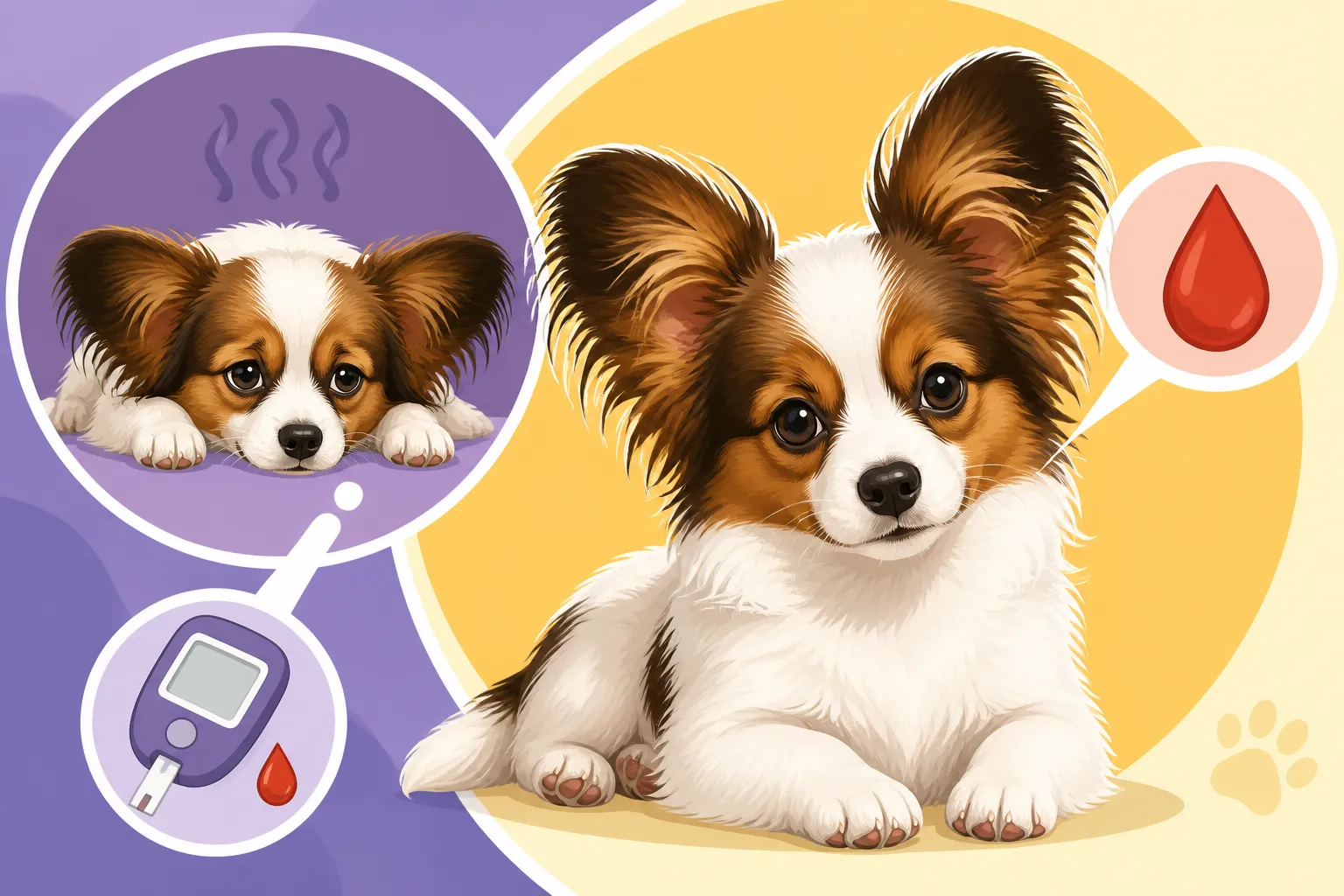
Hypoglycemia, in simple terms, is when the glucose level in your puppy's blood drops too low. Glucose is essentially the fuel that powers every cell in the body, especially the brain and muscles. When there isn't enough glucose circulating, these vital systems start to malfunction. For a growing puppy, particularly one as small as a Papillon, a consistent supply of glucose is absolutely critical for proper development, maintaining body temperature, and just having the energy to play and explore. Without it, their little systems can quickly go into overdrive trying to compensate, leading to a cascade of problems.
This isn't just about feeling a bit weak; it’s a critical imbalance that can quickly become life-threatening. The brain, in particular, relies almost entirely on glucose for energy, and when deprived, neurological symptoms like disorientation, muscle tremors, and even seizures can occur. It’s a terrifying experience for any owner, watching their vibrant puppy suddenly become unresponsive or start shaking uncontrollably.
Why Papillon Puppies Are Especially Vulnerable
Papillon puppies, with their delicate frames and high metabolisms, are classic candidates for hypoglycemia. Think about it: they’re born tiny, and they’re growing at an exponential rate. Their little bodies are constantly burning calories to fuel this growth, maintain a stable body temperature, and process everything they eat. Unlike larger breeds that have more body mass and a slower metabolic rate, a Papillon puppy has very little fat reserve to draw upon if they miss a meal or expend too much energy.
Their liver, which plays a crucial role in glucose regulation by storing and releasing glycogen (a form of glucose), is still developing and not as efficient as an adult dog's. This means they have a limited "backup" system for when blood sugar levels dip. Add to this their naturally playful and energetic demeanor—they just love to run and explore—and you have a recipe for rapid glucose depletion if not managed carefully. Factors like stress from a new home, travel, or even minor illnesses can exacerbate this vulnerability, making their blood sugar even harder to keep stable. This is a topic often discussed by responsible breeders, who will emphasize how important it is to keep a close eye on these little guys.
Recognizing the Signs of Hypoglycemia in Your Papillon
Catching hypoglycemia early is absolutely vital for a positive outcome. Papillon puppies are masters of hiding discomfort, so you need to be observant and know exactly what to look for. Don't wait until things look dire; early intervention can make all the difference.
Early, Subtle Indicators
Often, the first signs of hypoglycemia are subtle and can easily be dismissed as a puppy just being tired or adjusting to its new surroundings. You might notice your energetic little Papillon is a bit more subdued than usual, perhaps less interested in playing or their food. They might seem a little wobbly on their feet, almost as if they've had too much fun, or they could appear disoriented, looking around as if they don't quite know where they are. Some puppies will shiver or tremble, which owners might mistake for being cold, but it's actually their body trying to generate heat and use up residual glucose.
Another common early sign is a sudden dip in energy after a period of intense play or excitement. They might just flop down and seem unusually lethargic. You might think, "Oh, they just wore themselves out," but for a small Papillon puppy, this could be the first warning sign that their glucose stores are running low. Keeping an eye on behaviors like "Signs a Papillon Puppy Is Not Thriving" can also help you recognize overall health concerns that might predispose them to hypoglycemia. It’s about being attuned to their normal puppy exuberance and noticing when it’s just not quite right.
Progressive and Severe Symptoms
If the early, subtle signs are missed or left unaddressed, the situation can quickly worsen, leading to much more alarming symptoms. As blood sugar levels continue to plummet, the puppy's brain and nervous system become severely compromised. You might see more pronounced muscle weakness, leading to a complete inability to stand or walk. They may start to stagger, stumble, or even collapse outright. Their gums might appear pale, and their breathing could become shallow or labored.
Perhaps the most terrifying signs are neurological: your puppy might start having tremors, twitching, or full-blown seizures. They could become unresponsive, enter a comatose state, or their eyes might roll back. At this point, it's not just a warning; it's an emergency. Immediate action is critical. If you observe any of these severe symptoms, time is of the essence. You need to know "What to Do When a Papillon Puppy Crashes" and act quickly and decisively. Don't hesitate to seek veterinary care, as every minute counts when a puppy is in such a critical state.
Immediate Steps to Take for a Hypoglycemic Papillon Puppy
Facing a hypoglycemic puppy can be incredibly scary, but knowing what to do immediately can literally save their life. Having a plan and the right supplies on hand is crucial, especially during those first few weeks with your tiny Papillon.
The "Sweet Fix" – First Aid at Home
If you suspect your Papillon puppy is experiencing low blood sugar, the first thing you need to do is provide a fast-acting sugar source. This is often referred to as the "sweet fix." Your go-to items should be readily available: Karo syrup (light corn syrup), honey, or a commercial glucose supplement like Nutri-Cal or Rebound. The goal is to get sugar into their system as quickly as possible.
Take a small amount—think a pea-sized dab or a fingertip's worth—and rub it directly onto their gums. It's important to never try to force them to swallow if they are weak or unresponsive, as they could aspirate the liquid into their lungs, leading to pneumonia. The sugar will be absorbed directly through the mucous membranes in their mouth. You should see improvement within 5-10 minutes. Their eyes might perk up, they might try to lift their head, or their shivering might subside. Even if they seem to recover quickly, offer a small meal of their regular puppy food immediately afterward to help stabilize their blood sugar further. Continue to monitor them closely for the next few hours, and if you’re still concerned, a call to your vet is always a good idea. Knowing "Signs a Papillon Puppy Has Low Blood Sugar" can help you identify this situation quickly.
When to Rush to the Vet
While the "sweet fix" can be a lifesaver in the moment, it's not a substitute for professional veterinary care, especially if the hypoglycemia is severe or recurring. If your Papillon puppy doesn't show significant improvement within 10-15 minutes of administering sugar, or if their condition worsens (e.g., they have a seizure, become completely unresponsive, or their gums are extremely pale or bluish), you need to get them to an emergency vet immediately. Don't delay. Call ahead if possible to let them know you're coming so they can be prepared.
Even if your puppy seems to bounce back, it's still a very good idea to contact your veterinarian. They may want to examine your puppy to rule out any underlying causes for the hypoglycemia, such as an infection, parasites, or a congenital issue. They can also provide IV fluids with dextrose to quickly stabilize blood sugar and offer further advice on preventing future episodes. This is also where having pet insurance like Healthy Paws can provide immense peace of mind. Knowing that you can get immediate, comprehensive care without worrying about the upfront cost can make a world of difference in a stressful situation. It’s better to be overly cautious when it comes to tiny puppies.
Preventing Hypoglycemia in Your Papillon Puppy
Prevention is always better than cure, especially with a condition as potentially serious as hypoglycemia. By being proactive and diligent, you can significantly reduce the risk of your Papillon puppy experiencing a "sugar crash." It’s all about creating a stable, predictable environment that supports their delicate physiology.
Consistent and Frequent Feeding Schedules
The cornerstone of preventing hypoglycemia in a Papillon puppy is a consistent and frequent feeding schedule. These little guys have fast metabolisms and tiny stomachs, so they can't go for long periods without food. Generally, Papillon puppies under four months of age should be fed three to four times a day. Some tiny puppies, or those experiencing stress, might even benefit from an overnight meal, a topic extensively covered in "Whether a Papillon Puppy Should Be Fed Overnight." The goal is to ensure a continuous supply of glucose to fuel their growth and activity.
Don't free-feed your puppy, as it's hard to monitor their actual intake. Instead, offer measured meals and observe them eating. If your puppy seems disinterested in food or skips a meal, investigate why. A picky eater can quickly become a hypoglycemic one. High-quality puppy kibble formulated for small breeds is ideal, as it's nutrient-dense and easier for their tiny mouths to manage. You might even consider moistening the kibble to make it more palatable and digestible. Also, remember that treats, while fun, shouldn't replace full meals and should be given in moderation. Regular "Weighing a Papillon Puppy Every Week" can also help you track their growth and ensure they are thriving, a good indicator of whether their feeding schedule is adequate.
Managing Stress and Environmental Factors
Beyond feeding, managing your Papillon puppy's environment and stress levels plays a crucial role in preventing hypoglycemia. Stress, whether from a new home, too much excitement, loud noises, or being separated from littermates, can cause a puppy to burn through their glucose reserves more rapidly. Think of it like an adrenaline rush that depletes their energy. Providing a calm, quiet, and consistent routine helps them feel secure and reduces this metabolic drain.
Temperature control is also vital. Small puppies, especially Papillons, can get cold very easily, and shivering to stay warm uses up a lot of energy. Ensure their sleeping area is warm and draft-free, perhaps with a soft blanket or a puppy-safe heating pad on a low setting. Excessive playtime can also be a culprit. While puppies need exercise, too much strenuous activity without adequate rest and food can quickly deplete their sugar. Short, frequent play sessions are better than one long, exhausting one. Teach children how to gently interact with the puppy and when to let them rest. Minimizing stress and ensuring a comfortable environment can significantly bolster your puppy's ability to maintain stable blood sugar.
Long-Term Management and Outlook
The good news is that most Papillon puppies outgrow their extreme vulnerability to hypoglycemia as they mature. As they develop, their liver becomes more efficient at regulating blood sugar, their energy reserves increase, and their metabolic rate stabilizes. However, thoughtful long-term management ensures they continue to thrive and grow into healthy, happy adults.
The Role of Nutrition and Health Checks
Continuing a high-quality, age-appropriate diet is paramount. As your Papillon puppy grows, you’ll gradually transition them to junior and then adult dog food. Always choose a reputable brand formulated for small breeds, as these diets are typically more calorie-dense and have appropriately sized kibble. Discuss any dietary concerns or the need for supplements with your veterinarian. They might recommend specific supplements if your puppy has any particular nutritional needs, though for most healthy pups, a balanced diet is sufficient.
Regular veterinary check-ups are also crucial. These visits allow your vet to monitor your Papillon's growth, identify any potential health issues early, and ensure they are on the right track. They can also offer guidance on their diet, weight, and general health. Most Papillons will "The Age a Papillon Outgrows Hypoglycemia" around 4 to 6 months of age, but your vet can confirm when your individual puppy has safely passed this vulnerable stage. Don't underestimate the power of these routine appointments to catch problems before they become severe.
Supporting Your Papillon Puppy's Growth
Beyond managing food and vet visits, creating a supportive and safe environment continues to be important as your Papillon puppy develops. Even as they grow, their small size means they are still prone to injuries from falls or rough play with larger dogs. Provide ramps or steps for furniture to protect their delicate joints. Ensure they have a secure, comfortable space where they can retreat and rest without interruption. Mental stimulation is also key for these intelligent dogs, so incorporating puzzle toys and short training sessions into their day will keep them happy and engaged.
As they mature and outgrow the immediate risk of hypoglycemia, you can breathe a little easier, but the principles of good care remain. Consistent routines, appropriate exercise, and continued monitoring of their eating habits and energy levels will ensure a long and healthy life. For many Papillon owners, investing in pet insurance from a reliable provider like Healthy Paws becomes a standard part of responsible pet ownership. It offers a financial safety net for unexpected illnesses or accidents throughout their long lifespan, letting you focus on their health without added stress. By being vigilant in their early months and maintaining excellent care throughout their lives, your precious Papillon will flourish.
| Symptom Severity | Common Signs of Hypoglycemia | Immediate Action Steps |
|---|---|---|
| Early/Mild | Lethargy, unusual quietness | Rub small amount of Karo syrup/honey on gums. |
| Shivering, trembling | Offer small, palatable meal. | |
| Wobbly gait, mild disorientation | Keep warm and quiet. | |
| Moderate | Staggering, difficulty standing | Rub small amount of Karo syrup/honey on gums. |
| Excessive drooling | Offer small, palatable meal. | |
| Pale gums, glassy eyes | Monitor closely for 15 minutes. | |
| Severe | Collapse, unresponsiveness | Rub small amount of Karo syrup/honey on gums (do NOT force feed). |
| Seizures, twitching | Seek immediate emergency veterinary care. | |
| Coma-like state | Keep puppy warm on way to vet. |
Disclaimer
The information provided in this guide is intended for general knowledge and informational purposes only, and does not constitute veterinary advice. Always consult with a qualified veterinarian for any health concerns or before making any decisions related to your pet's medical care.