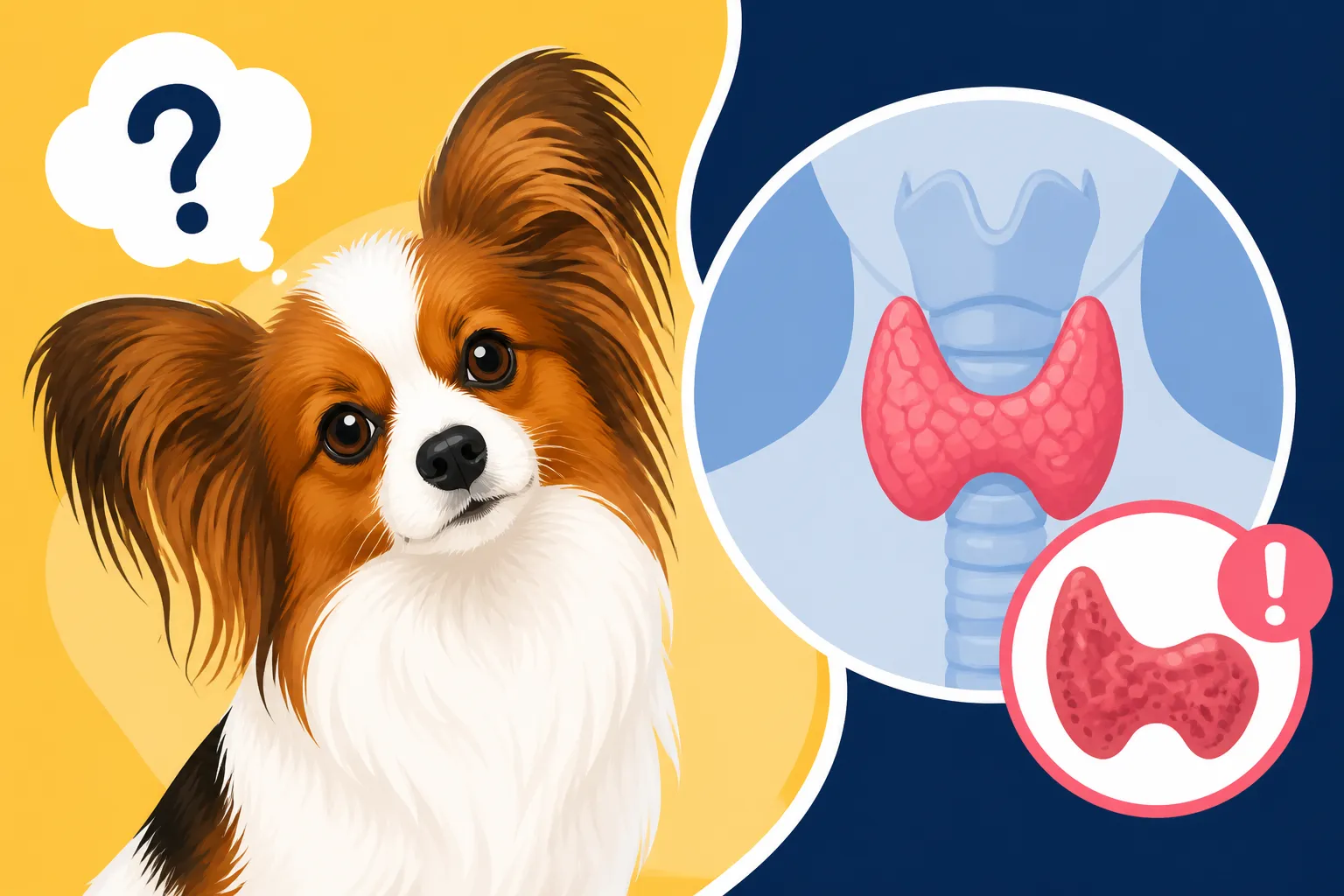
Whether a Papillon Gets Hypothyroidism
It's a scary moment when your beloved Papillon, usually a whirlwind of energy and charm, starts to seem…off. Maybe they're gaining weight despite no extra treats, or their once-glorious ear fringe is looking a bit sparse. It's natural to worry and wonder if something serious is going on, and for many dog owners, thyroid issues might pop into their minds. This comprehensive guide will delve into whether Papillons can indeed get hypothyroidism, what signs to look for, and how this condition is typically managed.
Understanding Hypothyroidism in Dogs
When we talk about hypothyroidism, we're talking about a condition that affects a dog's metabolism, their energy levels, and even the health of their skin and coat. It’s not something to be taken lightly, but it is manageable.
What Exactly Is Hypothyroidism?
At its simplest, hypothyroidism means an underactive thyroid gland. Your dog has a thyroid gland located in their neck, and its job is to produce hormones, primarily thyroxine (T4) and triiodothyronine (T3). These hormones are like the conductors of an orchestra, regulating nearly every metabolic process in their body. They control how fast your dog burns calories, how quickly their cells regenerate, and even their body temperature.
When the thyroid gland doesn't produce enough of these essential hormones, everything slows down. It's like the orchestra conductor has suddenly gone on a very long, unscheduled vacation, and all the musicians are playing at half-speed, or sometimes not at all. This slowdown in metabolic function leads to a cascade of symptoms that can affect almost any part of your dog's system. It’s important to understand that while a lot of attention is often given to visible symptoms, the internal effects on organ function and overall well-being are just as significant.
Common Causes of Hypothyroidism in Dogs
For most dogs diagnosed with hypothyroidism, the cause falls into one of two main categories, both considered "primary hypothyroidism" because the problem lies directly with the thyroid gland itself.
The most common culprit is lymphocytic thyroiditis. This is an autoimmune disease, meaning your dog's own immune system mistakenly identifies the thyroid gland as a foreign invader and starts to attack and destroy its cells. It’s a bit like an internal civil war where the body's defenses turn on a vital organ. This process can take months or even years, slowly eroding the gland's ability to function until hormone levels drop critically low. Because it's an immune-mediated condition, it often has a genetic component, which is why certain breeds are more predisposed.
The second primary cause is idiopathic thyroid atrophy. This simply means the thyroid gland shrinks over time for no apparent reason that we can identify. It's a spontaneous degeneration of the gland, where the hormone-producing tissue is gradually replaced by non-functional fatty tissue. While the exact trigger for idiopathic atrophy isn't fully understood, it results in the same outcome: insufficient thyroid hormone production.
Secondary hypothyroidism, where the pituitary gland in the brain doesn't produce enough thyroid-stimulating hormone (TSH), is much rarer in dogs. TSH is what tells the thyroid gland to get to work, so if TSH isn't being produced, the thyroid doesn't get the message to release its hormones. But again, this is far less common than the issues directly within the thyroid gland itself. Knowing the root cause helps veterinarians tailor a diagnostic approach, though treatment often remains similar regardless of the specific primary cause.
Is Hypothyroidism Common in Papillons?
It's a valid question for any Papillon owner: how likely is my little butterfly dog to face this condition? While any dog can potentially develop hypothyroidism, the breed's genetic makeup plays a significant role in its prevalence.
Breed Predisposition and Papillons
When we look at breeds known for a higher incidence of hypothyroidism, names like Golden Retrievers, Doberman Pinschers, Boxers, English Setters, and Airedale Terriers often come up. These larger breeds tend to have a genetic predisposition, making them more susceptible to the autoimmune form of the disease (lymphocytic thyroiditis). For Papillons, however, the good news is that they are generally not listed among the breeds at high risk for developing hypothyroidism.
Papillons are often celebrated for their robust health and impressive lifespans, frequently living into their mid-teens, and sometimes even longer, as explored in articles like How Long a Papillon Lives. While they have their own specific health considerations, such as a predisposition to Patellar Luxation Is the Papillon Problem You Will Actually Meet or certain eye conditions like Progressive Retinal Atrophy, hypothyroidism isn't typically at the top of a Papillon owner's worry list. This doesn't mean it's impossible for a Papillon to develop the condition, but statistically, it's far less common than in some of the larger breeds mentioned. A well-bred Papillon from a reputable breeder who performs thorough health screenings often has a lower risk for many hereditary conditions.
Why Small Breeds Might Seem Less Affected
There isn't a single, universally accepted reason why small breeds, including Papillons, appear to have a lower incidence of hypothyroidism compared to their larger counterparts. However, several factors might contribute to this observation.
Firstly, the genetic pools can vary significantly. Large breeds, often bred for specific working traits or appearances that led to popularization, sometimes have narrower genetic bases where certain recessive genes, like those linked to autoimmune disorders, might become more concentrated. While Papillons also have a long history and specific breed standards, their genetic predisposition tends to lean towards other issues common in toy breeds, such as dental problems discussed in The Teeth in a Papillon's Small Jaw, rather than widespread metabolic disorders like hypothyroidism.
Secondly, the sheer metabolic rate difference between a small dog and a large dog could play a subtle role. Smaller dogs generally have faster metabolisms, which might theoretically offer some protective advantages or simply manifest symptoms differently if a thyroid issue were to arise. It's also possible that symptoms in larger breeds are more readily identified or considered more impactful due to their size and activity levels. For example, a slight decrease in energy might be more noticeable in a highly active Golden Retriever than in a typically less overtly energetic small lap dog.
Lastly, general health data collection might be influenced by factors like lifespan and common reasons for veterinary visits. With Papillons living to such a ripe old age, as touched upon in Caring for a Papillon Past Eleven, their overall health profile might naturally skew away from conditions that typically manifest earlier in life or are more debilitating. While hypothyroidism can affect dogs of any age, it often becomes apparent in middle-aged dogs, and if a breed is generally very healthy otherwise, this particular condition might simply be less prominent in their overall health statistics.
Recognizing the Signs of Hypothyroidism in Your Papillon
Even though Papillons aren't typically predisposed to hypothyroidism, it's vital for any responsible owner to be aware of the signs. Recognizing these symptoms early can lead to a quicker diagnosis and treatment, ensuring your Papillon maintains their vibrant quality of life.
Subtle Behavioral and Energy Changes
One of the first things you might notice, and often the hardest to pinpoint, are subtle shifts in your Papillon's behavior and energy levels. These aren't always dramatic, especially in a breed known for its bursts of energy followed by periods of cuddly relaxation. However, a consistent pattern of change should catch your attention.
Your Papillon might become noticeably more lethargic or less enthusiastic about their favorite activities. That morning zoomies session might be shorter, or they might prefer to nap in their bed instead of following you from room to room. They might seem generally "dull" or less mentally alert, taking longer to respond to commands or simply staring off into space more frequently. This isn't laziness; it's a genuine drop in their metabolic engine, making them feel tired and less motivated.
Another common, and often frustrating, symptom is weight gain despite no change in diet or exercise. You're feeding them the same amount of high-quality food, and they're still getting their walks and playtime, but the pounds are slowly creeping on. This is because their metabolism has slowed down, meaning they're not burning calories as efficiently. You might also notice them seeking out warm spots more often, curling up in blankets or near heaters, indicating cold intolerance. This is due to their body's reduced ability to regulate its own temperature. These subtle shifts can be easy to dismiss as just "getting older" or "being lazy," but when combined with other symptoms, they paint a clearer picture.
Physical Symptoms to Watch For
Beyond behavioral changes, hypothyroidism often manifests with a range of physical symptoms, particularly affecting the skin and coat. Given a Papillon's distinctive long, silky coat and elegant ear fringes, these changes can be quite noticeable.
One of the hallmark signs is hair loss, or alopecia. This often occurs in a symmetrical pattern, meaning it affects both sides of the body equally, but often spares the head and limbs initially. You might first notice thinning hair on their body, flanks, or the top of their tail. In some cases, the tail might start to look like a "rat tail" – very thin and lacking its usual glorious plume. The beautiful ear fringe, which gives the Papillon its name and is a defining feature, might also become sparse or brittle. The quality of their existing coat can also deteriorate, becoming dry, dull, and brittle to the touch. It might shed excessively, or conversely, stop growing normally.
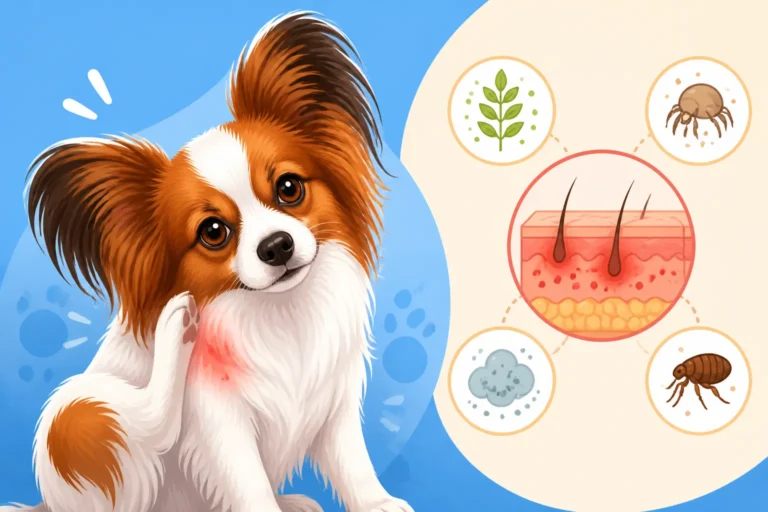
Along with hair changes, you might see various skin issues. The skin can become dry, flaky, or even excessively oily. Some dogs develop recurrent skin infections (pyoderma) or ear infections because their immune system is compromised, and their skin health is poor. Their skin might even thicken, especially on the face, giving them a tragic, puffy appearance. Other less common but possible physical signs include a slowed heart rate, weakness, and even reproductive issues. If you notice any of these symptoms, especially if your Papillon is feeling more sluggish or gaining weight, it’s definitely time for a vet visit. Early detection can make a huge difference, and having pet insurance like Healthy Paws can certainly help manage the costs of diagnostics and ongoing treatment.
Here's a quick reference table for common signs:
| Symptom Category | Specific Signs in Papillons |
|---|---|
| Energy & Behavior | Lethargy, reduced activity, increased napping |
| Mental dullness, slower responses | |
| Seeking warmth, cold intolerance | |
| Weight & Metabolism | Unexplained weight gain despite normal diet/exercise |
| Skin & Coat | Symmetrical hair loss (flanks, tail, ear fringe) |
| Dry, dull, brittle coat; excessive shedding | |
| Dry, flaky, or oily skin; recurrent skin/ear infections | |
| "Rat tail" appearance (thin tail plume) | |
| Other | Slow heart rate (bradycardia), weakness |
Diagnosis and Treatment for Hypothyroidism in Papillons
If you suspect your Papillon might be showing signs of hypothyroidism, the next step is a visit to your veterinarian. Accurate diagnosis is key, and fortunately, once diagnosed, the condition is usually very manageable.
How Vets Diagnose Hypothyroidism
The diagnostic process begins with a thorough physical examination and a detailed discussion of your Papillon's symptoms and medical history. Your vet will look for the classic signs we've discussed, such as changes in coat, skin condition, weight, and general demeanor.
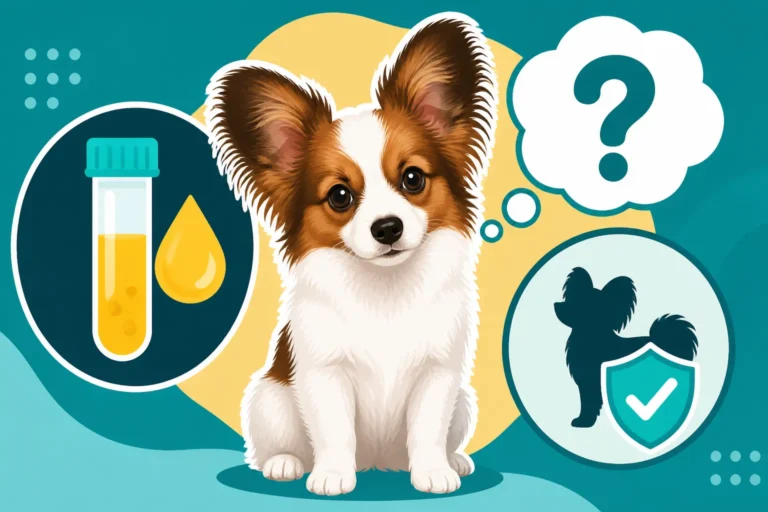
The definitive diagnosis, however, comes from blood tests. Your veterinarian will typically recommend a thyroid panel, which measures several different hormones to get a comprehensive picture. The most common tests include:
- Total T4 (TT4): This measures the total amount of thyroxine in the bloodstream. A low TT4 level is often the first indicator. However, TT4 can be influenced by many non-thyroidal illnesses (like infections or other chronic diseases) and certain medications (such as steroids or anti-seizure drugs), leading to a false low reading. This is why it's crucial not to rely on TT4 alone.
- Free T4 (FT4): This measures the amount of unbound, biologically active thyroxine. Since it's less affected by non-thyroidal factors, it's often a more accurate indicator of true thyroid function, especially when combined with other tests.
- Canine TSH (cTSH): This measures the level of thyroid-stimulating hormone produced by the pituitary gland. In primary hypothyroidism, the pituitary gland tries to compensate for the underactive thyroid by releasing more TSH, so a high cTSH level, coupled with low T4/FT4, is a strong indicator of hypothyroidism.
Sometimes, additional tests like autoantibody checks (TgAA, T3AA, T4AA) are performed to look for the presence of autoantibodies, which would point to lymphocytic thyroiditis as the cause. It’s important for your vet to interpret these results carefully, considering your dog's clinical signs and ruling out other conditions that might mimic hypothyroidism or affect thyroid hormone levels. This careful diagnostic approach helps ensure that a correct diagnosis is made before embarking on lifelong treatment.
Managing Hypothyroidism Long-Term
The good news is that hypothyroidism is one of the most straightforward and satisfying conditions to treat in veterinary medicine. Once properly diagnosed, treatment is typically very effective, and most dogs experience a dramatic improvement in symptoms.
The primary treatment involves lifelong oral supplementation with synthetic thyroid hormone, specifically levothyroxine (often prescribed as Soloxine, Thyro-Tabs, or generic levothyroxine). This medication works by replacing the hormones your Papillon's thyroid gland isn't producing. It's usually given once or twice daily, and consistency is key. Missing doses can lead to fluctuations in hormone levels and a return of symptoms.
After starting medication, your vet will schedule follow-up blood tests, usually within 4-8 weeks, to check your Papillon's thyroid hormone levels and ensure the dosage is correct. This is called a recheck thyroid panel. Once a stable dosage is found, monitoring typically continues every 6-12 months. This regular monitoring is essential because a dog's needs can change over time, and dosages may need adjustment. For many owners, especially those new to a lifelong medication regimen, understanding that this is an ongoing cost is important. This is where a robust pet insurance plan like Healthy Paws can be incredibly beneficial, helping to cover the recurring expenses of medication and routine blood work.
The prognosis for Papillons with hypothyroidism is generally excellent. With consistent medication, most dogs return to their normal selves within a few weeks, regaining their energy, shedding less, and seeing their coat quality improve. Their personality often bounces back, and they stop being quite so "dull." It's truly rewarding to see such a positive transformation, turning a once sluggish and unwell pup back into the energetic, bright-eyed Papillon you know and love. While the condition requires ongoing management, it rarely impacts their quality of life or their expected long lifespan, a topic covered more broadly in How Long a Papillon Lives on Average.
Disclaimer
This article is for general informational purposes only and does not constitute professional advice. Laws, prices and regulations vary by location and change over time. Consult a qualified professional for guidance on your specific situation.