How Many Years Before a Papillon’s Daylight Vision Goes
It's incredibly distressing to watch your beloved Papillon, full of zest and personality, begin to struggle with their vision. That fear of them losing their sight completely, especially their ability to see during the day, is a heavy burden to carry. This guide aims to shed some light on the progressive nature of PRA1 in Papillons, focusing specifically on how and when their daylight vision might be affected, offering a clearer picture for worried owners.
The Nuances of Papillon PRA1 Progression
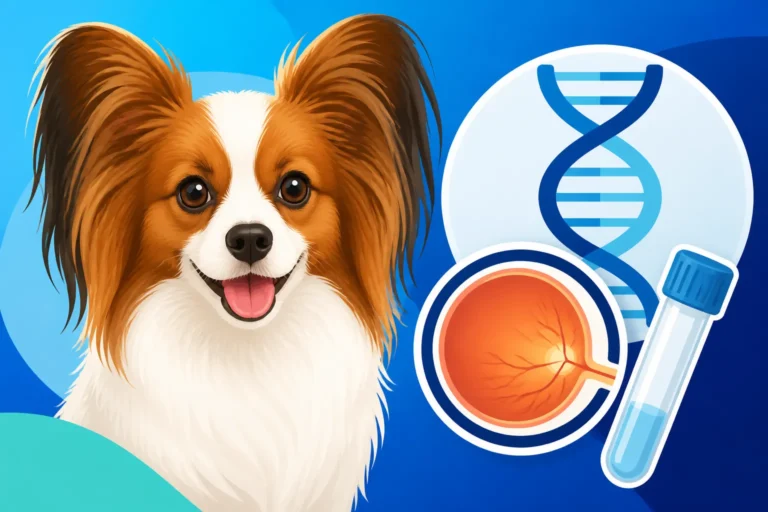
Progressive Retinal Atrophy Type 1 (PRA1) in Papillons is a cruel genetic condition that gradually robs them of their sight. It's not a sudden event, but a slow, heartbreaking decline that starts subtly and progresses over time. Understanding the specific mechanism helps in managing expectations and providing the best support.
The Initial Impact on Night Vision
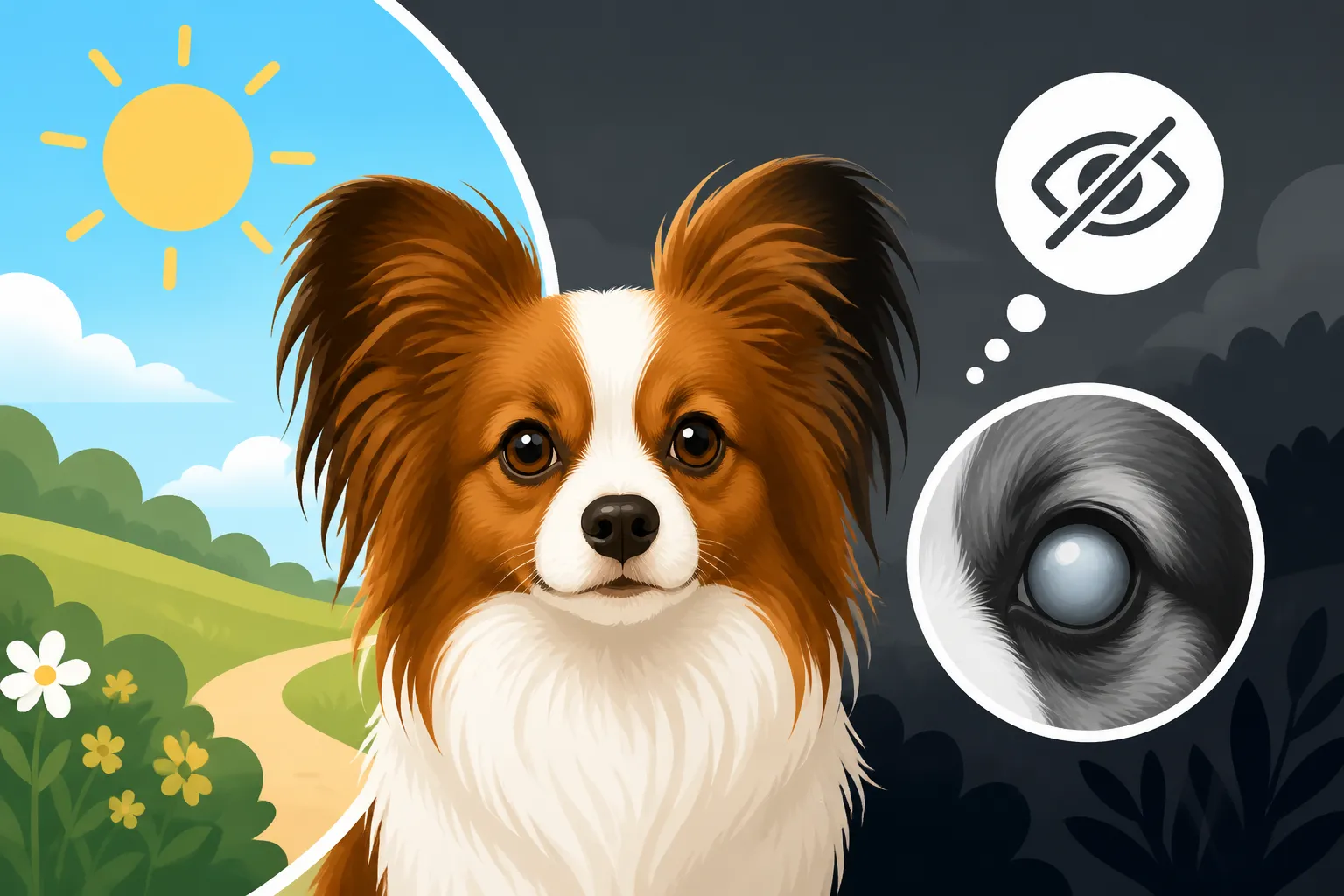
When we talk about PRA1 in Papillons, the journey almost always begins with the loss of night vision. This is because the rod photoreceptor cells in the retina, which are responsible for detecting light in dim conditions, are the first to degenerate. You might notice your Papillon becoming more hesitant in dimly lit rooms, bumping into furniture they usually navigate with ease after dusk, or being reluctant to go outside when it's dark. They might start relying more on their hearing and sense of smell to get around once the sun sets. This early stage can be particularly confusing for owners because their dog seems perfectly normal during the day. It's a common observation that a Papillon can go blind at night and still see in daylight, and this is precisely why. The cones, responsible for daytime vision, are still largely functional.
The Gradual Loss of Daylight Vision
Following the degeneration of the rods, the cone photoreceptor cells, which handle bright light and color discrimination, also begin to waste away. This is where the concern about daylight vision loss comes in. However, it’s crucial to understand that this isn't an overnight switch. It's a slow, insidious process. Imagine trying to see through a constantly darkening fog; that's closer to what your Papillon experiences. Initially, colors might seem less vibrant, then distinctions blur, and eventually, the world becomes a place of shadows and indistinguishable shapes. The progression means that even when daylight vision is affected, it often takes quite some time for it to be completely gone. Owners often report that their Papillon's world slowly shrinks, not suddenly vanishes.
The Timeline for Daylight Vision Loss
One of the most agonizing questions for any owner of a Papillon diagnosed with PRA1 is, "How long do we have?" The truth is, there's no single, definitive answer. The timeline for when a Papillon's daylight vision goes is highly individual, but we can look at averages and influencing factors.
A Highly Variable Journey
While PRA1 generally begins to manifest with night blindness as early as 2-3 years of age, the progression to significant daylight vision impairment, let alone complete blindness, is a much longer road. Most Papillons will retain functional daylight vision for many years after the initial onset of night blindness. We're talking about a timeline that often stretches into five, six, or even more years before they might struggle significantly during the day. Some dogs may never lose their daylight vision completely, retaining some perception of light and shadow throughout their entire lives, although their quality of vision will undoubtedly be compromised. This variability is a testament to the complex nature of the disease and the individual differences between dogs, even within the same breed. It highlights why understanding the specifics of the Papillon type of Progressive Retinal Atrophy and the CNGB1 gene is so important. For many, the diagnosis of PRA1 might appear around the time their dog is considered a young adult, typically between 3 to 6 years of age, but the age PRA1 appears in a Papillon can vary.
Factors Influencing the Rate of Progression
Several subtle factors might influence how quickly a Papillon's vision deteriorates, although research in this area is ongoing and not fully conclusive for PRA1 in particular.
- Genetic Modifiers: While the primary gene for PRA1 is known, there might be other genetic modifiers that subtly affect the speed at which the disease progresses in individual dogs. These are not always easily identifiable but can play a role.
- Overall Health and Nutrition: A dog maintained in excellent overall health, with a balanced diet rich in antioxidants, might theoretically have a slightly slower progression of cellular degeneration. While there's no cure or proven way to stop PRA, a healthy lifestyle supports all bodily functions, including ocular health.
- Environmental Stressors: Some researchers theorize that excessive exposure to bright UV light without eye protection could potentially exacerbate retinal degeneration, although this is more speculative in the context of PRA1 and largely unproven. It's still a good practice to protect any dog's eyes from harsh sunlight.
- Individual Metabolism: Just like humans, dogs have varying metabolic rates. These differences could, in theory, affect the cellular processes involved in retinal degeneration, leading to slight variations in how fast the disease progresses.
It's important to stress that while these factors might play a minor role, PRA1 is a genetic condition with a predetermined course. No specific diet or supplement has been scientifically proven to halt or significantly slow the progression of PRA1. Any intervention should always be discussed with your veterinarian.
Recognizing the Signs of Worsening Daylight Vision
As a Papillon owner, you are your dog's best advocate. Being attuned to subtle changes in their behavior can help you understand when their daylight vision is further declining, allowing you to adapt and support them proactively.
Subtle Clues in Familiar Environments
When daylight vision starts to fail, even a familiar environment can become challenging. Papillons are incredibly smart and adaptable, so they might try to hide their vision loss, making your observation skills even more critical.
- Hesitation and Bumping: You might notice them hesitate before jumping onto a favorite sofa or descending stairs, even those they've used countless times. They may start bumping into furniture or walls, particularly if an object has been moved, no matter how slightly. This is often one of the first overt signs that a Papillon with PRA bumps into things.
- Difficulty with Depth Perception: They might misjudge distances, especially when stepping off a curb or trying to catch a tossed toy. Fetching objects might become harder, or they might simply give up trying.
- Reduced Interaction with Toys: Toys that require visual tracking, like a rolling ball, may lose their appeal. They might still enjoy toys they can find by scent or sound, but visual play diminishes.
- Changes in Outdoor Behavior: While they might still enjoy walks, they could become more cautious on unfamiliar paths, relying heavily on you for guidance. They might stumble on uneven ground or struggle to see treats you've dropped.
- Increased Startle Response: A Papillon with diminishing sight might be more easily startled by sudden movements or noises, as they can't visually anticipate what's coming.
Behavioral Adaptations and Owner Observation
Papillons are masters of adaptation. They learn to map their environment in their minds, using their other senses to compensate. This resilience is wonderful, but it can also make it harder for owners to spot the progressive decline.
- Reliance on Scent and Sound: Your dog will start to use their nose and ears more. They might sniff their way around furniture or respond more acutely to the sound of your voice or footsteps.
- "Sticky" to You: They might become more attached, following you closely from room to room, using you as their mobile guidepost.
- Navigating by Memory: In a consistent home environment, a Papillon can navigate surprisingly well based on memory. However, if you move furniture, even slightly, you'll likely see them struggle.
- Increased Sleep: Sometimes, dogs with vision loss can appear more withdrawn or sleep more, partly due to the increased mental effort required to navigate their world.
It’s truly amazing how a blind Papillon learns a house, but it demands consistent support from their human companions.
Supporting a Papillon Through Vision Decline
The diagnosis of PRA1 can be overwhelming, but with thoughtful care, your Papillon can continue to live a full and happy life, even as their vision diminishes. It's about adapting their world to them.
Environmental Adjustments for Safety and Comfort
Creating a safe, predictable environment is paramount for a Papillon losing its sight.
- Maintain Consistency: This is the golden rule. Avoid rearranging furniture. If you must move something, guide your Papillon around it repeatedly until they've re-mapped the space.
- Create Safe Paths: Ensure clear pathways through your home, free of clutter, tripping hazards, or items that might cause a collision.
- Use Sound and Scent Cues: You can use different textures for rugs or place scent markers (like essential oils in safe diffusers, or even a spritz of dog-safe air freshener) near important areas like their water bowl or bed. Use vocal cues consistently, such as "step up" or "watch out."
- Secure the Outdoors: Ensure your yard is securely fenced and check it regularly for new hazards. Supervise outdoor time closely, especially if your Papillon is still navigating partial sight. Ramps and steps can be incredibly helpful for accessing furniture and preventing injuries from jumping, especially for a breed prone to knee issues.
- Provide Safe Toys: Opt for toys that make noise or are scented, which can engage their other senses and keep them entertained.
- Consider a Halo Harness: Devices like Muffin's Halo can help prevent head bumps and build confidence for dogs navigating their environment.
Veterinary Care and Quality of Life
Ongoing veterinary care is crucial not just for monitoring their eyes but for their overall well-being. Regular check-ups help ensure that any other health issues are caught early.
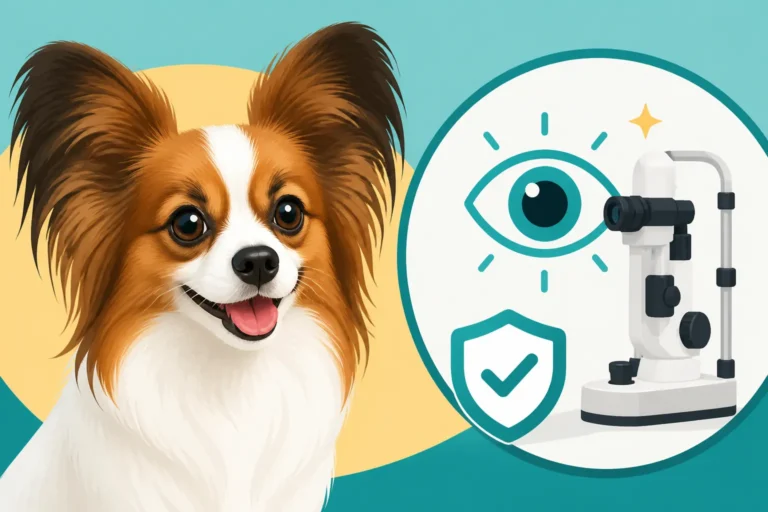
- Regular Ophthalmic Exams: Even though PRA1 is progressive, regular eye exams are important to monitor the condition, ensure there are no secondary issues (like cataracts that might form as a complication, though less common with PRA1 than some other forms of PRA), and manage any discomfort. A yearly eye exam is a good habit for any Papillon, but especially one with PRA.
- General Health Checks: As your Papillon ages, their vision loss may coincide with other age-related changes. Comprehensive annual wellness exams, including bloodwork, are vital. This is where pet insurance can really come in handy, helping to cover the costs of these essential check-ups and any unexpected health issues that arise. Many owners find value in options like Healthy Paws to mitigate the financial stress of long-term care for conditions like PRA.
- Mental Stimulation: Keep their minds active! Scent games, puzzle toys that don't require vision, and consistent training using verbal cues can keep them engaged and happy.
- Socialization: Continue to socialize your Papillon. Introduce them to new people and dog-friendly environments carefully, ensuring they feel safe and secure. Let others know your dog has limited vision so they approach gently.
- Managing Pain and Discomfort: As dogs age, they can develop arthritis or other aches. Ensure any pain is managed effectively, as discomfort can exacerbate confusion or anxiety in a visually impaired dog.
Here’s a general idea of the PRA1 progression:
| Vision Stage | Primary Impact | Typical Signs | Approximate Timeline (Post-Night Blindness Onset) |
|---|---|---|---|
| Stage 1: Early | Rod Photoreceptor Degeneration | Night blindness (hesitation in dark, bumping in dim light, reluctant to go out at night) | 0-1 year |
| Stage 2: Mid | Rods significantly affected, Cones beginning | Night blindness more pronounced, some daylight challenges (misjudging steps, difficulty with contrast/low light indoors) | 1-3 years |
| Stage 3: Advanced | Cones increasingly affected | Significant daylight vision loss (bumping into familiar objects, hesitation, difficulty finding dropped items, reduced play) | 3-6+ years |
| Stage 4: End-stage | Complete blindness | Total inability to see light or objects. Full reliance on other senses and owner guidance. | Highly variable, often 6+ years from initial onset |
Remember, this table provides a general guideline. Your Papillon's individual journey might differ significantly. The main takeaway is that for most Papillons, daylight vision endures for a considerable period after night blindness begins, offering many years of good quality life. While there's no way to definitively slow PRA progression, consistent veterinary care and a proactive approach to their environment and well-being will make a world of difference. You can find more detailed information on whether a Papillon with PRA goes fully blind in our other resources.
Disclaimer
This article is intended for informational purposes only and does not constitute veterinary advice. Always consult with a qualified veterinarian for any health concerns or before making any decisions about your pet's medical care.