Where to Send a Papillon’s PRA1 Swab
If you're a Papillon owner, the thought of Progressive Retinal Atrophy type 1 (PRA1) can be incredibly daunting. It’s a devastating inherited eye condition that can slowly steal your beloved companion's vision, and knowing how to properly test for it, let alone where to send the vital DNA swab, can feel like navigating a complex maze. This guide is here to untangle that process, providing you with clear, actionable steps on how to submit your Papillon’s PRA1 DNA sample to the right place, ensuring you get accurate, reliable results to protect your furry family member.
Understanding Papillon PRA1 Testing
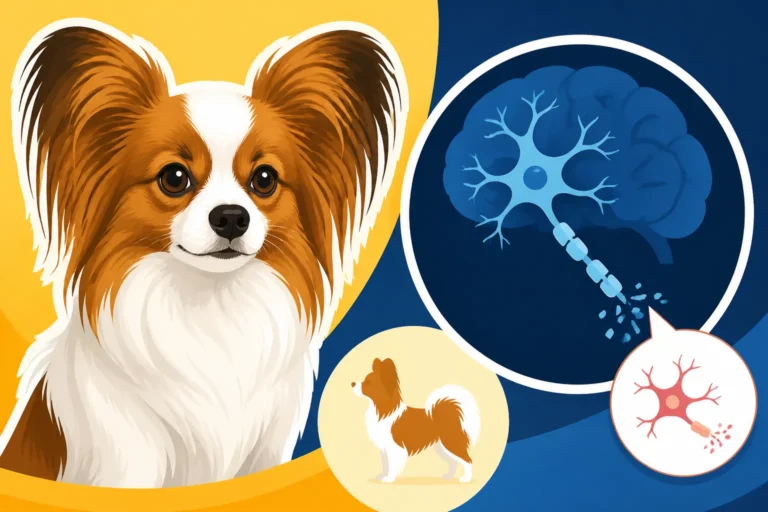
Progressive Retinal Atrophy type 1 (PRA1) isn't just a generic term; it refers to a specific genetic condition prevalent in Papillons. This inherited disease gradually causes the cells in the retina, primarily the rods responsible for night vision, to degenerate. It's not an overnight occurrence, and the progression can be heart-wrenching to witness as a pet parent.
Why PRA1 Testing is Crucial for Papillons
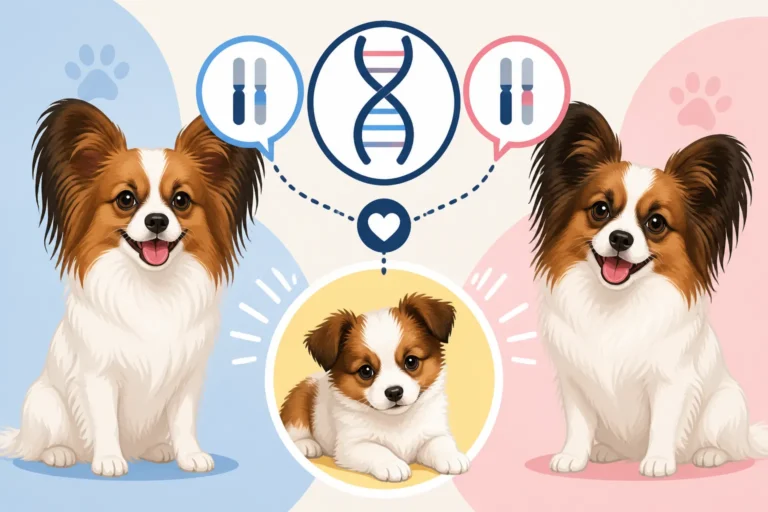
For any Papillon owner, understanding PRA1 is paramount. It’s a recessive genetic condition, meaning a dog must inherit two copies of the defective gene – one from each parent – to actually be affected and eventually go blind. Dogs with only one copy of the gene are carriers; they won't develop the disease themselves, but they can pass the gene on to their offspring. This is where testing becomes a non-negotiable part of responsible dog ownership and breeding. If you've ever wondered about the specifics, you can dive deeper into topics like The Papillon Type of Progressive Retinal Atrophy and the CNGB1 Gene to really grasp the science behind it.
Early identification through DNA testing allows breeders to make informed decisions, preventing the breeding of two carriers together, which would inevitably produce affected puppies. For pet owners, knowing your dog's status – whether clear, carrier, or affected – helps you prepare for their future. If your Papillon is affected, you'll want to be aware of The Age PRA1 Appears in a Papillon and how the condition progresses, starting typically with night blindness. This knowledge empowers you to provide the best possible care, adapting your home and routines as their vision diminishes. It helps you understand Why a Papillon Can Go Blind at Night and Still See in Daylight for a period, which can be confusing for owners.
The Collection Process for a DNA Swab
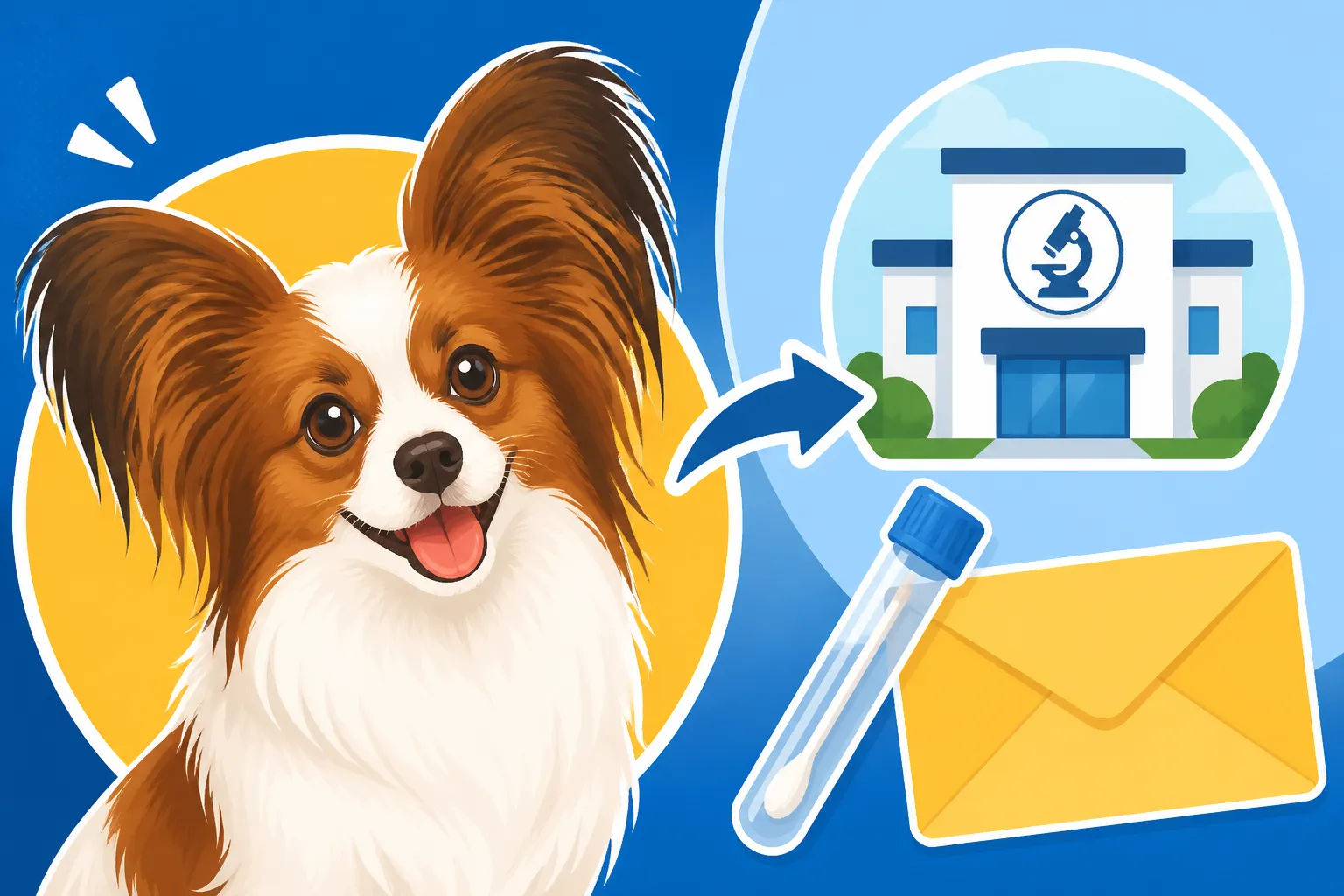
Collecting a DNA sample from your Papillon for PRA1 testing is surprisingly straightforward and can usually be done right in your home. Most laboratories rely on buccal (cheek) swabs, which are non-invasive and stress-free for your dog. You’ll typically receive a kit from the chosen lab containing sterile cotton swabs, instructions, and often, a submission form.
Here’s a step-by-step breakdown to ensure a good sample:
- Isolate Your Dog: To prevent cross-contamination, make sure your Papillon hasn't eaten, nursed, or chewed on anything for at least an hour before swabbing. If you have multiple dogs, keep them separate during this time.
- Prepare the Swabs: Open the sterile packaging carefully, touching only the handle of the swab, not the cotton tip.
- Swab the Cheek: Gently lift your Papillon's lip and firmly roll or rub the cotton swab against the inside of their cheek and gums for 10-20 seconds. You want to collect as many cheek cells as possible, not just saliva. Repeat this with all swabs provided (usually two to four swabs per dog), using a different side of the mouth if possible for each swab to maximize cell collection.
- Air Dry: This is critical! Do not put the wet swabs directly back into a plastic bag or container, as moisture can lead to mold growth and DNA degradation. Lay the swabs out on a clean, dry surface, cotton tips facing up, for at least 10-15 minutes to air dry completely.
- Package: Once thoroughly dry, place the swabs into the paper sleeves or envelopes provided in the kit. Make sure each dog's samples are clearly labeled with their name and the unique ID number assigned by the lab.
If you have a particularly squirmy Papillon, having a second person to gently hold them can be helpful. A small treat afterward usually makes them forgive you!
What Happens After the Swab is Collected
Once your Papillon’s DNA swabs are collected and properly dried, the next stage is preparation for shipment. You'll need to fill out the accompanying submission form completely. This form typically asks for your contact information, your dog's full name, breed, date of birth, microchip number, and the specific tests you're requesting (in this case, PRA1). Double-check all details to prevent delays.
Carefully place the labeled swab containers and the completed submission form into the shipping envelope or box. Many labs provide pre-addressed envelopes, but you might need to add postage or arrange for a specific courier service. It's a good idea to make a copy of your submission form for your records before sending it off. Once it's packaged, it’s ready for its journey to the laboratory, where the real science begins.
Reputable Laboratories for Papillon PRA1 Swabs
Choosing the right laboratory for your Papillon's PRA1 DNA test is a crucial step. You want a lab known for its accuracy, reliability, and efficient turnaround times. Thankfully, several excellent options cater to dog owners and breeders worldwide.
International Canine Genetic Testing Services
There are a few big names in canine genetic testing that are widely trusted and utilized by Papillon breeders and owners. These labs offer comprehensive panels that often include PRA1 testing specifically for Papillons.
- Embark Veterinary, Inc.: Based in the United States, Embark is renowned for its comprehensive DNA testing, offering health screens that include PRA1, along with breed identification and trait analysis. Their user-friendly online portal provides detailed results and often includes connections to other owners of related dogs. They provide clear instructions and typically have good customer support. Many breeders choose Embark for the depth of information it provides, going beyond just PRA1 status.
- Optimal Selection (MyDogDNA by Wisdom Panel): This platform, part of Mars Petcare, offers robust genetic screening for health conditions, including PRA1, for many breeds. They are particularly popular in Europe but have a strong international presence. Their health panel covers a wide array of genetic conditions relevant to Papillons, making it a one-stop shop for comprehensive health screening.
- Animal Genetics: Offering a more focused approach, Animal Genetics provides specific disease testing, including PRA1 for Papillons. They are known for quick turnaround times and clear reporting, making them a good option if you are primarily interested in this one specific test. They serve a global clientele.
When choosing, consider if you want a broad health panel or just the specific PRA1 test. For a deeper understanding of responsible breeding, exploring What a Papillon Breeder Should Have Tested beyond just PRA1 can also influence your choice of lab.
Breed-Specific Testing Initiatives
Sometimes, national or regional Papillon breed clubs will have preferred laboratories or even run their own subsidized testing programs. These initiatives often partner with labs that have proven expertise in Papillon genetics and may offer more competitive pricing for club members.
For example, the Papillon Club of America (PCA) might endorse or recommend specific labs for health screening, including PRA1. Checking the official website of your country's Papillon club is an excellent first step. These clubs often maintain lists of recommended health tests and providers to ensure consistency and quality within the breed. They can also be a valuable resource for interpreting results and connecting with other owners or breeders. These breed-specific programs often collaborate to ensure that tests like The DNA Test for Papillon Retinal Atrophy are accessible and accurate.
Factors to Consider When Choosing a Lab
With several good options available, how do you decide where to send your precious Papillon's swab? Here’s a breakdown of factors to weigh:
- Accuracy and Reliability: This should be your top priority. Look for labs that are well-established, have good reviews, and are used by reputable breeders. Accreditations or affiliations with veterinary genetic organizations can also be a good sign.
- Turnaround Time: How quickly do you need the results? Some labs promise results within a couple of weeks, while others might take longer, especially if they're processing a larger panel. If you're a breeder making breeding decisions, faster results can be crucial.
- Cost: Prices for genetic testing can vary. Compare the cost of just the PRA1 test versus a more comprehensive health panel. Remember that investing in a quality test now can save significant emotional and financial costs down the line if it helps prevent or prepare for a severe genetic condition. While pet insurance providers like Healthy Paws can help with unforeseen vet bills, preventing genetic diseases is always the best route.
- Reporting Clarity: How easy are the results to understand? Do they simply state "clear," "carrier," or "affected," or do they provide a detailed explanation of the genetic markers? Many labs offer genetic counseling or support to help you interpret complex results.
- Customer Support: Should you have questions about sample collection, shipping, or result interpretation, good customer service is invaluable.
| Laboratory | Primary Focus | Approx. Cost (PRA1) | Turnaround Time | Comprehensive Panels | Notes |
|---|---|---|---|---|---|
| Embark Veterinary | Breed ID, Health, Traits | $100-$200 (part of panel) | 2-4 weeks | Yes | Very detailed, good for breeders, strong community features |
| Optimal Selection | Health, Traits | $100-$200 (part of panel) | 3-6 weeks | Yes | Global reach, popular for comprehensive health screening |
| Animal Genetics | Specific Disease Testing | $50-$80 | 1-2 weeks | Limited | Faster for specific tests, good for targeted screening |
Note: Prices are estimates and can vary based on promotions, package deals, and regional differences.
The Logistics of Sending Your Papillon's Swab
Once you’ve collected your Papillon’s DNA swab and chosen your laboratory, the next step is to get the sample safely from your home to theirs. This part of the process, while seemingly simple, requires attention to detail to ensure your sample arrives intact and properly identified.
Preparing Your Sample for Shipment
Proper preparation prevents mishaps. First and foremost, ensure all the collected swabs are completely air-dried, as discussed earlier. Any residual moisture can promote bacterial or fungal growth, which can degrade the DNA and make the sample unusable.
Next, double-check that each swab container is clearly labeled with your dog's unique identifier (often a barcode or a specific number provided by the lab), their name, and your name. Mislabeling can lead to incorrect results, which is a headache no one wants!
Fill out the submission form thoroughly. This form is your primary communication with the lab, detailing what tests you want, your contact information, and your dog's vital statistics. Some forms also ask for a veterinarian’s signature, particularly if the sample is being used for official health registries or breeding databases. Place the completed form and the dried, labeled swabs into the designated shipping envelope or box. Many kits come with a sturdy, small box designed to protect the swabs during transit.
Shipping Best Practices and Considerations
When it comes to shipping, a few guidelines can help ensure your sample reaches its destination without issues:
- Packaging: Always use the packaging provided by the lab if available. It’s designed to protect the swabs. If not, a sturdy, small box or a padded envelope is usually sufficient. Avoid sending swabs in regular paper envelopes without additional protection, as they can be crushed or torn.
- Shipping Method: For domestic shipments, standard mail often works, but using a service with tracking, like USPS Priority Mail, FedEx, or UPS, gives you peace of mind. For international shipments, a reliable courier service with tracking and potentially insurance is highly recommended. Customs declarations for international parcels should clearly state "canine buccal swab for DNA analysis" or similar, to prevent delays or rejection. Do not declare it as a commercial product.
- Temperature Concerns: While DNA swabs are quite robust, extreme temperatures (freezing or excessive heat) could theoretically degrade the DNA over prolonged periods, though it's less common for dried buccal swabs compared to blood samples. If you're shipping during a heatwave or deep freeze, try to time your shipment to avoid prolonged exposure in transit. Sending it early in the week can prevent it from sitting in a warehouse over a weekend.
- Tracking: Always get a tracking number! This allows you to monitor your package’s journey and confirm its arrival at the laboratory. It’s invaluable if there are any questions about your shipment.
Remember, clear communication and careful handling throughout the shipping process are key to a smooth experience and timely results.
What to Expect from the Results
The anticipation while waiting for results can be nerve-wracking, but understanding what the results mean will help tremendously. Once the lab processes your Papillon's DNA, you'll typically receive one of three classifications for PRA1:
- Clear (or Normal): This means your Papillon has inherited two normal copies of the gene and does not carry the PRA1 mutation. They will not develop PRA1, nor can they pass the gene on to their offspring. This is the ideal result for any Papillon.
- Carrier: Your Papillon has inherited one normal copy and one copy of the PRA1 mutation. They will not develop PRA1 themselves because they have a normal gene to compensate. However, they can pass the mutated gene on to approximately 50% of their offspring. This status is vital for breeders to know to avoid breeding with another carrier. You might find it useful to read Whether a Carrier Papillon Ever Goes Blind for more details on this.
- Affected (or At Risk): This indicates your Papillon has inherited two copies of the PRA1 mutation (one from each parent). They will develop PRA1 at some point in their life. The age of onset can vary, but this diagnosis allows you to prepare for their eventual vision loss. For an affected dog, understanding What PRA1 Does to a Papillon's Retina and how quickly it progresses will become important for managing their quality of life.
The report will usually be delivered via email or through an online portal. It will clearly state your Papillon's genotype and often include an explanation of what the results mean. If you have any doubts about interpreting the results, don't hesitate to contact the laboratory's customer service or your veterinarian. They can provide clarification and discuss the implications for your individual dog.
Utilizing PRA1 Results for Responsible Breeding and Pet Ownership
Receiving your Papillon's PRA1 test results is a pivotal moment. Whether your dog is clear, a carrier, or affected, this information is incredibly powerful and, when used responsibly, contributes significantly to the health and well-being of the entire Papillon breed.
How Breeders Use PRA1 Test Results
For ethical and responsible Papillon breeders, PRA1 test results are a fundamental tool in their breeding program. Since PRA1 is an autosomal recessive condition, the goal is to avoid producing affected puppies. Here’s how breeders utilize the results:
- Clear to Clear Matings: The safest pairing is breeding two PRA1-clear Papillons. All puppies from such a mating will be clear, ensuring the disease is not passed down.
- Clear to Carrier Matings: A clear Papillon can be safely bred to a carrier Papillon. On average, 50% of the puppies will be clear, and 50% will be carriers. Critically, none will be affected. The carrier puppies can then be tested, and if used for future breeding, they must only be bred to clear partners. This strategy allows breeders to retain valuable genetics from carrier lines while still eliminating the risk of affected puppies. If you're pondering the ethics, reading Whether Two Carrier Papillons Should Be Bred can offer more insights.
- Avoiding Carrier to Carrier Matings: This is the breeding scenario that must be avoided. When two PRA1 carriers are bred, there is a 25% chance of producing affected puppies, a 50% chance of producing carrier puppies, and a 25% chance of producing clear puppies. A responsible breeder will never knowingly make this pairing.
By carefully planning matings based on DNA test results, breeders gradually reduce the prevalence of the PRA1 gene in the Papillon population. This ensures that future generations of Papillons have the best possible chance at a long, healthy life with good vision. It's an ongoing commitment to the breed's health.
Managing an Affected or Carrier Papillon
Even if your Papillon tests as a carrier or, more rarely, affected, this knowledge isn’t a cause for despair; it’s an opportunity for proactive care and responsible choices.
For a Carrier Papillon:
If your Papillon is a carrier, it means they will live a normal, healthy life and will not develop PRA1. For pet owners, this simply means you have interesting genetic information about your dog. You don't need to change their care routine. If your dog is intact and you're considering breeding, however, then you must understand the genetic implications and only breed them with a clear partner, testing all offspring.
For an Affected Papillon:
An affected diagnosis means your Papillon will eventually experience vision loss due to PRA1. This can be challenging, but many dogs adapt incredibly well to blindness with the right support. Here’s how you can prepare:
- Monitor Vision: Pay close attention to subtle signs of vision loss, especially at night. You might notice your Papillon becoming hesitant in dim light, bumping into furniture in the dark, or being more startled. Topics like Signs a Papillon Is Losing Night Vision can help you identify early changes.
- Home Adaptations: As their vision declines, keep furniture in consistent locations to help them navigate. Use scent markers or textured mats to indicate important areas like their food bowl or a ramp. Consider ramps for furniture they like to jump on, to prevent injuries.
- Maintain Routine: Dogs thrive on routine. Stick to consistent feeding times, potty breaks, and walk routes. Familiarity builds confidence.
- Verbal Cues: Start using more verbal cues ("step up," "watch out," "this way") even before vision loss is significant. This will become invaluable as their sight fades.
- Safety First: Supervise outdoor playtime, especially in unfamiliar areas. Keep them on a leash when walking near traffic or open spaces.
- Veterinary Care: Regular veterinary check-ups are essential. Your vet can monitor the progression of PRA1 and rule out other eye conditions like cataracts, which can sometimes occur alongside PRA. While there isn't a cure for PRA1, some research into therapies might one day offer hope, so staying informed is helpful. For now, focus on supportive care and ensuring their comfort. You might wonder Whether a Papillon's PRA Can Be Slowed, but currently, there are no proven treatments to halt or reverse it.
- Financial Planning: While you can’t prevent PRA1 if your dog is affected, the journey of managing a dog with progressive vision loss might involve more frequent vet visits or specialized equipment. Having pet insurance, like a plan from Healthy Paws, can be a great asset to help manage these potential costs. It's smart to plan for these possibilities, just as you would for any long-term health condition in your pet.
Understanding PRA1 from the testing phase through potential management allows Papillon owners and breeders to act proactively and compassionately, ensuring the best possible life for these wonderful little dogs.
Disclaimer
The information provided in this article is for educational and informational purposes only and does not constitute veterinary advice. Always consult with a qualified veterinarian or a certified canine geneticist regarding your individual Papillon's health concerns and before making any decisions related to breeding or medical treatment.