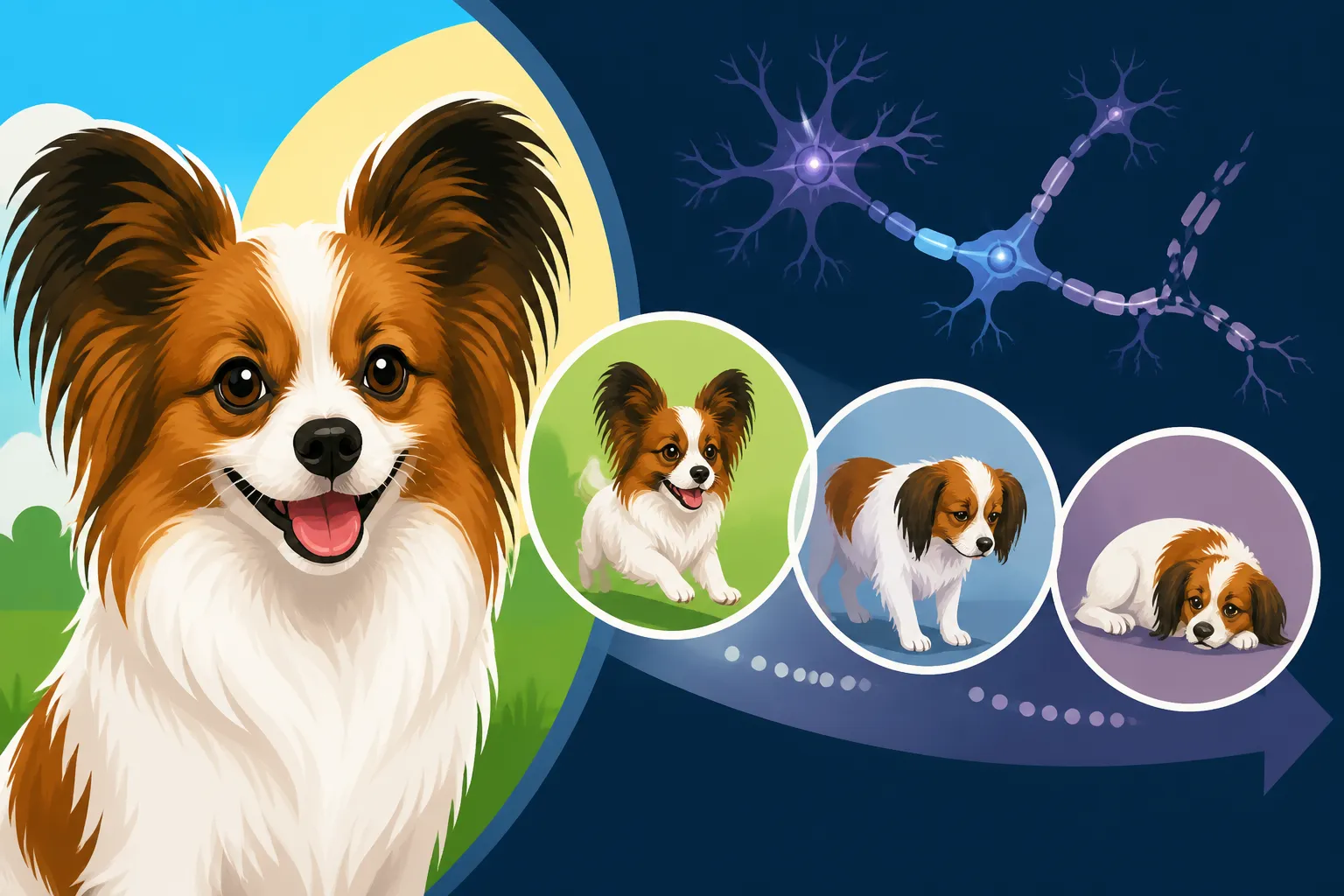
How Fast Neuroaxonal Dystrophy Progresses in a Papillon
Witnessing your beloved Papillon puppy suddenly start exhibiting strange, uncoordinated movements or experiencing seizures can be utterly heartbreaking and profoundly confusing. It's a terrifying scenario, especially when you suspect something is seriously wrong and you're desperately searching for answers about what lies ahead. This guide is here to shed light on Neuroaxonal Dystrophy (NAD) in Papillons, focusing specifically on how rapidly this devastating disease tends to progress, helping you understand what to expect and how to navigate this challenging journey.
Understanding Neuroaxonal Dystrophy in Papillons
Neuroaxonal Dystrophy (NAD) is a truly devastating genetic neurological disorder that impacts Papillon puppies, making it distinct from many other conditions we might worry about in our tiny companions. It's not something they pick up from their environment; it’s an inherited condition. Essentially, NAD causes a degeneration of the axons – the long, slender projections of nerve cells that transmit electrical impulses to other parts of the body. When these axons break down, the nerve signals can't get where they need to go effectively, leading to a cascade of neurological problems. It's a progressive disease, meaning it only gets worse over time, and sadly, it’s always fatal.
The Early Warning Signs and Onset
One of the most heart-wrenching aspects of NAD is that it typically strikes when Papillon puppies are still so young, often between 3 and 12 months of age. Imagine bringing home a playful, seemingly healthy puppy, only to start noticing subtle changes as they approach their first birthday. At first, you might dismiss it as clumsiness or just "puppy antics." You might see them stumbling more than usual, struggling to keep their balance, or even having difficulty with everyday actions like climbing a short step. These aren't just minor quirks; they are often the insidious first whispers of NAD taking hold. Early signs can also include head tremors, particularly when they're focused on something, or an awkward, wide-based stance as they try to compensate for their poor coordination. Their bright, intelligent eyes might still be full of life, but their bodies begin to betray them.
For a deeper dive into what this disease actually does to a Papillon, you might find solace in understanding What Neuroaxonal Dystrophy Does to a Papillon. It truly paints a picture of the internal struggle these brave little dogs face.
Why Early Diagnosis is Crucial
Because NAD progresses, getting an early diagnosis, though difficult, can be incredibly important for managing expectations and providing the best supportive care possible. Often, owners might initially consult their vet about what seems like a simple mobility issue or uncoordinated gait. The challenge is that these early symptoms can mimic other less severe conditions, making NAD hard to pinpoint right away. However, a veterinarian familiar with the breed or genetic disorders might suggest a DNA test. Companies like OptiGen or those utilizing samples for the Orthopedic Foundation for Animals (OFA) offer these specific genetic tests, which are crucial for confirming NAD. This specific test looks for the genetic mutation responsible for the condition. Discovering The DNA Test for Papillon Neuroaxonal Dystrophy can provide definitive answers, which, while devastating, removes the agonizing uncertainty and allows you to make informed decisions about your Papillon's care and quality of life. An early diagnosis also provides breeders with critical information to prevent future affected litters.
The Typical Progression of NAD Symptoms
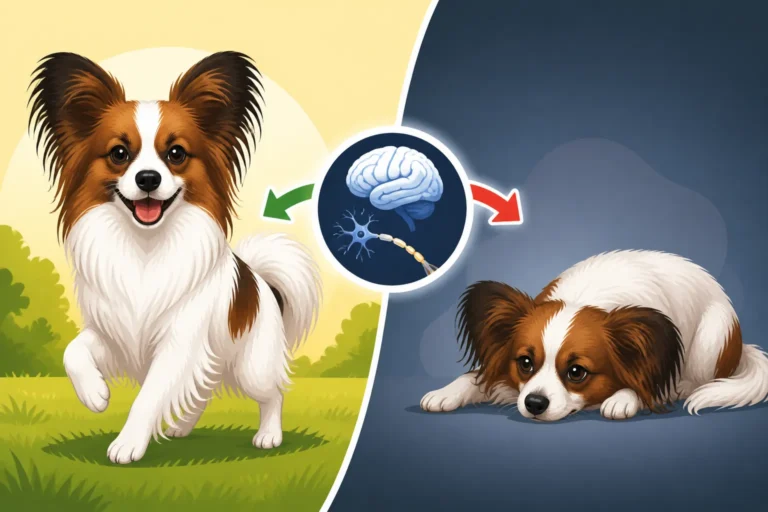
When we talk about how fast Neuroaxonal Dystrophy progresses in a Papillon, it’s important to understand that while it varies slightly between individuals, the overall trajectory is unfortunately quite rapid and relentlessly downhill. Unlike some chronic conditions that might allow for years of stable management, NAD typically moves quickly, often manifesting its full devastating effects within months of the first symptoms appearing. You might start noticing subtle signs at 3-6 months, and by 9-18 months, the dog's condition could be significantly deteriorated. It's a brutal timeline for both the dog and their devoted family.
Neurological Decline and Motor Skill Loss
The hallmark of NAD's progression is a noticeable and often rapid decline in neurological function. What might begin as a slight wobble or an occasional misstep quickly escalates. Your Papillon might develop a distinctive, exaggerated gait, often described as goose-stepping or high-stepping, as they try to overcome their lack of coordination. This ataxia, or uncoordinated movement, affects all four limbs, making standing, walking, and running increasingly difficult.
Over a matter of weeks to a few months, you might observe:
- Worsening Ataxia: The occasional stumble turns into frequent falls. Your Papillon might struggle to navigate familiar spaces, bumping into furniture or walls, especially in low light.
- Muscle Weakness and Tremors: Muscles may start to waste away, and you might see tremors, particularly when your dog is trying to hold a position or is excited.
- Loss of Proprioception: This is the sense of where their body parts are in space. They might not realize their paw is tangled or their leg is bent awkwardly, leading to injuries.
- Seizures: In more advanced stages, some Papillons may develop seizures, adding another layer of complexity and distress to their condition.
- Difficulty with Basic Functions: Eating and drinking can become a challenge as coordination worsens. Even simply moving from a lying to a standing position can require immense effort and assistance.
This decline is relentless. The playful puppy you once knew might become increasingly frustrated or withdrawn as their body fails them. The progression is not usually a slow, gradual fading over years, but rather a swift decline that compresses a lifetime of loss into a painfully short period.
To truly visualize this, consider How a Papillon With Neuroaxonal Dystrophy Moves, as it describes the physical manifestations of this debilitating condition.
Impact on Quality of Life and Daily Activities
The rapid progression of NAD inevitably takes a severe toll on a Papillon's quality of life. Imagine a breed known for its boundless energy, intelligence, and agility suddenly stripped of its ability to move freely, play, or even manage simple tasks. This is the tragic reality for a Papillon with NAD.
Daily challenges become immense:
- Mobility: What starts as difficulty running progresses to difficulty walking, then standing, and eventually even crawling. Owners often find themselves assisting their Papillon with every movement, lifting them to eat, helping them outside for potty breaks, and carrying them from room to room.
- Hygiene: Incontinence can become an issue as muscle control wanes, requiring meticulous cleaning and management to prevent skin infections.
- Mental State: While the disease primarily affects motor function, the constant struggle and frustration can impact a dog's mental well-being. They might become anxious, clingy, or even depressed due to their limitations. Their inability to perform natural dog behaviors can be a heavy burden on their spirit.
- Social Interaction: Playing with other dogs or even interacting safely with family members can become difficult. A clumsy Papillon can easily get stepped on or injured, and their unpredictable movements can be startling.
The speed of this decline means that owners have a very short window to adjust and provide the intensive care needed. It’s a constant battle to maintain dignity and comfort for their beloved pet, and it requires an enormous amount of emotional and physical dedication.
Factors Influencing Disease Progression
While NAD's progression is generally rapid and severe, some nuances can influence the specific timeline and severity in individual Papillons. It's not a perfectly uniform experience for every affected puppy, though the grim outcome remains the same. Understanding these factors can help owners prepare and veterinarians provide the most appropriate supportive care.
Genetic Presentation and Individual Variation
Neuroaxonal Dystrophy is a recessive genetic condition. This means a Papillon must inherit two copies of the mutated gene (one from each parent) to be affected. Dogs with only one copy are carriers and typically show no symptoms themselves, but can pass the gene to their offspring. The specific mutation in Papillons, often identified as a frameshift mutation in the PLA2G6 gene, is what triggers the disease. However, even with the same genetic mutation, there can be slight variations in the expression of the disease, leading to subtle differences in the age of onset and the rate of progression.
- Gene Dosage: All affected Papillons have two copies of the mutated gene, but other modifying genes or epigenetic factors might subtly influence how quickly the nerve degeneration occurs.
- Onset Age: While the typical range is 3-12 months, some Papillons might show very early, almost imperceptible signs, while others might have a slightly later onset within that window. An earlier onset usually correlates with a more rapid and aggressive progression.
- Severity of Symptoms: Some Papillons might experience more pronounced ataxia and weakness, while others might have more prominent head tremors or earlier seizure activity. These differences can make the disease appear to progress at a different 'pace' even if the underlying cellular damage is similar.
These variations, while present, do not change the fundamental nature of the disease or its inevitably rapid course. The sad reality is that once symptoms appear, the decline is largely irreversible. This underscores the importance of responsible breeding practices and genetic testing. You can read more about Whether Two Carrier Papillons Can Produce an Affected Puppy to understand the genetic implications for breeding.
Supportive Care and Management
Given that there is currently no cure or specific treatment to halt the progression of Neuroaxonal Dystrophy, management focuses entirely on supportive care. This aims to maximize comfort and maintain the best possible quality of life for as long as possible. However, the effectiveness of supportive care in slowing the progression of the disease itself is minimal to non-existent; it primarily addresses the symptoms.
- Environmental Modifications: Creating a safe, padded environment free of obstacles can prevent injuries from falls. Ramps or steps can help a struggling Papillon access furniture they once jumped onto effortlessly. Non-slip rugs on hard floors are essential to provide better traction.
- Physical Therapy: Gentle exercises and massages can help maintain muscle tone and flexibility, delaying severe muscle atrophy, though it won't stop the underlying nerve degeneration.
- Nutritional Support: Ensuring easy access to food and water, possibly elevating bowls or hand-feeding, can help. Sometimes, a diet change to softer foods might be necessary if chewing becomes difficult.
- Medication: While there are no drugs to treat NAD directly, medications might be prescribed to manage specific symptoms like seizures, pain (if present), or anxiety.
- Veterinary Oversight: Regular check-ups are crucial to monitor their condition, manage secondary issues like skin infections from incontinence, and ensure comfort. Companies like Healthy Paws offer pet insurance plans that, while they might not cover pre-existing or genetic conditions if diagnosed prior to enrollment, can be a lifesaver for managing the ongoing costs of supportive care, pain management, and veterinary visits for other health issues that may arise. It’s always worth checking coverage details carefully.
The reality is that even with the most dedicated supportive care, the disease will continue its rapid progression. The focus shifts from slowing the inevitable to enriching the time you have left, ensuring every day is as comfortable and loving as possible.
Living with a Papillon Affected by NAD
Living with a Papillon diagnosed with Neuroaxonal Dystrophy is an incredibly tough journey, filled with emotional highs and lows. It requires immense strength, dedication, and a deep well of love to navigate the rapid decline and the difficult decisions that inevitably come with this progressive disease. As a pet parent, you're not just providing care; you're becoming a full-time advocate and comforter for your struggling companion.
Navigating Veterinary Care and Prognosis
When your Papillon receives an NAD diagnosis, your relationship with your veterinarian becomes paramount. They will be your primary guide through this challenging time, offering advice on symptom management, pain control, and when to consider hospice care. Given that there's currently Why Neuroaxonal Dystrophy Has No Treatment in a Papillon, the focus shifts entirely to palliative care.
The prognosis for a Papillon with NAD is, unfortunately, very poor, with most affected dogs succumbing to the disease or being humanely euthanized due to a severely diminished quality of life within months to a year or so of symptom onset. You'll likely have frequent conversations with your vet about:
- Symptom Management: How to best manage increasing incoordination, muscle weakness, and potentially seizures. This might involve new medications, physical aids, or environmental adjustments.
- Pain Assessment: While NAD isn't typically considered a painful disease in its early stages, the physical toll of constant falling, muscle strain, and potential secondary injuries can cause discomfort. Your vet will help you learn How a Papillon Hides Pain to ensure any discomfort is addressed promptly.
- Quality of Life Discussions: This is perhaps the hardest part. Your vet will help you assess your Papillon's overall well-being, focusing on their ability to eat, drink, eliminate comfortably, and engage in even modified forms of joyful interaction. This is not a one-time conversation but an ongoing assessment as the disease progresses. Pet insurance providers, like Healthy Paws, often encourage a strong relationship with your vet, understanding that comprehensive care is vital, even when facing a terminal illness.
It’s crucial to be honest with yourself and your vet about what your Papillon is still able to enjoy versus what has become a constant struggle.
Making Difficult Decisions
As NAD progresses, there comes a point where even the most dedicated supportive care can no longer maintain a reasonable quality of life. This is when the most agonizing decision must be made: humane euthanasia. It's a decision no pet owner ever wants to face, especially for a young dog that has shown such fighting spirit.
Signs that it might be time to consider euthanasia include:
- Loss of Mobility: When your Papillon can no longer stand or move independently, even with assistance.
- Inability to Perform Basic Functions: Severe difficulty with eating, drinking, or eliminating, leading to distress or poor hygiene.
- Uncontrolled Symptoms: When seizures become frequent, severe, and no longer respond to medication.
- Lack of Joy: When your Papillon no longer shows interest in favorite activities, interacting with family, or simply seems withdrawn and miserable.
- Chronic Pain or Discomfort: If their physical condition is causing persistent pain that cannot be adequately managed.
This decision is an act of love, freeing your beloved companion from suffering. It means prioritizing their dignity and comfort above your own grief. Many owners find comfort in knowing they gave their Papillon the very best life possible for the short time they had, filled with love and unwavering support.
| Stage of Progression | Typical Age | Symptoms | Impact on Daily Life |
|---|---|---|---|
| Early Onset | 3-6 months | Subtle clumsiness, occasional stumbles, head tremors when focused, mild uncoordinated gait. | Minor inconvenience, some difficulty with complex movements (e.g., stairs, jumping). Still largely functional. |
| Moderate Decline | 6-12 months | More frequent falls, noticeable ataxia (goose-stepping), muscle weakness, difficulty rising, increased tremors. | Significant mobility issues, needs assistance for stairs, may bump into objects. Frustration evident. |
| Severe Progression | 9-18 months (or sooner) | Inability to walk or stand independently, severe muscle atrophy, uncontrolled seizures, extreme coordination loss, difficulty eating/drinking. | Requires constant assistance, loss of independence, potential incontinence. Quality of life severely compromised. |
Disclaimer
The information provided in this guide is for informational purposes only and is not a substitute for professional veterinary advice. Always consult with a qualified veterinarian for any health concerns or before making any decisions about your pet's health or treatment.