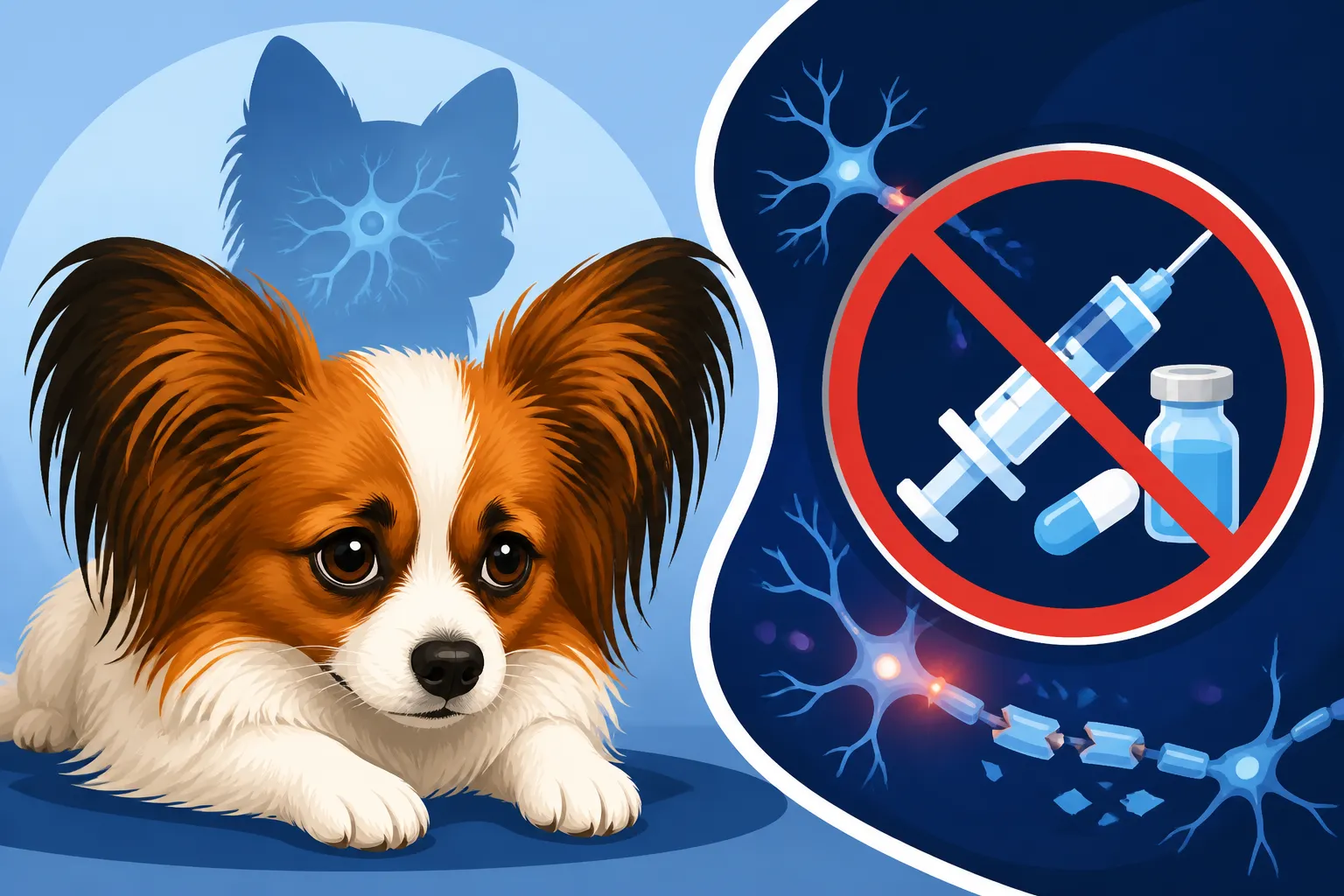
Why Neuroaxonal Dystrophy Has No Treatment in a Papillon
Discovering that your beloved Papillon puppy is exhibiting neurological symptoms can be utterly heartbreaking, especially when you learn about a devastating condition like Neuroaxonal Dystrophy (NAD). The immediate, gut-wrenching question that floods every owner's mind is, "What can be done?" Unfortunately, for this particular inherited neurological disorder, the answer is a harsh reality: there is currently no specific treatment available that can halt or reverse its progression. This guide will delve into the profound reasons why effective treatments remain elusive for Papillons afflicted with neuroaxonal dystrophy, offering clarity on the scientific challenges and the path forward for our cherished companions.
Understanding Neuroaxonal Dystrophy in Papillons
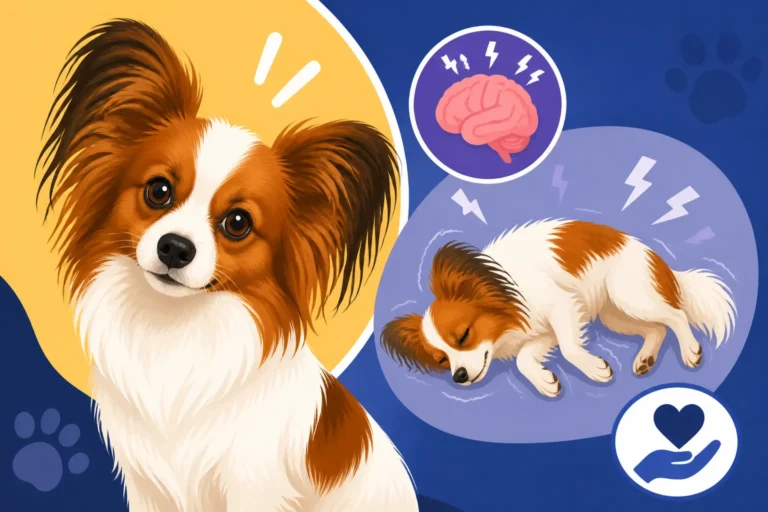
Neuroaxonal Dystrophy (NAD) is a truly devastating genetic neurological disorder that primarily affects the central nervous system of Papillons. It's a progressive condition, meaning it gets worse over time, leaving owners feeling helpless as they watch their vibrant puppies decline. To understand why treatment is so challenging, we first need to grasp what NAD actually does to a Papillon.
The Mechanism of Disease Progression
At its core, NAD in Papillons involves the degeneration of axons, which are the long, slender projections of nerve cells that conduct electrical impulses away from the neuron's cell body. Think of axons as the wiring system of the brain and spinal cord, transmitting messages across the body. In a Papillon with NAD, these critical communication lines start to swell and degenerate, becoming dysfunctional. This damage isn't just a minor short circuit; it's a breakdown of the fundamental structures necessary for nerve impulses to travel correctly.
When these axons are damaged, the signals between the brain and the rest of the body get scrambled or don't get through at all. This leads to a wide range of neurological symptoms that are profoundly impactful on a puppy's development and quality of life. The condition specifically impacts the cerebellum, brainstem, and spinal cord, areas crucial for coordination, balance, and movement. It's a slow but relentless assault on the nervous system, and sadly, the damage to these delicate structures is difficult, if not impossible, to repair with current medical interventions. You can learn more about what this condition does to a Papillon by reading our detailed article, "What Neuroaxonal Dystrophy Does to a Papillon".
Typical Onset and Clinical Signs
The insidious nature of neuroaxonal dystrophy is often first noticed in young Papillon puppies, typically between six weeks and four months of age. This early onset is particularly heartbreaking because it strikes at a time when puppies should be at their most playful and robust. Owners often describe the initial signs as subtle clumsiness, an uncoordinated gait, or an exaggerated high-stepping walk, sometimes referred to as hypermetria. Imagine your puppy stumbling over its own feet, having trouble with stairs, or seemingly forgetting how to move smoothly – it's a truly distressing sight.
As the disease progresses, these symptoms become more pronounced. Affected puppies may develop head tremors, especially when focusing, and their balance can become severely compromised, making even simple movements like standing or walking a huge struggle. Muscle weakness, difficulty eating, and even changes in vocalization can also occur. The progression is usually rapid once clinical signs appear, leading to a severely compromised quality of life. It's not just a matter of discomfort; it profoundly limits a puppy's ability to engage with the world, play, and even perform basic functions. This rapid deterioration is why understanding "How Fast Neuroaxonal Dystrophy Progresses in a Papillon" is so important for owners.
The Complexities Behind Treatment Development
When we talk about the absence of treatment for neuroaxonal dystrophy in Papillons, it's not due to a lack of effort or caring. Instead, it stems from a confluence of highly complex scientific and practical challenges inherent in developing therapies for such intricate genetic neurological disorders.
The Challenge of Neurological Repair
The central nervous system, including the brain and spinal cord, is incredibly complex and notoriously difficult to repair once damaged. Unlike other tissues in the body that can regenerate to some extent, neurons and their axons have limited capacity for self-repair. Once a neuron or axon degenerates, replacing it or restoring its full function is a monumental task. The intricate network of connections, the specialized environment of the brain, and the protective blood-brain barrier all pose significant hurdles.
Developing drugs or therapies that can effectively cross the blood-brain barrier, target specific damaged cells without affecting healthy ones, and then actually promote regeneration or prevent further degeneration, is a cutting-edge area of human medicine, let alone veterinary science. For a condition like NAD, where the damage is widespread throughout the axonal network, simply repairing one small area isn't enough; the entire system is compromised. This inherent biological difficulty is the primary reason why many neurological conditions, both in animals and humans, remain untreatable.
Genetic Basis and Rarity of the Disease
Neuroaxonal dystrophy in Papillons is a classic example of an autosomal recessive genetic disorder. This means that a puppy must inherit two copies of the specific mutated gene – one from each parent – to be affected. Parents who carry one copy of the gene are typically healthy themselves, known as carriers, and show no signs of the disease. This recessive inheritance pattern makes it tricky to identify affected lines without proper genetic testing.
The specific gene responsible for NAD in Papillons has been identified, which is a massive step forward for diagnosis and prevention. However, even with this genetic understanding, developing a treatment is another matter entirely. The rarity of NAD, compared to more common canine diseases, also plays a significant role in the lack of available treatments. Pharmaceutical companies and research institutions naturally prioritize diseases that affect a larger population, as the financial investment required for drug development is enormous. The smaller affected Papillon population means less funding, fewer researchers dedicated to it, and a slower pace of discovery for specific treatments. This highlights the importance of genetic testing, such as the kind that can tell breeders "The DNA Test for Papillon Neuroaxonal Dystrophy" to prevent future cases.
The Roadblocks of Drug Development
Even if a potential therapeutic compound were identified, the journey from discovery to an approved treatment is incredibly long, expensive, and fraught with challenges. For a genetic neurological disorder, these roadblocks are amplified.
- Target Identification: The first step is to pinpoint the exact molecular pathways that are disrupted by the faulty gene, and then find a way to intervene. This isn't always straightforward. Is the problem too much of one protein, too little of another, or a complete structural failure?
- Pre-clinical Testing: Any potential drug must first be tested extensively in lab settings, often using cell cultures and animal models, to assess its safety and efficacy. For neurological conditions, measuring efficacy is complex – how do you quantify a subtle improvement in nerve function?
- Clinical Trials (Veterinary): If pre-clinical tests are promising, the drug would then need to be tested in actual Papillons affected by NAD. This involves rigorous protocols, careful monitoring, and a significant commitment from owners and veterinarians. Given the rarity of NAD and the ethical considerations of experimental treatments on terminally ill puppies, recruiting a sufficient cohort for robust clinical trials is incredibly difficult.
- Regulatory Approval: Finally, for a treatment to become widely available, it must undergo strict regulatory approval processes to ensure it is both safe and effective. This can take years, even decades.
These combined factors mean that while research might be ongoing into gene therapies or neuroprotective agents for similar conditions, a specific, effective, and approved treatment for Papillon Neuroaxonal Dystrophy remains a distant hope rather than a current reality. It’s a testament to the immense financial and scientific resources required, resources often only allocated to diseases with broader impact.
Current Approaches and Future Hopes
While a cure for neuroaxonal dystrophy in Papillons remains elusive, the scientific community and dedicated breeders are not standing still. The focus has shifted toward prevention and supportive care, with ongoing research holding the promise of future breakthroughs.
The Power of Genetic Testing and Responsible Breeding
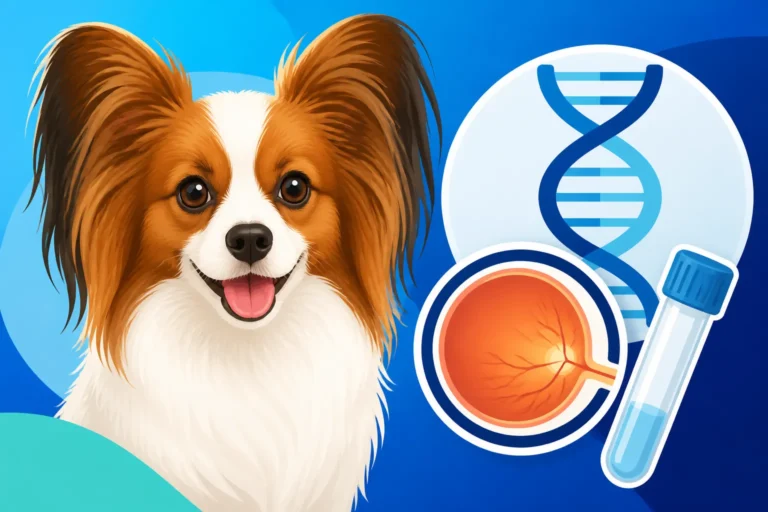
Given that NAD is an inherited genetic disease, the most impactful and proactive "treatment" we currently possess is prevention through responsible breeding practices. Thanks to advancements in canine genetics, a reliable DNA test is available to identify carriers of the NAD gene mutation. This test allows breeders to make informed decisions and prevent the mating of two carrier dogs, which is the only way an affected puppy can be born.
Breeders committed to the health of the Papillon breed routinely screen their breeding stock. By testing all potential parents, they can ensure that at least one parent in a breeding pair is clear of the gene, thereby guaranteeing that no affected puppies will be produced. This is why it's absolutely crucial to ask "Which Health Tests a Papillon Breeder Should Run" and insist on seeing the results for both parents. Organizations like the Papillon Club of America strongly advocate for this testing, helping to eradicate the disease from future generations. This isn't just about preventing suffering; it's about safeguarding the entire breed's future. For those interested in understanding the lineage and risks, knowing "Whether Neuroaxonal Dystrophy Can Be Bred Out of Papillons" provides important context.
| Aspect | Reason for No Treatment | Current Best Approach |
|---|---|---|
| Disease Mechanism | Irreversible axonal degeneration in the CNS. | Prevention via genetic screening. |
| Biological Complexity | Blood-brain barrier, limited neural regeneration. | Supportive care, ethical euthanasia consideration. |
| Rarity | Small affected population, limited research funding. | Breeder education and community effort. |
| Drug Development | High cost, long timelines, complex trials, regulatory hurdles. | Focus on genetic prevention and future research into gene therapies. |
| Current Reality | No specific drug or therapy to halt/reverse progression. | Responsible breeding to avoid producing affected puppies. |
Supportive Care and Quality of Life
For a Papillon puppy diagnosed with neuroaxonal dystrophy, the focus shifts entirely to maximizing its comfort and quality of life for as long as possible. This means providing comprehensive supportive care tailored to the puppy's individual symptoms and progression.
- Nutrition: Ensuring the puppy receives adequate nutrition can be challenging if they have difficulty eating or swallowing. Softened food, hand-feeding, or even feeding tubes might be necessary as the disease progresses. Keeping a close eye on their weight is crucial.
- Mobility Support: As coordination declines, puppies may benefit from assistance walking, padded flooring to prevent injuries from falls, or even specialized slings. Ramps to access furniture can help, though caution is always advised to prevent sudden falls.
- Environmental Modification: Creating a safe, familiar environment free from obstacles can help a puppy navigate their surroundings more easily. Limiting stairs and providing soft bedding are important considerations.
- Veterinary Oversight: Regular check-ups with a veterinarian, and potentially a veterinary neurologist, are essential to monitor the puppy's condition and adjust supportive care as needed. They can also help manage any secondary complications that may arise.
While this type of care cannot cure the disease, it can make a significant difference in the puppy's comfort and dignity. It's a difficult journey for any owner, requiring immense dedication and love. Pet insurance providers like Healthy Paws can sometimes offer support for the diagnostic process and some aspects of palliative care, though pre-existing conditions (like congenital genetic diseases diagnosed early) may have limitations. It's always wise to research and understand your policy thoroughly, and consider insuring your pet early in life to cover unexpected health issues.
The Horizon of Research and Gene Therapy
Despite the current lack of treatment, hope remains on the horizon. The rapid advancements in veterinary genetics and molecular biology, particularly in the field of gene therapy, offer a glimmer of possibility for future treatments. Gene therapy aims to correct the underlying genetic defect by introducing a healthy copy of the gene into the affected cells, or by silencing the faulty gene.
While currently experimental and not available for Papillon NAD, researchers are exploring these types of therapies for other canine genetic diseases. The challenges are immense, including effective delivery of the gene therapy to the entire nervous system, ensuring long-term expression without adverse effects, and navigating the ethical considerations. However, the identification of the specific gene mutation responsible for Papillon NAD is a critical first step that paves the way for future targeted research. It's a long road, but with continued scientific investment and collaboration, what seems impossible today might become a reality tomorrow. This underlines the long-term impact of responsible breeding and testing, as the knowledge gained helps to fuel such research efforts.
Living with a Papillon Affected by NAD
When faced with a diagnosis of Neuroaxonal Dystrophy, the path forward is undeniably tough. As an owner, your world can feel turned upside down, and it's important to acknowledge the emotional toll this takes. Without a cure, the focus shifts to providing the best possible quality of life and making incredibly difficult decisions with compassion and love.
Navigating the Emotional Rollercoaster
Receiving a diagnosis of a progressive, untreatable neurological condition for your cherished Papillon puppy is devastating. You'll likely experience a range of emotions: shock, grief, anger, and profound sadness. It’s okay to feel all of these things. You had dreams for your puppy's life, and this diagnosis shatters many of them. The unique frustration with NAD is the sheer helplessness, knowing there’s nothing medical science can do to fix it. This isn't like a broken leg that can be mended; it's a fundamental breakdown of their nervous system.
Allow yourself to grieve and to seek support from friends, family, or online communities of Papillon owners who may have experienced similar situations. Connecting with others who understand the specific challenges of living with a neurologically affected dog can be incredibly validating and helpful. Remember, your love and dedication are the most powerful "treatments" you can offer your puppy. This period is a true test of your resilience and commitment, and it's essential to be kind to yourself throughout. For instance, when dealing with unexpected diagnoses, having a plan for "What a Papillon Costs Over Its Lifetime" can help manage financial stress, and pet insurance like Healthy Paws can sometimes alleviate the burden of diagnostic costs or supportive medications.
Making Difficult Decisions with Compassion
As NAD progresses, the quality of life for an affected Papillon puppy can decline significantly. There will come a time when you, in consultation with your veterinarian, will need to assess your puppy's well-being and consider the most humane course of action. This is one of the hardest decisions any pet owner will ever face, but it's also the ultimate act of love and selflessness.
Key indicators to consider include persistent pain or discomfort, inability to perform basic functions like eating or eliminating without severe struggle, and a lack of joy in their daily life. While we want to keep our pets with us for as long as possible, our responsibility is to prevent unnecessary suffering. Your veterinarian can help you evaluate your Papillon’s overall condition, discussing their prognosis, and guiding you through what signs to look for that indicate their quality of life has diminished beyond what is tolerable. Understanding "The Age Neuroaxonal Dystrophy Shows in a Papillon" helps prepare owners for the progression they might face.
This decision is deeply personal, and there is no right or wrong answer, only the most compassionate one for your individual Papillon. It’s about prioritizing their peace and comfort over our own desire to keep them near.
The Importance of Prevention in the Future
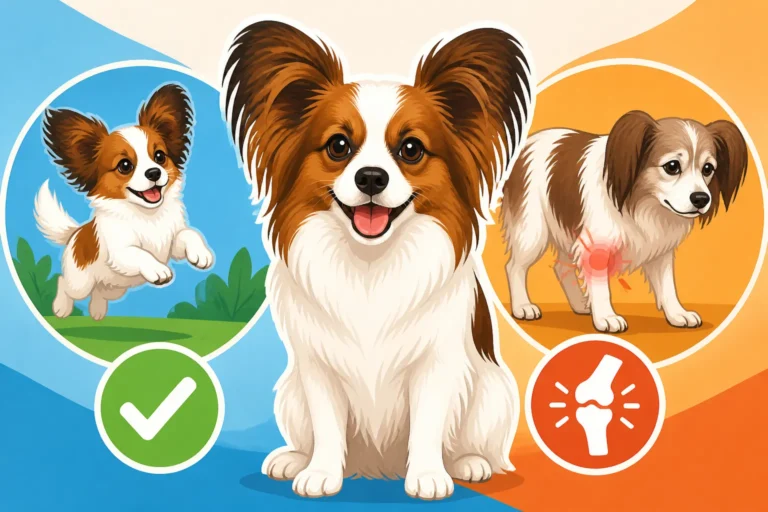
While living with an affected Papillon is undeniably challenging, the profound lessons learned from conditions like Neuroaxonal Dystrophy underscore the absolute critical importance of prevention. For prospective Papillon owners, this means doing your homework and choosing a reputable breeder who prioritizes health testing. Don't be afraid to ask direct questions about genetic screening for NAD, PRA1, patellar luxation, and other known breed health concerns. A responsible breeder will be transparent about their testing protocols and readily share results for their breeding dogs.
By supporting breeders who actively test for and breed away from genetic diseases like NAD, you contribute directly to the long-term health and well-being of the entire Papillon breed. It's a collective effort, where informed choices by buyers drive responsible practices by breeders, ensuring that fewer families have to face the heartbreak of an untreatable genetic condition. Education is truly the best defense against diseases that currently have no cure. You might find "What a Papillon Breeder Should Have Tested" to be a very useful resource when looking for a puppy.
Disclaimer
The information provided in this article is for educational and informational purposes only and does not constitute veterinary advice. Always consult with a qualified veterinarian or veterinary specialist for any health concerns or before making any decisions about your pet's health or treatment plan.