Whether a Papillon Needs Both Knees Done
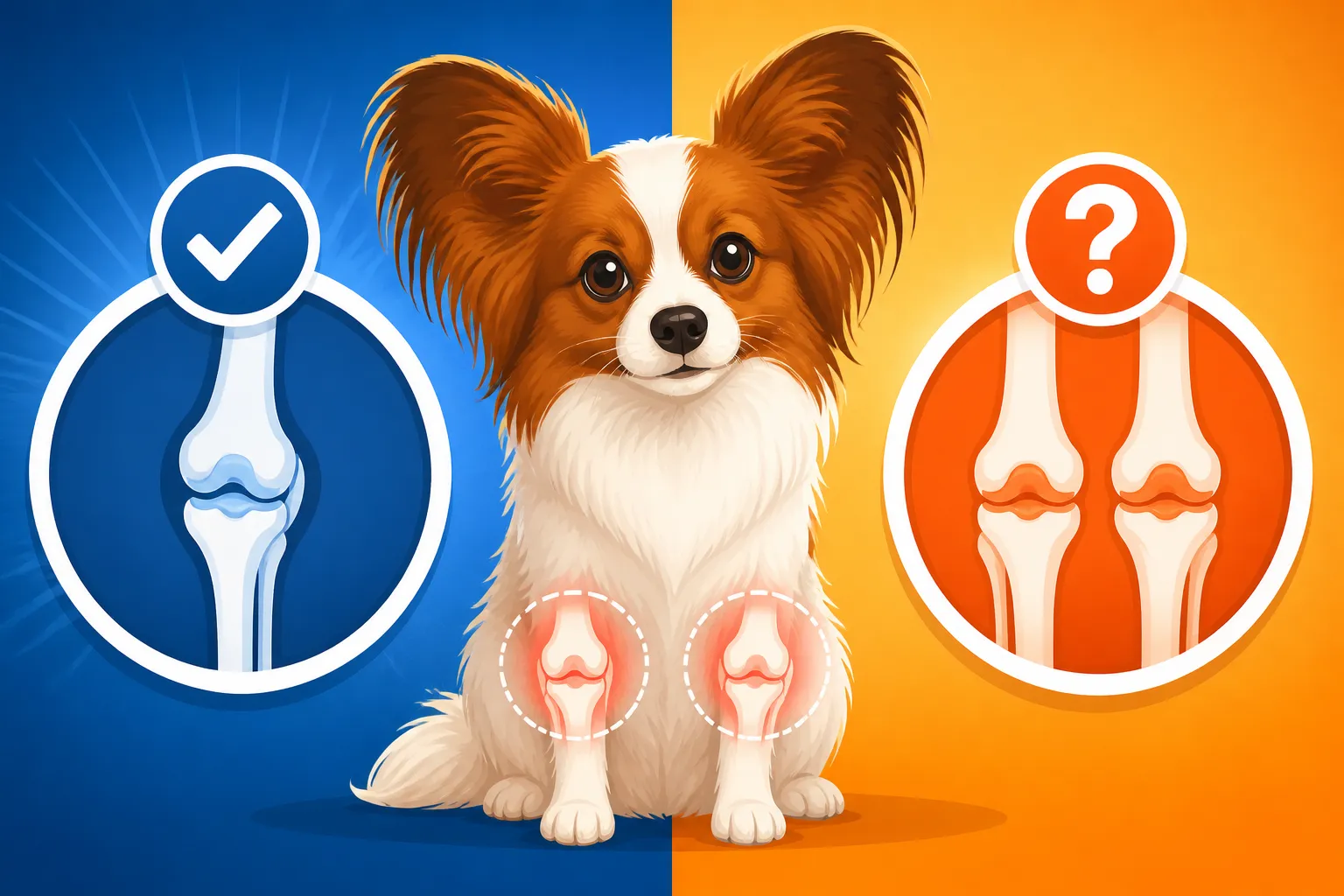
One of the most heart-wrenching concerns for any Papillon parent is seeing their lively, energetic companion suddenly skip a step or hold up a little leg. If your vet has mentioned patellar luxation, you’re likely grappling with the possibility of surgery, and a common, often terrifying, question quickly follows: "Does my Papillon need both knees done?" This guide will walk you through understanding this condition and navigating the tough decisions about surgical intervention, especially when both knees are involved.
Understanding Patellar Luxation in Papillons
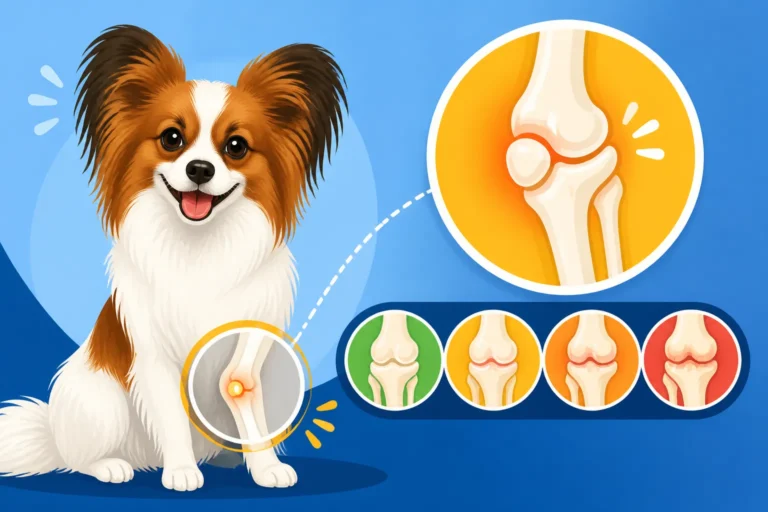
Patellar luxation, often simply called a "slipping kneecap," is unfortunately quite common in smaller breeds, and our beloved Papillons are no exception. It's a condition where the patella (kneecap) dislocates or moves out of its normal groove on the thigh bone (femur). This can happen suddenly, or it can be a chronic issue that worsens over time, causing pain and impacting your dog's mobility.
How Patellar Luxation Manifests in Papillons
When a Papillon's kneecap slips, it can manifest in various ways, from a subtle skip in their gait to outright lameness. You might notice your Papillon suddenly yelp, hold a back leg up for a few steps, and then seemingly act as if nothing happened. This "skipping" is often the most common sign. Sometimes, the kneecap might slip out and then pop back into place on its own, which is why the lameness can appear intermittent. The severity of patellar luxation is graded, usually from Grade I (mild, occasional slipping) to Grade IV (severe, permanently dislocated kneecap). A Grade I might just be a cosmetic issue, but a Grade IV can lead to significant pain, arthritis, and a severely compromised quality of life. Understanding what patellar luxation does to a Papillon can help you recognize these subtle signs early on.
It's not just about the immediate discomfort; recurring luxation can cause wear and tear on the joint cartilage, leading to painful arthritis down the line. Imagine your own knee constantly grinding in the wrong place – that's what your Papillon could be experiencing. Even if your dog seems to manage, the underlying structural issue is still there, quietly doing damage. Over time, the groove the kneecap sits in can become shallower, and the surrounding ligaments can stretch, making the problem worse. This can even affect how a Papillon walks, potentially leading to a bow-legged appearance as they try to compensate for the instability.
Why Papillons Are Prone to This Condition
Papillons, like many toy breeds, have a genetic predisposition to patellar luxation. Their small, delicate bone structure can be a contributing factor. The precise angle of the femur, the depth of the trochlear groove (where the kneecap sits), and the alignment of the patellar ligament can all play a role. Often, the issue is inherited, meaning it's passed down through generations. This is why reputable breeders are so diligent about screening their breeding dogs for orthopedic problems. Despite their generally robust health and impressive lifespans, patellar luxation is the Papillon problem you will actually meet more often than not.
Beyond genetics, external factors can sometimes exacerbate the condition. Obesity, even a few extra ounces on a tiny Papillon frame, can put undue stress on the knee joints. Similarly, repetitive high-impact activities, especially in young puppies whose joints are still developing, might contribute. While some Papillons might live their entire lives with a low-grade luxation without needing intervention, others will experience pain and progression that necessitates treatment. It’s a cruel twist that these energetic little dogs, so keen on jumping and playing, are often burdened with such a structural weakness.
Diagnosing and Assessing Patellar Luxation
If you suspect your Papillon has a slipping kneecap, getting an accurate diagnosis is the crucial first step. Early intervention, or at least early monitoring, can make a significant difference in their long-term comfort and mobility. Don't hesitate to reach out to your veterinarian if you see any of the signs a Papillon's kneecap slips.
The Veterinary Examination Process
When you take your Papillon to the vet with concerns about their knee, the first thing they'll do is a thorough physical examination. This usually involves manipulating your dog's hind legs and feeling the kneecap. They'll gently try to push the patella out of its groove to assess how easily it luxates and in which direction (medial luxation, where it slips inward, is most common in small breeds). They'll also check for any clicking sounds, signs of pain, and how your dog reacts to the manipulation. This hands-on approach allows the vet to grade the luxation and determine its severity.
During this examination, your vet will also assess the overall health of the joint, looking for signs of swelling or muscle atrophy. They might watch your Papillon walk or run to observe their natural gait. This comprehensive physical exam is often enough for an initial diagnosis and to give a preliminary grade to the patellar luxation. It’s a skill refined by experience, and a good vet can tell a lot just by feeling the joint.
Imaging and Further Diagnostics
While a physical exam provides a good deal of information, X-rays are often recommended, especially if surgery is being considered. X-rays allow the vet to visualize the bones and assess the extent of any skeletal deformities that might be contributing to the luxation. They can also show secondary changes in the joint, such as early signs of arthritis, shallow trochlear grooves, or malalignment of the tibia (shin bone) or femur. These images are crucial for surgical planning, as they help the surgeon understand the specific anatomical issues that need correcting.
Sometimes, if the case is complex or if other joint issues are suspected, your vet might recommend further imaging like CT scans or MRI, especially if an orthopedic specialist is involved. These advanced diagnostics can provide an even more detailed view of the soft tissues and intricate joint structures. This helps ensure that if surgery is performed, it addresses all the underlying problems, giving your Papillon the best chance for a full recovery. If your vet suggests an orthopedic consult, it's a wise step to get specialized eyes on the problem, ensuring a comprehensive assessment.
Deciding on Surgical Intervention for Patellar Luxation
The decision to proceed with surgery is a big one, fraught with anxiety for any pet owner. It's not always a straightforward choice, and there are many factors to weigh, especially when both knees are involved.
When One Knee Needs Surgery
If your Papillon has patellar luxation in only one knee, the decision for surgery typically hinges on the severity of the luxation and the impact it has on your dog's quality of life. Generally, Grade I luxations are often managed conservatively with weight control, supplements, and controlled exercise, and surgery is rarely necessary. However, for Grade II, III, or IV luxations, especially if your Papillon is showing consistent pain, lameness, or difficulty with normal activities like running and jumping, surgery becomes a strong consideration. The goal of surgery is to stabilize the kneecap, prevent it from slipping, and minimize the progression of arthritis.
Your vet will consider several factors: your dog's age, activity level, and overall health. A young, active Papillon with a Grade II or III luxation might benefit significantly from early surgical intervention to prevent long-term damage and pain. In contrast, an older Papillon with mild, intermittent symptoms and existing arthritis might be a better candidate for conservative management. It's a highly individualized decision, always made in consultation with your veterinarian, and possibly an orthopedic specialist. Remember, whether a Papillon's knee surgery is always necessary truly depends on the specific circumstances.
When Both Knees Are Affected
It's quite common for Papillons to have bilateral patellar luxation, meaning both knees are affected. This can be more complex to manage than unilateral cases. You might see one knee appear much worse than the other, or both might be equally problematic. When discussing surgery for bilateral luxation, vets will consider the severity in each knee and how much each leg contributes to your dog's overall discomfort and mobility issues. It's a delicate balance because operating on both knees simultaneously or in close succession doubles the recovery challenge for your little dog.
Sometimes, one knee is significantly worse and causes the most obvious symptoms, leading owners to believe it's the only problem. However, upon examination, the other knee might also show a lesser degree of luxation. Ignoring the less severe knee might lead to issues down the road as the dog compensates, putting more stress on the "good" leg after the first surgery. It’s a tricky situation that requires careful planning to optimize recovery and long-term joint health.
Factors Influencing the Decision for Bilateral Surgery
Deciding to fix both knees on your Papillon involves a serious discussion with your vet and an orthopedic surgeon. Key factors include:
- Severity of Luxation in Each Knee: If both knees are Grade III or IV, surgery is highly recommended. If one is Grade III and the other is a stable Grade I, you might opt to address only the more problematic knee first.
- Impact on Quality of Life: Is your Papillon in constant pain? Are they unable to run, jump, or play normally? If their daily life is severely restricted by bilateral luxation, addressing both is usually the best path to restoring their mobility.
- Age and Health of Your Papillon: Younger, otherwise healthy Papillons tend to recover better from surgery. For older dogs, the risks of anesthesia and the demands of rehabilitation must be carefully considered. It's vital to have a full pre-anesthetic workup.
- Financial Considerations: Bilateral surgery, whether staged or simultaneous, is a significant financial commitment. This is where pet insurance, like a plan from Healthy Paws, can be an absolute lifesaver, helping to cover the substantial costs involved.
- Rehabilitation Capacity: Can you commit to the intensive post-operative care and rehabilitation for one or possibly two recovery periods? This is a crucial, often overlooked, aspect of successful outcomes.
Ultimately, the goal is to improve your Papillon's comfort and long-term mobility. Sometimes, fixing just one knee improves things enough, but often, if both are compromised, bilateral correction offers the best outcome.
The Logistics of Bilateral Patellar Luxation Surgery
Once the decision is made to address both knees, the next logistical hurdle is determining how and when to do it. There are generally two approaches: staging the surgeries or performing them simultaneously.
Staging the Surgeries
Staging the surgeries means operating on one knee, allowing it to fully recover, and then operating on the second knee later. This is a very common approach, especially for small dogs. The primary benefit is that your Papillon always has one "good" leg to stand on during the initial recovery period. This can make going to the bathroom, eating, and simply getting around much easier and less painful. Recovery from knee surgery for a Papillon is a demanding process, requiring strict rest and controlled movement. Having one leg still functional can significantly reduce the physical and emotional stress on your dog.
Typically, surgeons recommend waiting anywhere from 8-12 weeks, or even longer, between surgeries. This allows the first knee to heal completely, the bone to consolidate, and the muscles to regain strength. It also gives you, the owner, a chance to get through one rehabilitation period before starting another. While this approach extends the overall treatment timeline, it often results in a smoother, less complicated recovery for the dog.
Simultaneous Bilateral Surgery
In some specific cases, a veterinary orthopedic surgeon might recommend simultaneous bilateral patellar luxation surgery, meaning both knees are operated on in the same session. This is less common for patellar luxation, but can be considered if both knees are severely affected and the surgeon believes your Papillon can manage the recovery. The main advantages are that your dog only goes under anesthesia once, and there's only one recovery period. This can reduce overall costs slightly (less anesthesia time, fewer vet visits for pre/post-op for the second surgery) and gets the entire process over with faster.
However, the downsides are significant, especially for a small breed like a Papillon. Your dog will be unable to use either back leg properly, making mobility extremely challenging. This requires intensive nursing care, often including slings for support, and can be very painful and stressful. The risk of complications is also higher. This option is typically reserved for very specific situations and is a decision made carefully by a highly experienced surgeon who believes the benefits outweigh the considerable risks for your individual dog.
Post-Operative Care and Rehabilitation
Regardless of whether one or both knees are done, post-operative care and rehabilitation are absolutely critical for a successful outcome. This isn't just a "set it and forget it" kind of surgery. For the first few weeks, strict crate rest is usually enforced, meaning no running, jumping, or excessive activity. Short, controlled leash walks for potty breaks are usually the extent of their permitted movement. Pain medication and anti-inflammatories will be prescribed, and it’s vital to administer them exactly as directed.
After the initial rest period, a gradual rehabilitation program will begin. This might include gentle range-of-motion exercises, passive flexion and extension, and eventually, controlled walking on different surfaces. Many vets recommend formal physical therapy with a certified canine rehabilitation therapist. These specialists use techniques like underwater treadmills, therapeutic exercises, and massage to help your Papillon regain strength, flexibility, and proper gait. This dedication to recovery helps ensure the surgical repair holds and your Papillon regains full use of their legs. Again, this is where having financial support from a pet insurance provider like Healthy Paws can significantly ease the burden of these essential, but often costly, rehab sessions.
Life After Patellar Luxation Surgery
Seeing your Papillon bounce back after surgery is one of the most rewarding experiences. But what does life look like long-term, and how can you best support their continued health?
Long-Term Outlook and Management
The long-term outlook for Papillons who undergo patellar luxation surgery is generally very good, especially with proper surgical technique and diligent post-operative care. Most dogs regain excellent function and are able to enjoy a pain-free, active life. However, it's important to have realistic expectations. Even with successful surgery, some degree of arthritis might develop over time, particularly if the luxation was severe or present for a long period before intervention. This is why ongoing management is key.
This might involve lifelong joint supplements (glucosamine, chondroitin, omega-3 fatty acids), maintaining an ideal body weight, and ensuring regular, moderate exercise. Your vet might also recommend periodic check-ups to monitor joint health and address any emerging arthritic pain early with medication or other therapies. While the surgery aims to fix the mechanical issue, it cannot undo all the wear and tear that might have occurred. Most Papillons, however, return to being the joyous, acrobatic companions we know and love.
Preventing Future Issues
Once your Papillon has recovered from patellar luxation surgery, you'll want to do everything you can to prevent future issues and protect their delicate knees. Maintaining an ideal body weight is paramount; even a little extra weight can significantly strain healing or healthy joints. Regularly check your Papillon's weight and adjust their food intake as needed. You can learn more about whether weight affects a Papillon's knees.
Consider making some adjustments around your home, too. Providing ramps or steps for furniture can prevent risky jumps and hard landings that put stress on their knees. Keeping their nails trimmed short also helps them maintain better traction and alignment when walking. If you have slippery floors, consider rugs or runners to give them better grip. Finally, avoid excessively high-impact activities or sudden, twisting movements, especially during play with larger dogs. By being mindful and proactive, you can help ensure your Papillon enjoys many more years of happy, active living. Setting up a house that protects a Papillon's knees is a proactive step that pays dividends.
Comparison: Unilateral vs. Simultaneous Bilateral Surgery
Choosing between fixing one knee at a time or both at once is a major decision. Here's a brief comparison to help you weigh the pros and cons:
| Feature | Unilateral (Staged) Surgery | Simultaneous Bilateral Surgery |
|---|---|---|
| Anesthesia Episodes | Two separate general anesthesia events | One general anesthesia event |
| Recovery Period | Two distinct recovery periods, spread over months | One intensive recovery period |
| Immediate Mobility | Dog has one functional hind leg for support | Dog has limited use of both hind legs, requiring more support |
| Pain Management | Pain concentrated on one limb at a time | Pain experienced in both hind limbs simultaneously |
| Rehabilitation Intensity | More manageable, focused on one leg at a time; two rounds | Extremely challenging and demanding for both dog and owner |
| Risk of Complications | Potentially lower risk per surgery, but two separate risks | Higher risk of complications due to widespread trauma and limited mobility |
| Overall Cost | Potentially higher overall due to two anesthesia events, etc. | May be slightly lower due to single anesthesia/hospitalization, but often similar |
| Mental Stress on Dog | Generally lower, as they always have a functional leg | Significantly higher due to severe mobility impairment |
As you can see, the staged approach is often preferred for Papillons due to their small size and the need for at least one functional leg during recovery. Always discuss these options thoroughly with your orthopedic specialist.
Disclaimer
The information provided in this article is for general informational purposes only and is not a substitute for professional veterinary advice. Always consult with a qualified veterinarian or animal healthcare professional for any health concerns or before making any decisions related to your pet's care.