The Age a Papillon Outgrows Hypoglycemia
Bringing home a tiny Papillon puppy is an absolute joy, but it can also come with a significant dose of anxiety, especially when you start worrying about their delicate health. One of the biggest fears for new owners of these small, energetic bundles is the dreaded hypoglycemia, or low blood sugar. It's a terrifying experience to see your vibrant puppy suddenly become listless, wobbly, or even unresponsive. This guide is here to shed light on what hypoglycemia means for your little Papillon, the crucial age when they typically move past this risk, and how you can confidently navigate those first few fragile months.
Understanding Hypoglycemia in Papillon Puppies
Let's be honest, those adorable, tiny Papillon puppies are just so delicate, aren't they? Their miniature size is part of their charm, but it also means their bodies work a little differently, especially when they're very young. Hypoglycemia is a condition where your puppy's blood sugar levels drop too low, and it's particularly common in toy breeds like Papillons, especially when they're young. It's not just a minor issue; it can be a serious, even life-threatening, problem if not addressed quickly.
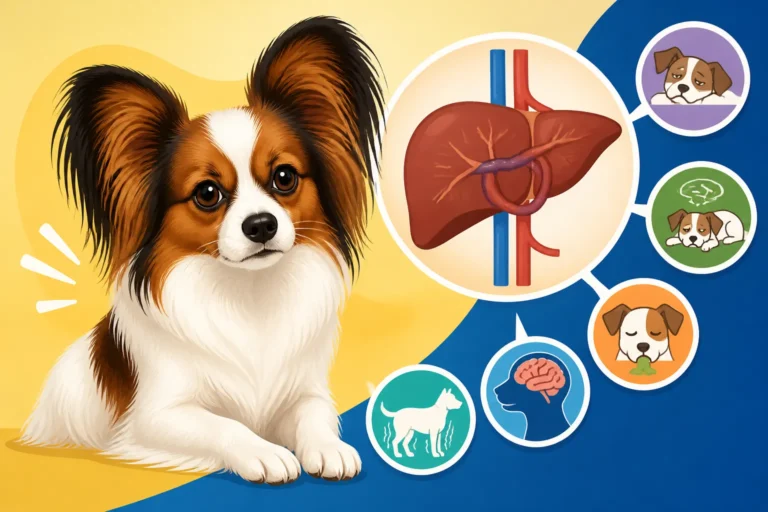
The science behind it is fairly simple: puppies, especially those under three or four months old, have tiny livers that aren't quite mature enough to efficiently store glycogen, which is the body's primary form of stored glucose. Glucose is what fuels their brain and muscles, keeping them running and playing. When their bodies burn through their available glucose faster than their liver can replenish it, or if they miss a meal, their blood sugar can plummet. This is why you'll often hear about how critical it is to keep tiny puppies eating regularly. Understanding the mechanics of this can help you keep your little one safe, and you might want to read more about Whether a Papillon Gets Hypoglycemia as a Puppy to truly grasp the specifics of the breed's predisposition.
When a Papillon Puppy Outgrows Hypoglycemia
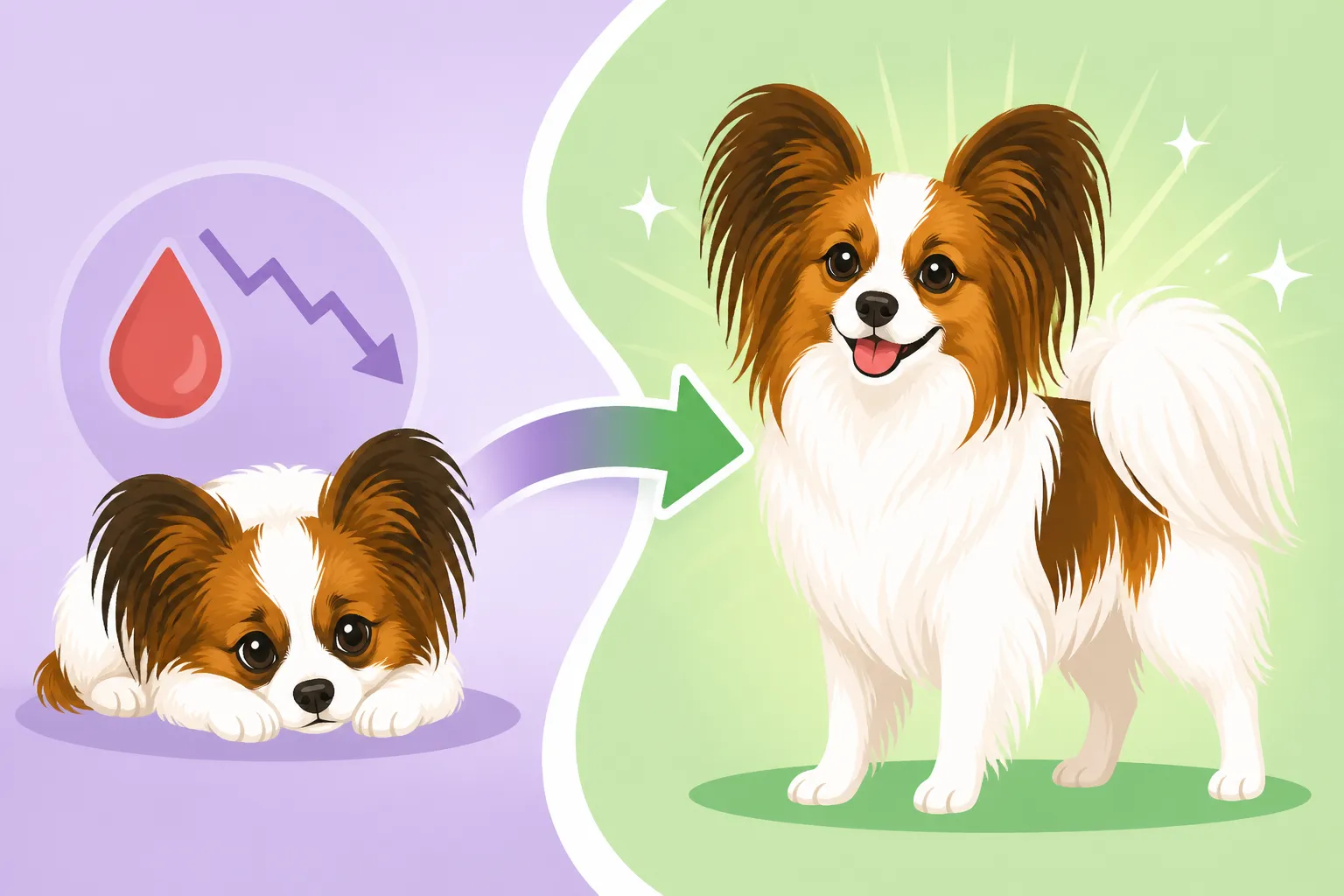
This is often the million-dollar question for worried Papillon owners: when can you finally breathe a sigh of relief? Generally speaking, a Papillon puppy typically starts to outgrow the most severe risk of hypoglycemia around 12 to 16 weeks of age, or when they reach about 4 to 5 pounds in weight. It’s not a switch that flips overnight, but rather a gradual development as their little bodies mature.
During this critical developmental period, their liver becomes more efficient at storing and releasing glycogen, allowing them to better regulate their blood sugar levels. As they grow, their body mass increases, giving them a larger reserve of energy to draw upon. This means they're less likely to experience those dramatic drops in blood sugar that can be so frightening. However, it's still incredibly important to maintain a consistent feeding schedule and monitor them closely even past this age, especially if they're particularly tiny or prone to skipping meals. No matter the breed, every puppy is an individual, and some might take a little longer to fully stabilize. You should also be aware of the Age a Papillon Is Considered Senior to understand their health trajectory throughout their life.
Developmental Milestones and Hypoglycemia Risk
Think of a Papillon puppy's development as a series of crucial milestones, each impacting their vulnerability to low blood sugar. In the very first weeks, they're entirely dependent on their mother for consistent nutrition. Once they start weaning and transitioning to solid food, the responsibility shifts to us.
- Under 8 Weeks: At this age, puppies are extremely fragile. They have tiny stomachs, burn calories incredibly fast, and their immature livers offer little backup. Missing even one meal can be disastrous. This is why reputable breeders are so meticulous about feeding and monitoring. You can often see the signs if a puppy is not doing well, which is why it's so helpful to know Signs a Papillon Puppy Is Not Thriving.
- 8 to 12 Weeks: This is a common age for puppies to go to their new homes, and it's a period of high vigilance for owners. Stress from a new environment, coupled with their still-developing systems, can make them susceptible. Consistent, small, frequent meals are paramount.
- 12 to 16 Weeks: As mentioned, this is the turning point for most. They're growing rapidly, their organs are maturing, and their ability to cope with short periods between meals improves. They're also often fully vaccinated by now, starting to explore the world with more confidence.
- Over 16 Weeks: While the acute risk significantly decreases, stress, extreme exertion, or prolonged periods without food can still trigger a hypoglycemic episode in a particularly small or unwell Papillon. It's less common, but not impossible. It's a good idea to always have some emergency glucose on hand, just in case.
This isn't to say your puppy will instantly be out of the woods on their 16-week birthday. It's a guideline, and individual puppies will develop at their own pace. Always err on the side of caution.
Factors Influencing When Hypoglycemia Is Outgrown
Several factors can influence how quickly, or slowly, your Papillon puppy moves past the hypoglycemia risk. Understanding these can help you tailor your care and observations.
- Size and Weight: This is perhaps the most significant factor. A smaller-than-average Papillon, sometimes affectionately called a "teacup" (though this isn't a recognized size and can come with more health risks), will likely be at risk for a longer period. Their tiny bodies have less fat and glycogen reserves, making them more vulnerable to rapid blood sugar drops. A larger, sturdier Papillon, closer to the middle or upper end of the breed standard weight, might outgrow the risk earlier. It's worth remembering that Weighing a Papillon Puppy Every Week can be a useful tool to track their growth and help you gauge their risk level.
- Overall Health and Vigor: A healthy, robust puppy with a strong appetite and no underlying health issues will generally develop faster and be less prone to hypoglycemia. Puppies that have been unwell, have parasites, or struggle with appetite might remain at risk for longer. This highlights why good veterinary care, including regular check-ups and following The Vaccination Schedule a Papillon Puppy Needs, is so vital.
- Stress Levels: Stress, whether from moving to a new home, changes in routine, or even too much boisterous play, can burn through a puppy's energy reserves more quickly. A calm, consistent environment helps them thrive and regulate their blood sugar more effectively.
- Nutritional Intake: This cannot be emphasized enough. Consistent, high-quality nutrition is the cornerstone of preventing hypoglycemia. If a puppy isn't eating enough, or isn't eating food that provides adequate energy, their blood sugar will suffer. This is why knowing How Often a Papillon Puppy Must Eat to Stay Safe is so important.
Managing and Preventing Hypoglycemia in Papillon Puppies
The good news is that hypoglycemia in Papillon puppies is highly preventable with diligent care. Being proactive is the best defense against those scary episodes. It's all about consistency, observation, and being prepared.
Establishing a Consistent Feeding Schedule
This is absolutely non-negotiable for young Papillon puppies. Their little systems can't handle long stretches without food.
- Frequent Small Meals: For puppies under 4 months, aim for 4-5 small meals per day. Instead of two large meals, think of it as a constant trickle of fuel for their tiny furnaces. For example, if you feed them at 7 AM, 11 AM, 3 PM, and 7 PM, that gives them no more than about 4-hour gaps during the day. Before bed, a tiny snack might even be beneficial.
- High-Quality Puppy Food: Choose a reputable brand of puppy kibble formulated for small breeds. These often have higher calorie densities in smaller pieces that are easier for their tiny mouths to manage. Wet food can also be offered, especially if your puppy is a picky eater, but ensure it's balanced.
- Monitoring Intake: It's not enough to just put the food down. Watch your puppy eat. Are they finishing their meals? Are they eating enthusiastically? If a puppy skips a meal or eats very little, that's a red flag. Don't assume they'll just eat more at the next meal. Offer a tempting alternative, like a little wet food or a dab of Nutri-Cal or similar high-calorie supplement, to get some calories into them.
Creating a Low-Stress Environment
Stress is a silent energy drainer for puppies. A calm home helps them conserve energy and contributes to stable blood sugar.
- Quiet Resting Spots: Ensure your puppy has a safe, quiet den where they can retreat and sleep undisturbed. Overtired puppies are more prone to crashes. This might be a crate covered with a blanket, or a comfy bed in a low-traffic area.
- Limited Play Sessions: While Papillons are playful, don't let a young puppy play to the point of exhaustion. Short, frequent play sessions are better than one long, intense one. Always provide immediate access to water and a rest period afterward.
- Consistent Routine: Dogs, especially puppies, thrive on routine. Predictable meal times, potty breaks, and bedtimes reduce anxiety and help their bodies function optimally.
Essential Supplies to Have on Hand
Being prepared is crucial. These items can be lifesavers if your puppy experiences a hypoglycemic episode.
- Karo Syrup or Honey: A small bottle of light Karo syrup (the corn syrup kind) or even a jar of honey is a must-have. These are simple sugars that absorb quickly into the bloodstream. Many vets recommend having this ready.
- Nutri-Cal or High-Calorie Supplement: These are palatable pastes packed with calories, vitamins, and minerals, designed to give a quick energy boost. They're great for puppies who are picky eaters or might need an extra boost during a stressful time.
- Syringe (without needle): A small oral syringe can be invaluable for administering liquid sugar or supplements to a lethargic puppy.
- Thermometer: A rectal thermometer is important for checking your puppy's temperature, as hypoglycemia can often lead to a dangerously low body temperature.
- Emergency Vet Contact Info: Always have your regular vet's number and the number for the nearest 24-hour emergency veterinary clinic easily accessible. Pet insurance providers, like Healthy Paws, often have helplines or online portals that can help you locate emergency care quickly, which can be invaluable in a crisis.
| Preventative Measure | Description | Why It Helps |
|---|---|---|
| Frequent Small Meals | Feed 4-5 small meals daily for puppies under 4 months. | Ensures a continuous supply of glucose, preventing sharp drops. |
| High-Quality Puppy Food | Use calorie-dense, small-breed puppy kibble or balanced wet food. | Provides necessary energy and nutrients; easy for tiny mouths to eat. |
| Monitor Food Intake | Observe if your puppy finishes meals; offer tempting alternatives if they refuse. | Catches skipped meals or poor appetite early, preventing energy deficit. |
| Low-Stress Environment | Provide quiet resting spots, limit play sessions, maintain routine. | Reduces energy expenditure from stress, helping conserve glucose. |
| Emergency Glucose Source | Keep Karo syrup or honey readily available. | Rapidly raises blood sugar during an episode. |
| Nutri-Cal/High-Calorie Gel | Have a palatable, calorie-dense supplement on hand. | Provides quick, concentrated energy for a struggling or picky eater. |
| Regular Vet Check-ups | Ensure your puppy is up-to-date on vaccinations and deworming. | Addresses underlying health issues that could exacerbate hypoglycemia. |
What to Do If Your Papillon Puppy Experiences a Hypoglycemic Episode
Despite your best efforts, sometimes a puppy can still have a hypoglycemic episode. It's terrifying, but knowing exactly what to do can make all the difference. Remember, swift action is key. You might feel panicked, but try to stay calm and follow these steps. For more detailed actions, refer to What to Do When a Papillon Puppy Crashes.
Recognizing the Signs of Low Blood Sugar
Being able to spot the early warning signs is your first line of defense. They can come on quickly, so pay close attention if your puppy seems "off."
- Lethargy and Weakness: This is often the first noticeable sign. Your normally playful Papillon might become unusually quiet, slow-moving, or simply want to sleep all the time. They might struggle to stand or walk.
- Wobbliness or Uncoordination: Their movements might become jerky, or they might seem to trip over their own paws. They could lose balance easily.
- Tremors or Shivering: You might notice subtle (or not so subtle) shaking, even if they're not cold.
- Dull Gums and Eyes: Their gums might appear paler than usual, and their eyes could look glazed over or unfocused.
- Vomiting or Diarrhea: In some cases, gastrointestinal upset can occur, further complicating the situation as it can lead to dehydration and more rapid blood sugar depletion.
- Collapse or Seizures: In severe cases, the puppy might collapse, become unresponsive, or even have a seizure. This is a medical emergency requiring immediate attention. Many of these signs are covered in depth in Signs a Papillon Puppy Has Low Blood Sugar.
Immediate First Aid Steps
If you suspect your Papillon puppy is hypoglycemic, act immediately. Time is of the essence.
- Administer Sugar: The quickest way to raise their blood sugar is to rub a small amount (about a pea-sized drop) of Karo syrup or honey onto their gums. Don't try to force them to swallow if they're unconscious or struggling, as they could choke. The sugar absorbs through the mucous membranes in their mouth. You can use a clean finger or an oral syringe. Reapply every 5-10 minutes if they're not improving.
- Keep Them Warm: Hypoglycemia often leads to a drop in body temperature. Wrap your puppy in a warm blanket or towel, or hold them close to your body. You can also use a hot water bottle (wrapped in a towel to prevent burns) or a heating pad on a low setting placed under part of their blanket.
- Offer Food (if conscious): If your puppy starts to perk up after the sugar, offer a small amount of their regular puppy food, or something highly palatable like wet food or plain cooked chicken. It's crucial to get some sustained calories into them once they are able to swallow safely.
- Contact Your Veterinarian IMMEDIATELY: Even if your puppy seems to recover after sugar, a vet visit is imperative. Hypoglycemia can recur, and there might be an underlying cause that needs addressing. Describe the symptoms, what you've done, and head to the clinic as soon as possible. Your vet will want to assess them, check their blood sugar, and potentially give intravenous fluids and glucose. This is where having pet insurance, like a plan from Healthy Paws, can be a huge relief, covering unexpected emergency costs.
Long-Term Outlook and Continued Care
While those early weeks can feel like walking on eggshells, the good news is that most Papillon puppies fully recover from and outgrow their susceptibility to hypoglycemia. Once their liver matures and they reach a healthy weight, the risk significantly diminishes.
Continued Vigilance Beyond Puppyhood
Even though the acute risk lessens, it's wise to remain vigilant throughout their first year and beyond, particularly if your Papillon is on the smaller side.
- Maintain Healthy Weight: An underweight dog is always more susceptible to health issues, and an overweight dog puts strain on their delicate joints, potentially leading to issues like patellar luxation. Ensure your Papillon maintains a healthy weight. Regularly checking in with your vet to make sure they're in good condition, especially considering that How Long a Papillon Lives is quite impressive, is a good habit.
- Consistent Meals and Snacks: While they won't need 4-5 meals a day as adults, sticking to a regular schedule of 2-3 meals is beneficial. If your adult Papillon is particularly active or prone to picky eating, a small, healthy snack between meals can still be a good idea.
- Monitor During Illness or Stress: If your adult Papillon becomes ill, especially with vomiting or diarrhea, or experiences a period of high stress (like boarding or a long trip), keep a closer eye on their appetite and energy levels. These situations can still trigger low blood sugar, even in mature dogs. It's also vital to be mindful of how their small size impacts other procedures, like Anesthesia and a Five Pound Papillon, which requires careful monitoring.
- Responsible Breeding Practices: If you ever consider breeding your Papillon, ensure you are working with a breeder who tests for genetic health conditions and understands puppy care thoroughly. Knowing What a Papillon Breeder Should Have Tested helps ensure healthy puppies from the start.
The Importance of Comprehensive Veterinary Care
Regular vet visits are paramount for your Papillon's overall health and to catch any potential issues early.
- Annual Wellness Exams: These check-ups allow your vet to monitor your dog's weight, dental health (a common issue in Papillons, as you can read in The Teeth in a Papillon's Small Jaw), and general well-being.
- Discuss Any Concerns: Don't hesitate to bring up any concerns about appetite, energy levels, or behavior changes with your vet. They can help identify if any underlying issues might be impacting your dog's health.
- Pet Insurance: The cost of emergency vet care, especially for conditions like severe hypoglycemia or related complications, can be substantial. Investing in pet insurance early on, from providers like Healthy Paws, can provide financial peace of mind, allowing you to make medical decisions based on what's best for your Papillon, not your wallet. It's one of the items that contributes to What the First Year With a Papillon Costs, but it's an investment in their long-term health.
Taking a Papillon puppy through those first few months requires dedication and a watchful eye, but the reward of a happy, healthy adult dog is immeasurable. With consistent care and a good understanding of their unique needs, you can ensure your little butterfly dog flourishes.
Disclaimer
This article is intended for informational purposes only and does not constitute veterinary advice. Always consult with a qualified veterinarian for any health concerns or before making any decisions about your pet's medical care.