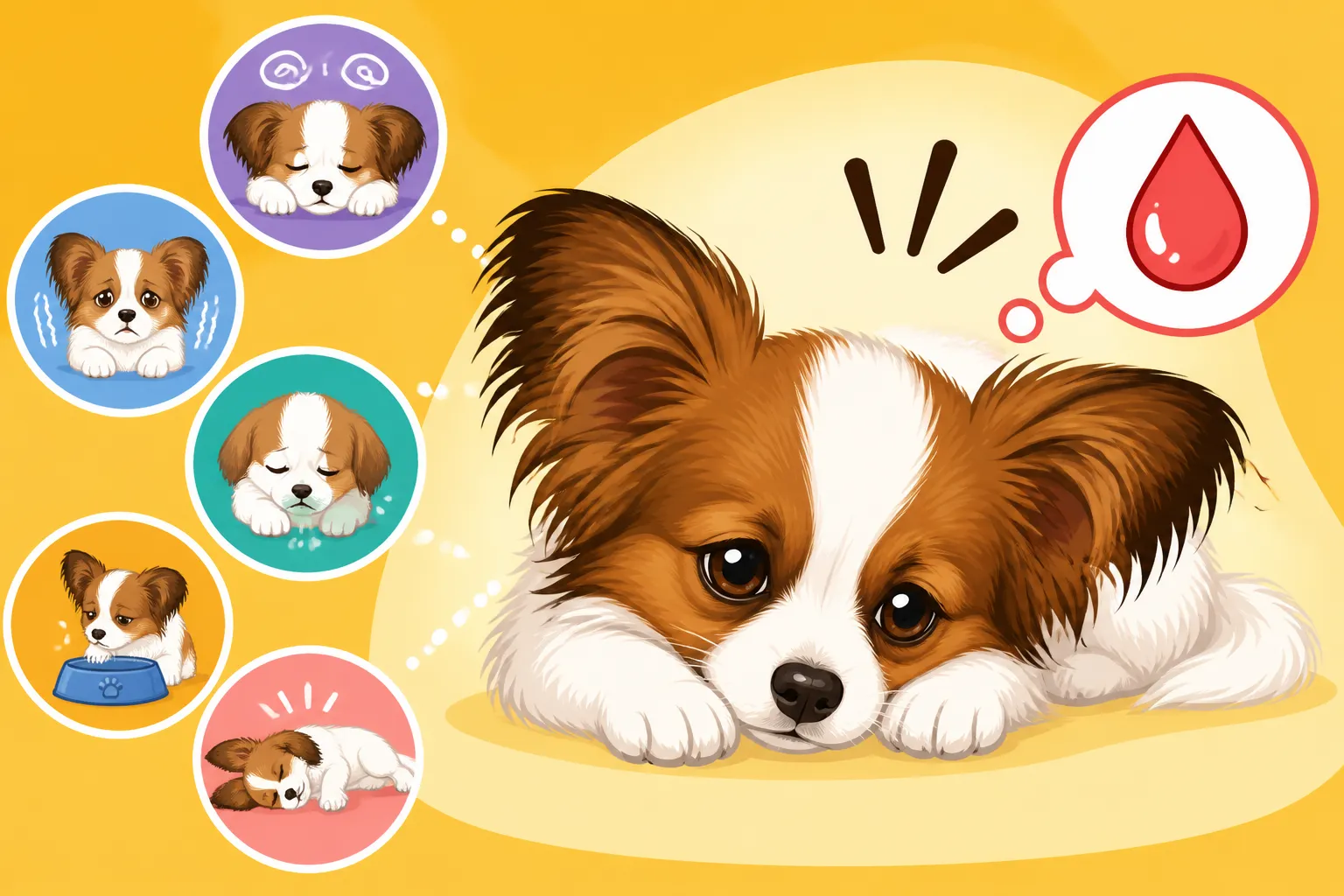
Signs a Papillon Puppy Has Low Blood Sugar
Bringing home a tiny Papillon puppy is an absolute joy, but it also comes with its unique set of anxieties, especially for first-time owners. One of the scariest possibilities, and unfortunately, a very real concern for these delicate little fluffs, is low blood sugar, medically known as hypoglycemia. It can strike quickly and, if not addressed, can have serious consequences. This guide is here to walk you through exactly what low blood sugar looks like in a Papillon puppy, what you can do about it, and how to best prevent it, so you feel confident and prepared to keep your little butterfly safe.
Understanding Hypoglycemia in Papillon Puppies
Hypoglycemia, or low blood sugar, is a state where the glucose levels in a puppy's bloodstream drop below normal. For tiny breeds like Papillons, this isn't just a minor issue; it can quickly become an emergency. Their small bodies have less capacity to store energy and manage their internal systems compared to larger breeds, making them particularly vulnerable.
Why Papillon Puppies Are Prone to Low Blood Sugar
Papillon puppies are born with an incredibly high metabolism, which means they burn through energy at a rapid rate. Couple that with their tiny size – a standard Papillon puppy might weigh just a few ounces at birth and only a couple of pounds at eight weeks old – and you have a recipe for potential trouble. Their livers, which are responsible for producing and releasing glucose into the bloodstream when needed, are still immature. This means they aren't as efficient at regulating blood sugar as an adult dog's liver would be.
Factors like missing a meal, being too cold, experiencing stress from a new environment, over-exertion, or even a minor illness can deplete their limited glucose reserves alarmingly fast. Imagine a tiny battery that drains quickly and can't hold much charge to begin with – that's often what we're dealing with in a young Papillon. They simply don't have the same physiological buffer as a bigger puppy. It's a constant tightrope walk for their little bodies, especially during the first few months of life. If you've ever wondered why your breeder was so insistent on frequent feedings, this is precisely why.
The Critical Role of Glucose in Puppy Health
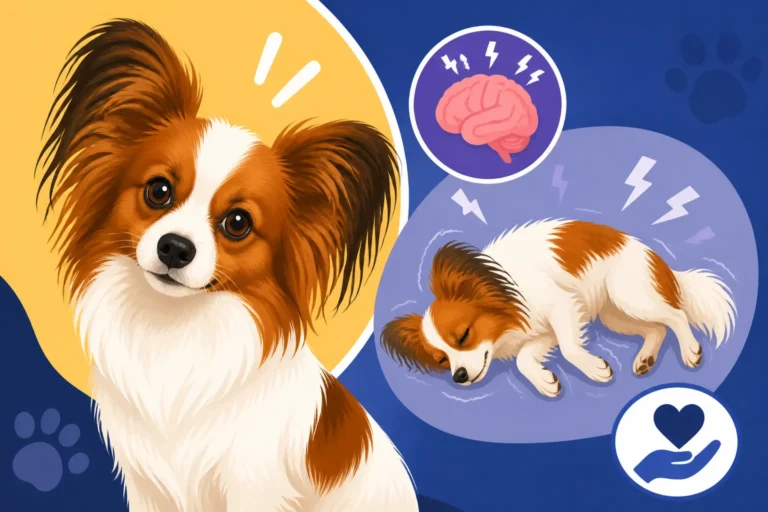
Glucose is essentially the primary fuel source for every cell in your Papillon puppy's body, but it's especially vital for the brain. Think of it as the high-octane gasoline for their internal engine. Without sufficient glucose, the brain cells can't function properly, leading to a cascade of neurological symptoms. This isn't like a human feeling a bit "hangry" or lightheaded; for a puppy, it can rapidly escalate to seizures, coma, and even death if not corrected quickly.
When blood sugar levels drop too low, the puppy's body desperately tries to conserve energy, shutting down non-essential functions. Their little brains begin to struggle, causing disorientation and weakness. It's a genuinely frightening situation for both the puppy and their human companions. This is why understanding the signs and knowing what to do immediately is so important, because every minute truly counts when a puppy's brain isn't getting the fuel it needs. You'll often hear about the critical period where The Age a Papillon Outgrows Hypoglycemia is around 4-6 months, but even after that, vigilance is key.
Recognizing the Early Warning Signs of Hypoglycemia
The key to successfully managing hypoglycemia is early detection. Papillon puppies are masters at masking discomfort, so you need to be observant and look for subtle clues that something isn't quite right. Don't wait for dramatic symptoms to appear.
Subtle Behavioral Changes to Watch For
Initially, a Papillon puppy with low blood sugar might just seem "off." They might be unusually quiet or less playful than usual. Instead of their typical zippy energy, chasing toys and demanding attention, they might just want to curl up and sleep. This isn't just normal puppy napping; it's a profound lethargy where they don't respond with their usual enthusiasm, or at all. You might notice they're not as interested in their food, even their favorite treats, which is a significant red flag for a food-motivated breed like the Papillon.
Another common sign is a general weakness. They might walk with less vigor, their tail might not wag with its usual zest, or they might seem to struggle a bit more with simple actions like climbing onto a low pet bed. If your typically bouncy little one seems listless and subdued, it’s time to start monitoring closely. This could be a mild case, where simply offering a meal might prevent it from worsening. However, if they don't perk up quickly, you should be concerned. Ensuring you're aware of Signs a Papillon Puppy Is Not Thriving is paramount.
Physical Symptoms That Indicate a Problem
As hypoglycemia progresses, the physical signs become more pronounced and alarming. One of the most common early physical indicators is shivering or trembling, even if the room temperature is comfortable. This is the body's attempt to generate heat and use energy, but it also rapidly depletes glucose reserves. You might also notice uncoordinated movements, like stumbling, staggering, or walking as if they're drunk. They might struggle to stand up or hold their head steady.
Their eyes might appear dilated, glassy, or unfocused, sometimes giving them a blank, vacant stare. If you gently touch their paws or ears, they might feel unusually cold to the touch. Another important check is their gums: healthy puppy gums are pink and moist. If they're pale or feel tacky, it's a strong sign that something is amiss internally. In more severe cases, the puppy might become disoriented, whimper, cry, or even vocalize strangely. These are all critical signs that prompt immediate action.
Here's a quick reference table to help differentiate between mild and severe signs:
| Symptom Category | Early/Mild Hypoglycemia | Advanced/Severe Hypoglycemia |
|---|---|---|
| Energy Level | Lethargy, unusually quiet, less playful, increased napping | Unresponsive, unable to stand, limp, collapses |
| Appetite | Disinterest in food/treats, skips meals | Refuses to eat or drink, difficulty swallowing |
| Motor Skills | Mild weakness, slow movements, slightly clumsy | Stumbling, staggering, uncoordinated, difficulty walking/standing |
| Physical (General) | Shivering, trembling, cool to the touch | Profound weakness, cold extremities, pale gums, rapid heartbeat |
| Neurological | Disorientation, confused look | Glassy eyes, blank stare, muscle twitching, seizures, coma |
| Vocalizations | Soft whimpers, unusual quietness | Whining, crying, odd yelps, silent unresponsiveness |
What to Do When You Suspect Low Blood Sugar
Spotting the signs is the first step; acting quickly is the second, and arguably the most crucial. Panicking is natural, but your puppy needs you to be calm and decisive.
Immediate First Aid at Home
If you suspect your Papillon puppy is experiencing low blood sugar, the goal is to get some form of sugar into their system immediately. The best first aid options are readily available in most homes or pet stores:
- Karo Syrup (Light Corn Syrup): This is a classic for a reason. It's quickly absorbed and readily available.
- Honey: Similar to Karo syrup, honey is a simple sugar that can provide a fast energy boost.
- Nutri-Cal or other high-calorie veterinary supplements: Many breeders and vets recommend keeping these on hand. They are designed for quick absorption and provide concentrated calories.
How to administer:
Gently rub a small amount (about 1/4 to 1/2 teaspoon, depending on the puppy's size) of your chosen sugar source onto their gums. Do NOT try to force them to swallow it, as they could aspirate it into their lungs if they're too weak or disoriented. The sugar will absorb through the mucous membranes in their mouth. Repeat this every 5-10 minutes if necessary, until you see some improvement.
After administering the sugar, try to keep your puppy warm. Wrap them in a soft blanket or hold them close to your body. Once they show signs of perking up – perhaps they lift their head, their gums regain color, or they start to respond – offer a small amount of their regular food. If they eat, that’s a good sign, but you're not out of the woods yet. Remember, home treatment is an emergency measure, not a cure. You can refer to What to Do When a Papillon Puppy Crashes for more detailed steps.
When to Seek Veterinary Care
Even if your Papillon puppy seems to bounce back quickly after home treatment, a trip to the veterinarian is absolutely essential. Low blood sugar is often a symptom of an underlying issue, and a vet needs to rule out other problems or ensure the sugar levels stabilize properly. It's a bit like giving someone a band-aid for a deep cut – it helps immediately, but they still need to see a doctor.
You should head to the emergency vet immediately if:
- Your puppy doesn't respond at all to the sugar on their gums after 10-15 minutes.
- They are having seizures.
- They lose consciousness.
- Their gums remain pale or blue.
- They are extremely weak or unresponsive.
The vet will be able to check their blood glucose levels, administer intravenous dextrose if needed, and assess for any contributing factors such as infections, parasites, or congenital issues. It's always better to be overly cautious than to regret waiting. Having pet insurance like Healthy Paws can provide immense peace of mind in these stressful situations, as emergency visits can be costly. They offer various plans that could help cover unexpected veterinary bills, including those for critical conditions like severe hypoglycemia. Knowing you have that financial buffer allows you to focus solely on your puppy's health without added stress.
Preventing Hypoglycemia in Your Papillon Puppy
While it’s vital to know how to respond to an episode of low blood sugar, the best strategy is always prevention. By being proactive, you can significantly reduce the risk of your Papillon puppy experiencing this scary condition.
Consistent Feeding Schedules and Appropriate Diet
This is arguably the most critical aspect of prevention. Papillon puppies, especially those under six months old or those on the smaller side, need frequent meals. Often, this means feeding them three to four times a day, sometimes even more for very young or tiny individuals. For a comprehensive guide on their feeding needs, consider checking out How Often a Papillon Puppy Must Eat to Stay Safe. Free-feeding isn't always the best approach for these little ones, as they might not eat enough at once to sustain their energy levels, or they might graze instead of consuming a solid meal. Scheduled feedings allow you to monitor their intake and ensure they are getting adequate nutrition.
The type of food also matters. Choose a high-quality puppy kibble specifically formulated for small breeds. The kibble size should be appropriate for their tiny mouths to encourage eating. If your puppy is still extremely small or has trouble eating dry kibble, you might need to soften it with warm water or offer wet puppy food. Some breeders even recommend offering a small, easily digestible snack, like a tiny bit of plain cooked chicken or a dab of Nutri-Cal, before bedtime to help them through the overnight hours. This is especially relevant to the query, Whether a Papillon Puppy Should Be Fed Overnight. Consistency is key: try to feed at the same times each day to establish a routine. This helps their developing digestive system regulate itself and ensures a steady supply of glucose.
Managing Stress and Environmental Factors
Stress, even subtle forms, can trigger a hypoglycemic episode in a vulnerable Papillon puppy. Moving to a new home, exposure to new people or pets, loud noises, or being left alone for too long can all be stressful. Provide your puppy with a quiet, safe, and warm space where they can retreat and rest without interruption. Drafts and cold temperatures can cause a puppy to burn extra calories trying to stay warm, so ensure their bedding and living area are cozy.
Over-exertion is another sneaky culprit. While Papillons are energetic, spirited dogs, a very young puppy shouldn't be allowed to play vigorously for extended periods without rest. Short bursts of playtime followed by enforced naps are much better. Monitor their activity levels and encourage downtime. Always supervise interactions with children or larger pets to prevent accidental bumps or stresses. Think of their fragile state – every little bit of care you provide contributes to their overall stability. This proactive management helps them conserve energy and maintain stable blood sugar levels.
The Importance of Regular Vet Check-ups
Regular veterinary care is paramount for preventing and managing health issues in any puppy, and Papillons are no exception. Routine check-ups allow your vet to monitor your puppy's growth and development, ensuring they are thriving. During these visits, your vet can identify any underlying health conditions, such as parasites, infections, or congenital defects, that might predispose your puppy to hypoglycemia. A vet can also offer tailored advice on diet, feeding schedules, and appropriate exercise for your individual puppy's needs.
Maintaining your puppy's vaccination schedule and regular deworming is also vital, as illnesses and parasites can significantly stress a puppy's system and contribute to low blood sugar. These routine visits are an opportunity to discuss any concerns you have, from feeding habits to energy levels. Investing in preventive care is always cheaper and less stressful than dealing with an emergency. Many pet insurance providers, like Healthy Paws, offer optional wellness plans that can help cover the costs of these routine check-ups, vaccinations, and parasite control, further simplifying your puppy's care and ensuring you can afford the best preventative measures without financial strain. Being proactive with What a Papillon Breeder Should Have Tested and continuing with regular vet care yourself will set your puppy up for the best possible start.
Disclaimer
This article is intended for informational purposes only and does not constitute medical advice. Always consult with a qualified veterinarian for any health concerns or before making any decisions about your pet's health or treatment.