Whether a Papillon’s Cough Means Its Trachea
That hacking, honking cough that suddenly erupts from your tiny Papillon can be absolutely terrifying. One moment they’re scampering happily, the next they sound like they’re choking or trying to clear something huge from their little throat. It's an instant panic moment for any dog parent, and it often leads to the same anxious question: does this mean my Papillon has a collapsing trachea? It’s a very real concern for small breeds, and this guide is here to walk you through what might be causing that scary cough and what you need to do.
Understanding the Papillon's Delicate Trachea
It’s no secret that our Papillons are tiny, and with that small stature comes some unique anatomical considerations, particularly when it comes to their respiratory system. The trachea, or windpipe, is a tube made of cartilage rings that carries air from the throat to the lungs. In smaller breeds, these rings can sometimes weaken and flatten, leading to a condition known as tracheal collapse.
What Tracheal Collapse Really Means for a Small Dog
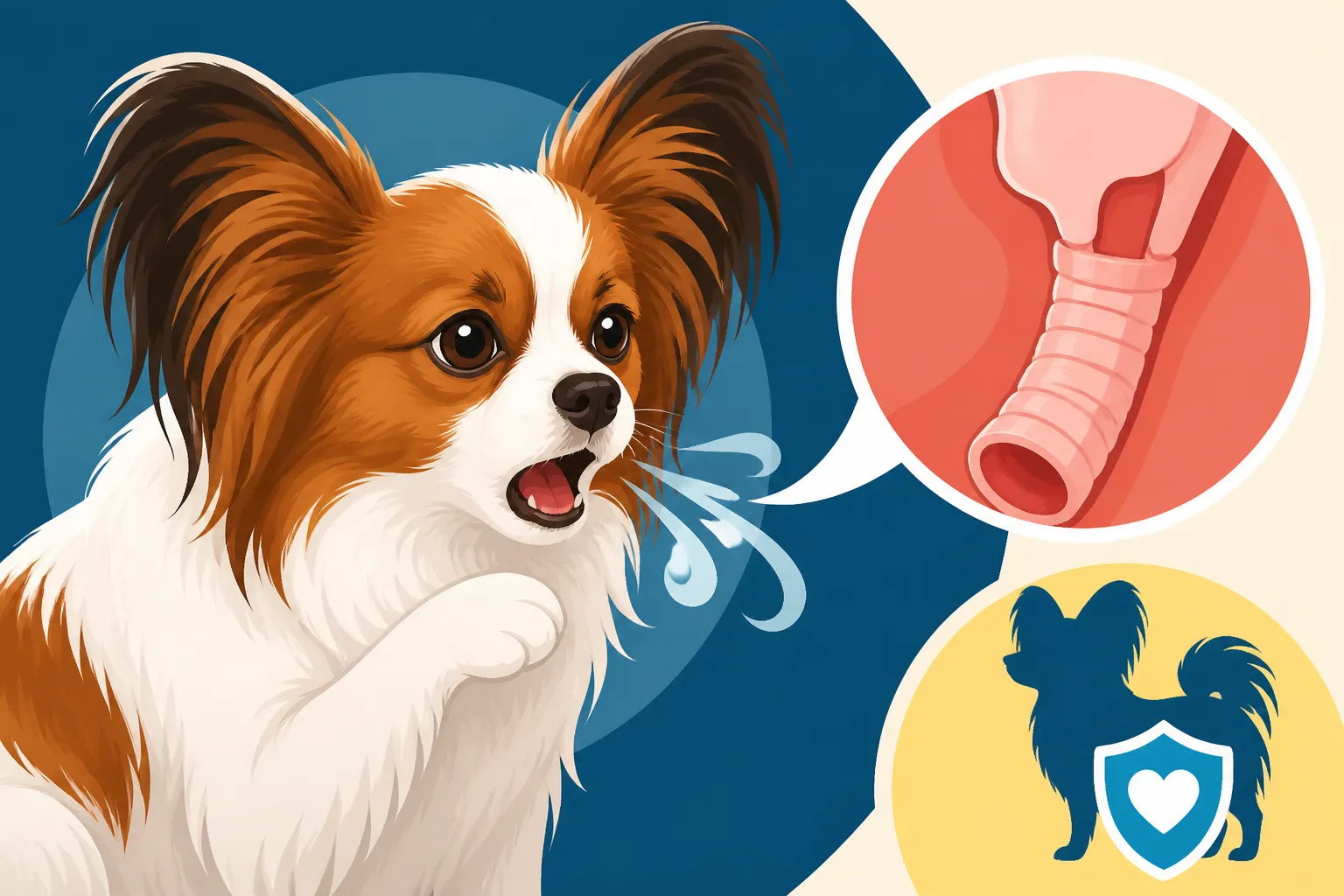
Tracheal collapse is exactly what it sounds like: the rings of cartilage that form the windpipe weaken and lose their rigidity, causing the trachea to flatten. This narrowing makes it harder for air to pass through, leading to that distinctive, dry, harsh cough often described as a "goose honk." It's a progressive condition, meaning it can worsen over time. Imagine trying to breathe through a straw that keeps getting crimped; that’s what it can feel like for your little one. It's often worse when they're excited, exercising, pulling on a collar, or even just drinking water too quickly.
Papillons are genetically predisposed to this, much like Chihuahuas, Pomeranians, and Yorkshire Terriers. It's not usually something they're born with in its severe form, but rather a degenerative condition that typically manifests in middle to older age. However, some Papillons can start showing signs earlier, especially if there's significant strain on their neck or if they're overweight. Early diagnosis is key, not just for managing the condition but also for ruling out other potential causes for that concerning cough. For more detail on this specific issue, you might want to read our article on Whether a Papillon Gets a Collapsing Trachea.
Why Small Breeds Are More Susceptible
It's not just the size of the dog; it's the composition of their tracheal rings. In smaller breeds, these rings tend to be less robust compared to larger dogs. They're often C-shaped rather than fully O-shaped, with a membrane covering the gap. When this membrane stretches or the cartilage weakens, the trachea can collapse more easily, particularly during inhalation or exhalation. The sheer excitement of a Papillon can put enough stress on their tiny airways to trigger a coughing fit.
Factors like genetics play a huge role, but environmental triggers and lifestyle choices can also contribute. Things like obesity add extra pressure on the chest and airways, exacerbating any existing weakness. Smoke, dust, and allergens can also irritate an already sensitive airway, making symptoms worse. It's a condition that truly highlights the need for careful management and proactive care for our small companions.
Common Causes of Coughing Beyond Tracheal Collapse
While tracheal collapse is a prime suspect for a Papillon's cough, it's far from the only reason your little friend might be hacking away. There are several other common culprits, some benign, others requiring immediate attention. It's crucial not to jump to conclusions, but rather to observe all symptoms carefully.
The Infamous Reverse Sneeze
Ah, the reverse sneeze! If you've never witnessed one, it can be truly alarming. It sounds like your dog is suddenly gasping for air, making loud snorting or gagging noises. Unlike a regular cough or sneeze, which expels air, a reverse sneeze involves rapidly inhaling air. The dog extends their neck, their chest heaves, and it can look very dramatic. The good news? It's usually harmless and very brief.
What causes it? Often, it's an irritation in the back of the throat or soft palate – maybe some dust, an allergen, or even just excitement. Many Papillon owners mistake this for choking or a severe cough. While it’s scary, most reverse sneezes resolve on their own within a minute or two, and your Papillon will go right back to normal as if nothing happened. If it's prolonged, or if your dog seems truly distressed or lethargic afterward, then it warrants a vet visit. But generally, it's just a strange quirk of small dog anatomy.
Kennel Cough and Other Respiratory Infections
Just like people can catch a cold, dogs can pick up respiratory infections, commonly known as kennel cough. Despite its name, your Papillon doesn't need to have been in a kennel to get it; they can contract it anywhere they've been in contact with other dogs, like at the park, groomer, or even the vet's waiting room. Kennel cough is typically caused by a combination of bacteria and viruses, most commonly Bordetella bronchiseptica.
The cough associated with kennel cough is usually a strong, persistent, dry, hacking cough, sometimes ending with a retch or gag, as if they're trying to clear something from their throat. It can sound similar to tracheal collapse. Other symptoms might include sneezing, a runny nose, and eye discharge, though often the cough is the most prominent sign. Most cases are mild and resolve on their own with rest, but some might require antibiotics or cough suppressants, especially in puppies or older dogs. If you suspect kennel cough, it’s best to isolate your Papillon from other dogs and contact your vet.
Heart Disease Related Coughs
This is one that often catches owners by surprise, and it's particularly important to distinguish from other coughs. As Papillons age, like many small breeds, they can be prone to heart conditions, most commonly mitral valve disease. When the heart isn't pumping efficiently, fluid can build up in the lungs, leading to congestion. This fluid accumulation then irritates the airways, causing a cough.
A heart-related cough is often a soft, moist, continuous cough, typically worse at night or when your Papillon is lying down. It's usually not the dramatic "goose honk" of tracheal collapse. Other signs of heart disease might include lethargy, reduced exercise tolerance, increased breathing rate, or even fainting. If your older Papillon starts developing a new cough, especially one that fits this description, it is vital to get them to the vet for a thorough cardiac examination. Learning Whether a Papillon Gets Heart Disease is crucial for their long-term health.
Allergies and Irritants
Just like us, dogs can suffer from environmental allergies that manifest as respiratory symptoms. Pollen, dust mites, mold, and even certain cleaning products or air fresheners can trigger an allergic reaction in your Papillon, leading to coughing, sneezing, and watery eyes. The cough tends to be more intermittent and might be accompanied by itching or skin issues.
Beyond allergies, simple irritants can cause a cough. Inhaling smoke (from cigarettes, fireplaces, or even cooking fumes), strong perfumes, or household chemicals can irritate their delicate respiratory passages. Even just pulling too hard on a collar during a walk can cause enough pressure on their trachea to induce a cough. This is why many vets and experienced Papillon owners advocate for using a harness instead of a collar, especially if your dog tends to pull. You can explore more about this in our article: Whether a Papillon Should Wear a Harness Instead of a Collar.
Dental Disease and Other Oral Issues
This might seem surprising, but poor dental health can actually contribute to coughing in a Papillon. Their tiny mouths are prone to overcrowding, and dental disease can advance rapidly. Infected teeth or gums can lead to inflammation and abscesses. Sometimes, bacteria from severe dental infections can spread to the respiratory tract, causing irritation or even aspiration, which can trigger a cough. The discomfort from severe dental pain can also lead to changes in breathing patterns that might result in coughing. Given how common How Common Dental Disease Is in Papillons is, it's always a good idea to consider their oral health as part of a cough investigation.
When to Worry: Recognizing Red Flags and Seeking Veterinary Help
It's natural to worry when your Papillon coughs, but how do you know if it's just a minor irritation or something serious that needs immediate veterinary attention? Recognizing the signs that warrant a trip to the vet is crucial for your Papillon's well-being.
Signs That Require Immediate Veterinary Attention
While some coughs are benign, others are serious indicators of underlying health problems. Don't hesitate to contact your vet or an emergency clinic if you observe any of the following:
- Difficulty Breathing: This is the most critical sign. If your Papillon is struggling to inhale or exhale, breathing rapidly, has shallow breaths, or seems to be working hard to breathe (e.g., flanks heaving, mouth open, neck extended), it's an emergency.
- Blue or Purple Gums/Tongue (Cyanosis): This indicates a severe lack of oxygen and is a dire emergency. Get to the vet immediately.
- Persistent or Worsening Cough: A cough that doesn't resolve within a day or two, or one that gets progressively worse, needs professional assessment.
- Lethargy and Loss of Appetite: If your Papillon is unusually tired, refusing to eat or drink, or generally seems unwell in conjunction with a cough, something is definitely wrong.
- Fainting or Collapse: Any episode of weakness, dizziness, or collapse, especially during a coughing fit or exertion, is a medical emergency and could indicate heart issues.
- Foamy or Bloody Discharge: If the cough produces any foamy, bloody, or discolored discharge, it's a red flag for a serious underlying condition.
Remember, our Papillons are experts at hiding pain and discomfort, so if you notice anything that just "doesn't seem right," it's always better to be safe than sorry.
The Importance of a Professional Diagnosis
When your Papillon has a cough, playing detective at home can only get you so far. A veterinarian is equipped to perform the necessary diagnostic tests to pinpoint the exact cause. They'll start with a thorough physical examination, listening to your Papillon's heart and lungs, and gently palpating their trachea to check for sensitivity or collapse.
Depending on their initial findings, they might recommend:
- X-rays (Radiographs): These can help visualize the trachea, lungs, and heart. They can show signs of tracheal collapse, fluid in the lungs (indicating heart disease), or other lung abnormalities.
- Bloodwork: A full blood panel can rule out infections, inflammation, and assess overall organ function. For older dogs or those needing anesthesia for other tests, a comprehensive bloodwork panel, like what's covered in What a Papillon's Yearly Bloodwork Should Cover, is standard.
- Echocardiogram: If heart disease is suspected, an echocardiogram (an ultrasound of the heart) is essential to assess heart structure and function.
- Tracheal Wash/Bronchoscopy: In some cases, a veterinarian might collect fluid samples from the airways or use a tiny camera (bronchoscope) to directly visualize the trachea and bronchi. This is often done under anesthesia, and knowing about Anesthesia and a Five Pound Papillon can be helpful background.
This diagnostic process can seem daunting, especially if your beloved Papillon is already feeling unwell. It's also true that these tests can incur significant costs. If you're concerned about the financial aspect of such thorough investigations, pet insurance like Healthy Paws can provide immense relief, helping to cover a large portion of these unexpected expenses. Having a plan in place means you can focus on getting your Papillon the best care without added financial stress.
Table: Distinguishing Common Cough Types in Papillons
| Cough Type | Sound & Characteristics | Common Triggers/Context | Urgency for Vet Visit |
|---|---|---|---|
| Tracheal Collapse | Dry, harsh, "goose honk" sound; often ends in gagging. | Excitement, exercise, pulling on collar, drinking too fast, obesity, humidity | Not always immediate emergency, but needs diagnosis and management plan. Worsening signs need urgent care. |
| Reverse Sneeze | Sudden, loud snorting/gasping inhalations; dramatic. | Irritants (dust, allergens), excitement, quick changes in temp | Usually none, resolves quickly. If prolonged or distressed, consult vet. |
| Kennel Cough | Strong, persistent, dry, hacking cough; sometimes retching. | Exposure to other dogs, stress, unvaccinated | Consult vet for diagnosis and potential treatment. Isolate from other dogs. |
| Heart Disease | Soft, moist, continuous cough; often worse at night/lying down. | Age, certain breeds (Papillons included); associated with fluid in lungs | Urgent vet visit for cardiac evaluation, especially if new or accompanied by lethargy/difficulty breathing. |
| Allergies/Irritants | Intermittent cough, sneezing, watery eyes, sometimes skin itching. | Pollen, dust, smoke, chemicals, strong perfumes | Generally not urgent, but prolonged symptoms warrant vet advice for relief and identification of irritant. |
Managing and Preventing Coughing in Papillons
Once the cause of your Papillon's cough has been identified, your veterinarian will work with you to create a management plan. This might involve a combination of medication, lifestyle adjustments, and environmental changes. The goal is always to improve your Papillon's quality of life and prevent further progression of the condition.
Lifestyle Adjustments for a Healthy Trachea and Lungs
Many aspects of your Papillon's daily life can influence their respiratory health. Small changes can make a big difference.
- Weight Management: This cannot be stressed enough, especially for conditions like tracheal collapse and heart disease. Even a few extra ounces on a tiny Papillon can put significant strain on their respiratory system and joints. If your Papillon is overweight, talk to your vet about a safe and effective weight loss plan. Maintaining a healthy weight is fundamental to their overall well-being, and understanding Whether Weight Affects a Papillon's Knees also highlights its importance for other common Papillon issues.
- Harness Over Collar: For any Papillon, but especially those with tracheal issues or even just a tendency to pull, a harness is a non-negotiable item. A harness distributes pressure across their chest and shoulders, completely avoiding the delicate throat area. A collar, even a light one, can put direct pressure on the trachea and easily trigger a cough or worsen a collapse. Using a harness is a simple, effective preventative measure.
- Environmental Control: Minimize airborne irritants in your home. This means no smoking indoors, avoiding strong air fresheners, scented candles, or harsh chemical cleaners. Consider an air purifier, especially if your Papillon has allergies. Keep your home well-ventilated and dust-free as much as possible.
- Stress Reduction: Excitement and stress can trigger coughing fits, particularly in dogs with tracheal collapse. While you can't eliminate all excitement from a Papillon's life (and who would want to?), try to manage over-stimulation. Keep greetings calm, and ensure they have a quiet, safe space to retreat to.
Medical Treatments and Ongoing Care
Depending on the diagnosis, your vet might prescribe various medications or suggest specific therapies.
- Medications:
- Cough Suppressants: For a persistent, non-productive cough, your vet might prescribe a cough suppressant to provide relief and break the cycle of irritation.
- Anti-inflammatories: Steroids can help reduce inflammation in the airways, which is particularly useful for conditions like tracheal collapse or severe allergies.
- Bronchodilators: These medications help open up the airways, making breathing easier.
- Antibiotics: If a bacterial infection like kennel cough is present, antibiotics will be prescribed.
- Diuretics: For heart-related coughs, diuretics help remove excess fluid from the lungs, easing congestion.
- Cardiac Medications: If heart disease is the cause, your Papillon will likely be on a regimen of heart medications to improve cardiac function.
- Surgery for Tracheal Collapse: In severe cases of tracheal collapse, where medical management isn't sufficient, surgical intervention might be considered. This typically involves placing tracheal stents (internal supports) or external rings to hold the trachea open. This is a complex surgery, often performed by a specialist, and it comes with its own risks and recovery challenges. It's a last resort but can be life-changing for some dogs.
- Regular Veterinary Check-ups: Consistent veterinary care is paramount. Regular check-ups allow your vet to monitor your Papillon's respiratory health, adjust medications as needed, and catch any new issues early. For aging Papillons, in particular, Caring for a Papillon Past Eleven means increased vigilance for health changes, and typically includes more frequent wellness exams, as outlined in How Often a Papillon Needs a Wellness Exam.
It's important to be financially prepared for potential ongoing treatments or unexpected emergencies. The lifetime cost of owning a Papillon can be significant, especially with chronic conditions. Exploring options like pet insurance can offer peace of mind. Many Papillon owners find that a good insurance policy, such as one from Healthy Paws, is an invaluable investment. It means you can say "yes" to the best diagnostics and treatments without having to factor in the full cost out-of-pocket, helping your Papillon live their longest, happiest life. Considering What a Papillon Costs Over Its Lifetime often brings up the importance of planning for health expenses.
Proactive Steps and Prevention
While some conditions like tracheal collapse have a genetic component, there are still many things you can do to promote your Papillon's respiratory health and potentially lessen the severity or frequency of coughing incidents.
Breeding Practices and Health Testing
If you're considering bringing a new Papillon into your home, especially a puppy, choosing a responsible breeder is your first and most powerful line of defense against many health issues. A good breeder will prioritize the health of their breeding stock and conduct various health tests. While there isn't a specific genetic test for tracheal collapse, a breeder who rigorously screens for other heritable conditions often has a stronger overall health program. They will also typically screen for conditions that can complicate respiratory health. Knowing What a Papillon Breeder Should Have Tested can empower you to ask the right questions and choose a puppy from healthy lines.
Daily Care for Respiratory Wellness
Beyond specific treatments, your daily routine plays a huge part in keeping your Papillon's lungs and trachea healthy.
- Appropriate Exercise: Regular, moderate exercise is essential for overall health, including respiratory fitness. However, avoid overexertion, especially in hot or humid weather, or if your Papillon already has a sensitive trachea. Short, frequent walks are often better than one long, intense session.
- Good Oral Hygiene: Don't underestimate the link between oral health and respiratory well-being. Regular tooth brushing at home and professional dental cleanings as recommended by your vet can prevent bacteria from migrating to the respiratory system. Papillons are particularly prone to dental issues due to their small jaws.
- Vaccinations: Keep your Papillon up-to-date on all recommended vaccinations, including the Bordetella vaccine for kennel cough, especially if they socialize with other dogs.
- Monitor for Changes: Pay close attention to your Papillon's breathing patterns and overall demeanor. Notice any changes in the sound, frequency, or triggers of their cough. Early detection of any issue, whether it's a new cough or subtle changes in behavior, allows for prompt veterinary intervention, which can significantly improve outcomes.
Living with a Papillon who coughs can be a source of constant worry, but with the right information and a proactive approach, you can ensure your beloved companion receives the best possible care. Understanding the potential causes, recognizing red flags, and working closely with your vet will help your Papillon breathe easier and enjoy a full, happy life.
Disclaimer
This article is intended for informational purposes only and is not a substitute for professional veterinary advice. Always consult with a qualified veterinarian regarding any health concerns or before making any decisions about your pet's medical care.