Whether the Papillon Is a Healthy Breed
It’s completely natural to wonder about the overall health of any breed you’re considering bringing into your home, and with tiny breeds like the Papillon, there’s often a nagging worry that such delicate creatures might be prone to a host of issues. No one wants to fall in love with a dog only to face a lifetime of expensive and heartbreaking health struggles. This comprehensive guide will deep dive into the true health profile of the Papillon, exploring common concerns, genetic predispositions, and what you can do to ensure your butterfly dog lives a long, vibrant life.
General Health Overview: A Surprisingly Robust Toy
When you first lay eyes on a Papillon, with those elegant, fringed ears and delicate frame, you might assume they are fragile. But don't let their dainty appearance fool you! Papillons are generally considered a remarkably healthy and sturdy toy breed, often outliving many larger dogs. They're not the "teacup" variety that sometimes comes with inherent health problems due to extreme miniaturization. Instead, they’re agile, active, and surprisingly resilient. While no breed is entirely free from health concerns, the Papillon's overall health outlook is quite positive compared to some other popular small breeds. This robust nature, combined with their intelligent and active personalities, makes them much more "dog" than their size suggests.
Lifespan Expectations and Common Causes of Decline
One of the most appealing aspects of the Papillon breed is their impressive longevity. It's not uncommon for these little dogs to live well into their teens, with many reaching 14, 15, or even 17 years old. You can read more about How Long a Papillon Lives to get a clearer picture of their lifespan. This long lifespan speaks volumes about their inherent health. Of course, just like humans, as Papillons age, they can become more susceptible to certain conditions. Dental disease is almost universal in small breeds and, if left untreated, can lead to more serious systemic health issues. Heart conditions, particularly mitral valve disease, can also appear in older Papillons, as can certain types of cancer, though not at a higher rate than other breeds. Keeping them at a healthy weight and ensuring regular veterinary check-ups throughout their lives are crucial steps in maximizing their potential for a long and healthy existence.
Temperament's Role in Perceived Health and Longevity
Beyond genetics, a Papillon's vibrant personality also contributes to its perceived health and actual longevity. These are not dogs content to sit idly; they are curious, playful, and thrive on mental and physical engagement. Their active minds keep them stimulated, and their desire to participate in family activities encourages owners to keep them moving. This isn't just about avoiding obesity, which can exacerbate joint problems; it's also about maintaining good muscle tone, joint flexibility, and mental well-being. A happy, engaged dog tends to be a healthier dog. Their generally positive outlook and adaptability also make them less prone to stress-related ailments that can sometimes plague more anxious breeds. This zest for life helps them bounce back quicker from minor ailments and stay spry into their senior years.
Genetic Predispositions: Understanding the Breed's Blueprint
Like every purebred dog, Papillons have certain genetic predispositions to specific health conditions. Understanding these conditions isn't about fear; it's about being informed and taking proactive steps to mitigate risks through responsible breeding practices and attentive care. The key is to choose a reputable breeder who screens their breeding stock for these conditions, thereby significantly reducing the chances of passing them on to puppies. Genetic testing has come a long way, offering valuable tools for breeders and owners alike.
Eye Conditions: The Shadow of PRA1
One of the most well-known genetic health concerns in Papillons is Progressive Retinal Atrophy (PRA), specifically PRA1. This condition, which is autosomal recessive, leads to the degeneration of the retina, eventually causing blindness. It's important to understand The Papillon Type of Progressive Retinal Atrophy and the CNGB1 Gene that causes it. Affected dogs typically start showing signs of night blindness first, often between the ages of 3 and 6 years, before their daylight vision gradually declines.
While it's a serious condition, responsible breeders conduct DNA tests on their breeding stock to ensure they are not breeding affected dogs or two carriers together. This practice has significantly reduced the incidence of PRA1 in well-bred Papillons. If you're looking for a puppy, always ask to see the PRA1 test results for both parents. You can also delve into What PRA1 Does to a Papillon's Retina to grasp the specific impact on their vision.
Orthopedic Concerns: The Nuance of Patellar Luxation
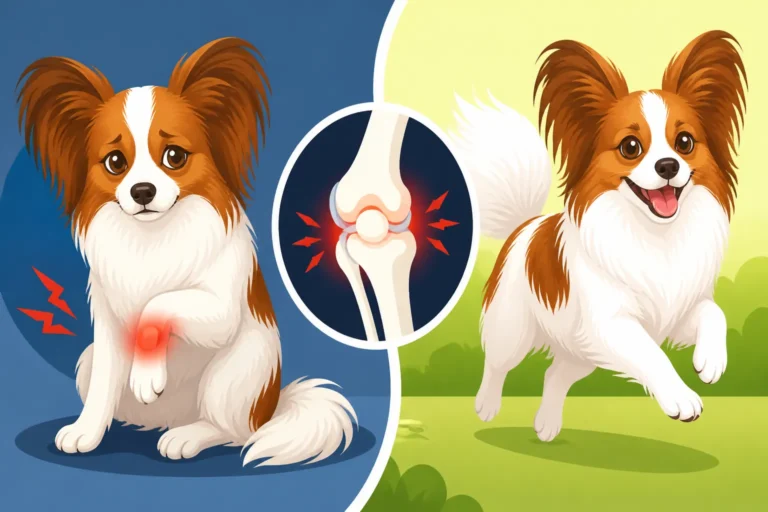
Another common orthopedic issue in many small breeds, including the Papillon, is patellar luxation, often referred to as a "slipped kneecap." This occurs when the kneecap (patella) dislocates from its normal position in the groove of the thigh bone. The severity is graded from 1 (mild and often asymptomatic) to 4 (severe and debilitating). You'll find that Patellar Luxation Is the Papillon Problem You Will Actually Meet most often, or at least hear about it.
Many Papillons live their entire lives with a low-grade luxation (Grade 1 or 2) with no pain or lameness, while others may require surgical correction, particularly for higher grades. Knowing Which Grade of Luxation Needs Fixing in a Papillon is crucial for owners. A good breeder will have their breeding dogs' knees examined and certified by a veterinary orthopedic specialist, often registered with organizations like the Orthopedic Foundation for Animals (OFA). Regular exercise to build strong leg muscles and maintaining a healthy weight can help manage mild cases and potentially prevent worsening.
Other Less Common, But Serious, Genetic Conditions
While PRA1 and patellar luxation are the most prevalent, there are other genetic conditions that can affect Papillons, though they are much rarer. These include:
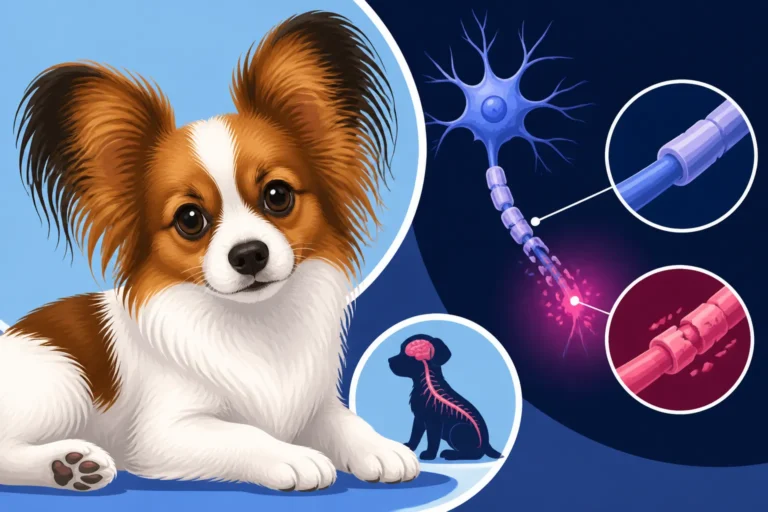
- Neuroaxonal Dystrophy (NAD): A severe neurological disorder that affects puppies, typically appearing within the first few months of life. It causes progressive ataxia (incoordination), tremors, and weakness. Sadly, there is no treatment, and affected puppies often have a very poor prognosis. Thankfully, a DNA test is available, allowing responsible breeders to eradicate this devastating disease from their lines. For more detailed information, consider reading Neuroaxonal Dystrophy in a Papillon Puppy.
- Von Willebrand Disease (vWD): This is a bleeding disorder caused by a deficiency in von Willebrand factor, a protein necessary for normal blood clotting. Affected dogs may experience prolonged bleeding after injury, surgery, or even routine procedures like nail trims. While it sounds scary, many affected dogs live normal lives with careful management. A DNA test is available, and breeders should screen for it, especially if any bleeding issues have appeared in their lines. It's a critical consideration for What Von Willebrand Disease Does to a Papillon.
- Hypoglycemia: While not strictly genetic in all cases, tiny puppies, especially those from smaller-than-standard parents, can be prone to episodes of dangerously low blood sugar. This is particularly important for owners to understand during the first few months of a puppy's life. Understanding Whether a Papillon Gets Hypoglycemia as a Puppy is vital for new owners.
These conditions highlight the importance of choosing a reputable breeder who performs comprehensive health testing beyond just the obvious.
Acquired Health Issues: Lifestyle and Environment
Beyond the genetic lottery, many health challenges a Papillon might face throughout its life are acquired, meaning they are influenced by daily care, environment, and diet. The good news is that many of these are preventable or manageable with attentive ownership and regular veterinary care.
Dental Health: A Small Mouth's Big Problem
This is arguably the most pervasive health issue for Papillons and almost all small breed dogs. Their tiny mouths often lead to crowded teeth, which, combined with their generally longer lifespans, create a perfect storm for dental disease. Plaque and tartar build up quickly, leading to gingivitis, periodontal disease, tooth loss, and potential infections that can spread to other organs. The phrase "The Teeth in a Papillon's Small Jaw" truly highlights the unique challenge.
It's not an exaggeration to say that excellent dental hygiene is paramount for a Papillon's overall health and longevity. Daily tooth brushing, professional dental cleanings under anesthesia as recommended by your vet, and dental chews can all help. Ignoring dental health is a recipe for expensive veterinary bills down the line and can severely impact your dog's quality of life. You can learn more about How Common Dental Disease Is in Papillons to truly appreciate the scale of this issue.
Tracheal Collapse and Heart Health
Like many other toy breeds, Papillons can be prone to tracheal collapse, a condition where the rings of cartilage that make up the windpipe flatten, making it difficult for air to pass through. This often manifests as a dry, honking cough, especially when excited, pulling on a leash, or drinking water too quickly. While it can be genetic, trauma from pulling on collars can exacerbate or even trigger it. This is why using a harness rather than a collar for walks is highly recommended for Papillons. For a deeper understanding, explore Whether a Papillon Gets a Collapsing Trachea.
Heart disease, particularly mitral valve disease (MVD), is another condition seen more commonly in older small dogs. MVD involves a thickening and weakening of the mitral valve, leading to a leak that causes a heart murmur. While often slow to progress, it can eventually lead to congestive heart failure. Regular veterinary check-ups, including listening to the heart, are essential for early detection, which can allow for management with medication to slow progression and improve quality of life.
Hypoglycemia in Puppies: A Tiny Dog's Vulnerability
Papillon puppies, especially those on the smaller side, can be susceptible to hypoglycemia, or low blood sugar. This isn't just an inconvenience; it can be life-threatening if not addressed quickly. Puppies have limited fat reserves and a high metabolism, meaning they burn through glucose rapidly. Stress, missing meals, or excessive play can trigger an episode.
Symptoms include lethargy, weakness, wobbling, disorientation, and in severe cases, seizures or collapse. New owners absolutely must understand the risks and know how to prevent it by providing frequent, small meals of high-quality puppy food. Keeping a product like Nutri-Cal or Karo syrup on hand for emergencies is also a good idea. The good news is that most Papillon puppies outgrow this vulnerability as they mature and their regulatory systems develop. However, during those crucial first few months, it's something to be extremely vigilant about.
Proactive Care: Partnering for a Healthy Papillon Life
The idea of a "healthy breed" isn't just about genetics; it's about the partnership between responsible breeders and dedicated owners. Your role in providing proactive care is just as crucial as the foundational health passed down through generations.
The Importance of Responsible Breeding and Health Testing
Choosing a puppy from a responsible breeder is perhaps the single most important step you can take to ensure you bring home a healthy Papillon. These breeders are passionate about the breed's well-being and actively work to reduce the incidence of inherited diseases. They will:
- Perform Health Clearances: This means they test their breeding dogs for known genetic conditions prevalent in the breed, such as PRA1 (DNA testing) and patellar luxation (orthopedic examination by a specialist). They should be transparent and willing to show you proof of these clearances. Asking What a Papillon Breeder Should Have Tested is a completely valid and necessary question.
- Screen for Temperament and Conformation: Healthy dogs aren't just physically sound; they're also mentally sound. Breeders should select for good temperaments, ensuring puppies are well-socialized and confident.
- Provide a Health Guarantee: A reputable breeder will offer a health guarantee for their puppies, typically covering genetic conditions for a certain period.
- Be Knowledgeable and Approachable: They should be a resource for you throughout your dog's life, willing to answer questions and offer advice.
Avoid breeders who cannot provide health certifications, breed extremely small "teacup" Papillons, or seem unwilling to answer your questions thoroughly. The initial cost of a well-bred puppy is an investment in long-term health and fewer veterinary surprises.
Nutritional Strategies for Optimal Health
Feeding your Papillon a high-quality, balanced diet is fundamental to their health. Small breeds have specific nutritional needs, often requiring smaller kibble sizes that are easier for their tiny mouths to manage and higher calorie-density food due to their faster metabolisms.
- Quality Ingredients: Look for foods with real meat as the first ingredient, without excessive fillers or artificial additives.
- Portion Control: Papillons are small, so even a few extra kibbles can lead to weight gain. Obesity puts unnecessary strain on their delicate joints (especially relevant for patellar luxation) and can contribute to other health problems like heart disease and diabetes. Use a measuring cup and adjust portions based on activity level and body condition.
- Avoid Table Scraps: While tempting, human food can often be too rich, fatty, or even toxic for dogs. Stick to their balanced diet.
- Treats in Moderation: Treats are great for training, but keep them small and accounted for in their daily caloric intake.
Working with your veterinarian to choose the best food for your individual Papillon, especially as they move from puppy to adult to senior, is always a good idea.
Regular Veterinary Care and Preventative Measures
Consistent veterinary care is your best defense against serious health issues. Just like humans, regular check-ups can catch problems early when they are most treatable.
- Annual Wellness Exams: Even if your Papillon seems perfectly healthy, yearly exams are crucial. Your vet will perform a thorough physical, listen to their heart and lungs, check their teeth, and discuss any changes you've noticed. For older Papillons, these exams might become even more frequent.
- Vaccinations and Parasite Prevention: Keeping up-to-date on vaccinations (e.g., distemper, parvovirus, rabies) and regular parasite prevention (flea, tick, heartworm) is non-negotiable. These simple measures protect your Papillon from potentially deadly diseases.
- Dental Cleanings: As mentioned, professional dental cleanings are usually needed periodically throughout a Papillon's life, often every 1-2 years, starting in their early adult years. Your vet will assess when your dog is ready.
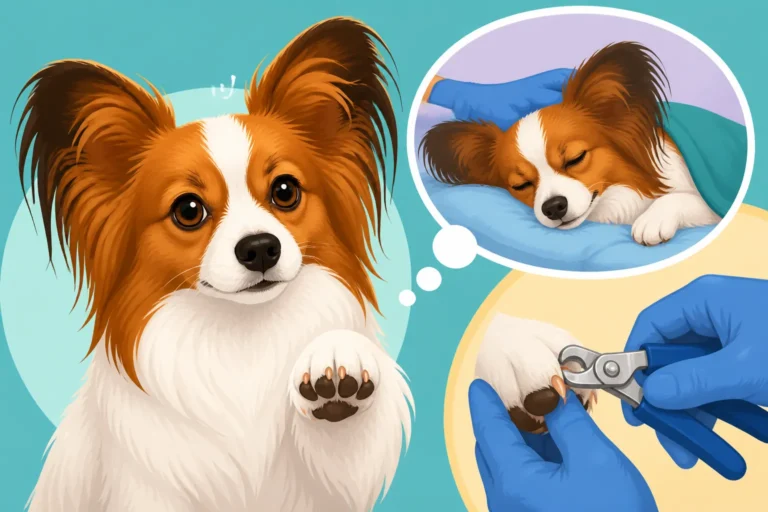
- Nail Trims: Overly long nails can affect a Papillon's gait, putting stress on their tiny joints and potentially contributing to orthopedic issues. Regular trims are important.
Navigating Unexpected Health Challenges
Despite all the proactive measures and responsible breeding, sometimes the unexpected happens. A Papillon, like any living creature, can develop illnesses or suffer injuries that require immediate attention and potentially significant financial investment. Being prepared for these possibilities is part of being a responsible pet owner.
When the Unforeseen Happens: Emergency Preparedness
It’s easy to think "it won't happen to my dog," but accidents and sudden illnesses are a reality. Having a plan in place can make a world of difference during a stressful situation.
- Emergency Fund: Setting aside a dedicated emergency fund specifically for veterinary care is highly recommended. For small dogs, even seemingly minor issues can escalate quickly, and specialist care can be costly. Knowing you have funds available can alleviate a huge burden during an already emotional time.
- Know Your Emergency Vet: Have the contact information and location of the nearest 24-hour emergency veterinary clinic readily available. Don't wait until you're in a panic to search for it.
- Basic First Aid: Learn some basic pet first aid. Knowing how to safely transport an injured dog, stop minor bleeding, or recognize signs of choking can be invaluable. However, always remember that first aid is a temporary measure; professional veterinary care is always necessary for emergencies.
Sometimes, the challenges can be as complex as needing a [Papillon knee surgery] due to patellar luxation or dealing with an unforeseen adverse reaction. Being mentally and financially prepared for these possibilities is a cornerstone of responsible pet ownership.
The Role of Pet Insurance in Papillon Care
Pet insurance has become an increasingly popular tool for managing the unpredictable costs of veterinary care. For a breed like the Papillon, with a long lifespan and specific predispositions like dental issues and patellar luxation, insurance can offer peace of mind. Many owners find that the monthly premium is a small price to pay for the financial safety net it provides.
Different plans exist, ranging from accident-only to comprehensive coverage that includes illnesses, surgeries, and even wellness benefits. Companies like Healthy Paws are well-known, offering plans that can cover a significant portion of unexpected vet bills. When considering a policy, it's vital to:
- Research Coverage: Understand what is covered (and what isn't), including any waiting periods, deductibles, and reimbursement percentages.
- Check for Pre-existing Conditions: Most policies do not cover pre-existing conditions, so it's generally best to enroll your Papillon when they are young and healthy. This ensures maximum coverage as they age.
- Compare Providers: Don't just pick the first one you see. Compare policies from various providers. A good policy, for instance, with a provider like Healthy Paws, can significantly reduce the out-of-pocket expense for something like unexpected surgery or a chronic illness diagnosis.
Having pet insurance means you can make medical decisions based on what's best for your Papillon, rather than being limited by financial constraints. For many Papillon owners, the security offered by a provider like Healthy Paws is invaluable over their dog's long life.
| Health Condition | Type | Common Age of Onset | Symptoms | Prevention/Management |
|---|---|---|---|---|
| Progressive Retinal Atrophy (PRA1) | Genetic | 3-6 years | Night blindness, gradual loss of daylight vision | DNA testing of breeding stock, avoid breeding carriers/affected |
| Patellar Luxation | Genetic/Orthopedic | Puppyhood – Adulthood | Skipping steps, limping, sudden lameness | OFA knee clearances in breeding stock, weight management, muscle strength |
| Dental Disease | Acquired | Early Adulthood | Bad breath, red gums, pain, tooth loss, reluctance to eat | Daily brushing, professional cleanings, appropriate diet |
| Tracheal Collapse | Acquired | Middle Age – Senior | Honking cough, difficulty breathing when excited | Use harness instead of collar, weight management, medication |
| Hypoglycemia | Acquired | Puppyhood (under 6 months) | Lethargy, wobbling, disorientation, collapse, seizures | Frequent small meals, avoid stress, emergency glucose at hand |
| Mitral Valve Disease (MVD) | Acquired | Senior Years | Heart murmur, coughing, reduced exercise tolerance | Regular vet check-ups, medication to manage progression |
Disclaimer
The information provided in this article is for general informational purposes only and is not a substitute for professional veterinary advice. Always consult with a qualified veterinarian for any health concerns or before making any decisions about your Papillon's medical care.