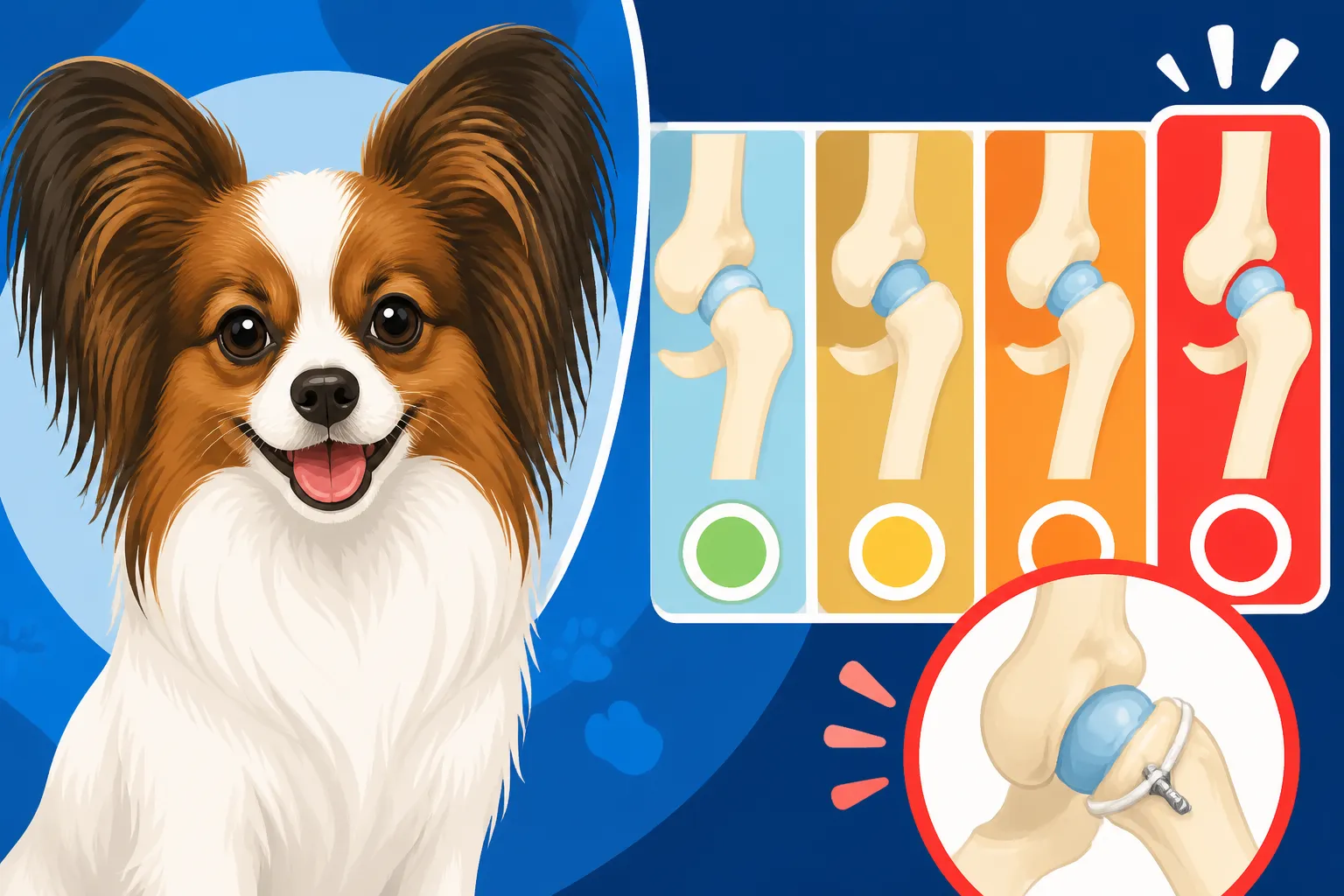
Which Grade of Luxation Needs Fixing in a Papillon
It’s heartbreaking to see your tiny Papillon struggle with a limp or a skipped step, and the uncertainty of what to do about a "slipping kneecap" can be incredibly stressful. Patellar luxation, a common orthopedic issue in our beloved toy breeds, often leaves owners wondering if surgery is truly necessary or if there are other options. This comprehensive guide is here to walk you through the different grades of patellar luxation and help you understand when surgical intervention becomes the clearest path to your Papillon's comfort and long-term well-being.
Understanding Patellar Luxation Grades in Papillons
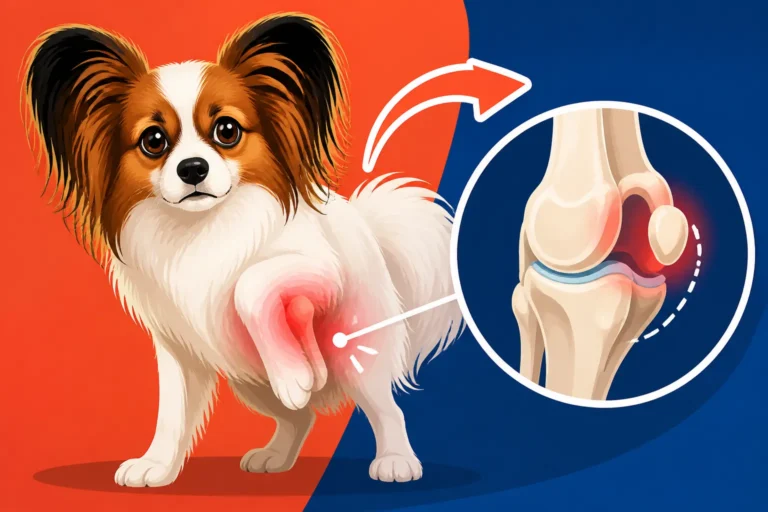
Patellar luxation, or a "slipping kneecap," is a condition where the patella (kneecap) moves out of its normal groove on the femur (thigh bone). This can happen suddenly, causing your Papillon to yelp or skip a step, or it can be a chronic issue that gradually worsens. Understanding the different grades is the first step in deciding on a treatment plan, as each grade presents unique challenges and symptoms. It’s not just a matter of if the kneecap slips, but how often, how easily, and what structural changes have occurred. This condition, unfortunately, is quite common, and understanding what Patellar Luxation Does to a Papillon is essential for every owner.
Grade I: The Mildest Form
A Grade I luxation is often the least severe and, frankly, the one you might not even notice right away in your active little Papillon. In this grade, the kneecap can be manually displaced from its groove, but it pops right back into place on its own. Imagine gently nudging a ball off a shallow track – it rolls back without much fuss. Your Papillon might show very subtle signs, perhaps an occasional skip when running or a slight reluctance to put full weight on the leg for a moment. This fleeting lameness is usually non-painful and often resolves on its own within a few steps.
Many Papillons with Grade I luxation live full, happy lives without ever needing surgery. The key here is monitoring. It's vital to keep an eye on their activity, watch for any increase in frequency of the "skip," or any sign of discomfort. A diligent owner will notice if their Papillon, usually a blur of motion, starts to hesitate before jumping onto the sofa or takes longer to settle after a burst of zoomies. Early intervention with conservative management, like maintaining a healthy weight and ensuring a safe home environment, can often prevent progression. Our article on how common patellar luxation is in Papillons offers more insights into the prevalence of this condition.
Grade II: Intermittent Slippage and Its Impact
This is where things start to get a bit more noticeable, and often, more concerning for Papillon parents. With a Grade II luxation, the kneecap slips out of its groove more frequently. It might pop out when your dog runs, twists, or even just shifts its weight. While it can still pop back in on its own, it sometimes needs a little help from your dog extending its leg or shaking it, or in some cases, you might even feel it slide back into place. This intermittent slippage can lead to more consistent lameness and discomfort.
When a Papillon's kneecap repeatedly slips out of place, it starts to cause wear and tear on the cartilage in the joint. Think of a door that keeps coming off its hinges – eventually, the wood around the hinges gets stripped and damaged. This constant friction can lead to inflammation, pain, and over time, the development of arthritis. You might see your Papillon hold its leg up for several seconds, or even a minute, before putting weight on it again. This is usually when owners start asking: "Which grade of luxation needs fixing in a Papillon?" because the impact on their dog's quality of life becomes undeniable. Observing signs a Papillon's kneecap slips is crucial for early detection.
Grade III: Frequent Displacement and Functional Impairment
A Grade III luxation is a serious condition where the kneecap is out of its groove most of the time. While it can be manually pushed back into place, it often slips right back out again once the pressure is released. This means your Papillon's leg is not functioning as it should, leading to significant lameness and often chronic pain. The constant displacement also causes more severe changes to the bone structure itself over time.
You'll likely notice a marked change in your Papillon's gait. Instead of a playful bounce, they might walk with a crouched stance, or carry the affected leg a lot more often. They might be reluctant to run, jump, or even go for walks. The muscle mass in the affected leg might start to decrease because they're not using it properly. At this stage, the joint is undergoing significant damage, and the risk of developing severe, debilitating arthritis is extremely high. For a Papillon, a breed known for its agility and zest for life, a Grade III luxation severely impacts their ability to enjoy their daily activities.
Grade IV: Permanent Luxation and Severe Issues
Grade IV is the most severe form of patellar luxation, and thankfully, it's less common. In this grade, the kneecap is permanently displaced from its groove and cannot be manually put back into place, even with manipulation. The structural changes to the bones are often quite pronounced, with the trochlear groove (the groove where the kneecap normally sits) being flattened or even convex (bulging outwards), and the tibia (shin bone) often twisted.
A Papillon with Grade IV luxation will experience severe lameness and often significant pain. They might walk with a very abnormal gait, relying heavily on their other three legs, or they might even struggle to walk at all. Their quality of life is severely compromised, and the joint damage, including advanced arthritis, is extensive. This degree of luxation is debilitating and requires immediate and often complex veterinary attention to provide any hope of improving mobility and alleviating pain.
When is Surgery Absolutely Necessary for a Papillon?
The question of whether to pursue surgery for patellar luxation in a Papillon is one that many owners grapple with. It's a big decision, not just financially, but also emotionally, considering the recovery process. However, for certain grades and symptom presentations, surgery isn't just an option; it's often the most effective, if not the only, way to restore function, alleviate pain, and prevent further deterioration of the joint. Your vet, particularly an orthopedic specialist, will guide you through this, but understanding the key indicators can help you feel more confident in the path chosen. Our comprehensive guide on whether a Papillon needs knee surgery can provide additional context.
Criteria for Surgical Intervention
Generally, surgical intervention is strongly recommended for Papillons with Grade III or Grade IV patellar luxation. These grades involve significant, consistent displacement and structural abnormalities that conservative management simply cannot correct. The goal of surgery in these cases is to realign the kneecap, deepen the groove it sits in, and correct any bone deformities to prevent future luxation. Without surgery, these dogs face a future of chronic pain, severe arthritis, and severely limited mobility.
For Grade II luxations, the decision becomes a bit more nuanced. If your Papillon experiences frequent or painful luxations, if the lameness is persistent, or if there's evidence of cartilage damage, surgery is often advised. Some vets recommend surgery for all Grade II luxations to prevent progression to Grade III or IV and to mitigate the onset of early arthritis. The age and activity level of your Papillon also play a role; a young, active dog with a Grade II might benefit more from early intervention to ensure a long, healthy, pain-free life. It’s about more than just the current grade; it’s about preventing future suffering.
The Role of Pain and Lameness
One of the most critical factors driving the decision for surgery is the presence of pain and persistent lameness. Our Papillons are often stoic little creatures, and they can hide discomfort remarkably well. However, if you notice your Papillon frequently holding up a leg, yelping when the kneecap slips, or showing a reluctance to engage in their usual playful activities, these are strong indicators that they are in pain. Dogs with severe lameness, especially those with Grade III or IV luxation, are almost certainly experiencing chronic discomfort that significantly impacts their quality of life.
A Papillon that can't run or jump without pain isn't truly living its best life. Persistent lameness can lead to muscle atrophy in the affected leg, and overcompensation in the other limbs, potentially leading to problems in those joints as well. For example, a Papillon constantly favoring one leg due to a luxating patella might put undue stress on its other knee or even its hips and spine. Surgery aims to eliminate this pain and restore normal function, allowing your Papillon to be the happy, energetic companion they're meant to be.
Preventing Further Joint Damage
Beyond alleviating immediate pain and restoring mobility, a major reason for surgical intervention, particularly for Grade II and higher, is to prevent further, irreversible joint damage. Every time the kneecap slips out of its groove, it grinds against the delicate cartilage of the femur. This constant friction erodes the cartilage, which is essential for smooth joint movement, leading to inflammation and, ultimately, osteoarthritis. Once cartilage is severely damaged, it doesn't regenerate, and the degenerative changes become permanent.
Surgery, by stabilizing the kneecap and correcting anatomical abnormalities, aims to stop this destructive cycle. It protects the joint from further wear and tear, significantly reducing the likelihood of severe, painful arthritis developing prematurely. While it can't reverse existing arthritic changes, it can certainly halt their progression and prevent them from becoming debilitating. Thinking about the long-term health of your Papillon, especially considering how long a Papillon lives, preventive surgery can be a sound investment in their comfort and mobility throughout their senior years. This is also where discussions about pet insurance, like plans from Healthy Paws, become really important, as they can help manage the financial burden of these essential procedures. Our article on whether a Papillon gets arthritis from a slipping knee delves deeper into this issue.
Considering Conservative Management Options
While surgery is often the best course for higher-grade patellar luxation, it's not always the immediate answer for every Papillon, especially those with Grade I or mild Grade II issues. For these cases, conservative management can be a highly effective approach. The goal here is to support the joint, reduce inflammation, manage pain, and prevent the condition from worsening, all without going under the knife. This strategy requires diligence and consistency from you, the owner, but it can make a world of difference for your furry friend.
Weight Management and Exercise Modification
One of the simplest yet most impactful things you can do for a Papillon with a luxating patella is to ensure they maintain a healthy weight. Extra pounds put undue stress on all joints, including the knees, exacerbating the problem. Even a small amount of excess weight on a tiny Papillon can make a significant difference. Your vet can help you determine the ideal weight for your individual Papillon and recommend a feeding plan to achieve it. Remember, these little dogs are built for fine bones, not carrying extra bulk. For instance, a Papillon that weighs just two pounds over its ideal can experience significantly more strain on its knees. It's truly amazing how much a couple of ounces can impact a small dog's mobility. You can learn more about whether weight affects a Papillon's knees in another one of our articles.
Exercise modification is equally important. While your Papillon is a dynamo, high-impact activities like jumping off furniture, sudden stops and starts, or vigorous twisting motions can cause the kneecap to slip more often. Instead, focus on controlled, low-impact exercise like leash walks on even surfaces. Swimming can be an excellent option as it builds muscle without impact. Short, frequent play sessions are better than one long, intense burst of activity. The key is to keep muscles strong around the knee without stressing the joint itself. It's also vital to consider whether a Papillon should be stopped from jumping off furniture.
Physical Therapy and Supplements
Just like humans, Papillons can benefit immensely from physical therapy. A certified canine rehabilitation therapist can develop a tailored exercise program to strengthen the muscles surrounding the knee, particularly the quadriceps, which helps to stabilize the patella. These exercises might include gentle range-of-motion activities, controlled walks on inclines, or specific stretches. Hydrotherapy, where your Papillon walks on an underwater treadmill, is another fantastic option because the buoyancy reduces weight-bearing stress while still allowing for effective muscle strengthening.
Joint supplements can also play a supportive role. Ingredients like glucosamine, chondroitin, MSM, and Omega-3 fatty acids are commonly used to support joint health, reduce inflammation, and help maintain cartilage integrity. Brands like Nutramax's Dasuquin or Cosequin are popular choices, but always discuss any supplements with your veterinarian before introducing them to your Papillon's regimen. They can advise on appropriate dosages and ensure there are no contraindications with other medications or existing health conditions.
Environmental Adjustments
Making a few simple changes around your home can significantly reduce the risk of injury and discomfort for a Papillon with patellar luxation. One of the biggest culprits for knee strain is jumping down from furniture. Even a small leap from a sofa or bed can exert considerable force on tiny knee joints. Providing ramps or steps to allow easy access to favorite resting spots can make a huge difference. These are especially crucial for small breeds like Papillons, who love to be up high with their people but often pay a price for their bravery. Consider reading our guide on setting up a house that protects a Papillon's knees for more detailed advice.
Furthermore, slippery floors like hardwood or tile can cause your Papillon to splay out, leading to awkward movements that can dislodge the kneecap. Using non-slip rugs or runners in high-traffic areas can provide better traction and stability. Ensuring a comfortable, supportive bed is also important for joint health. These small environmental modifications create a safer, more knee-friendly environment, helping your Papillon navigate their world with greater ease and less risk of aggravating their condition. In many ways, preventing injury through intelligent home design is just as vital as any direct treatment.
The Surgical Process and Recovery for Papillons
If conservative management isn't enough, or if your Papillon's luxation is too severe, surgery becomes the most viable option. While the thought of your tiny dog undergoing surgery can be daunting, understanding the process can alleviate some anxiety. Modern veterinary surgery for patellar luxation is highly effective, and with proper post-operative care, most Papillons make a fantastic recovery, regaining excellent mobility and living pain-free lives.
Types of Surgical Procedures
The specific surgical technique chosen will depend on the individual anatomy of your Papillon and the nature of their luxation. Often, a combination of procedures is used to achieve optimal stability. The most common techniques include:
- Trochlear Wedge Recession or Chondroplasty: This involves deepening the trochlear groove (the valley in the femur where the kneecap sits) so the patella has a more secure place to track. In a wedge recession, a wedge of bone is removed, the groove is deepened, and the wedge is replaced. In chondroplasty, cartilage is simply removed to deepen the groove.
- Tibial Tuberosity Transposition: If the patellar ligament (which attaches the kneecap to the shin bone) is misaligned, the surgeon will cut the small piece of bone it attaches to (the tibial tuberosity), move it to the correct alignment, and reattach it with pins. This corrects the pull of the quadriceps muscle.
- Capsular Overlap/Release: The joint capsule, a fibrous tissue surrounding the joint, can be too loose on one side and too tight on the other. The surgeon may tighten the loose side (overlap) and/or release the tight side to help keep the kneecap centered.
- Fascial Release: Similar to capsular release, this involves cutting or releasing tight soft tissues that are pulling the kneecap out of alignment.
These procedures are complex and require a skilled veterinary orthopedic surgeon. They are designed not just to fix the current problem but to correct the underlying anatomical issues that cause the luxation in the first place.
Post-Operative Care and Rehabilitation
The period immediately following surgery is critical for a successful outcome. Your Papillon will likely stay overnight at the veterinary clinic for pain management and monitoring. When they come home, strict rest is usually prescribed for several weeks, meaning no running, jumping, or excessive activity. This can be challenging with an energetic Papillon, so creative solutions like using a playpen or a crate for supervised rest become essential. You'll need to assist with short, controlled leash walks for potty breaks and keep them confined when you can't directly supervise.
Pain medication, anti-inflammatories, and sometimes antibiotics will be part of their home care. It's crucial to administer these exactly as prescribed. Many vets also recommend starting passive range-of-motion exercises shortly after surgery to prevent stiffness and promote healing. This involves gently flexing and extending the leg as instructed by your vet or physical therapist. As healing progresses, your Papillon will gradually transition to a more active rehabilitation program, possibly including hydrotherapy or specific strengthening exercises. This rehabilitation phase is incredibly important, often lasting several months, to ensure full recovery and prevent muscle atrophy. You can learn more about how a Papillon recovers from knee surgery in a dedicated article.
Potential Complications
While patellar luxation surgery has a high success rate, like any surgical procedure, there are potential complications to be aware of. These can include:
- Infection: Despite sterile surgical conditions, infection is always a risk. Following post-operative wound care instructions meticulously is vital.
- Implant Problems: If pins or wires were used, they can sometimes migrate, break, or cause irritation, requiring removal in a second procedure.
- Re-luxation: Although uncommon, the patella can occasionally re-luxate after surgery, especially if the initial deformity was severe or if rehabilitation wasn't strictly followed.
- Arthritis Progression: While surgery aims to minimize future arthritis, some degree of degenerative joint disease may still progress, particularly if there was significant cartilage damage prior to the procedure.
- Anesthesia Risks: As with any small breed, Papillons can be more sensitive to anesthesia. However, with proper pre-anesthetic bloodwork and careful monitoring during the procedure, these risks are minimized.
Your veterinary surgeon will discuss these risks with you in detail and take all necessary precautions to ensure the safest possible outcome for your Papillon. Regular follow-up appointments, including X-rays, will monitor the healing process and allow for early detection of any issues.
Life After Surgery and Long-Term Care
After your Papillon has successfully navigated surgery and the initial recovery period, the focus shifts to maintaining their joint health for the long haul. The good news is that with the right care, most Papillons go on to enjoy greatly improved mobility and a significantly reduced risk of pain. However, ongoing vigilance and proactive measures are essential to ensure the success of the surgery truly lasts throughout their life.
Expected Outcomes and Success Rates
The success rate for patellar luxation surgery in Papillons is generally very high, often exceeding 90-95% when performed by an experienced orthopedic surgeon. Most dogs regain excellent use of their limb and experience a dramatic reduction or complete elimination of pain and lameness. It's truly transformative to see a Papillon who was struggling to walk suddenly scampering around with their old enthusiasm, chasing toys, and leaping onto low furniture without hesitation.
However, it's important to set realistic expectations. While surgery corrects the mechanical issue, if your Papillon had significant arthritis prior to the procedure, those existing changes cannot be reversed. The goal is to prevent further progression and manage any residual discomfort. Many owners report that their Papillon's energy levels return to normal, and they are able to participate in activities they once avoided. This return to a full, active life is often the most rewarding outcome for both the dog and their devoted owner.
Ongoing Support for Joint Health
Even after successful surgery, providing ongoing support for your Papillon's joint health is crucial. This includes maintaining an ideal body weight, as discussed earlier, to minimize stress on all joints. Regular, moderate exercise, like daily walks, helps keep the muscles strong and supportive without overtaxing the knee. Avoid extreme activities or prolonged periods of intense jumping, especially if your Papillon had a high-grade luxation.
Continuing with joint supplements, such as glucosamine and chondroitin, often becomes a lifelong routine. These supplements can help maintain cartilage health and provide anti-inflammatory benefits, which can be particularly useful in preventing or slowing the progression of any mild, residual arthritis. Your vet may also recommend periodic check-ups to monitor the operated knee and the contralateral (other) knee, as patellar luxation can sometimes affect both legs.
Recognizing Relapses or New Issues
While rare, it is possible for a treated patella to re-luxate or for problems to develop in the other knee, especially if it was a lower grade initially. Being attuned to your Papillon's gait and behavior is key. Watch for any subtle signs of lameness, skipping steps, or reluctance to use the operated leg. If you notice a sudden increase in stiffness, pain, or a return of the "bunny hop" gait, contact your veterinarian promptly.
Early detection of any new issues allows for timely intervention, whether it's adjusting pain management, initiating physical therapy, or, in rare cases, considering further surgical correction. Remember, your Papillon relies on you to be their advocate. Their well-being is a partnership, and your keen observation skills are one of the most valuable tools in their long-term care. Staying proactive can prevent minor issues from becoming major setbacks.
Making the Best Decision for Your Papillon
Deciding on the right course of action for your Papillon's patellar luxation is a deeply personal and often complex choice. There are many factors to weigh, from your dog's current quality of life to your financial capabilities. It's important to remember that there's no single "right" answer for every dog, but an informed decision, made in consultation with veterinary professionals, will always be the best one for your Papillon.
Consulting with Your Vet and Orthopedic Specialist
The very first step is to have an open and honest conversation with your primary veterinarian. They know your Papillon's medical history, temperament, and overall health. They can perform an initial assessment, grade the luxation, and discuss the general prognosis. However, for a definitive diagnosis and to explore surgical options, seeking a consultation with a board-certified veterinary orthopedic specialist is highly recommended. These specialists have advanced training and experience in complex joint surgeries and can provide the most accurate assessment of your Papillon's specific condition.
During the consultation, don't hesitate to ask every question that comes to mind. Inquire about the exact grade of luxation, the specific surgical techniques they recommend, the expected recovery timeline, and the potential risks. Ask to see X-rays and have them explained to you. A good specialist will take the time to ensure you fully understand the situation and all available options. They can also provide a detailed estimate of costs, which is a significant part of the decision-making process. Understanding what a Papillon's orthopedic consult costs can help you budget for this important step.
Weighing the Pros and Cons
Before making a final decision, it's helpful to list out the pros and cons of both conservative management and surgical intervention for your Papillon.
| Patellar Luxation Grade | Typical Symptoms | Treatment Recommendation (General) | Prognosis Without Surgery | Prognosis With Surgery (if recommended) |
|---|---|---|---|---|
| Grade I | Occasional skip, usually not painful, self-correcting | Conservative Management (Monitor, weight control, exercise modification) | Good, but risk of progression over time | N/A (surgery rarely needed) |
| Grade II | Frequent skips, intermittent lameness, mild pain | Conservative Management initially, consider Surgery if painful/progressive | Fair, high risk of arthritis development | Excellent (prevents progression, reduces pain) |
| Grade III | Constant lameness, patella out most of time, pain | Surgical Intervention is highly recommended | Poor (severe pain, debilitating arthritis) | Excellent (restores function, alleviates pain) |
| Grade IV | Permanent lameness, patella always out, severe pain | Surgical Intervention is essential | Very Poor (debilitating, poor quality of life) | Good to excellent (improves function, reduces pain significantly) |
Conservative Management Pros:
- No surgical risks or recovery period.
- Potentially lower initial cost.
- Less stress for both you and your Papillon.
Conservative Management Cons:
- May not resolve pain or lameness in higher grades.
- Risk of condition worsening over time.
- Increased risk of developing severe arthritis.
- Potential for muscle atrophy and compensatory issues.
- Limited activity for your Papillon.
Surgical Intervention Pros:
- High success rate in restoring normal knee function.
- Significant reduction or elimination of pain.
- Prevention of further joint damage and severe arthritis.
- Improved quality of life and return to normal activities.
- Long-term stability and comfort.
Surgical Intervention Cons:
- Involves anesthesia and surgical risks.
- Requires a dedicated and often lengthy recovery period with strict activity restriction.
- Significant financial investment.
- Potential for complications (though rare).
Considering these points specific to your Papillon's grade, age, and lifestyle will help you make a decision that aligns with your values and your dog's needs.
Financial Considerations and Pet Insurance
Let's be realistic: veterinary orthopedic surgery can be expensive. The cost can vary significantly based on your geographic location, the specific procedures required, and whether you go to a general vet practice or a specialist. Understanding what Patellar Surgery Costs on a Papillon is a huge part of the planning. This is where pet insurance can be an absolute lifesaver. Policies from providers like Healthy Paws can cover a substantial portion of the surgical fees, follow-up appointments, medications, and rehabilitation costs, especially if you enroll your Papillon before the condition is diagnosed, preventing it from being considered a pre-existing condition.
It’s truly a situation where being proactive pays off. Imagine facing a $3,000-$5,000 bill for a single knee surgery, possibly more if both knees are affected or complications arise. Having a good pet insurance plan from a company like Healthy Paws can turn that overwhelming figure into a much more manageable out-of-pocket expense. Even if you don't have insurance, discussing payment plans with your vet or looking into medical credit options like CareCredit can help make the necessary care accessible. Ultimately, investing in your Papillon's health is investing in their happiness and your peace of mind. Our article on whether insurance covers a Papillon's knees might offer further insights into this topic.
Disclaimer
This article is intended for informational purposes only and does not constitute veterinary advice. Always consult with a qualified veterinarian or veterinary specialist for any health concerns or before making any decisions about your Papillon's care, treatment, or diet. Individual situations may vary, and only a professional can provide tailored recommendations.