Whether a Papillon Gets a Heart Murmur
For many Papillon owners, the very thought of their tiny, vibrant companion facing a health challenge is unsettling. So, when your veterinarian mentions finding a "heart murmur" during a routine check-up, it’s completely natural for your heart to skip a beat right along with theirs. This guide aims to clear up the confusion and anxiety surrounding heart murmurs in Papillons, explaining what they are, what causes them, how they’re diagnosed, and how you can ensure your beloved butterfly dog continues to live a full and joyful life.
What Exactly is a Heart Murmur in a Papillon?
Hearing that your Papillon has a heart murmur can sound incredibly serious, but it's important to understand that a heart murmur isn't a disease in itself. Think of it more like an indicator or a symptom that there might be an underlying issue with the heart. It’s a sound that a veterinarian hears with a stethoscope, and it signifies turbulent or abnormal blood flow within the heart.
Decoding the Sounds of the Heart
Normally, a dog's heart makes distinct "lub-dub" sounds, which are the sounds of the heart valves closing as blood pumps efficiently through the chambers. Imagine a well-oiled machine with everything moving smoothly. When a murmur is present, however, the blood flow isn't as smooth. Instead of a crisp opening and closing, there's an extra whooshing, swishing, or even rumbling sound. This turbulence can be caused by blood trying to squeeze through a narrowed opening, leaking backward through a faulty valve, or flowing through an abnormal passageway in the heart.
For a Papillon, whose heart is already quite small and beats incredibly fast, detecting these subtle changes requires a skilled ear. The vet isn't just listening for a sound; they're trying to determine its location, its timing in the heart cycle, and its intensity, all of which provide clues to the potential underlying cause. It's a bit like a mechanic listening to an engine—different noises can point to different problems.
The Grading System: What the Numbers Mean
To help categorize and communicate the significance of a heart murmur, veterinarians use a grading system that ranges from I to VI (1 to 6). This system describes the loudness and intensity of the murmur, not necessarily the severity of the underlying heart disease. A louder murmur doesn't always mean a worse problem, but it often prompts further investigation.
- Grade I: This is the softest murmur, often barely audible and can be difficult for even experienced vets to hear. It might be intermittent or only detectable in a very quiet room. Sometimes these are benign, meaning they don't indicate a significant problem.
- Grade II: A soft murmur, but it’s consistently audible. It's usually localized to a specific area of the chest.
- Grade III: This is a moderately loud murmur that is easily heard. It's often the point where vets start to recommend further diagnostic steps, especially in a Papillon.
- Grade IV: A loud murmur that can be heard clearly. At this stage, the vet might also feel a vibration over the chest wall where the heart is, which is called a "thrill."
- Grade V: A very loud murmur with an accompanying thrill that can be felt through the chest wall.
- Grade VI: The loudest murmur, audible even with the stethoscope lifted slightly off the chest wall. A thrill is always present.
It's common for a veterinarian to detect a murmur in a young Papillon puppy during their initial check-ups. Many Grade I or II murmurs in puppies can be "innocent" or "physiologic" murmurs, meaning they are benign and often disappear as the puppy grows, usually by 4-6 months of age. However, if a murmur persists, gets louder, or is detected in an adult Papillon, it warrants further investigation to rule out a more serious condition. The vet will likely recommend a follow-up or a consultation with a veterinary cardiologist.
Common Heart Conditions Leading to Murmurs in Papillons
When a heart murmur is detected in your Papillon, the next step is typically to figure out why it's there. Heart conditions in dogs generally fall into two categories: congenital (present from birth) and acquired (developed later in life). Papillons, like many small breeds, are more prone to certain types of heart disease.
Congenital Conditions at Birth
Congenital heart defects are structural abnormalities in the heart that are present from birth. While less common than acquired heart disease in adult Papillons, they are often responsible for murmurs detected in very young puppies.
One of the more common congenital heart defects across dog breeds, including Papillons, is Patent Ductus Arteriosus (PDA). In a normal fetal development, there's a blood vessel called the ductus arteriosus that connects the aorta and pulmonary artery, allowing blood to bypass the lungs, which aren't yet functional. After birth, this vessel should close. If it remains "patent" (open), blood flows abnormally between the two major arteries, creating a distinct, continuous murmur often described as "machinery-like." Without intervention, PDA can lead to congestive heart failure. Fortunately, PDA is one of the few congenital heart defects that can often be corrected with surgery, leading to a completely normal lifespan for the dog.
Other less common congenital issues can include various forms of valvular dysplasia, where the heart valves are malformed, or ventricular septal defects (VSDs), often called "holes in the heart." These conditions can range in severity and their impact on a Papillon's health, but they generally present with murmurs early in life. A veterinarian who identifies a persistent or loud murmur in a young Papillon will typically recommend a consultation with a cardiologist for a definitive diagnosis.
Acquired Valve Disease: The Most Frequent Culprit
For adult Papillons, the most frequent cause of a heart murmur, and indeed heart disease in general, is Degenerative Mitral Valve Disease (DMVD), sometimes referred to simply as Mitral Valve Disease (MVD). This condition is incredibly common in small breed dogs and often affects Papillons as they age.
DMVD is a progressive condition where the mitral valve, located on the left side of the heart between the left atrium and left ventricle, slowly thickens and degenerates. Instead of forming a tight seal, the thickened valve begins to leak, allowing a small amount of blood to flow backward into the left atrium with each heartbeat. This backward flow creates the "whooshing" sound of a heart murmur. Over time, the heart has to work harder to pump blood efficiently, which can lead to enlargement of the heart and eventually, congestive heart failure.
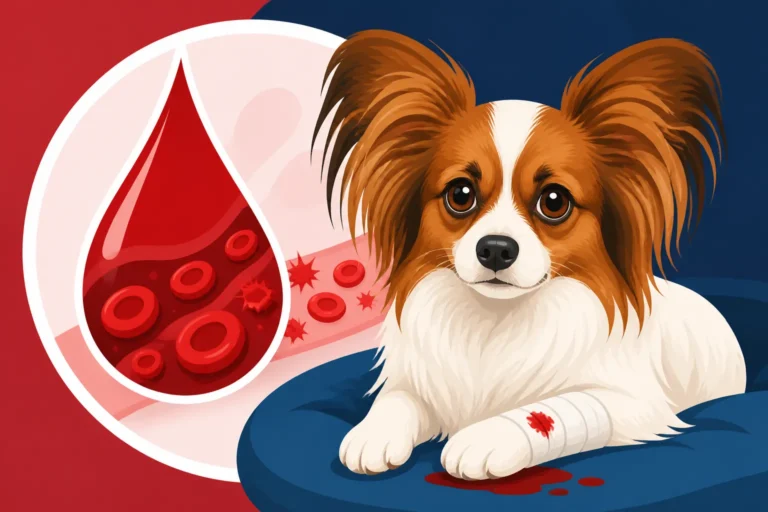
The progression of DMVD is often slow, which means a Papillon might have a low-grade murmur for years before showing any clinical signs of heart disease. It’s often subtle changes at home that hint at the disease progressing. You might notice your energetic Papillon becoming a little less enthusiastic on walks, perhaps coughing more, especially at night or after excitement. The age at which a Papillon's mitral valve starts to leak can vary, but it's typically a condition seen in middle-aged to senior dogs, usually appearing after the age of seven or eight. Regular vet check-ups are crucial for catching these murmurs early and monitoring their progression. Beyond DMVD, other acquired causes for murmurs can include conditions like anemia (where the blood is thinner and flows more turbulently), fever, or certain infections, though these are less common primary causes of persistent murmurs in Papillons compared to valve disease.
From Diagnosis to Management: Supporting Your Papillon's Heart Health
Once a heart murmur is detected in your Papillon, it’s only the first step. The real journey begins with accurately diagnosing the underlying cause and then developing a management plan to keep your little one as healthy and comfortable as possible. This process involves a combination of veterinary expertise, specialized diagnostics, and diligent home care.
The Diagnostic Journey: From Stethoscope to Specialist
The initial detection of a heart murmur almost always happens during a routine physical examination with your general veterinarian. They'll use their stethoscope to listen to your Papillon's heart, checking not only for murmurs but also for irregular rhythms or unusual heart rates. This is why regular preventive care, including How Often a Papillon Needs a Wellness Exam, is so incredibly vital, especially as your Papillon ages. Catching a murmur early allows for proactive monitoring and intervention.
If a murmur is persistent, loud, or accompanied by symptoms like coughing, lethargy, or exercise intolerance, your vet will likely recommend further diagnostics. Often, this involves a referral to a veterinary cardiologist – a specialist in heart disease. The cardiologist will perform a comprehensive cardiac exam, which includes not just listening to the heart, but also advanced imaging and tests. You might wonder What a Papillon's Cardiac Exam Costs, and it's true these specialist visits can be a significant investment, but they provide invaluable information.
Key diagnostic tools include:
- Echocardiogram: This is essentially an ultrasound of the heart and is considered the gold standard for diagnosing heart disease. It allows the cardiologist to visualize the heart's chambers, valves, and major blood vessels in real-time. They can see if the valves are thickening or leaking, measure the size of the heart, assess its pumping function, and identify any congenital abnormalities like PDA. This non-invasive test provides critical details about the structural and functional health of your Papillon's heart.
- Chest X-rays: Radiographs help assess the size and shape of the heart and lungs. They can show if the heart is enlarged, a common sign of progressive heart disease, and detect fluid accumulation in the lungs (pulmonary edema), which indicates congestive heart failure.
- Electrocardiogram (ECG): An ECG measures the electrical activity of the heart. It's used to detect arrhythmias (irregular heartbeats) and can provide clues about the heart's overall health, though it doesn't reveal structural issues.
- Bloodwork: Routine blood tests, as part of What a Papillon's Yearly Bloodwork Should Cover, are often done to assess overall organ function and rule out other conditions that might mimic heart disease symptoms or affect treatment choices. They can also check for specific biomarkers that indicate heart stress or damage.
Navigating these diagnostic steps can be expensive, and many pet owners find themselves wondering how to manage the financial strain. This is where pet insurance can be a tremendous help. Providers like Healthy Paws often cover a significant portion of diagnostic tests and specialist consultations, making advanced care more accessible without having to dip too deeply into your emergency savings. Having a robust plan in place can offer immense peace of mind.
Tailored Treatment and Ongoing Care
Once a diagnosis is established, a tailored treatment plan will be developed. The goal isn't usually to "cure" the murmur, but to manage the underlying heart condition, slow its progression, alleviate symptoms, and maintain your Papillon's quality of life.
For conditions like DMVD, treatment typically involves medication:
- Pimobendan: This is a fantastic drug for many dogs with DMVD. It helps the heart muscle contract more efficiently and dilates blood vessels, reducing the workload on the heart. Studies have shown it can significantly extend the symptom-free period and overall lifespan for dogs with advanced DMVD.
- ACE Inhibitors (e.g., Enalapril, Benazepril): These medications help to relax blood vessels, reducing blood pressure and making it easier for the heart to pump blood. They also help to prevent fluid retention.
- Diuretics (e.g., Furosemide): If your Papillon develops fluid in the lungs (congestive heart failure), diuretics are crucial. They help the body eliminate excess fluid, improving breathing and reducing discomfort.
- Other Medications: Depending on the specific condition and symptoms, other drugs might be prescribed, such as beta-blockers for arrhythmias, or cough suppressants.
Beyond medication, lifestyle adjustments are vital. Maintaining an ideal weight for your Papillon is paramount, as extra pounds put additional strain on the heart. Your vet or cardiologist will likely discuss a specific diet, potentially one low in sodium. Exercise will need to be carefully managed; while regular, gentle activity is still important for overall health, strenuous play or long, intense walks might need to be curtailed to avoid overworking the heart. It's about finding a balance that keeps your Papillon engaged and active without causing undue stress.
Ongoing monitoring is a critical part of managing heart disease. This means regular recheck appointments with your general vet or cardiologist, often every few months. These appointments will involve listening to the heart, checking blood pressure, and potentially repeating X-rays or blood tests to see how your Papillon is responding to treatment and if any adjustments are needed. Again, this is where a good pet insurance plan from a provider like Healthy Paws can be invaluable, helping to cover the recurring costs of medications and follow-up examinations, making long-term care more manageable for your family.
Nurturing Your Papillon Through a Heart Murmur
Living with a Papillon who has a heart murmur, especially one linked to progressive heart disease, means you become an essential part of their healthcare team. Your observations at home and your commitment to their prescribed care regimen are just as important as any veterinary intervention. It's a journey, but with love, attention, and the right support, your Papillon can continue to thrive.
Daily Observations and Quality of Life
One of the most powerful tools you have as a Papillon owner is your keen observation. You know your dog best, and you'll be the first to notice subtle changes that might indicate the heart condition is progressing.
Key things to monitor at home include:
- Respiratory Rate: An elevated resting respiratory rate (breaths per minute while sleeping or resting calmly) can be a significant indicator of fluid in the lungs, a sign of congestive heart failure. Learn to count your Papillon's breaths while they're asleep – anything consistently above 30-35 breaths per minute at rest might warrant a call to your vet.
- Coughing: While not all coughs are heart-related, a persistent, moist cough, especially at night or when your Papillon is excited, can be a symptom of an enlarged heart pressing on the airways or fluid in the lungs.
- Energy Levels: Is your typically playful Papillon less enthusiastic about walks or games? Are they more lethargic or sleeping more? While some of this is natural as The Age a Papillon Is Considered Senior, a sudden or pronounced change can be concerning.
- Appetite and Weight: A decrease in appetite or unexplained weight loss can be a sign of advanced heart disease.
- Fainting or Weakness: These are more serious symptoms and require immediate veterinary attention.
It's vital to remember that managing heart disease isn't just about medications; it's about maintaining a high quality of life. Continue to engage your Papillon with gentle play, mental stimulation through puzzle toys, and comfortable, short walks as appropriate for their condition. Keep their environment stress-free and ensure they have a cozy place to rest. They still deserve all the joy and affection they bring to your life.
Planning for a Long and Happy Life
A heart murmur doesn't automatically mean a short life sentence. With early diagnosis, appropriate treatment, and dedicated care, many Papillons with heart conditions can live for years in comfort and happiness. Advances in veterinary cardiology mean that pets with conditions like DMVD are living longer, more fulfilling lives than ever before. It's important to understand How Long a Papillon Lives generally, and then consider how a heart condition might affect that, aiming always to maximize their comfort and joy for as long as possible.
As your Papillon ages, you might notice What Changes in a Papillon After Eleven, regardless of a heart condition. These changes can include decreased mobility, vision or hearing loss, and other age-related ailments. If your senior Papillon also has a heart murmur, Caring for a Papillon Past Eleven requires an even more holistic approach, addressing all their health needs in conjunction with their cardiac care.
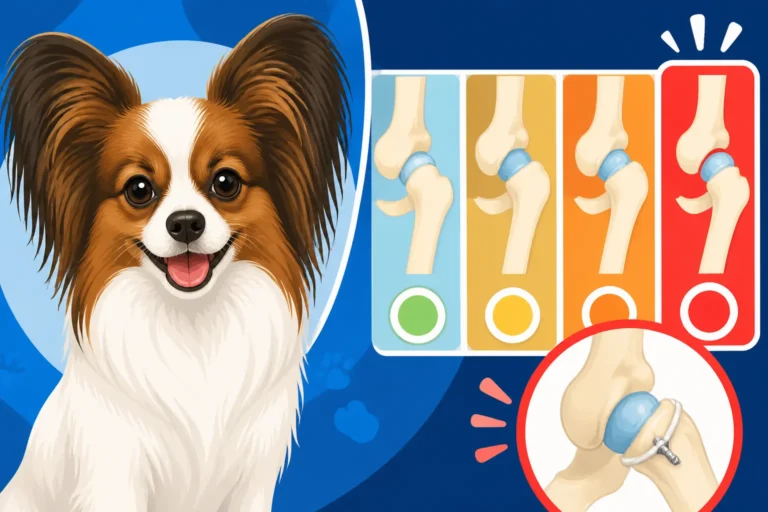
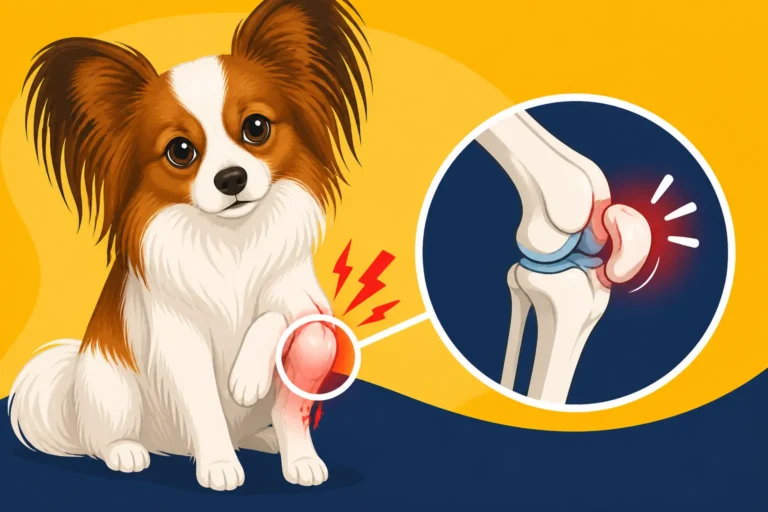
If your Papillon with a heart murmur needs surgery for an unrelated issue, such as a dental cleaning or patellar luxation repair (a common Papillon problem), it's crucial to discuss their cardiac status thoroughly with your vet and potentially a cardiologist. Anesthesia and a Five Pound Papillon can be complex due to their small size, and a heart condition adds another layer of consideration. Your vet will likely perform a thorough Whether a Papillon Needs a Pre Anesthetic Exam and may adjust the anesthetic protocol. Knowing Whether a Papillon Is Sensitive to Anesthesia is also critical, and heart issues amplify these considerations. In some cases, a mild heart murmur might not significantly increase anesthetic risk, while a more severe condition would require specialized monitoring and medication adjustments during the procedure.
The financial aspect of long-term care for a Papillon with heart disease can be substantial. Medications can be costly, and ongoing specialist visits add up. This is where pet insurance, particularly from a provider like Healthy Paws, can genuinely alleviate stress over the What a Papillon Costs Over Its Lifetime. Having coverage for chronic conditions means you can focus on making the best medical decisions for your beloved companion without financial constraints being the primary barrier. With proper care and attention, your Papillon can continue to be the delightful, bright-eyed friend you adore for many years to come.
| Murmur Grade | Description | Common Significance | Typical Action |
|---|---|---|---|
| I | Very soft, intermittent | Often benign ("innocent" murmur), especially in puppies. | Monitor. Recheck in 4-6 weeks (puppies) or at next wellness exam (adults). |
| II | Soft, consistently audible | May be benign, but warrants closer attention. | Monitor. Recheck in 4-6 weeks; consider further diagnostics if persistent. |
| III | Moderately loud, easily heard | Often indicates underlying heart disease. | Typically warrants further diagnostics (echocardiogram, X-rays). |
| IV | Loud, with palpable thrill | Strong indication of significant heart disease. | Immediate further diagnostics and specialist consultation. |
| V | Very loud, thrill easily palpable | Severe heart disease. | Immediate specialist consultation, aggressive diagnostics and treatment. |
| VI | Loudest, audible without stethoscope | Extremely severe heart disease. | Immediate specialist consultation, aggressive diagnostics and treatment. |
Disclaimer
The information provided in this article is for general informational purposes only and does not constitute veterinary advice. Always consult with a qualified veterinarian or veterinary specialist for any health concerns or before making any decisions about your pet's medical care.