Whether a Papillon Puppy’s Bile Acids Should Be Checked
Bringing home a Papillon puppy is an exciting time, full of dreams of frolics and cuddles. But sometimes, hidden health concerns can cast a shadow over those early days, leaving new owners worried and confused. One such concern that can affect Papillons, though not widely talked about, is a liver shunt, and determining if a bile acid test is necessary for your tiny companion can be a source of real anxiety. This guide will delve into why checking a Papillon puppy's bile acids might be a crucial diagnostic step, what the test involves, and how understanding the results can significantly impact your little one's health and future.
Understanding Liver Shunts in Papillons
Liver shunts, or Portosystemic Shunts (PSS), are a serious congenital condition that can affect Papillon puppies right from birth. It's a scary thought to imagine something so vital being compromised in your tiny, innocent friend. These shunts prevent blood from being properly filtered by the liver, leading to a buildup of toxins in the bloodstream, which can cause a cascade of health problems.
What is a Portosystemic Shunt?
Normally, blood from the digestive system flows through the portal vein into the liver, where toxins are removed and nutrients are processed before the blood circulates to the rest of the body. Think of the liver as the body's super-filter and processing plant. However, with a portosystemic shunt, an abnormal blood vessel (or multiple vessels) bypasses the liver entirely or partially. This means that instead of being purified, blood from the intestines, full of metabolic waste products, goes directly into the general circulation. It's like having a water filter system, but the pipes are rerouted, so dirty water goes straight to the faucet. As you can imagine, this can lead to a host of neurological, gastrointestinal, and urinary issues. It's a complex condition that can vary greatly in severity, from mild, intermittent symptoms to life-threatening crises. For a deeper dive, you might want to read our article on whether a Papillon gets a liver shunt.
Why Papillons are Prone to Liver Shunts
While liver shunts can occur in any dog breed, and even in mixed breeds, some breeds, including Papillons, have a higher genetic predisposition to certain types of shunts. This isn't your fault as an owner, nor is it necessarily the fault of a responsible breeder, as sometimes these things can appear unexpectedly. However, knowing that Papillons are one of the breeds more commonly affected allows you to be more vigilant and proactive about their health. The exact genetic mechanisms are still being researched, but it’s understood that certain lines carry a higher risk. This genetic link underscores the importance of thorough health screening by reputable breeders and careful consideration of pedigree when acquiring a puppy. It's a situation where genetic screening, if available, or proactive testing can make a real difference in preventing heartache.
Recognizing the Subtle Signs of a Liver Shunt
The tricky part about liver shunts in puppies is that the symptoms can be incredibly subtle, vague, or intermittent, making them easy to miss or misattribute to other puppy woes. Your little Papillon might just seem a bit "off" sometimes, which as a new puppy owner, you might dismiss as typical puppy behavior or a minor tummy ache. These signs often become more apparent after meals when toxin levels are highest. Common symptoms can include poor growth, lethargy, decreased appetite, episodic vomiting or diarrhea, and increased thirst and urination.
More severe signs might point to neurological issues due to toxins affecting the brain. This could manifest as disorientation, circling, head pressing, staring into space, blindness, or even seizures. Some puppies might also develop copper-colored urine or bladder stones. If you notice any of these signs, especially a cluster of them, it’s vital to consult your veterinarian immediately. It’s a situation where early intervention truly matters. Keep in mind that some of these symptoms, like lethargy and poor appetite, can also mimic signs a Papillon puppy has low blood sugar, which is another concern for tiny breeds.
The Bile Acid Test: What It Is and How It Works
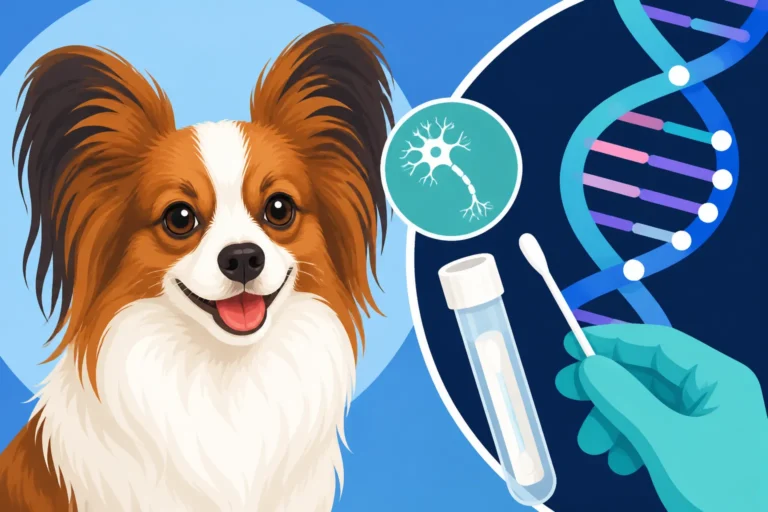
So, if the symptoms can be so subtle, how do we really know if a liver shunt is the problem? This is where the bile acid test comes in. It’s a specialized blood test that helps evaluate liver function and is often the first step in diagnosing a liver shunt. Don't be intimidated by the name; your vet will guide you through the process, and it's a relatively straightforward procedure.
The Importance of Bile Acids in Digestion and Liver Function
Bile acids are crucial for digestion, particularly for breaking down fats in the small intestine. They are produced by the liver, stored in the gallbladder, and released into the small intestine after a meal. Once they've done their job, these bile acids are reabsorbed into the bloodstream and sent back to the liver for recycling – a process called enterohepatic recirculation. A healthy liver efficiently removes almost all of these recirculating bile acids from the blood.
However, if there's a liver shunt, the blood carrying these bile acids bypasses the liver. This means the liver can't remove them from the bloodstream as effectively, leading to elevated bile acid levels in the systemic circulation. By measuring these levels, especially before and after a meal, we get a clear picture of how well the liver is processing blood and if there's a bypass occurring. It’s a clever way to check the liver's "filter" without directly seeing the shunt.
The Two-Part Testing Process
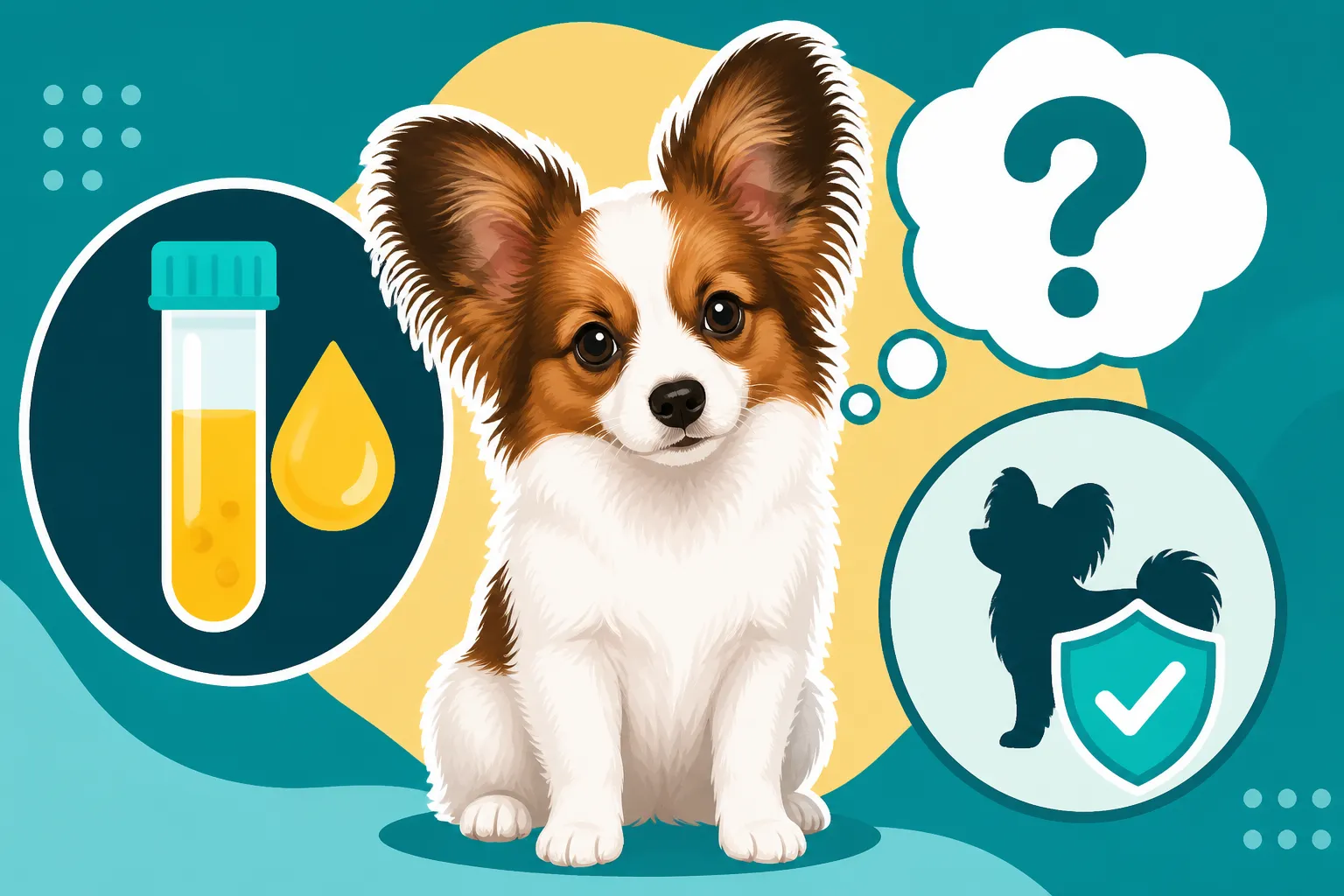
The bile acid test is typically a two-part process to get the most accurate picture. The first step involves taking a blood sample after your Papillon puppy has fasted for 10-12 hours (usually overnight). This is called the "pre-prandial" (before meal) sample. It establishes a baseline of how many bile acids are circulating when the digestive system is inactive.
After this first blood draw, your puppy will be given a small, measured meal. This meal stimulates the gallbladder to release bile acids into the intestines. Two hours after eating, a second blood sample is drawn. This "post-prandial" (after meal) sample shows how many bile acids are reabsorbed and how effectively the liver is clearing them from the bloodstream. If there's a shunt, these post-meal levels will be significantly higher than normal because the liver isn't getting all the blood it needs to process. This simple, two-step process provides a lot of valuable information.
Interpreting Bile Acid Test Results
Interpreting the bile acid test results requires a veterinarian's expertise, but generally, normal pre- and post-prandial values indicate healthy liver function. If both values are high, it strongly suggests a problem with the liver's ability to clear bile acids, with a portosystemic shunt being a primary suspect. However, it's important to understand that elevated bile acids aren't always definitive for a shunt; other liver diseases can also cause increased levels.
If the results are abnormal, your vet will likely recommend further diagnostics, such as an ultrasound or advanced imaging (like CT angiography), to definitively locate and characterize the shunt. This is often the point where you shift from suspicion to confirmation. These additional tests help determine if the shunt is intrahepatic (within the liver) or extrahepatic (outside the liver), which is crucial for planning treatment. Early detection through testing like this can be a game-changer, improving prognosis significantly.
| Test Parameter | Normal Papillon Puppy | Papillon Puppy with PSS (Typical) | Implications |
|---|---|---|---|
| Pre-prandial Bile Acids (fasted) | Low to Normal | Elevated | Indicates impaired liver clearance at rest. |
| Post-prandial Bile Acids (2 hours post-meal) | Low to Normal | Significantly Elevated | Strong indicator of blood bypassing the liver. |
| Overall Interpretation | Healthy Liver Function | Liver Shunt or Other Liver Disease | Requires further imaging for definitive diagnosis. |
When to Consider Bile Acid Testing for Your Papillon Puppy
Deciding when and if to test your Papillon puppy’s bile acids can feel like a big decision. Should you wait for symptoms, or is it something to consider proactively? There are good arguments for both approaches, and your veterinarian is your best resource for personalized advice.
Routine Screening vs. Symptom-Driven Testing
For many Papillon owners, the bile acid test is first considered when a puppy exhibits the aforementioned clinical signs – poor growth, neurological issues, or chronic gastrointestinal upset. In these cases, the test becomes a vital diagnostic tool to pinpoint the underlying cause of the symptoms. However, given the breed's predisposition, some conscientious breeders and owners opt for routine screening of all puppies, even those that appear perfectly healthy.
Proactive testing, often performed around 8-12 weeks of age, can catch shunts before severe symptoms develop. This early detection can be critical because intervention before significant neurological damage or liver impairment occurs usually leads to a much better prognosis. If you're wondering what your Papillon's yearly bloodwork should cover as they get older, bile acid testing might be a one-time puppy consideration unless liver issues arise later in life.
What a Breeder Should Tell You
A responsible Papillon breeder is your first line of defense against many inherited health issues. They should be transparent about the health history of their breeding dogs and past litters. When looking for a puppy, don't be shy about asking specific questions about liver shunts. Inquire if the parents have been screened for any genetic predispositions to shunts, or if any puppies from previous litters have ever been diagnosed with the condition.
Some highly ethical breeders might even perform routine bile acid testing on all their puppies before they go to new homes, particularly in breeds with higher risk. While there isn't a universally adopted "bile acid test all puppies" standard for Papillons yet, a breeder who is aware of the risk and proactively addresses it is a huge plus. This is part of the broader discussion of what a Papillon breeder should have tested, which often includes eyes and patellas. If a breeder shows any hesitation or lack of knowledge regarding liver shunts, it might be a red flag.
The Role of Early Detection in Management
Early detection of a liver shunt fundamentally changes the game for your Papillon puppy. When a shunt is identified early, before significant health deterioration, your veterinarian has more options and a greater chance of successful intervention. Prompt diagnosis allows for immediate dietary management and medical therapy to stabilize the puppy, and often leads to discussions about surgical correction.
Surgical repair, which involves either completely closing the abnormal vessel or gradually constricting it over time, offers the best long-term prognosis for many shunts. Without early detection, puppies might suffer irreversible damage to their brains or other organs due to chronic toxin exposure, making treatment more challenging and outcomes less favorable. It truly emphasizes why a proactive approach, rather than waiting until your Papillon puppy crashes, can mean the difference between a lifetime of health and ongoing struggles.
Living with a Papillon Diagnosed with a Liver Shunt
A diagnosis of a liver shunt can be overwhelming, but it's important to remember that it's not a death sentence. Many Papillons with shunts, especially with early and appropriate intervention, can live long, happy lives. It will require dedication and perhaps some lifestyle adjustments, but your furry friend is absolutely worth it.
Medical Management and Dietary Changes
For Papillons diagnosed with a liver shunt, particularly if surgery isn't immediately an option or for those with milder cases, medical management and dietary changes become paramount. The goal here is to reduce the production and absorption of toxins in the gut, thereby minimizing the load on the liver and preventing neurological symptoms. This often involves a prescription therapeutic diet, typically one that is low in protein but high-quality, as protein breakdown products can contribute to toxin buildup. Your vet might recommend brands like Hill's Prescription Diet l/d or Royal Canin Hepatic, which are specifically formulated for liver support.
Additionally, medications such as lactulose are commonly prescribed. Lactulose works by reducing ammonia absorption from the gut and promoting its excretion. Antibiotics may also be used to decrease toxin-producing bacteria in the intestines. These interventions can significantly improve your Papillon's quality of life, managing symptoms and buying time if surgery is planned. It's a continuous balancing act to keep your little one feeling their best.
Surgical Options and Prognosis
For many Papillons with a liver shunt, surgical correction offers the best long-term solution. The surgery aims to close or reduce the size of the abnormal blood vessel, redirecting blood flow back through the liver. The type of surgery depends on whether the shunt is intrahepatic (more complex, within the liver itself) or extrahepatic (outside the liver, generally easier to access). Techniques vary from complete ligation (tying off the vessel) to gradual occlusion using an ameroid constrictor or cellophane banding, which slowly closes the shunt over weeks or months.
The prognosis following successful surgery is generally very good, especially with early intervention. Many dogs go on to live normal, healthy lives with no further complications. However, there are risks involved with any surgery, especially for a small breed like a Papillon. Anesthesia and a five pound Papillon always require careful consideration and skilled veterinary staff. Post-operative care is crucial, often involving careful monitoring and continued dietary management for a period. Your veterinary surgeon will discuss the specific risks and expected outcomes for your dog's unique situation.
Financial Considerations and Pet Insurance
Let's be realistic – diagnosing and treating a liver shunt can be costly. The initial diagnostics, including the bile acid test, ultrasound, and potentially advanced imaging like a CT scan, can quickly add up. If surgery is recommended, that's another significant expense, easily running into several thousands of dollars, followed by post-operative care, medications, and specialized diets. This can be a major source of stress for any pet owner, especially when you're already worried about your puppy's health.
This is where pet insurance can be an absolute lifesaver. Policies from companies like Healthy Paws can help cover a substantial portion of these unexpected veterinary bills, allowing you to focus on your Papillon's recovery rather than financial strain. It’s always best to enroll your puppy in pet insurance as early as possible, before any conditions manifest, as pre-existing conditions are typically not covered. The lifetime cost of owning a Papillon can be impacted greatly by unexpected health issues, making insurance a worthwhile investment for peace of mind.
Disclaimer
The information provided in this article is for general informational purposes only and is not intended as a substitute for professional veterinary advice, diagnosis, or treatment. Always seek the advice of your veterinarian or other qualified health provider with any questions you may have regarding a medical condition. Never disregard professional veterinary advice or delay in seeking it because of something you have read in this article.