How Often a Papillon Needs a Dental Cleaning
If you're a Papillon owner, you know the distinct worry that comes with those tiny, delicate jaws. It's a common frustration to constantly hear about how small breeds are prone to dental disease, leaving you to wonder just how often your precious butterfly-eared companion actually needs a professional dental cleaning. This guide is here to unravel that mystery, providing realistic expectations and actionable advice to keep your Papillon's mouth as healthy as possible.
Why Papillons Face an Uphill Battle with Their Tiny Teeth
Let's be honest, owning a small dog, especially a Papillon, often means dealing with dental issues earlier and more frequently than owners of larger breeds. It's not a reflection of your care; it's simply a biological reality for these adorable little dynamos. Their mouths are perfectly sized for their small heads, but those teeth? They’re often crammed in there like rush-hour commuters on a tiny subway train.
The Anatomy of a Crowded Mouth
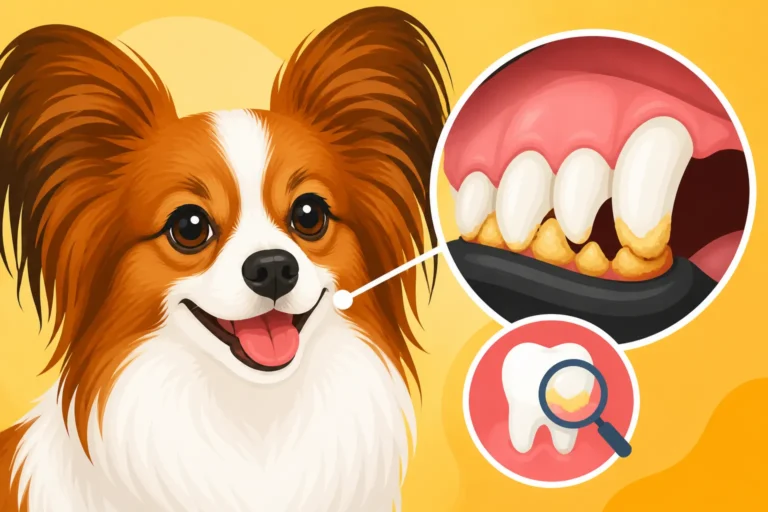
Imagine trying to fit 42 adult human teeth into a toddler's mouth – that's essentially what a Papillon's jaw is up against. Papillons typically have the same number of teeth as a much larger dog, just significantly smaller and often much more crowded. This crowding creates nooks and crannies where food particles, plaque, and tartar love to hide and thrive. When teeth are tightly packed, it's incredibly difficult for saliva to naturally wash away debris, and even dedicated brushing can miss spots. This architectural challenge means that plaque, a sticky film of bacteria, can accumulate incredibly fast, hardening into tartar within days. You can literally watch as How Early Tartar Appears on a Papillon. This rapid accumulation is why even with the best home care, professional intervention becomes a necessity.
The Impact of Retained Baby Teeth and Fragile Roots
Another common issue for Papillons is the tendency to retain their deciduous (baby) teeth. While adult teeth are coming in, sometimes those little puppy teeth just don't want to let go. This leads to double rows of teeth, further exacerbating the crowding problem. When two teeth are trying to occupy the same space, it creates an even larger trap for food and bacteria, increasing the risk of periodontal disease. It's not uncommon for a vet to recommend extracting these stubborn baby teeth when your Papillon is spayed or neutered, or even as a separate procedure, because the long-term dental health consequences are so severe. Understanding When a Papillon's Baby Teeth Must Be Pulled is crucial for any Papillon owner. Furthermore, Papillon teeth, while small, often have surprisingly long and delicate roots compared to their crown size, making them more prone to issues if periodontal disease takes hold. If those roots become infected or the supporting bone structure weakens, tooth loss can happen much faster than you’d expect.
Understanding the Ideal Schedule for Your Papillon's Dental Cleanings
So, with all these challenges, how often does a Papillon truly need a professional dental cleaning? The answer, like with many things in dog ownership, isn't a strict, one-size-fits-all timeline. It's a blend of general recommendations, your dog's individual genetics, diet, and most importantly, your dedication to home care.
The General Guideline: Yearly to Every Two Years
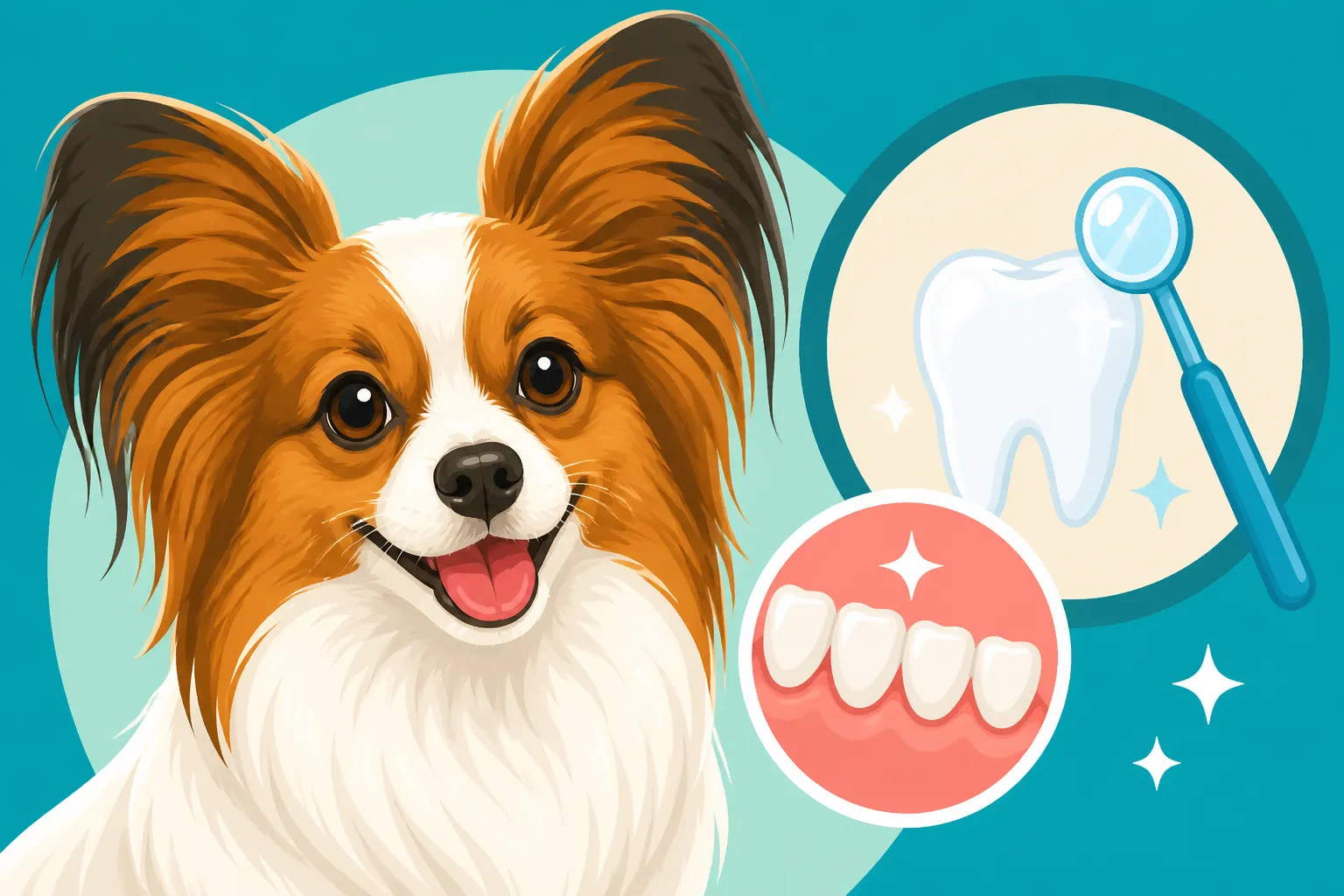
For most small breeds like Papillons, the general recommendation from veterinarians is to have a professional dental cleaning under anesthesia every one to two years. This might sound frequent, especially when you think about your own dental habits, but remember the unique challenges of their mouths. For many Papillons, especially those with a history of rapid tartar buildup or genetic predisposition to dental issues, leaning towards the yearly cleaning schedule is often the most prudent course of action. This proactive approach aims to remove plaque and tartar before it progresses into severe periodontal disease, which can lead to painful infections, tooth loss, and even systemic health problems affecting organs like the heart and kidneys. It’s not just about fresh breath; it’s about overall wellness.
Factors That Shorten or Lengthen the Interval
While one to two years is a good starting point, several factors can drastically alter this timeline. Some Papillons, despite all odds, are blessed with fantastic genetics and pristine teeth, allowing them to stretch intervals slightly. Others might need cleanings more frequently, perhaps every 6-12 months.
Here’s a breakdown of what influences the frequency:
- Age: Younger Papillons (under 2-3 years) typically have healthier mouths, especially if good home care is established early. As they age, tartar accumulation accelerates, and the risk of gum disease increases. Therefore, Caring for a Papillon Past Eleven often involves more frequent dental assessments and cleanings.
- Genetics: Some individual dogs are simply more prone to tartar and gum disease, regardless of breed. If your Papillon’s parents had significant dental problems, your pup might too. This is why a thorough conversation with your breeder about the dental history of their lines can be very insightful.
- Diet: A high-quality kibble designed for small breeds can offer some mild abrasive action, but don't count on kibble alone to keep teeth clean. Softer diets or exclusively wet food can sometimes contribute to faster plaque buildup, as there's less mechanical abrasion.
- Home Dental Care: This is perhaps the biggest factor you can control. Daily tooth brushing, even if imperfect, can significantly slow down plaque accumulation. If you’re diligently brushing your Papillon’s teeth every single day, you might be able to extend the time between professional cleanings. If brushing is sporadic or non-existent, expect more frequent trips to the vet for dental work.
- Overall Health: Underlying health conditions can sometimes impact dental health. For example, some illnesses can weaken the immune system, making dogs more susceptible to gum infections.
- Observation: The most important factor is you! Regularly lifting your Papillon’s lip and looking at their teeth can tell you a lot. Look for yellow or brown tartar buildup, especially on the outside surfaces of the upper canines and molars. Red, swollen, or bleeding gums are also major red flags. If you notice persistent bad breath, difficulty eating, drooling, or pawing at their mouth, don't wait for the annual check-up; schedule a vet visit immediately. These could be signs of advanced periodontal disease or an abscess.
| Factor | Impact on Dental Cleaning Frequency | Explanation |
|---|---|---|
| Excellent Home Care | Less Frequent (18-24 months) | Daily brushing, dental chews, water additives significantly slow plaque/tartar buildup. |
| No Home Care | More Frequent (6-12 months) | Plaque hardens into tartar rapidly, leading to quick progression of gum disease. |
| Advanced Age | More Frequent (6-12 months) | Older dogs often have increased tartar, gum recession, and a higher risk of tooth loss. |
| Genetic Predisposition | More Frequent (6-12 months) | Some Papillons are naturally more prone to rapid tartar buildup, regardless of home care. |
| Crowded Teeth | More Frequent (6-12 months) | Overlapping teeth create more areas for bacteria to hide, making cleaning difficult. |
| Healthy Diet (Kibble) | Moderate (12-18 months) | Some abrasive action from kibble can offer minor benefits, but it's not a substitute for brushing. |
| Soft/Wet Diet | More Frequent (6-12 months) | Less mechanical abrasion to help clean teeth, potentially leading to faster buildup. |
| Retained Baby Teeth | More Frequent (6-12 months initially) | Create traps for food and bacteria, requiring early intervention and potentially extractions. |
Always consult with your veterinarian to determine the best dental care plan for your individual Papillon. They can assess your dog's mouth, overall health, and history to give you the most accurate recommendation.
What Happens During a Professional Papillon Dental Cleaning
When your vet recommends a professional dental cleaning, it’s not just a quick scrub. It’s a comprehensive veterinary procedure performed under general anesthesia. This isn't something to take lightly, especially with a tiny breed, but it's absolutely essential for proper oral health. Trying to clean a dog's teeth without anesthesia would be like trying to perform intricate dental surgery on a squirming toddler – impossible to do thoroughly and safely.
The Anesthetic Process: Safety First for Small Dogs
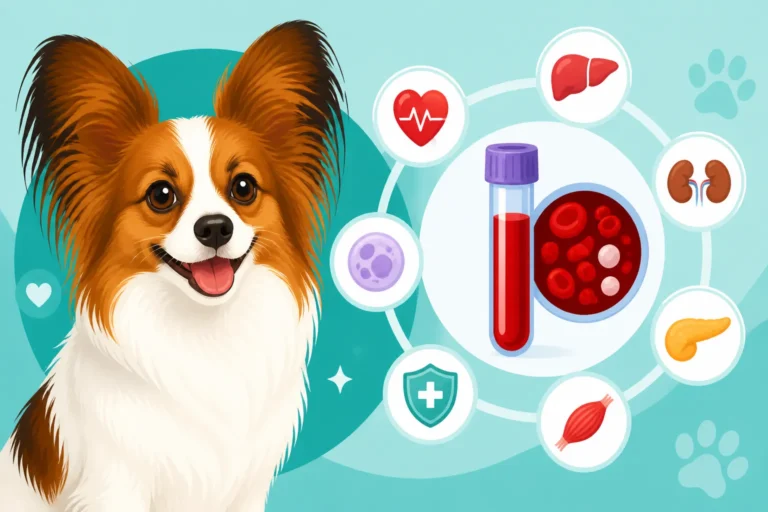
Before any anesthesia is administered, your Papillon will undergo a thorough pre-anesthetic exam and typically require Whether a Papillon Needs Bloodwork Before a Dental. This bloodwork is crucial, especially for small dogs, as it helps identify any underlying health issues that might increase anesthetic risk, such as liver or kidney problems. Your vet will also do a physical exam and listen to their heart.
Once cleared, anesthesia will be administered. This is often the biggest concern for owners of tiny dogs, and rightly so. Anesthesia and a Five Pound Papillon can feel daunting. However, modern veterinary anesthesia protocols are incredibly advanced and safe, even for the smallest patients. Your Papillon will be intubated (a breathing tube placed in their windpipe) to protect their airway and allow for precise oxygen and anesthetic gas delivery. They'll be monitored closely by a veterinary technician using equipment that tracks heart rate, blood pressure, oxygen saturation, and temperature throughout the entire procedure. Special care is taken to keep small dogs warm during anesthesia to prevent hypothermia.
The Cleaning Process: Scaling, Polishing, and X-rays
Once your Papillon is safely anesthetized and stable, the real work begins.
- Oral Examination and Charting: The vet or technician will first perform a detailed visual examination of the entire mouth, noting any missing teeth, fractured teeth, gum recession, or suspicious lesions. This information is meticulously recorded on a dental chart.
- Dental Radiographs (X-rays): This is a critical step, often overlooked in basic cleanings but vital for comprehensive care. Just like with humans, a significant portion of a dog's tooth is hidden beneath the gum line. Dental X-rays reveal issues that aren't visible to the naked eye, such as bone loss, abscesses, unerupted teeth, or damaged roots. This is especially important for Papillons, whose small teeth and fragile roots can hide serious problems.
- Scaling: Using ultrasonic and hand scalers, the veterinary team will carefully remove plaque and tartar from the tooth surfaces, both above (supragingival) and below (subgingival) the gum line. Removing the subgingival tartar is paramount, as this is where the most damaging bacteria reside, leading to periodontal disease.
- Polishing: After scaling, the teeth are polished to smooth the tooth surface. This helps to reduce future plaque adherence, as plaque sticks less readily to a smooth surface.
- Fluoride Treatment (Optional): Some vets may apply a fluoride treatment to strengthen enamel and reduce sensitivity.
- Extractions: If dental X-rays or the visual exam reveal severely diseased, fractured, or abscessed teeth, extractions may be necessary. This is often the most expensive part of a dental procedure but is crucial for eliminating pain and infection. Your vet will typically call you to discuss any necessary extractions before proceeding, as they can significantly increase the cost and recovery time. While it's always hard to hear your dog might lose a tooth, it's far better for their long-term comfort and health to remove a diseased tooth than to leave it to fester. If your Papillon has ever bled after a dental cleaning, this is often a sign of extractions or severe gum inflammation.
After the cleaning, your Papillon will be carefully monitored during recovery from anesthesia. Pain medication will be administered as needed, especially if extractions were performed. You'll likely receive detailed post-op instructions regarding feeding and activity levels for the next few days. The cost of such a procedure can vary widely based on location, the clinic, and how extensive the work, especially extractions, turns out to be. Many Papillon owners find that getting pet insurance, such as a plan from Healthy Paws, can be a lifesaver for these often-unforeseen but necessary expenses.
Extending the Time Between Cleanings: Daily Home Care Strategies
While professional dental cleanings are non-negotiable for a Papillon's long-term health, what you do at home, every single day, can dramatically influence how often those expensive trips to the vet for a dental procedure are needed. Think of home care as preventative maintenance, buying your Papillon more time between major overhauls.
The Golden Standard: Daily Tooth Brushing
This is it. The single most effective thing you can do at home for your Papillon's dental health is to brush their teeth daily. Yes, daily! I know, it sounds like a monumental task, especially with a squirming, tiny dog, but it's truly the gold standard. When you’re faced with Why a Papillon's Teeth Need Brushing Daily, remember it takes plaque only 24-48 hours to start hardening into tartar, which cannot be brushed away.
Here's how to make it work:
- Start Early: Begin introducing tooth brushing as a puppy. The earlier you start, the more accustomed they'll become to the sensation.
- Choose the Right Tools: Forget human toothpaste – it's toxic to dogs. Use a dog-specific enzymatic toothpaste, which comes in flavors like poultry or peanut butter that your Papillon might actually enjoy. For the brush, a finger brush or a very small, soft-bristled toothbrush designed for toy breeds works best. You’ll be surprised at how flexible some finger brushes are for reaching those crowded back teeth.
- Technique is Key: Don't worry about scrubbing every surface perfectly. Focus on the outside surfaces of the upper teeth, especially the canines and molars, as these are where tartar tends to build up most. Gently lift their lip and brush in small circular motions. Aim for at least 30 seconds to a minute, if possible. Even a few seconds of brushing is better than none!
- Positive Reinforcement: Make it a positive experience with lots of praise and a tiny, delicious reward afterward. This builds a positive association with the routine.
- Consistency: Daily brushing is far more effective than brushing twice a week. Make it a part of your Papillon's evening routine, just like their last potty break.
Beyond the Brush: Supplementary Dental Health Products
While brushing is king, other products can help supplement your efforts and keep those teeth cleaner for longer. These are aids, not replacements for brushing or professional cleanings.
- Veterinary Dental Diets: Specific kibbles, like Royal Canin Dental or Hill's t/d, are formulated with larger, unique kibble shapes and fiber matrices that help mechanically scrub the tooth surface as your dog chews. This can be a great addition, especially for Papillons who are prone to rapid buildup.
- Dental Chews: Look for chews that are VOHC (Veterinary Oral Health Council) approved. This means they have been scientifically proven to reduce plaque and/or tartar. Be cautious with excessively hard chews (like bones, antlers, or hooves) as these can fracture tiny Papillon teeth. Soft, digestible dental chews are generally safer. Always supervise your Papillon with any chew. Brands like Greenies or VeggieDent are often good choices for small mouths.
- Water Additives: These are liquids you add to your Papillon's drinking water that contain ingredients designed to reduce bacteria in the mouth and freshen breath. They are easy to use and can provide a small extra layer of protection, but their effectiveness can vary.
- Oral Gels/Sprays: Some products contain enzymes or antibacterial agents that you apply directly to your dog's gums or teeth. These can be helpful if brushing is simply impossible for your Papillon, but they are generally less effective than mechanical brushing.
By combining diligent home care with regular professional cleanings, you can give your Papillon the best possible chance at a healthy, pain-free mouth throughout their long life. Remember, good dental health contributes directly to their overall well-being, and catching issues early can save you a lot of heartache (and veterinary bills!) down the line. It's an investment in their comfort and happiness. And sometimes, knowing you have a reliable pet insurance provider like Healthy Paws can give you the peace of mind to pursue optimal care without undue financial stress.
Disclaimer
The information provided in this article is for general informational purposes only and is not a substitute for professional veterinary advice. Always consult with a qualified veterinarian for any health concerns or before making any decisions related to your Papillon's health and dental care.