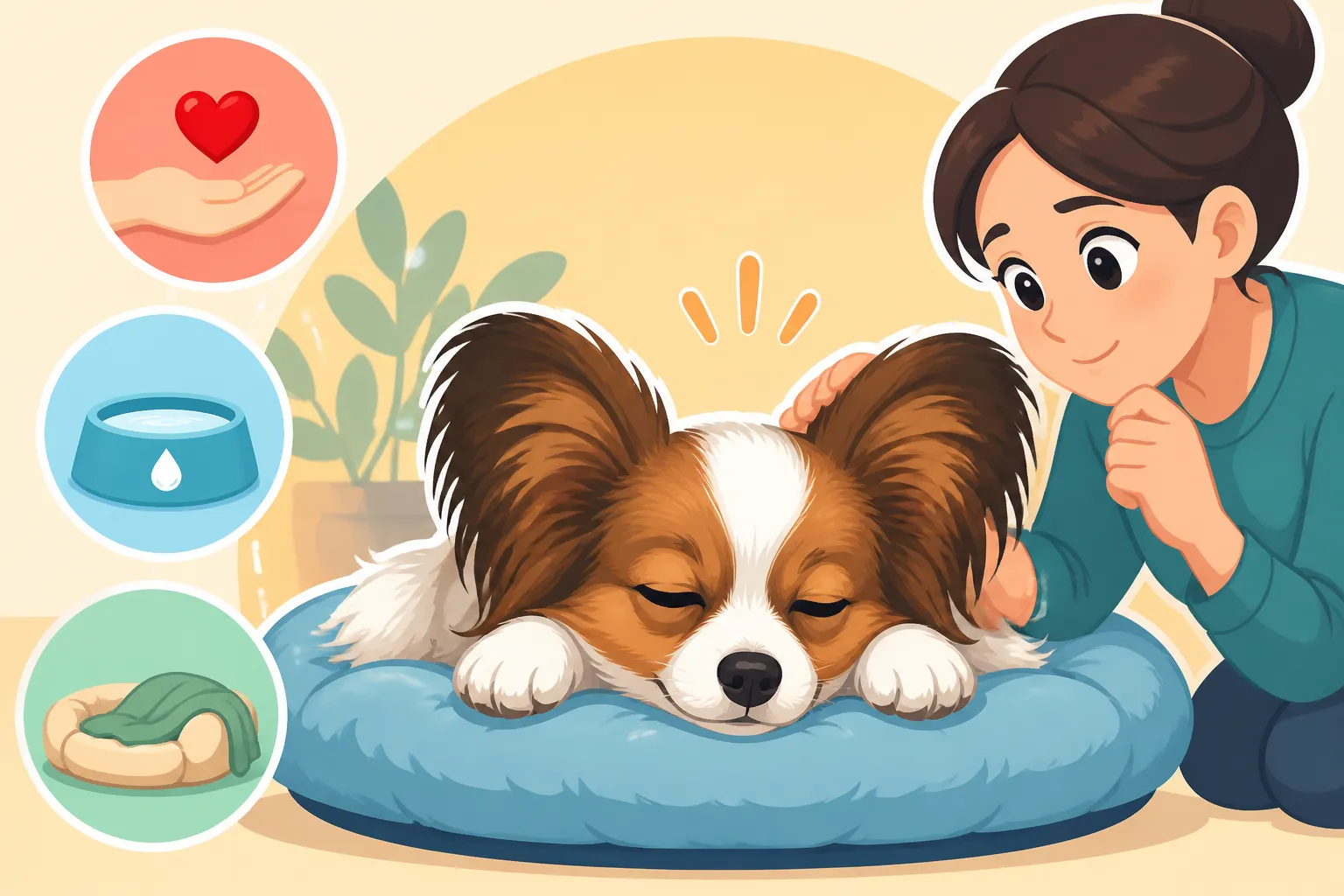
What to Do When a Papillon Puppy Crashes
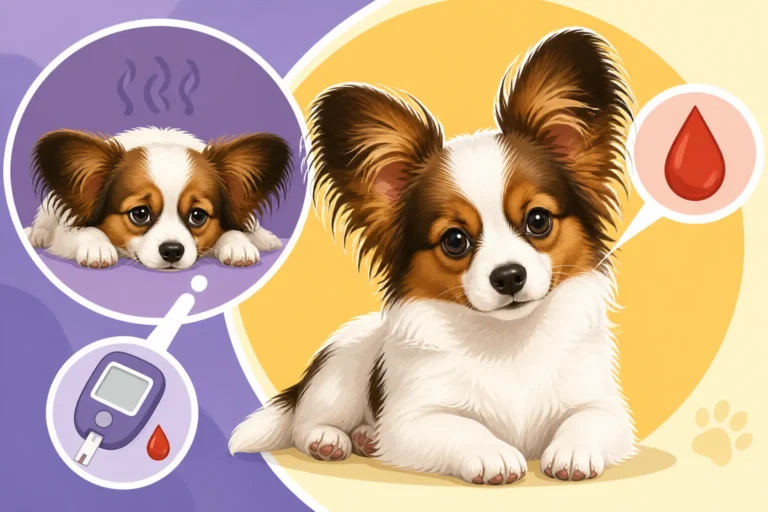
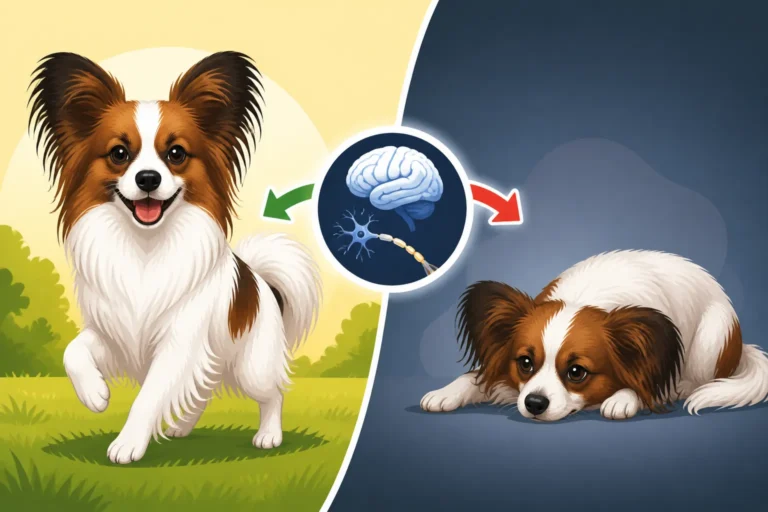
There's nothing quite as terrifying as seeing your tiny Papillon puppy, full of boundless energy just moments before, suddenly become limp, disoriented, or even unresponsive. This alarming "crash" often signals a serious drop in blood sugar, known as hypoglycemia, which is particularly common and dangerous in small breeds like Papillons. It's a frightening experience that can leave any owner feeling helpless and panicked. This guide is here to walk you through exactly what to do when your Papillon puppy experiences such a crash, from immediate life-saving actions to crucial preventative measures.
Understanding Hypoglycemia in Papillon Puppies
Before we dive into what to do, it’s really helpful to understand why this happens. Papillon puppies, especially when they are very young or particularly tiny, are predisposed to hypoglycemia. Their small bodies simply don't have the same reserves or mature metabolic systems as larger breed puppies. It's not a sign you're a bad owner; it's a physiological reality of owning such a delicate little creature.
Why Small Puppies Are at Risk
Imagine a tiny engine that needs constant fuel, but has a minuscule fuel tank. That's essentially what's happening with a Papillon puppy. Their high metabolism burns through glucose (blood sugar) incredibly quickly, especially during periods of stress, over-excitement, or when they haven't eaten for a few hours. Unlike larger puppies who can go longer between meals or have more stored glycogen in their liver to convert into glucose, a Papillon puppy's reserves are easily depleted. This makes them much more vulnerable to sudden drops in blood sugar. Things like a sudden chill, excessive playtime, a missed meal, or even an upset tummy can trigger an episode. For more information on the subtle cues, you might want to read our guide on Signs a Papillon Puppy Has Low Blood Sugar.
The Role of Stress and Energy Levels
It's easy to forget just how much energy a growing puppy expends, even one as small as a Papillon. They're constantly exploring, playing, learning, and their little brains are working overtime. Any disruption to their routine or an increase in activity can tip the scales. A visit to the vet for vaccinations, a long car ride, or even just too much roughhousing with siblings can accelerate their glucose consumption. This isn't to say you should keep your puppy in a bubble, but rather to be acutely aware of their activity levels and eating habits. Remember, their tiny size means they don't have a lot of wiggle room when it comes to energy balance.
Immediate Steps When Your Papillon Puppy Crashes
Okay, so your heart is pounding, and your puppy is looking unwell. This is the critical moment where quick action can literally save their life. Don't waste time panicking; instead, act swiftly and calmly.
Administering a Fast-Acting Sugar Source
The goal here is to get sugar into your puppy's system as quickly as possible. Time is of the essence. You'll need a source of simple sugars, and it's something every Papillon owner should have on hand, always.
- Karo Syrup or Honey: These are your best friends in an emergency. Gently rub a small amount (think a pea-sized dab for a tiny puppy, or a bit more for a slightly larger one) directly onto your puppy's gums. Don't try to force it down their throat if they're unresponsive, as this can lead to aspiration. The sugar will be absorbed through the mucous membranes in their mouth. You should see a noticeable improvement within 5-15 minutes if hypoglycemia is the cause.
- Nutri-Cal or Glucose Gel: Many breeders and vets recommend having a high-calorie nutritional supplement gel like Nutri-Cal. These are specifically formulated for puppies and often have a consistency that makes them easy to administer on the gums. Keep one in your puppy's first aid kit.
- Other options (if desperate): In an absolute emergency, if you have nothing else, a bit of maple syrup or even sugar dissolved in a small amount of water (again, just a few drops rubbed on gums) can work. Avoid artificial sweeteners.
Keeping Your Puppy Warm and Stimulated
While you're administering sugar, it's also crucial to help regulate your puppy's body temperature. Hypoglycemia often goes hand-in-hand with hypothermia in tiny puppies.
- Warmth: Wrap your puppy snugly in a warm blanket or towel. You can use a heating pad set on low, wrapped in another towel, to create a gentle heat source, but be extremely careful not to overheat or burn them. Skin-to-skin contact, holding your puppy against your chest, can also provide comforting warmth.
- Gentle Stimulation: If your puppy is very lethargic, you can try gently rubbing their ears or paw pads to stimulate them. Speak to them in a soft, reassuring voice. The aim is to rouse them slightly without causing more stress or over-excitement.
- Offer Food: Once your puppy shows signs of improvement – maybe they start to lift their head, show interest, or even try to lick the sugar from their gums – immediately offer a small amount of their regular puppy food, perhaps mixed with a little warm water to make it more appealing and easier to digest. The goal is to get sustained calories into them. Remember that Why a Papillon Puppy Must Not Go Long Without Food is a key preventative measure, but also a crucial recovery step.
Here's a quick reference table for immediate action:
| Symptom Severity | Immediate Action | Follow-up |
|---|---|---|
| Lethargy, Trembling | Rub Karo syrup/honey on gums, wrap in warm blanket. | Offer small meal. Monitor closely for 1-2 hours. |
| Disorientation, Wobbling | Rub Karo syrup/honey on gums, wrap in warm blanket. | Offer small meal. Call vet immediately for advice. |
| Unresponsive, Seizures | Rub Karo syrup/honey on gums, wrap in warm blanket. | EMERGENCY VET VISIT REQUIRED IMMEDIATELY. Call en route. |
Preventing Future Hypoglycemic Episodes
The best way to deal with a hypoglycemic crash is to prevent it from happening in the first place. This requires vigilance, consistency, and a deep understanding of your Papillon puppy's unique needs.
Establishing a Consistent Feeding Schedule
Consistency is king when it comes to feeding a Papillon puppy. Their tiny stomachs and high metabolism mean they need frequent, small meals throughout the day.
- Frequent Meals: Aim for at least 3-4 meals a day, sometimes even more for very young or particularly small puppies. If your puppy is under 4 pounds, it's often recommended to feed them 4-5 times a day. Consult your vet to determine How Often a Papillon Puppy Should Be Fed for their specific size and age.
- High-Quality Puppy Food: Ensure you're feeding a high-quality puppy food specifically formulated for small breeds. These foods are typically calorie-dense and easier to digest, providing the necessary nutrients without overwhelming their tiny systems.
- Bedtime Snack: A small, easily digestible snack right before bedtime can make a huge difference, especially if your puppy tends to sleep through the night. This helps bridge the long gap until morning. You might be surprised at how important this is, as discussed in Whether a Papillon Puppy Should Be Fed Overnight.
Managing Stress and Activity Levels
Puppies are naturally curious and energetic, but even a Papillon needs appropriate rest and a calm environment to thrive.
- Controlled Playtime: Encourage playtime but avoid over-exertion. Short bursts of play followed by rest periods are ideal. Watch for signs of fatigue, like excessive panting or lagging behind.
- Quiet Time: Ensure your puppy has a safe, quiet space where they can retreat and rest undisturbed. A crate with a comfy bed and a blanket can be a wonderful den.
- Environmental Stability: Try to keep their environment stable. Sudden changes in temperature, too much noise, or too many new people at once can all be stressors. When you anticipate a stressful event, like a vet visit, consider giving them a little extra Nutri-Cal beforehand.
Monitoring Health and Weight
Keeping a close eye on your puppy's overall health and weight is crucial for catching potential problems early. This means regular check-ups with your vet and paying attention to daily changes.
- Regular Weight Checks: Papillon puppies are so tiny that even a few ounces of weight loss can be significant. Weekly weigh-ins are a good idea, especially for the first few months. It's an easy way to track their growth and quickly spot if they're not thriving. You can learn more about this in Weighing a Papillon Puppy Every Week.
- Veterinary Visits: Stick to your vet's recommended schedule for check-ups and vaccinations. These visits aren't just for shots; they're also opportunities for your vet to assess your puppy's overall health and catch any underlying issues. Make sure you're up-to-date on The Vaccination Schedule a Papillon Puppy Needs.
- Watch for Other Illnesses: Diarrhea or vomiting, even mild cases, can quickly lead to dehydration and hypoglycemia in a small puppy. If your puppy shows any signs of illness, contact your vet immediately. Be aware of other Signs a Papillon Puppy Is Not Thriving beyond just low blood sugar.
When to Seek Veterinary Care
While immediate home treatment for hypoglycemia is essential, it's crucial to know when to escalate to professional veterinary care. Hypoglycemia can be a symptom of a more serious underlying condition, or it can progress rapidly to dangerous levels if not fully resolved.
Recognizing Red Flags and Persistent Symptoms
Sometimes, a quick rub of Karo syrup isn't enough, or the symptoms return. This is when you absolutely cannot delay seeking veterinary help.
- No Improvement After 15-20 Minutes: If your puppy doesn't show significant improvement after you've administered sugar and kept them warm, get to the vet immediately. Don't wait longer, hoping for a miracle.
- Recurring Episodes: If your puppy crashes multiple times, even with diligent feeding and care, it's a huge red flag. This might indicate an underlying health issue that needs professional diagnosis and treatment.
- Severe Symptoms: If your puppy experiences seizures, becomes completely unresponsive, or goes into a coma-like state, this is a severe emergency. Head to the nearest veterinary emergency clinic immediately, calling ahead if possible so they can be ready for you.
- Other Concerning Symptoms: If the crash is accompanied by vomiting, severe diarrhea, extreme weakness, or difficulty breathing, these are all signs that something more serious than simple hypoglycemia might be at play, or that the hypoglycemia is secondary to another illness.
Preparing for a Vet Visit During an Emergency
In an emergency, every second counts. Being prepared, even in your panic, can make a difference.
- Call Ahead: Always call your regular vet or the emergency vet clinic as you're heading out. Tell them you're coming in with a suspected hypoglycemic puppy. This allows them to prepare for your arrival and potentially offer life-saving advice over the phone.
- Bring Relevant Information: If you can, bring any medications your puppy is on, a small sample of their regular food, and any notes on when they last ate, when the symptoms started, and what you've already done to help.
- Consider Pet Insurance: Emergency vet visits can be incredibly expensive, and this is where pet insurance like Healthy Paws can truly be a lifesaver. Having a plan in place means you can focus on your puppy's care, not just the impending bill. If you're wondering about the financial side of things, our article on What Insurance Covers on a Papillon might be helpful.
- Emergency Fund: Even with insurance, some costs may be out-of-pocket, or there might be a deductible. Having an emergency fund specifically for pet care is a smart move for any Papillon owner. It's good to know What a Papillon's Emergency Fund Should Hold for those unexpected moments.
At the vet, they will likely administer intravenous (IV) fluids with dextrose (glucose) to rapidly stabilize your puppy's blood sugar. They'll also perform a thorough examination and possibly blood tests to check for underlying conditions such as liver shunts or infections that might be contributing to the hypoglycemia. Understanding these potential issues can help you prepare for the vet's questions. While you might not want to think about it, procedures like Anesthesia and a Five Pound Papillon are part of ensuring your tiny friend gets the critical care they need.
Being a Papillon owner means being extra vigilant about their health, especially in those fragile puppy months. While a hypoglycemic crash is terrifying, armed with knowledge and quick action, you can help your little one through it and ensure they grow into a healthy, happy adult. Remember, you're not alone in these struggles; many Papillon parents face these same concerns.
Disclaimer
The information provided in this article is for general informational purposes only and is not a substitute for professional veterinary advice, diagnosis, or treatment. Always seek the advice of your veterinarian or other qualified animal health provider with any questions you may have regarding a medical condition. Never disregard professional veterinary advice or delay in seeking it because of something you have read in this article.