Anesthesia and a Five Pound Papillon
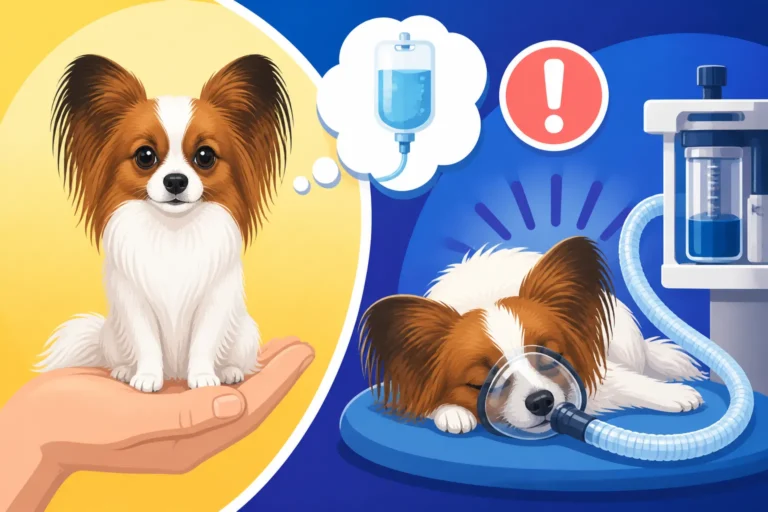
It's incredibly nerve-wracking to hear that your tiny Papillon, a cherished member of your family, needs to undergo anesthesia. The sheer thought of putting such a small, delicate creature under can fill any owner with dread and a million "what ifs." You're not alone in feeling this way; many Papillon parents express deep concern, especially when their beloved companion weighs in at a mere five pounds. This guide aims to demystify the process, explain the unique considerations for small breeds, and reassure you about the safety measures veterinary professionals take to ensure the best possible outcome for your precious Papillon.
The Unique Challenges of Anesthetizing a Tiny Papillon
When it comes to anesthesia, small dogs like Papillons aren't just scaled-down versions of larger breeds. Their tiny stature brings with it a specific set of physiological considerations that veterinarians must meticulously address. It's not about being more fragile, but about being different, and understanding these differences is key to a safe procedure.
Metabolism and Drug Dosage Differences
One of the biggest hurdles with a five-pound Papillon is accurately dosing anesthetic medications. These little guys have incredibly fast metabolisms compared to larger dogs, which can mean drugs are processed and eliminated more quickly. However, it also means that even slight overdoses can have profound effects, leading to longer recovery times or more serious complications. Veterinarians must be incredibly precise, often using specialized calculations and sometimes even diluting medications to administer exact micro-doses. It's a delicate balancing act to ensure enough sedation for the procedure without overwhelming their small system. This is a primary reason Why a Five Pound Papillon Is Harder to Anesthetize. Every milligram, every fraction of a milliliter, matters immensely, and experienced veterinary staff understand this nuance.
Thermoregulation Challenges
Think about how quickly a small child gets cold compared to an adult. It's a similar principle with Papillons. Their large surface area-to-volume ratio means they lose body heat incredibly fast, making them highly susceptible to hypothermia during anesthesia. The operating room, often kept cooler for surgical staff, combined with the depressant effect of anesthetics on the body's natural temperature regulation, creates a perfect storm for heat loss. Maintaining a normal body temperature, or normothermia, is paramount because hypothermia can slow down drug metabolism, prolong recovery, and even affect heart function. Veterinarians use a variety of tools like warming blankets, forced-air warming systems, and even heated IV fluids to keep your Papillon toasty warm throughout the procedure, effectively addressing Whether a Papillon Gets Cold Under Anesthesia.
Respiratory Sensitivity
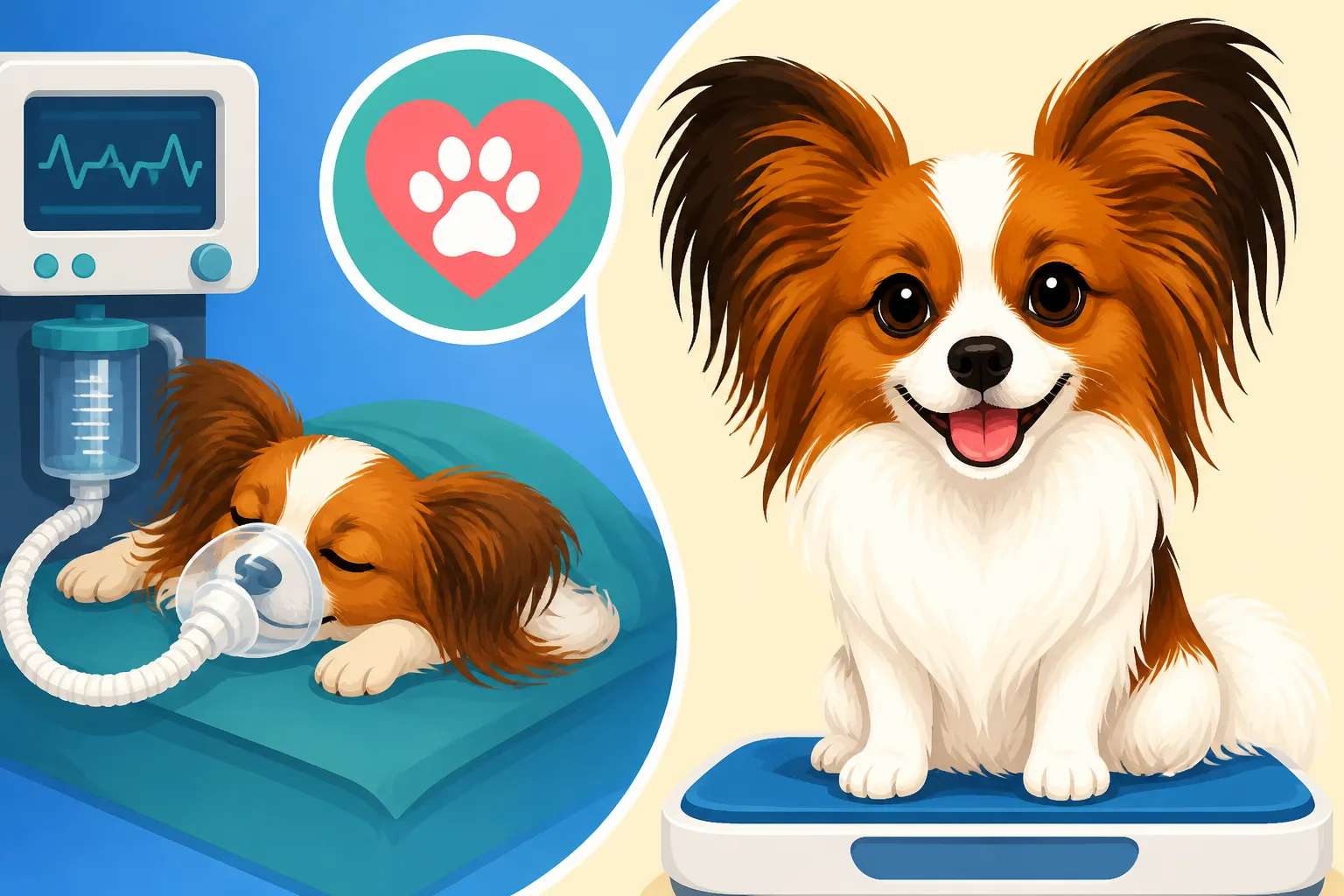
Papillons, like many small breeds, can have delicate respiratory systems. Their small tracheas and lungs mean that even minor swelling or secretions can significantly impede breathing. During anesthesia, the drugs can depress their respiratory drive, meaning they breathe less frequently or less deeply. This is why careful intubation (inserting a breathing tube) and often mechanical ventilation are critical. Monitoring their oxygen saturation and carbon dioxide levels is non-negotiable. The goal is to ensure they're always getting adequate oxygen and efficiently expelling carbon dioxide, which can be challenging in such a small patient with a proportionally smaller airway. Ensuring a clear, patent airway and stable breathing is a constant focus for the veterinary team.
Essential Pre-Anesthetic Screening and Preparation
Before your Papillon even gets a whiff of anesthetic, a thorough pre-anesthetic workup is crucial. This isn't just a formality; it’s a vital step to identify any underlying health issues that could complicate anesthesia and to tailor the anesthetic protocol specifically to your dog.
Comprehensive Physical Examination and Bloodwork
Every Papillon, regardless of age, should undergo a comprehensive physical exam by the veterinarian. This includes listening to the heart and lungs, checking gum color, assessing hydration status, and evaluating overall body condition. It's an opportunity for the vet to catch any subtle signs of illness that might not be obvious at home. Beyond the physical, bloodwork is non-negotiable, especially for tiny dogs. This typically includes a complete blood count (CBC) to check for anemia, infection, and platelet levels, as well as a biochemistry panel to evaluate organ function (kidneys, liver) and blood sugar levels. These tests provide a snapshot of your Papillon's internal health, allowing the vet to predict how well they might handle anesthesia and adjust medications accordingly. For example, if kidney values are off, specific drugs that are metabolized by the kidneys might be avoided or given at a reduced dose. This comprehensive approach is part of What a Papillon Breeder Should Have Tested in their breeding dogs and is equally important for individual pet care.
Cardiac Assessment
Given the potential for certain heart conditions in small breeds, a thorough cardiac assessment is a critical component of pre-anesthetic screening for Papillons. The vet will carefully listen for heart murmurs or abnormal rhythms. If a murmur is detected, or if your Papillon is a senior (perhaps a dog for whom you are Caring for a Papillon Past Eleven), further diagnostics like an echocardiogram (an ultrasound of the heart) or an ECG (electrocardiogram) might be recommended. These tests help determine the severity of any heart disease and inform the anesthetic protocol, ensuring drugs are chosen that are least likely to impact cardiac function. Knowing your Papillon's heart health beforehand drastically reduces risks during and after the procedure.
Fasting Guidelines and Hypoglycemia Risk
One of the most common instructions you'll receive is to fast your Papillon before anesthesia. This means no food for typically 8-12 hours, though water is usually allowed until a few hours before the procedure. The primary reason for fasting is to prevent regurgitation and aspiration (inhaling stomach contents into the lungs) during anesthesia. However, for a small Papillon, this fasting period needs careful consideration due to the risk of hypoglycemia (low blood sugar). Small breeds, especially puppies, can deplete their glucose reserves quickly. Whether a Papillon Puppy Has Low Blood Sugar is a very real concern, even in adult Papillons if they are particularly tiny or have a high metabolism. Your vet will provide specific fasting instructions tailored to your Papillon's age and size, sometimes recommending a very small, early morning meal, or providing IV fluids with dextrose during the procedure to stabilize blood sugar. Always follow these instructions precisely, and never hesitate to ask for clarification.
Anesthesia Protocols Tailored for Papillons
The choice of anesthetic drugs and how they are administered is a carefully orchestrated process, customized for each individual Papillon to minimize risks and maximize safety. It’s far from a one-size-fits-all approach.
Gas vs. Injectable Anesthetics
Generally, a combination of injectable medications to induce anesthesia, followed by maintenance with inhalant (gas) anesthetics, is preferred for Papillons. Injectable agents allow for a smoother induction, reducing anxiety. However, once intubated, gas anesthesia (like isoflurane or sevoflurane) is often favored because it allows for very precise control over the depth of anesthesia. The vet can adjust the concentration of the gas almost instantly, making it easier to lighten or deepen anesthesia as needed. This rapid adjustability is crucial for small breeds where physiological changes can happen quickly. Injectable anesthetics, while useful for induction, are metabolized by the body and can't be "turned off" as quickly, making precise control more challenging for extended procedures. A well-designed protocol uses the best of both worlds to keep your Papillon safe and stable.
Multi-Modal Pain Management Strategies
Pain management isn't just about comfort; it's a critical component of a safe anesthetic experience and recovery, especially for surgical procedures like Whether a Papillon Needs Knee Surgery. For Papillons, a multi-modal approach is typically employed. This means using several different types of pain medications that work on different pain pathways, often at lower doses, to achieve superior pain relief with fewer side effects. This might include pre-operative analgesics, local anesthetic blocks applied directly to the surgical site, and post-operative medications. For example, if your Papillon is undergoing patellar luxation surgery, the veterinary team might use a combination of opioids, NSAIDs (non-steroidal anti-inflammatory drugs), and nerve blocks. This approach significantly reduces the amount of general anesthetic needed, leading to a smoother, faster recovery and less stress on their small bodies.
IV Catheter and Fluid Therapy
For every Papillon undergoing anesthesia, an intravenous (IV) catheter is absolutely essential. This tiny little line into their vein is a lifeline. It allows immediate access for administering emergency drugs if needed, providing continuous fluid therapy to maintain hydration and blood pressure, and delivering medications quickly. During anesthesia, blood pressure can drop, and fluid therapy helps to counteract this, supporting organ perfusion. The fluids also help flush anesthetic drugs through their system during recovery. For a small Papillon, the type and rate of fluids are precisely calculated to prevent fluid overload, which can be just as dangerous as dehydration. This meticulous attention to fluid balance is a hallmark of safe anesthesia for tiny patients.
Meticulous Monitoring During the Procedure
This is where the rubber meets the road. Even the most carefully planned anesthetic protocol is only as good as the monitoring during the procedure itself. For a Papillon, constant vigilance is non-negotiable.
Essential Monitoring Equipment
Modern veterinary clinics utilize sophisticated monitoring equipment to keep a close eye on your Papillon's vital signs. This often includes:
- ECG (Electrocardiogram): Monitors heart rate and rhythm, detecting any arrhythmias.
- Pulse Oximeter: Measures oxygen saturation in the blood.
- Capnograph: Monitors carbon dioxide levels in exhaled breath, indicating ventilation efficiency.
- Blood Pressure Monitor: Provides continuous blood pressure readings, crucial for assessing organ perfusion.
- Temperature Monitor: Often a rectal probe, constantly tracking body temperature to prevent hypothermia.
- Fluid Pumps: Precisely control the rate of IV fluid administration.
This array of technology gives the veterinary team real-time data, allowing them to make immediate adjustments to ensure your Papillon's stability.
The Importance of a Dedicated Veterinary Technician
While fancy equipment is vital, it's the human element that truly makes the difference. A dedicated, experienced veterinary technician or assistant is typically assigned solely to monitor your Papillon throughout the entire anesthetic event – from induction to recovery. They are the eyes and ears, interpreting the data from the machines, physically checking gum color, capillary refill time, and paw pad temperature, and assessing anesthetic depth. They are trained to recognize subtle changes in a Papillon's demeanor or vital signs that could signal a problem, and they communicate constantly with the veterinarian. Their unwavering attention to detail is paramount, providing an extra layer of safety for your small dog.
Recognizing and Addressing Red Flags
A skilled veterinary team doesn't just monitor; they anticipate and react. They know what "normal" looks like for an anesthetized Papillon and can quickly spot deviations. For instance, a sudden drop in blood pressure, a slow heart rate (bradycardia), or a rise in CO2 levels are all red flags that require immediate intervention. This could mean adjusting the anesthetic gas, administering emergency drugs, increasing IV fluids, or adjusting warming measures. It's a proactive approach. The beauty of modern anesthesia in good clinics is that they often intervene before a problem becomes severe, ensuring that any issues are caught and managed swiftly. This expertise minimizes the overall risk, giving you peace of mind.
Recovery and Post-Anesthetic Care
The anesthetic journey doesn't end when the procedure is over; the recovery phase is just as critical, especially for a small Papillon. Proper care during this period can significantly influence how quickly and smoothly your dog bounces back.
Keeping Warm and Comfortable
As mentioned earlier, Papillons lose body heat easily, and they can continue to be susceptible to hypothermia during recovery. After anesthesia, your Papillon will be moved to a warm, quiet recovery area. The veterinary staff will continue to provide warmth using blankets, warming pads, or forced-air systems until their body temperature is stable and they are fully awake and alert. Ensuring comfort also means managing any post-operative pain effectively. They will closely monitor your Papillon for signs of discomfort and administer additional pain medication as needed, often sending home medications for you to continue for a few days. This thoughtful approach to warmth and pain relief speeds healing and reduces stress on their little bodies.
Managing Pain at Home
Once your Papillon is discharged, managing their pain at home is a crucial part of their recovery. Your veterinarian will likely send home oral pain medications, such as NSAIDs or mild opioids, with clear instructions on dosage and frequency. It's incredibly important to follow these instructions precisely. Never give human pain medications, as many are toxic to dogs, especially small ones. Keep your Papillon in a quiet, confined space where they can rest without interruption, away from rambunctious children or other pets. Provide comfortable bedding and ensure they can easily access food and water. If you notice signs of severe pain, such as excessive whining, panting, or reluctance to move, contact your vet immediately. A pet insurance provider like Healthy Paws can be a real lifeline if unexpected complications or extended pain management become necessary after a procedure.
Observing for Complications
Even with the best care, it's important for owners to be vigilant for potential complications at home. When you pick up your Papillon, the vet or technician will walk you through what to expect and what symptoms warrant a call. This might include persistent lethargy, vomiting, diarrhea, difficulty breathing, lack of appetite or thirst, or any signs of incision irritation (if surgery was performed). Papillons, being small, can sometimes hide their discomfort, so knowing what to look for is key. Keep an eye on their energy levels, their interest in food and water, and their overall demeanor. Don't hesitate to call your vet if something doesn't seem right; it’s always better to be overly cautious when it comes to your tiny companion.
Potential Risks and Mitigation Strategies
While anesthesia for Papillons is generally very safe in modern veterinary practice, it's important to be aware of the potential risks. Understanding these allows you to make informed decisions and appreciate the measures taken to prevent them.
Hypothermia
As we've discussed, hypothermia is a significant risk for small dogs. Beyond the discomfort, prolonged low body temperature can slow metabolism, impair blood clotting, increase the risk of infection, and prolong recovery.
Mitigation: The veterinary team uses a multi-pronged approach: pre-warming blankets, heated surgical tables, forced-air warming systems (like a Bair Hugger), heated IV fluids, and continuous temperature monitoring throughout the procedure and into recovery. They work tirelessly to prevent your Papillon from getting cold and to warm them gently if their temperature drops.
Bradycardia and Hypotension
Bradycardia (slow heart rate) and hypotension (low blood pressure) are common side effects of many anesthetic agents. In a tiny Papillon, these can quickly become problematic, reducing blood flow to vital organs like the brain and kidneys.
Mitigation: Continuous ECG and blood pressure monitoring allow the veterinary team to detect these changes immediately. If they occur, the vet might decrease the anesthetic gas, administer IV fluids to boost blood volume, or give medications (like atropine for bradycardia or vasopressors for hypotension) to support heart rate and blood pressure. A well-placed IV catheter, often covered by a good pet insurance plan like those from Healthy Paws, allows for rapid administration of these critical medications.
Hypoglycemia (Low Blood Sugar)
The risk of hypoglycemia in a small, fasting Papillon is a serious concern, as brain cells rely heavily on glucose.
Mitigation: Strict, tailored fasting protocols are crucial. For some Papillons, especially puppies, dextrose (a form of sugar) might be added to their IV fluids during anesthesia to maintain stable blood sugar levels. Regular blood glucose checks are often performed, particularly in longer procedures or in at-risk patients, to ensure levels remain within a healthy range.
Respiratory Depression
Anesthetic drugs depress the central nervous system, which includes the part of the brain that controls breathing. This can lead to shallow breathing or a decreased respiratory rate, resulting in insufficient oxygen intake and inefficient carbon dioxide expulsion.
Mitigation: Intubation with a breathing tube allows for direct delivery of oxygen and anesthetic gas, as well as assistance with breathing if needed. A capnograph continuously monitors carbon dioxide levels, indicating how well your Papillon is breathing. If breathing becomes inadequate, the technician can manually assist ventilation or even place your Papillon on a ventilator, ensuring proper oxygenation and CO2 removal.
Choosing the Right Veterinary Care for Your Papillon
The success and safety of your Papillon's anesthetic procedure heavily depend on the veterinary team and facility you choose. Don't be afraid to ask questions and advocate for your pet.
Experience with Small Breed Anesthesia
Not all veterinary practices are created equal, especially when it comes to the nuances of anesthetizing tiny dogs. When choosing a vet for a procedure requiring anesthesia for your Papillon, ask about their experience with small breeds. Do they routinely perform procedures on dogs under 10 pounds? Do they have specific protocols or equipment tailored for miniature patients? A clinic that regularly handles small breeds will be more attuned to the unique challenges and will have developed specialized expertise and techniques. This experience can make a significant difference in the outcome for your little one.
Facility and Equipment Standards
Take a critical look at the facility and the equipment they use. Does the clinic have dedicated surgical suites? Do they utilize modern anesthetic machines and comprehensive monitoring equipment? Ask to see their warming systems for small patients. Do they have a clear recovery area where your Papillon will be monitored closely as they wake up? A clinic with state-of-the-art equipment and a commitment to maintaining it demonstrates a dedication to patient safety. Furthermore, ensure the facility adheres to high standards of cleanliness and sterile practice, particularly important for any surgical intervention. Knowing Whether a Papillon Needs Bloodwork Before a Dental is a good question to ask, as the answer will often indicate their level of thoroughness.
Communication and Transparency
A good veterinary team will be transparent about their protocols, the risks involved, and the costs associated with anesthesia and the procedure. They should be willing to answer all your questions thoroughly, clearly explaining each step of the process. Before the day of the procedure, they should provide you with a detailed estimate, outlining everything from pre-anesthetic bloodwork to monitoring fees and post-operative medications. They should also communicate with you during the procedure, perhaps with a quick text update once your Papillon is safely under and again when they are waking up. This open communication builds trust and helps alleviate your natural anxiety as a pet owner. Don't forget to inquire about pet insurance options, as companies like Healthy Paws can help manage the financial aspect of unexpected treatments.
Common Procedures Requiring Anesthesia in Papillons
Papillons, despite their small size, are susceptible to many of the same conditions that affect larger dogs, often requiring medical intervention under anesthesia. Understanding these common procedures can help you prepare for the likelihood of your Papillon needing anesthesia at some point in their life.
Dental Cleanings and Extractions
Hands down, dental procedures are the most common reason a Papillon will need anesthesia. Their tiny mouths are prone to overcrowding, which leads to rapid plaque and tartar buildup. This can quickly progress to periodontal disease, a painful condition that affects their overall health. Regular professional dental cleanings under anesthesia are essential for maintaining good oral hygiene and preventing tooth loss. The Teeth in a Papillon's Small Jaw are often packed tightly, making them a breeding ground for bacteria. During a dental cleaning, the vet will scale and polish the teeth, often performing full-mouth X-rays to assess the health of the roots and jawbone. If severe disease is present, extractions might be necessary. It's a vital procedure, and understanding How Often a Papillon Needs a Dental Cleaning is key to proactive care.
Spaying and Neutering
Routine spaying (for females) or neutering (for males) is another common procedure performed under anesthesia, usually when your Papillon is around 6 months to a year old. These procedures are important for population control and can offer significant health benefits, such as reducing the risk of certain cancers and uterine infections. Even though these are routine, they still require the same meticulous anesthetic protocols as any other surgical procedure, especially for a small breed. The veterinary team will ensure your Papillon is stable and comfortable throughout the surgery and recovery.
Patellar Luxation Surgery
Papillons are genetically predisposed to patellar luxation, a condition where the kneecap slips out of place. While mild cases might be managed conservatively, more severe grades often require corrective surgery to prevent pain, lameness, and the development of arthritis. Patellar Luxation Is the Papillon Problem You Will Actually Meet is a sad but common reality for many owners. If your Papillon needs surgery to correct a luxating patella, they will undergo general anesthesia. This type of orthopedic surgery can be quite intricate, requiring precise positioning and careful pain management during and after the procedure. The anesthetic protocol will be carefully tailored to support muscle relaxation and minimize discomfort during this significant surgical event.
| Pre-Anesthetic Checklist for Papillon Owners | Action |
|---|---|
| Consultation with Vet | Discuss any concerns, your Papillon's medical history, and previous anesthetic experiences. |
| Fasting Instructions | Understand and strictly follow food and water fasting guidelines provided by your vet to prevent complications like aspiration. |
| Pre-Anesthetic Testing | Confirm bloodwork (CBC, chemistry panel), and any recommended cardiac assessments (ECG, echo) are scheduled and completed. |
| Medication Review | Inform your vet about all medications, supplements, or flea/tick preventatives your Papillon is currently receiving. |
| Transport & Drop-off | Plan for safe, warm transport to the clinic. Arrive on time to allow for thorough check-in. |
| Post-Procedure Pick-up | Ensure you understand all post-operative care instructions, including medication schedules, wound care (if applicable), and signs of complications. |
| Comfort at Home | Prepare a quiet, warm, and comfortable recovery area at home, with easy access to water and food for when your vet says it's safe to offer. |
| Emergency Contact | Have your vet's emergency contact information readily available for any concerns outside of regular hours. |
| Pet Insurance Review | Understand your pet insurance coverage (e.g., with Healthy Paws) for the procedure and any potential follow-up care. |
Disclaimer
The information provided in this article is for general informational purposes only and is not a substitute for professional veterinary advice. Always consult with a qualified veterinarian regarding any medical condition or treatment for your Papillon. Anesthesia carries inherent risks, and individual outcomes can vary.