Whether a Papillon Retains Its Baby Teeth
Oh, the joy of a new Papillon puppy! Those tiny needle-sharp teeth are cute for about five minutes until they clamp down on your fingers or furniture. But amidst the teething chaos, a common concern often creeps in for Papillon parents: what happens when those baby teeth just don't want to leave? It's a frustrating situation, feeling like your pup's mouth is a dental construction zone that never quite finishes. This guide is going to walk you through everything you need to know about retained baby teeth in Papillons, why it happens, what to look for, and how to tackle it, ensuring your little butterfly dog has a healthy, happy smile for years to come.
Understanding Papillon Puppy Teeth
Bringing home a Papillon puppy means entering a whirlwind of adorable antics, boundless energy, and, inevitably, teething. Just like human babies, puppies are born without teeth, and their first set, known as deciduous teeth or "milk teeth," emerges fairly quickly. For such a small dog, their dental development is a crucial stage that sets the foundation for their lifelong oral health.
The Normal Teething Process
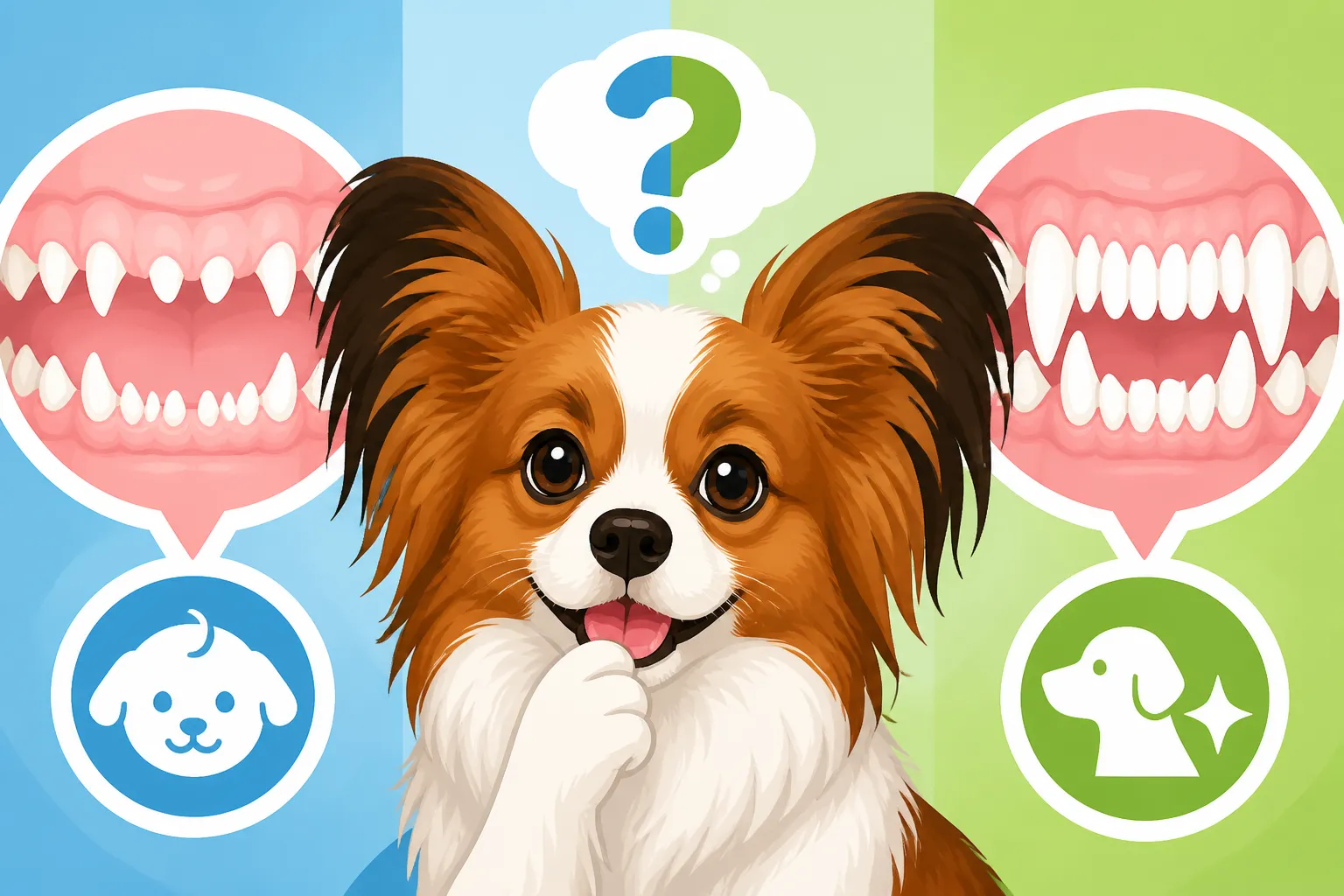
A Papillon puppy’s deciduous teeth typically begin to erupt around three to four weeks of age. By about eight weeks, they usually have a full set of 28 puppy teeth – sharp little daggers that are perfect for experimenting with the world around them. This initial set isn't meant to last forever. Much like children, Papillon puppies undergo a natural process where these baby teeth are shed to make way for their larger, stronger permanent adult teeth.
This transition usually starts around three to four months of age and continues until about six to seven months. The roots of the baby teeth are absorbed by the body, causing the teeth to loosen and fall out as the adult teeth push through the gums. You might find tiny teeth around the house, or your pup might simply swallow them without you ever noticing. During this time, it's completely normal for your puppy to experience some discomfort, increased chewing, and sometimes a bit of drooling. Providing appropriate chew toys can be a godsend during this phase, helping to alleviate gum soreness and encourage the loosening of those stubborn baby teeth.
Why Papillons Are Prone to Dental Issues
While all dog breeds go through teething, small breeds like Papillons face unique challenges that make them particularly susceptible to dental problems, including retained baby teeth. Their delicate, aristocratic appearance belies a specific anatomical feature that often predisposes them to these issues: a very small jaw.
Papillons have evolved to have compact heads, which means there's less space in their mouths for teeth to grow in properly. When adult teeth start pushing through, they're often trying to emerge into an already crowded space. This genetic predisposition means that even a perfectly aligned jaw can become a battlefield for emerging teeth. You might notice that a Papillon's Jaw Crowds Its Teeth, leading to overlapping or crooked permanent teeth. This crowding alone can trap food particles and lead to faster plaque and tartar buildup, making them prone to periodontal disease even without retained baby teeth. Their small mouths also mean their teeth are proportionally larger for the space available compared to bigger dogs, exacerbating the crowding issue. This inherent structural characteristic is the primary reason why Papillon owners need to be extra vigilant about their dog's oral health from puppyhood onward.
The Problem of Retained Baby Teeth in Papillons
When those adult teeth start making their grand entrance, the baby teeth are supposed to politely vacate the premises. But sometimes, they get a little too comfortable and just refuse to leave. This isn't just an aesthetic concern; it’s a significant health issue for your Papillon.
What Exactly is a Retained Deciduous Tooth?
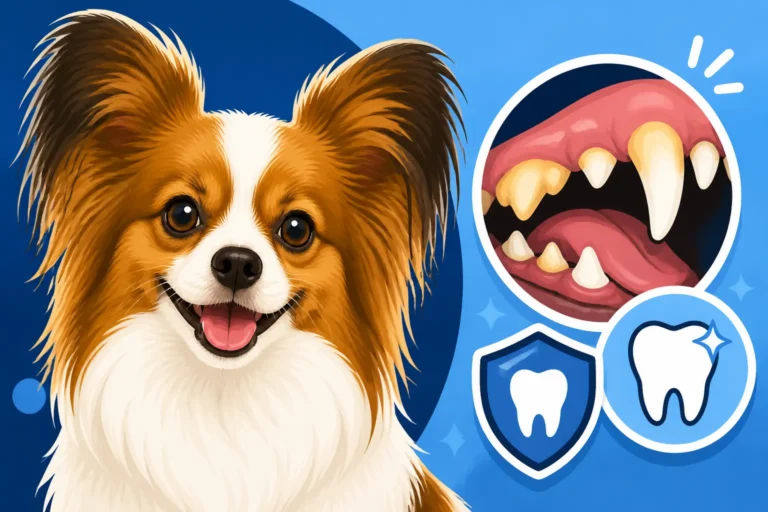
A retained deciduous tooth, often simply called a retained baby tooth, occurs when a puppy tooth fails to fall out even after the permanent adult tooth has started to emerge. This is most commonly seen with the canine teeth, which are those long, pointed "fangs" on the sides of the mouth, but it can affect incisors and premolars too. Instead of the baby tooth root being absorbed as it should, it remains anchored in the jaw, and the adult tooth erupts either right next to it, or in an abnormal position because it’s trying to find an empty spot.
Imagine two trees trying to grow in the same hole. Neither can develop properly, and both will likely be stunted or grow crooked. The same principle applies here. The adult tooth is forced to erupt at an odd angle, too far inward (lingually), or too far outward (buccally), creating an undesirable "double row" of teeth. This isn't just a quirky smile; it’s a setup for chronic dental issues. This phenomenon is particularly common in toy breeds like the Papillon due to their aforementioned compact jaw structure, which simply doesn't have the real estate to accommodate both sets of teeth simultaneously.
The Risks and Complications of Retained Teeth
Leaving retained baby teeth unchecked can lead to a cascade of problems that significantly impact your Papillon's oral health and overall well-being. The consequences go far beyond just a crowded mouth.
Firstly, the most immediate risk is malocclusion, or an improper bite. When adult teeth are forced into incorrect positions, they can interfere with the opposing jaw, leading to painful contact between teeth or even piercing the gums or palate. This constant irritation can be extremely uncomfortable for your dog, making eating difficult and even affecting their playful chewing habits.
Secondly, and perhaps most critically for a Papillon, retained baby teeth create perfect little pockets for food, hair, and bacteria to accumulate. These tight spaces are impossible to clean, even with diligent brushing. This trapped debris quickly turns into plaque, which then hardens into tartar. And believe me, How Early Tartar Appears on a Papillon will shock you if you're not diligent. This rapid buildup of tartar is a direct precursor to periodontal disease, a painful infection of the gums and supporting structures of the teeth. Periodontal disease, if left untreated, can lead to gum recession, bone loss, and eventually, premature tooth loss for your Papillon.
Think about it: two teeth occupying the space meant for one. This overcrowding makes it a breeding ground for bacteria, leading to gingivitis and eventually full-blown periodontitis. This inflammation and infection can not only be excruciating for your little companion, but also affect their appetite and lead to systemic health issues if bacteria enter the bloodstream. It's a preventable problem with serious long-term consequences, underscoring why addressing retained baby teeth promptly is so critical for these tiny dogs.
Signs and Symptoms to Watch For
As a devoted Papillon owner, becoming a keen observer of your puppy's mouth is one of the best things you can do to prevent serious dental problems. Knowing what to look for and when to act can save your Papillon from a lot of pain and future veterinary bills.
Visual Cues and What to Look For
The most obvious sign of retained baby teeth is seeing two teeth occupying the space where only one should be. This "double row" is particularly noticeable with the canine teeth. Around 4-6 months of age, start gently lifting your Papillon’s lips regularly and taking a peek inside. You should see the adult teeth coming in, and the corresponding baby teeth should either be gone or visibly very loose. If you see an adult tooth erupting right next to a baby tooth that shows no signs of budging, that's a red flag.
Pay close attention to the positioning of the adult teeth. Are they coming in straight and properly aligned, or are they appearing crooked, rotated, or significantly displaced towards the tongue or cheek? Any abnormal spacing, overlapping, or teeth that appear to be pushing into the gums or palate of the opposite jaw are visual cues that something isn't right. Check all areas of the mouth – the front incisors, the canines, and the premolars further back. Sometimes a retained root fragment might not be visible but can cause issues, though a full retained tooth is much easier to spot. Early detection through regular visual checks at home is key to ensuring timely intervention.
Behavioral Indicators of Discomfort
While visual inspection is crucial, your Papillon might also give you subtle hints through their behavior that something is amiss in their mouth. Since dogs are masters at hiding pain, you'll need to be observant.
One common behavioral sign is a sudden reluctance to chew on their favorite toys or difficulty eating kibble. If your usually enthusiastic eater starts to approach their food bowl with hesitation, or drops kibble frequently, it could indicate oral discomfort. They might favor one side of their mouth when chewing, or simply stop eating harder foods altogether.
You might also notice your Papillon pawing at their mouth more frequently, rubbing their face against furniture or the carpet, or even exhibiting increased drooling beyond what's normal for a teething puppy. Bad breath, even in a young puppy, is another significant indicator. While puppy breath isn't always the freshest, a truly foul odor can signal food impaction or the beginnings of infection around retained teeth. Changes in temperament, such as becoming more withdrawn, irritable, or less playful, can also be indirect signs of chronic pain or discomfort. Any of these changes in conjunction with visual cues warrant an immediate trip to the veterinarian to have their mouth thoroughly checked.
When to Intervene: The Vet's Role
Spotting a retained baby tooth can feel alarming, but the good news is that it’s a very treatable condition. The key is knowing when to seek professional help and understanding the intervention process. Delaying treatment can lead to more severe problems down the line, so prompt veterinary attention is paramount.
The Critical Timeline for Examination
For Papillon puppies, the general rule of thumb is that all deciduous teeth should be shed by six months of age. If you’re seeing adult teeth erupting and the corresponding baby teeth are still firmly in place by this point, it’s definitely time to schedule a veterinary visit. Don’t wait it out, hoping they’ll eventually fall out. They likely won’t, and the longer they remain, the more damage they can cause to the developing adult dentition and overall oral health.
Your veterinarian will conduct a thorough oral examination, sometimes requiring mild sedation if your puppy is particularly wiggly or uncomfortable. They’ll assess not only the retained teeth but also the positioning of the permanent teeth, checking for any signs of malocclusion or emerging periodontal issues. They'll also check the overall health of your Papillon. It’s a vital check-up that helps prevent future complications, as the small size of your Papillon's mouth makes proper tooth alignment crucial. Many breeders recommend an early dental check-up around 5-6 months specifically for this reason, to catch any issues before they become entrenched problems.
The Procedure for Extraction
If retained baby teeth are identified and deemed problematic – which they almost always are in Papillons – the recommendation will be surgical extraction. This isn't a simple tug, as those roots can be surprisingly strong. The procedure is performed under general anesthesia to ensure your Papillon is comfortable, pain-free, and still during the delicate work.
Before anesthesia, your vet will likely recommend pre-anesthetic bloodwork to ensure your puppy is healthy enough for the procedure. For a small dog like a Papillon, Anesthesia and a Five Pound Papillon can be a more involved process due to their size, so your vet will take extra precautions. Once safely anesthetized, the veterinarian will carefully extract the retained tooth, ensuring that the entire root is removed to prevent future complications. Sometimes, X-rays are taken to confirm no root fragments are left behind. The site will be carefully cleaned, and stitches (often dissolvable) may be placed if needed. Your vet will focus on extracting the tooth without damaging the developing adult tooth right next to it.
This procedure, while routine, does come with costs. What a Papillon's Dental Costs can vary depending on the number of extractions and the complexity. This is where proactive financial planning comes in. Pet insurance, such as Healthy Paws, can be an invaluable asset for Papillon owners, often covering unexpected surgical procedures like dental extractions for retained teeth, provided it's not a pre-existing condition. It's definitely something to consider for comprehensive coverage throughout your Papillon's life, especially given their predisposition to dental issues.
Post-Extraction Care and Monitoring
After the extraction procedure, your Papillon will need a bit of tender loving care during recovery. Your vet will provide specific instructions, which typically include pain medication to keep your pup comfortable for a few days, and possibly antibiotics to prevent infection. You'll likely need to feed soft food for a week or so to avoid irritating the extraction sites and allow for proper healing.
It's important to monitor your Papillon's mouth carefully during this period. Watch for any signs of swelling, excessive bleeding, discharge, or reluctance to eat. While some mild swelling and discomfort are normal, anything that seems unusual should prompt a call to your veterinarian. You’ll also want to keep an eye on the now uncrowded adult teeth. Sometimes, once the obstructing baby tooth is gone, the adult tooth will naturally drift into a more appropriate position. However, severe malocclusions might require further orthodontic intervention later on, though this is less common and usually only considered for very specific, impactful cases. The goal of early extraction is to avoid these further complications entirely, allowing the adult teeth the best possible chance to settle into their correct places and ensure your Papillon maintains a comfortable bite and healthier mouth.
| Symptom/Risk | Normal Teething (Puppy) | Retained Baby Teeth (Puppy/Young Adult) |
|---|---|---|
| Visual Cues | Baby teeth fall out; adult teeth emerge in empty space. | Double rows of teeth (baby & adult together); crooked/misaligned adult teeth. |
| Timeline | Baby teeth shed by 6 months of age. | Baby teeth present beyond 6 months of age. |
| Comfort Level | Mild discomfort, increased chewing, sometimes drooling. | Persistent discomfort, pawing at mouth, reluctance to chew. |
| Oral Hygiene | Relatively easy to clean, minimal tartar buildup. | Impossible to clean between crowded teeth; rapid plaque/tartar buildup. |
| Long-Term Impact | Healthy adult dentition, good bite. | Malocclusion (bad bite), periodontal disease, early tooth loss. |
| Intervention Needed | None, natural process. | Surgical extraction under anesthesia. |
Preventative Care and Long-Term Dental Health
Addressing retained baby teeth is often just the beginning of a lifelong commitment to your Papillon's dental health. Because of their small mouths and genetic predisposition, these little dogs require proactive and consistent care to prevent recurring issues and ensure they live out their long, happy lives comfortably.
Home Care Practices to Support Oral Health
The cornerstone of long-term dental health for your Papillon truly lies in consistent home care. The single most effective thing you can do is daily tooth brushing. Yes, daily! It might sound daunting, but it makes a monumental difference. Start early, when your Papillon is a puppy, to get them accustomed to having their mouth handled. Use a dog-specific toothbrush or a finger brush and enzymatic toothpaste – never human toothpaste, as it contains ingredients toxic to dogs. Focus on the outside surfaces of the teeth, especially the molars and canines, gently brushing to remove plaque before it hardens. You can find more detailed guidance in our article on Brushing a Papillon's Teeth in a Very Small Mouth.
Beyond brushing, dental chews specifically formulated to reduce plaque and tartar can be beneficial, but choose wisely. Look for products vetted by the Veterinary Oral Health Council (VOHC) and ensure they are appropriately sized for your Papillon's tiny mouth to prevent choking hazards. Some toys designed for dental health can also help mechanically remove plaque. However, never rely solely on chews or toys; they are supplementary to brushing, not a replacement. Regular inspection of your Papillon’s mouth for any new signs of tartar, redness, or swelling should also be part of your routine.
The Importance of Regular Veterinary Check-ups
Even with the most diligent home care, professional veterinary dental check-ups and cleanings are indispensable for Papillons. Think of it like your own yearly dental visits. Your vet can spot issues you might miss and address them before they escalate into painful problems.
During annual wellness exams, your veterinarian will perform an oral check, looking for signs of tartar, gingivitis, and any other anomalies. However, for a truly thorough assessment, especially as your Papillon ages, a professional dental cleaning under anesthesia is often recommended. This allows the vet to scale off tartar above and below the gumline, polish the teeth, and conduct a full oral exam, including dental X-rays, which reveal issues hidden beneath the gumline, like retained root fragments or bone loss. These professional cleanings can prevent significant pain and tooth loss down the road.
Considering that Papillons can live a remarkably long time, often well into their teens, their Dental Work Over a Papillon's Long Life can add up. Planning for this is part of responsible ownership. Regular veterinary care, coupled with pet insurance like Healthy Paws, can help manage the financial aspect of these necessary procedures. Proactive dental care isn't just about preventing bad breath; it's about safeguarding your Papillon's comfort, ability to eat, and overall quality of life for all their years with you.
Disclaimer
This article is for general informational purposes only and does not constitute professional advice. Laws, prices and regulations vary by location and change over time. Consult a qualified professional for guidance on your specific situation.