How Common Dental Disease Is in Papillons
One of the most disheartening realities of living with a tiny breed like a Papillon is the almost inevitable battle against dental disease. You bring home this adorable, intelligent little fluffball, ready for years of joy, only to discover that their perfectly proportioned little jaw is a ticking time bomb for oral health issues. It's not just a minor inconvenience; it can lead to pain, infection, and even impact their overall health, leaving you feeling helpless and worried. This guide is here to shed light on just how common dental disease is in Papillons, why it's such a pervasive problem, and what you can realistically expect and do about it.
The Unavoidable Truth: Dental Disease is Rampant in Papillons
If you've ever owned a small dog, you've probably heard the warnings about dental health. But with Papillons, it's not just a risk; it's practically a certainty. Statistics from veterinary associations consistently show that a staggering percentage of dogs, particularly those under 25 pounds, will develop some form of dental disease by the age of three. For Papillons, with their delicate, small mouths, this figure feels even higher. It's a frustrating reality for many owners who feel like they're fighting an uphill battle from day one.
Why Small Mouths are a Big Problem
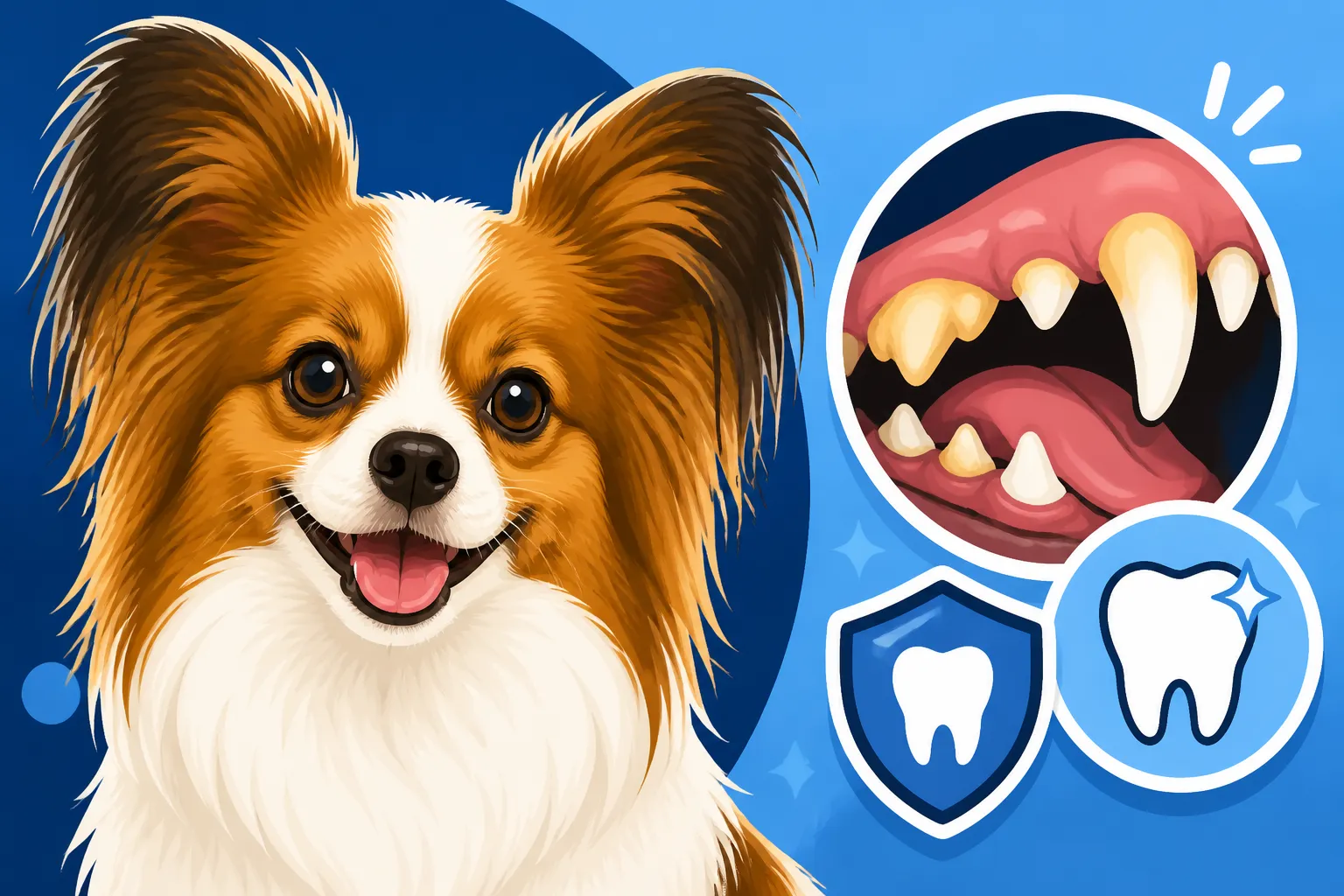
The anatomical structure of a Papillon's mouth is a primary culprit. Think about it: they have the same number of teeth as a much larger dog, packed into a significantly smaller jaw. This often leads to severe overcrowding. When teeth are crammed together, they don't have enough space, leading to rotation, misalignment, and overlapping. This creates perfect little nooks and crannies where food particles, bacteria, and debris can hide and accumulate, forming plaque and tartar at an accelerated rate. It's like trying to fit too many books on a small shelf; things get messy fast, and it's hard to clean effectively. This crowding makes it incredibly difficult for owners to properly clean their Papillon's teeth, even with diligent brushing.
The Silent Progression: How It Starts and Worsens
What makes dental disease particularly insidious in Papillons, and indeed many small breeds, is its silent nature. Dogs are masters at hiding pain and discomfort, a survival instinct that means by the time you notice something is wrong, the problem is often quite advanced. It typically begins with plaque forming on the tooth surface, a sticky film of bacteria. If not removed, this plaque hardens into tartar, a calcified deposit that can’t be brushed away. This tartar then irritates the gums, leading to gingivitis – inflammation and redness, which is the first stage of periodontal disease. From there, it progresses below the gumline, destroying the supporting structures of the tooth. Many owners only become aware when their beloved Papillon has painfully bad breath, difficulty eating, or visible signs of decay or loose teeth. By then, the damage is already significant, and interventions become more complex and costly.
Understanding the Canine Dental Landscape
To truly grasp the severity of dental disease in your Papillon, it helps to understand the stages and what each one means for their comfort and health. It's more than just a bit of yellow on their teeth; it's a spectrum of issues that can lead to serious complications.
Plaque, Tartar, and Gingivitis: The Unwelcome Chain Reaction
It all starts innocently enough with plaque. Every time your Papillon eats, microscopic food particles and bacteria mix with saliva to form a clear, sticky film on their teeth. This is plaque. If you could brush your dog's teeth after every meal, like we do, plaque wouldn't be such an issue. But let's be realistic; that's not happening. Within days, this plaque begins to harden and mineralize, turning into tartar. Tartar, also known as calculus, is that hard, yellowish-brown substance you often see building up, especially on the outer surfaces of the canine and premolar teeth, and along the gumline.
Once tartar forms, it provides a rough surface for even more plaque to accumulate, creating a vicious cycle. This buildup irritates the gums, leading to inflammation called gingivitis. Gingivitis is reversible with professional cleaning, but if left unchecked, it's the gateway to much more serious problems. The gums become red, swollen, and can bleed easily, often becoming quite painful for your little dog.
Periodontal Disease: The Serious Stuff That Causes Pain and Tooth Loss
Gingivitis is just the beginning. The real villain is periodontal disease. This is where the infection and inflammation extend beyond the gums to affect the deeper supporting structures of the teeth – the periodontal ligament and the bone that holds the teeth in place. As periodontal disease progresses, it creates pockets between the teeth and gums where bacteria thrive, leading to further destruction. This process is categorized into stages, typically from Grade 1 (gingivitis only) to Grade 4 (severe periodontal disease with significant bone loss, deep pockets, and often pus formation).
In advanced stages, Papillons experience severe pain. The infection can eat away at the jawbone, leading to tooth loosening, abscesses, and even fractured jaws, particularly in tiny breeds where the jawbone is already delicate. Imagine the discomfort of a loose tooth or a constant ache; our little companions endure this in silence. This serious condition often necessitates extractions, which, while beneficial for relieving pain and infection, mean losing precious teeth from their already small mouths. For more details on the structures in their tiny mouths, you might find The Teeth in a Papillon's Small Jaw helpful.
Recognizing the Subtle Signs of Trouble
It’s easy to miss the early warning signs of dental disease in Papillons because they are so adept at masking discomfort. But with a keen eye and ear, you can often pick up on subtle clues long before the problem becomes critical. Don't wait for visible decay; by then, it's often an emergency.
More Than Just Bad Breath: Other Indicators Beyond the Obvious
Everyone knows that really stinky dog breath is a sign of dental trouble. It's often the first thing owners notice, and it's a huge indicator that bacteria are having a party in your Papillon's mouth. But there are other signs too. Pay attention if your Papillon starts to paw at their mouth or rub their face more frequently. You might notice them drooling excessively, or perhaps their drool has a reddish tint, indicating bleeding gums. When you manage to peek inside their mouth, look for red, swollen, or bleeding gums, especially along the gumline. Brown or yellow crusty buildup on the teeth is a dead giveaway for tartar. Sometimes, you might even see a change in their preference for certain toys or food; they might avoid hard chews or dry kibble, favoring softer options because chewing has become painful. It's a subtle way they try to tell you something is wrong.
Behavioral Clues: How Pain Affects a Papillon's Daily Life
Beyond the oral signs, dental pain can manifest in your Papillon's overall behavior. A dog in chronic pain might become more withdrawn or irritable. They might be less enthusiastic about playing, or their usual spunky attitude might diminish. You might notice them chewing on one side of their mouth, or dropping food from their mouth while eating. Some Papillons, when experiencing significant dental pain, might even show reluctance to allow you to touch their face or head, recoiling from your loving pats. In severe cases, they might exhibit lethargy or a reduced appetite, not because they aren't hungry, but because eating causes too much agony. Recognizing these changes is crucial because it indicates a level of discomfort that needs immediate veterinary attention. You would be surprised how much pain a small dog can endure without making a fuss.
Factors Exacerbating Dental Disease in Papillons
While small mouth anatomy is a huge factor, several other elements contribute to the high prevalence and rapid progression of dental disease in Papillons. Understanding these can help you be more proactive in their care.
Dietary Habits and Their Impact: Soft Foods vs. Kibble, Treats
What your Papillon eats plays a significant role in their oral health. Many small dog owners, out of kindness or due to picky eaters, tend to feed softer, wet foods. While palatable, these foods are less abrasive and don't provide the mechanical scrubbing action that dry kibble can offer. Kibble, particularly larger, textured pieces, can help to remove some plaque from the tooth surface as the dog chews. Furthermore, sugary or starchy treats can contribute to plaque formation.
It's a delicate balance because some Papillons might have issues that necessitate softer foods, but for many, a high-quality dry kibble can be a beneficial part of their dental hygiene strategy. However, relying solely on kibble is not enough. Imagine if you only ate crunchy foods and never brushed your teeth; you'd still get cavities! Special dental diets designed with unique kibble shapes or coatings that help reduce plaque and tartar are also available and can be a good option for some dogs. You might wonder How Much an Adult Papillon Eats and how that impacts their dental health.
Genetics and Breed Predisposition: Why Papillons Are Particularly Susceptible
Beyond the physical structure of their tiny jaws, genetics also plays a role in how susceptible a Papillon is to dental disease. Some lines simply seem to have worse teeth or are more prone to tartar buildup than others. This isn't unique to Papillons; many toy breeds are predisposed to these issues. This genetic predisposition can affect the quality of their enamel, the composition of their saliva, or how quickly plaque hardens into tartar.
It's one of those silent genetic gifts that no one asks for. For example, some Papillons may be more prone to retaining their deciduous (baby) teeth, which creates further crowding and traps more food debris. Addressing issues like Whether a Papillon Retains Its Baby Teeth early can make a big difference in preventing long-term problems. This inherited tendency means that even with excellent home care, some Papillons will still require more frequent professional dental interventions than larger breeds.
Lack of Proactive Care: The Role of Prevention
Perhaps the biggest factor exacerbating dental disease is the common lack of consistent, proactive home dental care. We all lead busy lives, and brushing a tiny, sometimes squirmy dog's teeth daily can feel like a monumental task. Many owners simply aren't aware of how critical this is, or they believe that kibble or dental chews are sufficient.
However, just like in humans, daily brushing is the gold standard for preventing plaque buildup. Without it, the progression from plaque to tartar and then to gingivitis is almost inevitable in a small mouth like a Papillon's. Regular professional dental cleanings under anesthesia are also crucial, often needed every 1-2 years for Papillons, sometimes even more frequently. Neglecting these preventive measures means allowing the disease to take hold and advance, leading to more painful, invasive, and expensive treatments down the line. How Often a Papillon Needs a Dental Cleaning is a question many owners grapple with, and the answer is often "more often than you think."
The Ripple Effect: Systemic Health Risks
Dental disease in Papillons isn't just a matter of bad breath or sore gums. The mouth is a gateway to the rest of the body, and unchecked oral infections can have far-reaching, serious consequences for their overall health and lifespan.
Connecting Oral Health to Overall Well-being: Heart, Kidney, Liver Implications
The bacteria thriving in your Papillon's diseased mouth don't just stay there. They can enter the bloodstream through inflamed or bleeding gums and travel to vital organs. This constant influx of bacteria can put a significant strain on the heart, kidneys, and liver. For instance, dental bacteria are implicated in contributing to heart conditions like endocarditis (inflammation of the heart's inner lining). They can also cause or worsen kidney and liver disease, as these organs work overtime to filter toxins from the blood.
It’s a truly frightening thought that a seemingly localized problem in their mouth can quietly undermine their entire system. This systemic impact underscores why proactive dental care isn't just about preserving teeth; it's about protecting your Papillon's life and ensuring they can live out their full How Long a Papillon Lives potential in comfort. Reputable pet insurance providers like Healthy Paws often highlight the importance of preventive care in managing these long-term health risks, though specific coverage for dental issues can vary.
The Cost of Neglect: Financial and Emotional Toll
Neglecting your Papillon's dental health can lead to a significant financial burden, not to mention the emotional toll of seeing your beloved pet in pain. A routine professional dental cleaning might cost several hundred dollars, but this price can skyrocket quickly if extractions, root canals, or other advanced procedures are needed. For example, What a Papillon's Dental Costs can easily climb into the thousands for extensive work, especially if multiple teeth need to be removed or if there are complications.
Beyond the immediate costs, there's the long-term impact on your dog's quality of life. Imagine living with constant toothaches. It affects everything. The guilt and worry that come with knowing your Papillon is suffering, and that you might have been able to prevent some of it, is a heavy burden. This is why having pet insurance, perhaps from a provider like Healthy Paws, is often recommended by breeders. While some plans might consider pre-existing conditions, a good policy put in place early can help offset the costs of unexpected, yet common, issues like extensive dental work.
Proactive Strategies to Combat Papillon Dental Disease
Given how prevalent and serious dental disease is in Papillons, a multi-pronged, consistent approach to oral hygiene is not just recommended, it's essential. You can make a real difference in their comfort and longevity.
Daily Home Care: Brushing, Dental Chews, and Water Additives
The single most effective thing you can do for your Papillon's teeth is daily brushing. Yes, daily! It sounds daunting, but even a few minutes each day with a soft brush and enzymatic dog toothpaste (never human toothpaste!) can remove plaque before it hardens into tartar. Start slowly, make it a positive experience with treats, and focus on the outer surfaces of their teeth. It won't be perfect at first, but consistency is key. For many, the question of Why a Papillon's Teeth Need Brushing Daily becomes very clear when they see the rapid tartar buildup.
Beyond brushing, dental chews specifically designed to reduce plaque and tartar can be helpful. Look for products approved by the Veterinary Oral Health Council (VOHC) for proven efficacy. These aren't a substitute for brushing, but they can supplement it. Water additives can also offer a small benefit by reducing bacteria in the mouth, though their impact is generally considered minimal compared to brushing. Remember, no single method is a magic bullet; a combination is best.
Here's a quick comparison of home dental care options:
| Method | Efficacy for Plaque Removal | Efficacy for Tartar Reduction | Effort Required (Owner) | Cost | Notes |
|---|---|---|---|---|---|
| Daily Brushing | High | Moderate-High | High | Low | Gold standard, but requires consistency. |
| VOHC Dental Chews | Moderate-High | Moderate-High | Low | Moderate | Good supplement, choose appropriate size. |
| Dental Diets | Moderate | Moderate | Low | Moderate-High | Specially formulated kibble, consult your vet. |
| Water Additives | Low | Low | Very Low | Low | Minor benefit, best used as an adjunct. |
| Wipes/Gauze | Low-Moderate | Low | Moderate | Low | Better than nothing, but less effective than brush. |
Professional Vet Care: Regular Check-ups and Cleanings
No matter how diligent you are with home care, professional veterinary dental cleanings are almost always necessary for Papillons. These procedures involve a thorough examination of the entire oral cavity, X-rays to assess the health of the tooth roots and jawbone (which is crucial, as much of the disease happens below the gumline), and scaling to remove tartar both above and below the gumline. This is all performed under general anesthesia, ensuring your Papillon is comfortable and still, allowing for a comprehensive and safe cleaning.
Your vet will advise on the frequency, but many Papillons benefit from annual or biennial cleanings. During these visits, your vet can also address issues like retained baby teeth, which contribute significantly to overcrowding and plaque buildup. If you're concerned about the cost, many pet insurance plans, like those from Healthy Paws, offer coverage for these crucial dental procedures, especially if they are preventative or for treating non-pre-existing conditions. Always discuss any concerns about Anesthesia and a Five Pound Papillon with your vet beforehand; they take every precaution. Regular wellness exams, which include a basic oral check, are also vital to catch problems early. For a deeper dive into vet visits, consider reading How Often a Papillon Needs a Wellness Exam.
Disclaimer
This article is for general informational purposes only and does not constitute professional advice. Laws, prices and regulations vary by location and change over time. Consult a qualified professional for guidance on your specific situation.