Whether Two Carrier Papillons Can Produce an Affected Puppy
It’s a truly heartbreaking scenario: you fall in love with a charming Papillon puppy, bring them home, and then, months or even years later, start noticing troubling health issues. For many Papillon lovers, the fear of unknowingly purchasing a puppy destined for a genetic condition is very real, especially when breeders aren't transparent about the parents' health status. This guide is here to shed light on a crucial aspect of responsible Papillon breeding: whether two carrier Papillons can produce a puppy affected by a genetic disease, and what that means for both breeders and prospective owners.
Understanding Recessive Genetic Traits in Papillons
When we talk about genetic diseases in dogs, especially in purebreds like our beloved Papillons, it's often a complex topic that can feel overwhelming. But understanding a few key concepts can really empower you as an owner or breeder.
What "Carrier" Really Means
First, let's break down what it means for a Papillon to be a "carrier." Imagine a genetic trait, like eye color in humans, but instead, it's a gene that, if present in two copies, causes a disease. A carrier is a dog that possesses one copy of a faulty gene but also has one normal, healthy copy of that same gene. Because they have that one good copy, they don't actually show any symptoms of the disease themselves. They are perfectly healthy and vibrant, often living long, full lives. This is why a carrier Papillon will often never go blind from a condition like PRA1, even though they carry the gene for it.
However, the crucial part is that they can pass that faulty gene on to their offspring. Think of it like a hidden genetic passenger. They're not sick, but they're carrying the potential for sickness to the next generation. For a breed like the Papillon, where certain conditions like Progressive Retinal Atrophy Type 1 (PRA1) are known to be recessive, identifying carriers is absolutely vital for the long-term health of the breed.
Common Recessive Conditions in Papillons
Papillons, while generally a robust and healthy breed with a long lifespan, are susceptible to a few specific genetic conditions that are inherited in a recessive manner. Knowing about these can help you understand why genetic testing for carrier status is so important.
One of the most well-known is Progressive Retinal Atrophy Type 1 (PRA1). This condition affects the photoreceptor cells in the retina of the eye, specifically the rods and cones. Dogs with PRA1 will experience a gradual loss of vision, often starting with night blindness and eventually progressing to complete blindness. It's a devastating diagnosis for any dog owner, as it slowly robs your companion of their sight. The disease typically manifests around 3-6 years of age, but the age PRA1 appears in a Papillon can vary. You might start noticing subtle signs a Papillon is losing night vision, like bumping into furniture in dim light. You can learn more about The Papillon Type of Progressive Retinal Atrophy and the CNGB1 Gene to understand the scientific basis of this condition.
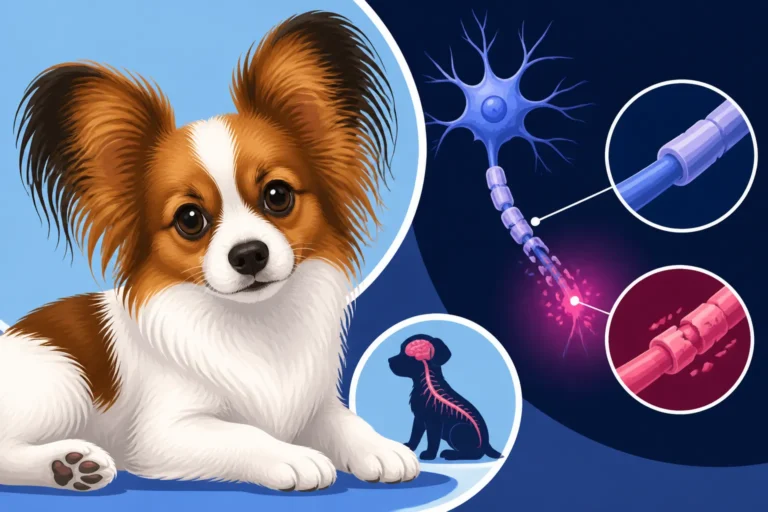
Another serious recessive condition found in Papillons is Neuroaxonal Dystrophy (NAD). This is a neurological disorder that affects the nervous system, leading to a progressive loss of motor function and coordination. Affected puppies often show symptoms at a very young age, usually within the first few months of life. What Neuroaxonal Dystrophy does to a Papillon is truly heartbreaking, as it leads to severe neurological impairment, often necessitating euthanasia due to a lack of effective treatment. Both PRA1 and NAD are conditions where carrier status in parents is paramount because two carriers can indeed produce an affected puppy.
The Mechanics of Carrier-to-Carrier Breeding
This is where the rubber meets the road, genetically speaking. Understanding how genes combine from two carrier parents is fundamental to grasping the risk involved. It’s not just a theoretical chance; it’s a scientific certainty based on Mendelian genetics.
Punnett Squares and Probability
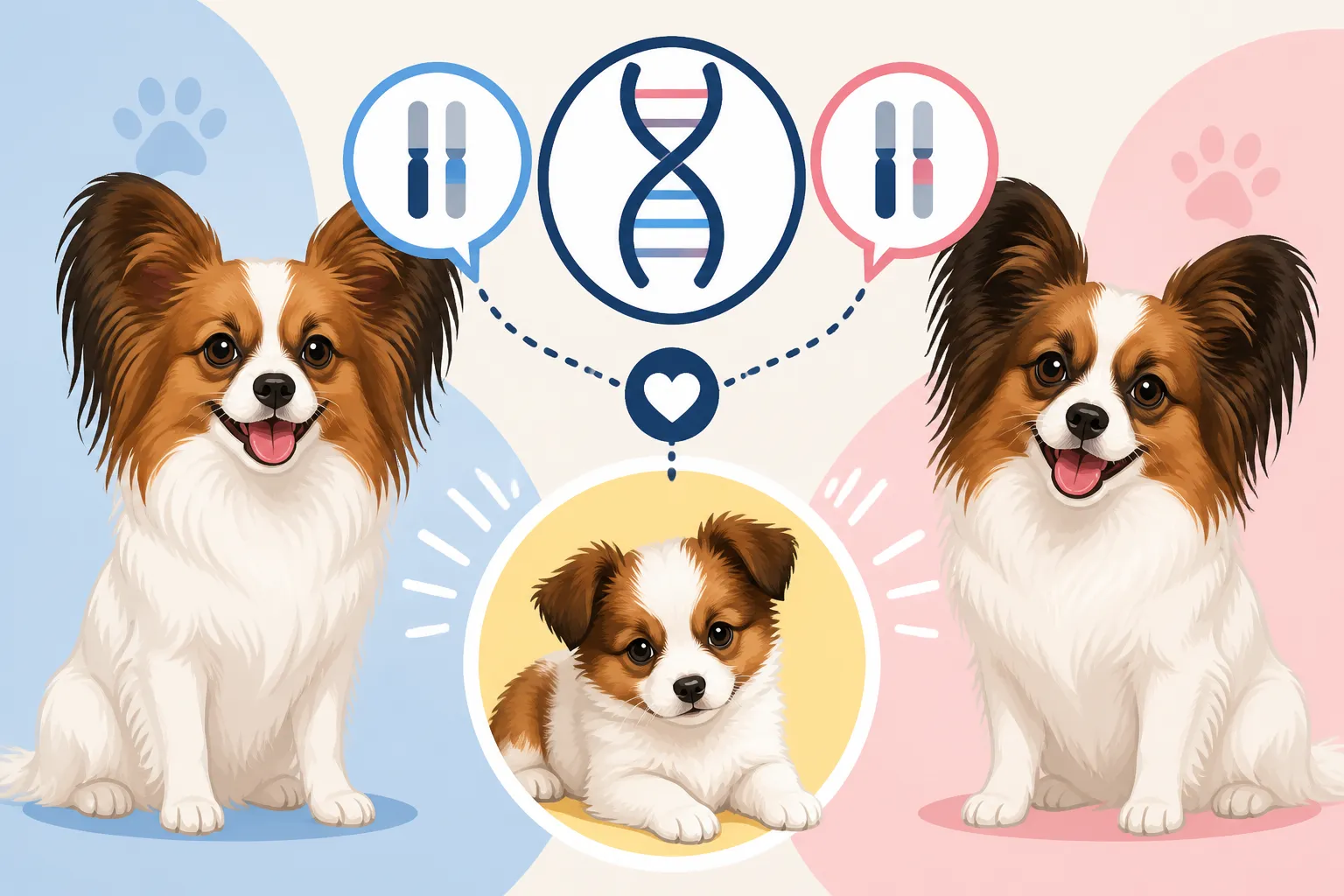
To understand the outcome of breeding two carrier Papillons, we often use a simple tool called a Punnett square. It helps visualize the probability of different genetic combinations in the offspring. Let's use 'N' for the normal, healthy gene and 'n' for the faulty, disease-causing gene.
A carrier dog, as we discussed, has one normal gene and one faulty gene, so its genetic makeup is 'Nn'. If you breed two carrier Papillons (Nn x Nn), here's how the Punnett square breaks down:
| N (from Parent 1) | n (from Parent 1) | |
|---|---|---|
| N (from Parent 2) | NN (Clear) | Nn (Carrier) |
| n (from Parent 2) | Nn (Carrier) | nn (Affected) |
As you can see from the table:
- 25% of the puppies (NN) will be "Clear." This means they inherited two normal genes and will neither develop the disease nor be able to pass on the faulty gene. They are genetically healthy for this specific trait.
- 50% of the puppies (Nn) will be "Carriers." Like their parents, they inherited one normal gene and one faulty gene. They will be healthy themselves but can pass the faulty gene to their own offspring if bred later.
- 25% of the puppies (nn) will be "Affected." This is the heartbreaking part. These puppies inherited two copies of the faulty gene (one from each carrier parent) and will develop the genetic disease. This is how PRA1 is inherited in Papillons, for example.
This 25% chance of producing an affected puppy is a very real, non-negotiable risk every time two carriers are bred together.
Why the Risk is Significant
While 25% might not sound like 100%, it's an incredibly significant risk when dealing with serious, often life-limiting genetic conditions. Imagine a litter of four puppies: on average, one of them will be affected. In a larger litter of six or eight, you could have two affected puppies. This isn't just about statistics on paper; it translates directly to real puppies that will suffer, and real families that will face immense emotional and financial burdens.
For breeders, purposefully breeding two carriers carries substantial ethical implications. Despite the potential for producing clear or carrier puppies, the deliberate risk of creating affected dogs goes against the principle of responsible breeding, which aims to improve and safeguard the health of the breed. The heartbreak for owners who inadvertently purchase an affected puppy is immense, leading to veterinary bills, difficult decisions, and profound sadness. When considering Whether a Papillon With PRA Goes Fully Blind, you understand the severity of the future for an affected dog.
Dispelling Misconceptions
It's common for people to misunderstand genetic inheritance, sometimes hoping that "maybe this time" the puppies will all be clear. Let's be absolutely clear: the probabilities derived from the Punnett square are consistent. Two carrier Papillons can and do produce affected puppies. It's not a theoretical risk that you can simply wish away.
The 25% chance of an affected puppy applies to each individual puppy in the litter. So, while you might get a litter where, by pure chance, all puppies are clear or carriers, that doesn't change the underlying genetic probability for future litters or individual puppies. The gene combination happens at conception for each embryo. This is why simply getting lucky in one litter doesn't mean the practice is safe or responsible. The only way to guarantee no affected puppies from specific recessive conditions is to ensure at least one parent is clear (NN).
Practical Implications for Papillon Breeders and Owners
Understanding these genetic principles is one thing, but knowing how to apply them in the real world of Papillon breeding and ownership is quite another. It touches on ethical responsibilities, informed choices, and the health of the breed as a whole.
The Breeder's Responsibility
For responsible Papillon breeders, genetic testing is not just a recommendation; it's a fundamental part of their program. They understand that their choices directly impact the health and well-being of future generations. Breeders should actively pursue DNA testing for conditions like PRA1 and Neuroaxonal Dystrophy on all breeding stock before any mating takes place. This isn't about eliminating carriers from the gene pool entirely, which could drastically reduce genetic diversity. Instead, it's about making informed breeding decisions.
The golden rule for breeders regarding recessive conditions is simple: never breed two carriers together. If a breeder has a carrier Papillon that they wish to include in their breeding program (perhaps because the dog possesses other exceptional qualities like temperament, conformation, or agility prowess), they must breed that carrier dog only to a genetically clear partner. This pairing ensures that while some offspring may still be carriers (50%), none will be affected by the disease (0%). All puppies from such a pairing should ideally be tested themselves to identify carriers for future breeding decisions. This careful approach helps maintain genetic diversity while systematically working to reduce the prevalence of these diseases. You can learn more about The DNA Test for Papillon Retinal Atrophy and The DNA Test for Papillon Neuroaxonal Dystrophy to understand the tools available to breeders. This proactive stance ensures the health guarantee a breeder can offer is robust.
Owner's Perspective on Buying a Puppy
As a prospective Papillon owner, you have a vital role to play in promoting responsible breeding practices. Your questions and demands can help shape the industry. When looking for a Papillon puppy, it is absolutely essential to ask breeders for proof of genetic testing on both parents. A reputable breeder will be transparent and happy to share results, often having them publicly available through health registries like the Orthopedic Foundation for Animals (OFA) or Canine Health Information Center (CHIC) in the United States, or similar organizations internationally.
Don't be shy about asking specific questions, such as "Are both parents clear for PRA1 and Neuroaxonal Dystrophy?" or "Can I see the DNA test results for the sire and dam?" If a breeder is evasive or claims they don't test because their lines "don't have those issues," that's a significant red flag. Even if a particular line hasn't produced an affected dog, carriers can still be present, silently passing on faulty genes. Knowing Which Health Tests a Papillon Breeder Should Run will equip you with the right questions to ask. Choosing a puppy from parents documented as clear for known recessive conditions gives you immense peace of mind that your future companion is starting life with the best possible genetic health.
What to Do with a Carrier Papillon
If you discover your beloved Papillon is a carrier for a recessive genetic condition, it’s important to remember that this doesn't mean they are sick or will ever become sick from that specific condition. Carriers are healthy individuals. Your carrier Papillon can still live a completely normal, happy, and healthy life as a cherished companion. There's no need to treat them differently in terms of daily care or love.
The primary implication of having a carrier Papillon is related to breeding. If you own a carrier, it is strongly advised not to breed them to another carrier. If you are considering breeding your carrier Papillon, they must only be bred to a dog that has been genetically tested and confirmed as "clear" (NN) for that specific recessive disease. This will prevent the birth of affected puppies. Any offspring from a carrier x clear pairing should also be tested if they are intended for future breeding to ensure that carriers are identified and managed responsibly. The decision of Whether two carrier Papillons should be bred is a resounding no, due to the ethical implications of creating affected puppies.
Managing Risk and Ensuring Future Health
Navigating the world of canine genetics can feel like a labyrinth, but with the right knowledge and tools, you can significantly mitigate risks and contribute to the overall health of the Papillon breed. It's about being proactive, informed, and committed to the well-being of these wonderful dogs.
Genetic Testing and Health Registries
Modern genetic testing has revolutionized responsible dog breeding. For Papillons, tests are readily available for conditions like PRA1 and Neuroaxonal Dystrophy. These are typically simple DNA tests, often requiring just a cheek swab, which can be sent to specialized veterinary genetic laboratories. Reputable labs like Embark Veterinary, Optimal Selection, or Animal Genetics offer comprehensive panels that cover multiple genetic conditions common in various breeds, including Papillons.
Once results are obtained, they can be registered with organizations such as the OFA. These health registries provide a public, verifiable database of health clearances, which allows prospective puppy buyers to research the health history of a dog's lineage and verify a breeder's claims. By using these services, breeders not only ensure the health of their own lines but also contribute to a larger pool of data that benefits the entire breed. Investing in a healthy puppy upfront can save significant costs down the line. While pet insurance companies like Healthy Paws can be a lifesaver for unexpected illnesses or accidents, preventing predictable genetic conditions through testing is always the best first step.
The Role of Pedigree and Line Breeding
Understanding a Papillon's pedigree goes hand-in-hand with genetic testing. A detailed pedigree can show potential patterns of disease or carrier status in ancestors, even if the specific dog in question hasn't been tested for every single condition. This historical data provides valuable clues for breeders. Careful breeders will study pedigrees not just for conformation titles but also for health information, looking for longevity and an absence of known genetic diseases.
Line breeding, which involves breeding related dogs to concentrate desirable traits, carries an increased risk if not done cautiously and with thorough genetic testing. While line breeding can fix excellent qualities, it can also inadvertently concentrate undesirable recessive genes if carriers are not identified. A responsible breeder using line breeding techniques will meticulously test all dogs involved, ensuring that carriers are never bred together, thus minimizing the chances of producing affected offspring. The goal is always to improve the breed, and that means balancing desirable traits with rigorous health screening and genetic diversity.
Lifelong Care and Vigilance
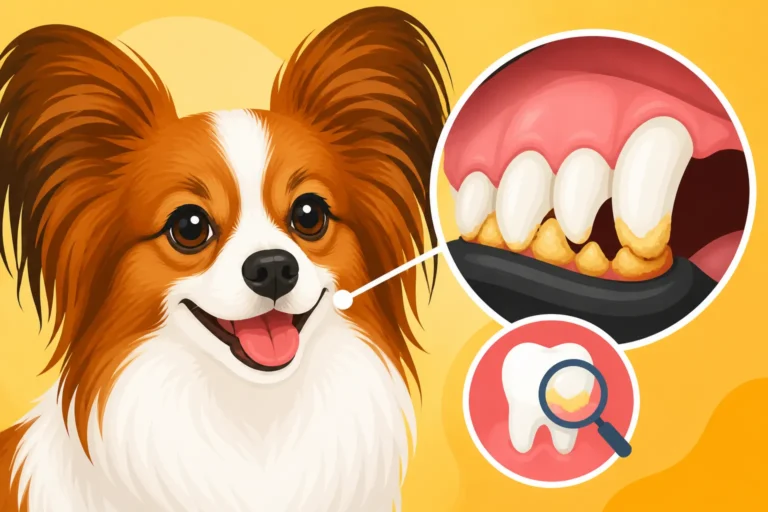
Even with the most responsible breeding practices and genetic testing, lifelong care and vigilance remain crucial for any Papillon owner. Dogs, like humans, can develop health issues throughout their lives that aren't necessarily genetic. Regular veterinary check-ups are paramount, including wellness exams, dental care (which is especially important for The Teeth in a Papillon's Small Jaw), and vaccinations.
Staying attuned to your Papillon's behavior and physical condition is also key. Subtle changes can be early indicators of underlying health problems. For instance, if your Papillon, particularly as they get older, seems disoriented in dimly lit rooms or bumps into things, it might be an early sign of vision loss, even if they were from genetically clear parents (as some forms of blindness are not PRA1). Monitoring their activity levels, appetite, and general demeanor can help you catch issues early. And remember, even with the best preventative measures, unforeseen medical needs can arise. This is where comprehensive pet insurance, such as a plan from Healthy Paws, can provide an invaluable safety net, helping you cover significant veterinary costs for unexpected accidents or illnesses throughout your Papillon's long life. As our Papillons age, their needs change, and continuous care, as detailed in Caring for a Papillon Past Eleven, becomes even more vital.
Disclaimer
Please remember that this article is intended for informational purposes only and should not be considered a substitute for professional veterinary advice. Always consult with a qualified veterinarian or a certified veterinary geneticist for any health concerns or breeding decisions regarding your Papillon.