Whether Papillon Lifespan Has Changed
It's natural to wonder if our beloved Papillons, with their long, flowing ears and vivacious personalities, are living longer than their ancestors. With all the advancements in veterinary medicine and a deeper understanding of canine health, many of us hope for more precious years with our tiny companions. This guide will dive deep into whether the Papillon lifespan has genuinely changed over the decades and what factors contribute to their longevity today.
The Historical Papillon Lifespan: A Look Back
When we delve into the history of dog breeds, especially toy breeds like the Papillon, pinning down exact lifespans from centuries past can be a bit tricky. Formal record-keeping for companion animals simply wasn't what it is today. However, we can gather clues from anecdotal evidence, art, and the general understanding of animal care in different eras.
Anecdotal Evidence and Early Records
Back in the day, dogs, even pampered palace pups, often lived quite different lives. While Papillons have graced the laps of European royalty for centuries, going by the name "Dwarf Spaniel" then, their daily care would have been far from what we consider ideal now. Medical intervention was rudimentary, and many conditions that are easily treatable today would have been life-threatening. Things like proper dental care, preventative medicine, or even understanding the nuances of a balanced canine diet were not widely understood or available.
Historical accounts, often found in letters, diaries, or even the backgrounds of famous paintings, might mention a dog's presence but rarely detail its full health history or exact age at passing. It’s safe to assume that while some individuals might have lived to a ripe old age, similar to exceptional cases today, the average lifespan was likely shorter due to a myriad of challenges that modern dogs rarely face. Infancy and early puppyhood were particularly perilous times, with many succumbing to illnesses that are now easily preventable with vaccinations and early veterinary care.
The Impact of Historical Dog Care
Consider the routine care of dogs in earlier centuries. Vaccinations didn't exist, meaning common diseases like distemper and parvovirus were rampant and often fatal, especially for small, delicate puppies. Nutrition was often a mix of table scraps and whatever was available, not a carefully formulated kibble or raw diet. This could lead to nutritional deficiencies or obesity, both of which negatively impact health. Parasites, both internal and external, were a constant battle, weakening dogs and making them more susceptible to other ailments.
Moreover, the breeding practices of old often focused more on appearance or specific traits without the genetic testing we have now. This could inadvertently perpetuate hereditary conditions within a breed. For example, conditions like patellar luxation, which is a Papillon problem you will actually meet, might have been widespread but not understood as a genetic issue that could be screened for. Without the knowledge of how to manage these health challenges, a dog's overall vitality and longevity would naturally be compromised. The lack of controlled environments and often free-roaming lifestyles in many areas also exposed dogs to more dangers, from accidents to altercations with other animals, further shortening their lives.
Modern Papillon Lifespan: What the Data Shows
Today, the outlook for a Papillon's lifespan is considerably brighter. Most sources will tell you that the average Papillon lives between 13 to 15 years, with many happily sailing past the 16-year mark, and some exceptional individuals reaching 17, 18, or even 19 years old! This is a testament to the incredible progress made in veterinary science, responsible breeding, and informed pet ownership. When we consider how long a Papillon lives, it's truly impressive for such a small, active breed.
Advances in Veterinary Medicine
The strides made in veterinary medicine are arguably the biggest game-changer for Papillon longevity. We now have a comprehensive vaccination schedule a Papillon puppy needs, protecting them from a host of deadly diseases. Regular wellness exams mean vets can catch potential issues early, often before they become serious. Diagnostic tools like X-rays, ultrasounds, and blood tests allow for accurate and timely diagnoses.
Furthermore, specialized veterinary care has become much more accessible. Orthopedic surgeons can address conditions like luxating patellas, significantly improving a dog's quality of life and preventing long-term pain. Advanced dental care, including routine cleanings and extractions when necessary, helps combat the prevalence of dental disease in Papillons, which can lead to systemic health problems if left unchecked. Even common issues like anxiety or chronic pain can be managed with medication and therapy, allowing dogs to live more comfortably into their senior years. This modern approach to care means that many Papillons can receive treatment for conditions that would have been a death sentence in the past, directly extending their lifespan.
The Role of Responsible Breeding Practices
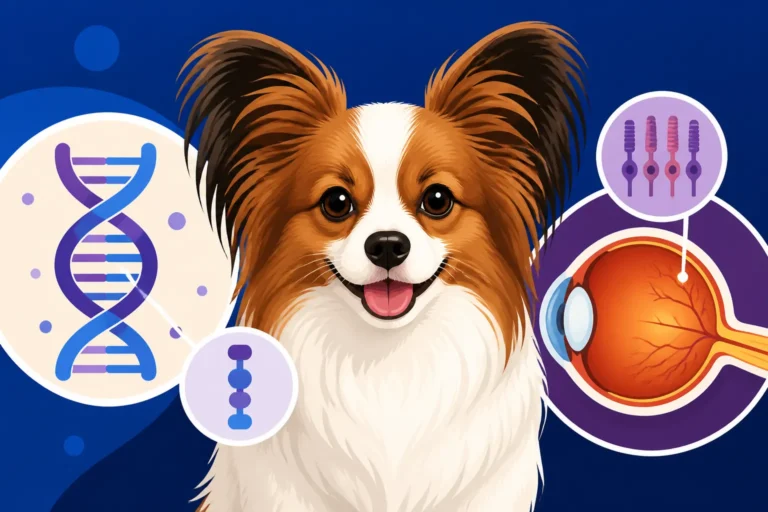
Responsible breeders play a critical role in shaping the health and, by extension, the lifespan of future generations of Papillons. Today, reputable breeders are committed to understanding and mitigating hereditary conditions. This includes extensive health testing of breeding stock for issues common in the breed. For instance, testing for Progressive Retinal Atrophy (PRA), particularly the Papillon Type of Progressive Retinal Atrophy and the CNGB1 gene, is paramount to prevent blindness. Likewise, knee certifications help ensure that puppies aren't predisposed to severe patellar luxation.
Breeders who prioritize health not only screen their dogs but also meticulously research pedigrees to avoid doubling up on genetic weaknesses. They adhere to ethical breeding standards, ensuring their dogs are healthy, well-socialized, and raised in a nurturing environment before going to their forever homes. This proactive approach significantly reduces the incidence of debilitating inherited diseases, leading to healthier puppies who have a much better chance at a long, vibrant life. What a Papillon breeder should have tested is a crucial question to ask when searching for a puppy.
Nutrition and Lifestyle Improvements
Modern Papillons benefit from a vastly improved understanding of canine nutrition and tailored lifestyle recommendations. Gone are the days of solely relying on table scraps. Today's commercial dog foods are scientifically formulated to provide complete and balanced nutrition for every life stage, from puppy to senior. Many owners choose high-quality kibbles, raw diets, or home-cooked meals, all contributing to optimal health. Proper nutrition supports organ function, maintains a healthy weight, and strengthens the immune system, all of which are vital for longevity.
Beyond food, lifestyle factors like regular, appropriate exercise keep Papillons physically fit and mentally stimulated. Despite their small size, Papillons are surprisingly athletic and intelligent, thriving on activity. Avoiding obesity is key, as excess weight puts strain on joints, particularly if they have underlying conditions like slipping kneecaps. Furthermore, living in a safe, enriched home environment, free from hazards and excessive stress, contributes significantly to a dog's well-being and helps them live out their full potential. Even little things, like ensuring they aren't constantly jumping off high furniture, can protect their delicate joints over their long life. Caring for a Papillon past eleven often involves adapting their exercise and environment to their changing needs.
Factors Influencing a Papillon's Lifespan Today
While the general trend points to a longer, healthier lifespan for Papillons, it's not a guarantee for every individual. Several key factors, many of which are within an owner's control, significantly influence how long a Papillon lives. Understanding these can help you maximize your companion's years.
Genetic Predispositions and Health Testing
Even with responsible breeding, genetics still play a huge role. Papillons, like all purebreds, have certain genetic predispositions to specific health issues. We've mentioned Progressive Retinal Atrophy (PRA1) and patellar luxation, but it's also important to be aware of conditions like neuroaxonal dystrophy in a Papillon puppy, although it's rare. The good news is that for many of these, there are now DNA tests available. When you're looking for a puppy, make sure your breeder can show you documentation of health testing on both parents. This significantly reduces the risk of your Papillon inheriting a debilitating condition that could shorten its life or require extensive, costly treatment. Whether the Papillon is a healthy breed often depends heavily on these careful breeding choices.
For owners of Papillons from unknown backgrounds, or those considering adopting a rescue, discussing potential genetic predispositions with your veterinarian is wise. They might recommend specific screenings or advise on symptoms to watch for. Being proactive about genetic health can mean the difference between managing a condition effectively or facing a crisis later on.
Preventative Care and Early Intervention
Preventative care is the cornerstone of a long and healthy life for any dog, and Papillons are no exception. This includes:
- Routine Veterinary Check-ups: Annual or bi-annual visits allow your vet to catch subtle changes that might indicate an emerging health problem. They'll monitor weight, listen to their heart and lungs, and check their teeth. This is especially important as a Papillon approaches the age a Papillon is considered senior.
- Vaccinations and Parasite Control: Keeping up with core vaccinations and regular flea, tick, and heartworm prevention protects your Papillon from common, often serious, illnesses.
- Dental Hygiene: Small breeds like Papillons are notoriously prone to dental disease. Brushing a Papillon's teeth in a very small mouth daily, or at least several times a week, and scheduling professional dental cleanings as recommended by your vet can prevent painful infections and tooth loss, which can impact overall health.
- Maintaining a Healthy Weight: Obesity is a silent killer, exacerbating joint issues and increasing the risk of diseases like diabetes. Monitoring your Papillon's food intake and ensuring adequate exercise is crucial.
Early intervention is equally important. If you notice any changes in your Papillon's behavior, appetite, mobility, or energy levels, don't wait. A quick trip to the vet can often address an issue when it's minor, preventing it from escalating into something much more severe and difficult to treat. For instance, subtle signs a Papillon's kneecap slips could be addressed with strengthening exercises or, if needed, surgery, to prevent further damage and pain.
Environmental Factors and Daily Care
Beyond genetics and vet visits, the daily environment and care you provide have a huge impact.
- Safety: Papillons are small and can be easily injured. Protecting them from accidental falls (e.g., providing ramps to furniture), ensuring they don't encounter aggressive larger dogs, and securing your yard are vital.
- Nutrition: A high-quality diet tailored to their age and activity level, as well as providing consistent, appropriate portion sizes, is foundational.
- Exercise and Mental Stimulation: Regular walks, playtime, and engaging their intelligent minds with puzzle toys or training sessions keep them physically fit and mentally sharp. A bored Papillon is not a happy or healthy Papillon.
- Stress Reduction: A stable, loving home environment minimizes stress, which can take a toll on a dog's immune system and overall health.
- Grooming: While a Papillon's coat is all fringe and no undercoat, regular brushing prevents mats that can cause skin irritation, and proper ear care helps prevent infections.
Consider this table comparing key factors that influence lifespan:
| Factor | Historical Impact | Modern Impact |
|---|---|---|
| Veterinary Care | Limited, reactive, often too late | Extensive, preventative, early intervention, specialized |
| Nutrition | Unbalanced, table scraps, inconsistent | Scientifically formulated, balanced, tailored diets |
| Breeding | Focus on aesthetics, less health screening | Genetic testing, health clearances, ethical practices |
| Environment | More hazards, less controlled, outdoor risks | Safer homes, contained spaces, fewer accidents |
| Dental Care | Virtually non-existent, leads to systemic issues | Routine brushing, professional cleanings |
| Parasite Control | Constant struggle, debilitating infestations | Highly effective preventatives, rare severe cases |
| Owner Knowledge | Limited, based on tradition | Access to vast information, proactive care |
Is the Papillon Lifespan Truly Changing?
So, has the Papillon lifespan actually changed? The resounding answer is yes, absolutely. While some individual Papillons in the past might have been lucky enough to live long lives, the average lifespan for the breed has demonstrably increased. This isn't just wishful thinking; it's a direct result of decades of progress in various fields.
Comparison of Past vs. Present Data
If we look at historical data, average dog lifespans across many breeds were significantly shorter, often in the 8-10 year range even for smaller dogs. Today, for Papillons, we're consistently seeing averages of 13-15 years, with a substantial number living well beyond that. This isn't a small shift; it's a significant extension of life, often adding years of healthy, active companionship. This means more time with our furry family members, making all the effort put into their care incredibly worthwhile. What most Papillons die of today are often age-related illnesses or specific genetic predispositions that can now be managed for much longer periods.
This change is not unique to Papillons; many purebred dogs have seen increased longevity due to better care. However, for a breed as genetically robust as the Papillon, these advancements have allowed their inherent good health to truly shine. They are already considered a relatively healthy breed, and modern care only enhances that.
What Owners Can Expect Now
As a Papillon owner today, you can realistically expect to share many wonderful years with your dog. This longevity, however, comes with responsibility. It means committing to consistent veterinary care, including annual check-ups and being prepared for potential age-related issues as they approach their senior years. Insurance providers like Healthy Paws, for example, understand the long-term commitment of pet ownership and offer plans that can help manage the costs of extended care, especially as a dog ages.
It also means being proactive about their diet, exercise, and mental well-being throughout their life. Be prepared for the possibility of addressing common senior dog issues like arthritis, hearing or vision loss, or cognitive decline, which are more prevalent because dogs are living longer. Fortunately, many resources are available to help you care for an aging Papillon, ensuring their comfort and happiness in their golden years. With dedicated care and a loving environment, your Papillon has an excellent chance of enjoying a long, fulfilling life by your side.
Disclaimer
Please remember that this article offers general information and insights. For any specific health concerns or medical advice regarding your Papillon, always consult with a qualified veterinarian. Each dog is an individual, and personalized professional guidance is crucial for their well-being.