Whether a Papillon Can Reach Seventeen
It’s a natural thing for us Papillon parents to wish for as much time as possible with our tiny, vibrant companions. When you hear about dogs living into their late teens, it sparks a hope: Could my Papillon really reach seventeen years old? It feels like a monumental age for any dog, and while it's certainly on the upper end of their typical lifespan, it's not an impossible dream for a well-cared-for Papillon.
The Papillon's Remarkable Lifespan Potential
Papillons are often celebrated for their longevity, living longer than many larger breeds. This isn't just anecdotal; it's a generally recognized characteristic of smaller dogs. While the average lifespan for a Papillon usually falls in the 13 to 15-year range, stories of these butterfly-eared beauties sailing past that mark, even touching 17 or 18 years, are not just whispers in the wind. These are real, cherished family members who have defied the odds, a testament to their inherent resilience and the dedicated care they receive.
Average Lifespan Versus Exceptional Cases
Let's be realistic: seeing your Papillon hit 17 is like winning the longevity lottery. The vast majority will live long, happy lives, but usually within that 13-15 year window. Think of it like humans; while the average life expectancy might be, say, 78 years, we all know someone who lived to 90 or even 100. It's an exception, not the rule, but it definitely happens. For Papillons, their small stature is a huge advantage here. They don't have the same orthopedic stresses or rapid aging processes that often plague larger, heavier breeds. This means their bodies tend to hold up better over time, provided other health factors are kept in check. So, while you might not automatically expect 17 years, keeping that number in your mind as a possibility encourages optimal care from day one. It shifts your perspective from simply managing their health to actively cultivating their longevity.
Factors Contributing to Papillon Longevity
The secret sauce to a Papillon's long life isn't just one ingredient; it’s a harmonious blend of several key factors. First and foremost, their size plays a massive role. Smaller dogs, as a rule, tend to live longer than their larger counterparts. This is believed to be due to a slower metabolic rate and fewer issues related to rapid growth and bone stress. Think about it: a Papillon's tiny joints don't bear the same weight or impact as a Great Dane's, meaning less wear and tear over decades.
Beyond size, genetics are a foundational element. A reputable breeder will screen for common genetic conditions that could shorten a Papillon's life, such as Progressive Retinal Atrophy (PRA1) or patellar luxation. Knowing your dog's lineage and ensuring they come from healthy, long-lived lines significantly stacks the odds in your favor. This proactive approach from breeders really helps set a puppy up for a long, healthy future, giving you peace of mind that you're starting with a strong foundation. But genetics are only part of the equation; the daily care and environment you provide are equally, if not more, critical for turning potential into reality.
Key Pillars for a Papillon to Reach Senior Years
Bringing a Papillon into your life means committing to their well-being for what could be a very long time. Reaching an advanced age like 17 isn't accidental; it’s the cumulative result of consistent, thoughtful care throughout their entire life. It’s about building a foundation of health and happiness that supports them from their frisky puppy days right into their serene senior years. Every decision, from their diet to their vet visits, contributes to this grand goal.
Proactive Veterinary Care and Prevention
This is truly non-negotiable for a long-lived Papillon. Regular veterinary check-ups are like an early warning system. Your vet can spot subtle changes that you might miss, like a slight heart murmur, a new lump, or early signs of dental disease. It’s about prevention and early intervention, not just reacting when something goes wrong. Vaccinations, parasite control, and annual bloodwork become increasingly important as your Papillon ages. These routine screens can flag issues like kidney disease or thyroid problems before they become serious. For instance, addressing dental health diligently is paramount because infections in the mouth can spread to other organs. The Teeth in a Papillon's Small Jaw are particularly prone to issues due to their crowded nature, so proactive cleaning is vital.
Having a good pet insurance policy, like those offered by Healthy Paws, can be an absolute lifesaver here. Knowing that you have financial support for unexpected illnesses or injuries means you can always opt for the best possible care without stress, which is crucial as they get older. If you're serious about your Papillon reaching Caring for a Papillon Past Eleven, investing in consistent, high-quality veterinary care is the best strategy. Don't wait until they're obviously sick; preventative care throughout their life pays dividends in their golden years.
Nutrition and Weight Management
What you put in their bowl directly impacts how long and how well your Papillon lives. Obesity in any dog breed, but especially in tiny ones like Papillons, puts immense strain on their delicate joints, exacerbates conditions like patellar luxation, and increases the risk of heart disease and diabetes. It’s a silent killer that can easily shave years off their life.
Feeding a high-quality, age-appropriate diet is essential. As they transition from puppy to adult to senior, their nutritional needs change. Younger dogs need more calories and protein for growth, while seniors might benefit from fewer calories and joint-supporting supplements. It's not just about what they eat, but how much. Papillons are small, so even an extra ounce or two can make a significant difference to their overall body condition. It’s about finding the right balance to maintain a lean, healthy weight. Regularly checking their body condition, feeling for their ribs, and adjusting their food intake are crucial. You might be surprised to learn How Much an Adult Papillon Eats is far less than you imagine. Small, frequent meals can also help regulate their metabolism and prevent them from feeling overly hungry. Healthy weight management is a lifelong commitment that directly correlates with a longer, more comfortable life for your Papillon.
Exercise and Mental Stimulation
While Papillons aren't enormous, high-energy dogs, they are still active and intelligent. Regular, appropriate exercise is vital for maintaining muscle mass, joint health, and a healthy weight. This doesn't mean marathon runs; daily walks, indoor playtime, and short bursts of activity are usually sufficient. As they age, you might need to modify their exercise routine. Shorter, more frequent walks become better than one long trek, especially if they have some arthritis or joint stiffness. Think about What a Papillon Needs Every Day in terms of physical activity and adapt it as they grow older.
Mental stimulation is equally, if not more, important for keeping their minds sharp and engaged. Papillons are renowned for their intelligence. Puzzle toys, learning new tricks, or even just interactive play sessions can prevent cognitive decline and keep them happy. A bored Papillon can become a destructive or anxious one, and chronic stress isn't good for longevity either. Keep them challenged, keep them moving within their capabilities, and you'll keep them thriving. For example, even an old Papillon can enjoy a slow sniffy walk in the park, engaging their sense of smell, which remains keen even when other senses might start to fade.
Common Health Challenges in Senior Papillons and Mitigation
As our beloved Papillons enter their golden years, it's inevitable that they'll face some age-related health challenges. The key to helping them reach and thrive at an age like 17 lies in our ability to recognize these issues early and proactively manage them. It's about maintaining their quality of life, understanding that while we can't stop time, we can certainly make their journey through it as comfortable and joyful as possible.
Dental Disease
Hands down, dental disease is one of the most pervasive and often underestimated health problems in Papillons, particularly as they age. Their tiny mouths are prone to overcrowding, making them ideal breeding grounds for plaque and tartar buildup. If left unaddressed, this leads to gingivitis, painful periodontal disease, and ultimately, tooth loss. But it’s not just about their teeth; bacteria from severe dental disease can enter the bloodstream and impact vital organs like the heart, kidneys, and liver, drastically shortening their lifespan.
It's heartbreaking to think of your sweet Papillon living with chronic pain from rotting teeth. That's why regular dental care, ideally daily brushing, is essential from a young age. Professional dental cleanings under anesthesia, as recommended by your vet, are also a critical part of their health regimen. Don't let the thought of anesthesia for a small dog deter you; modern veterinary anesthesia protocols are very safe, and the benefits of a clean mouth far outweigh the risks. Knowing How Common Dental Disease Is in Papillons should motivate every owner to prioritize this aspect of care.
Joint Issues and Mobility
Patellar luxation, or slipping kneecaps, is another common concern for Papillons. While it can manifest at any age, the cumulative effect of a luxating patella over many years can lead to arthritis and chronic pain in senior dogs. Even if your Papillon was never formally diagnosed with luxation, general age-related arthritis can affect any joint.
The goal here is to maintain comfort and mobility. This means managing their weight, as we discussed, to reduce strain on their joints. Providing orthopedic beds, soft landings, and potentially ramps or steps to help them access furniture can make a world of difference. Supplements like glucosamine and chondroitin can support joint health, and your vet might prescribe anti-inflammatory medications if arthritis is severe. Understanding Whether a Papillon's Knees Get Worse With Age is crucial for adapting their environment and activity levels. If your Papillon has ever skipped a step or shown signs of discomfort, it’s worth a discussion with your vet about proactive joint care. This is an area where early intervention can prevent much suffering down the line.
Vision and Hearing Changes
Just like humans, Papillons can experience a decline in their vision and hearing as they age. This can be disorienting and sometimes frightening for them. They might become more hesitant to navigate familiar spaces, bump into furniture, or startle more easily if they don't hear you approach. Deafness in an Old Papillon can be gradual, making it hard to pinpoint when it truly started. Similarly, changes like Why a Papillon Can Go Blind at Night and Still See in Daylight are often the first signs of more widespread vision loss, such as that caused by Progressive Retinal Atrophy.
Creating a safe and consistent environment is paramount. Avoid rearranging furniture, keep pathways clear, and use consistent verbal cues or hand signals (if they can still see them). A good tip is to gently stomp your foot as you enter a room to alert a deaf Papillon to your presence without startling them. While vision loss might mean they struggle with agility courses, they can still enjoy walks on a leash and familiar areas. The key is patience and adapting to their changing needs, helping them feel secure and loved, even as their world changes around them.
Cognitive Decline
Sometimes, older Papillons might exhibit signs of Canine Cognitive Dysfunction (CCD), similar to Alzheimer's in humans. This can manifest as disorientation, changes in sleep-wake cycles (like being awake all night and sleeping all day), altered interactions, or even house-soiling accidents in an otherwise perfectly house-trained dog. You might notice Night Confusion in an Old Papillon, where they wander or seem anxious after dark.
It’s important to distinguish CCD from other medical conditions. A vet check-up can rule out issues like urinary tract infections or pain that might cause similar symptoms. If it is CCD, there are things you can do. Maintaining a consistent routine, providing mental enrichment (like simple puzzle toys or scent games), and potentially dietary supplements or medications can help manage the symptoms. It’s challenging for owners to see their beloved companion change, but understanding that it's a medical condition, not a behavioral choice, helps you provide the empathy and support they need during this stage of life.
Creating an Environment for a Super Senior Papillon
Helping your Papillon not just live long, but live well into their super senior years means thoughtfully adapting their home environment and continuing to shower them with love and support. It's about acknowledging their changing needs and proactively making their world safer, more comfortable, and enriching.
Adapting the Home Environment
Your home, which once served a bouncy puppy, might need some adjustments for a less agile senior. Hardwood floors, while beautiful, can become treacherous for an older Papillon with compromised joints or vision. Consider adding non-slip rugs or runners in high-traffic areas. Stairs can become difficult or even dangerous. If your Papillon still enjoys sleeping on the bed or sofa, invest in pet ramps or steps to prevent them from jumping down, which can put immense strain on their knees and spine. Even a small fall could lead to a serious injury.
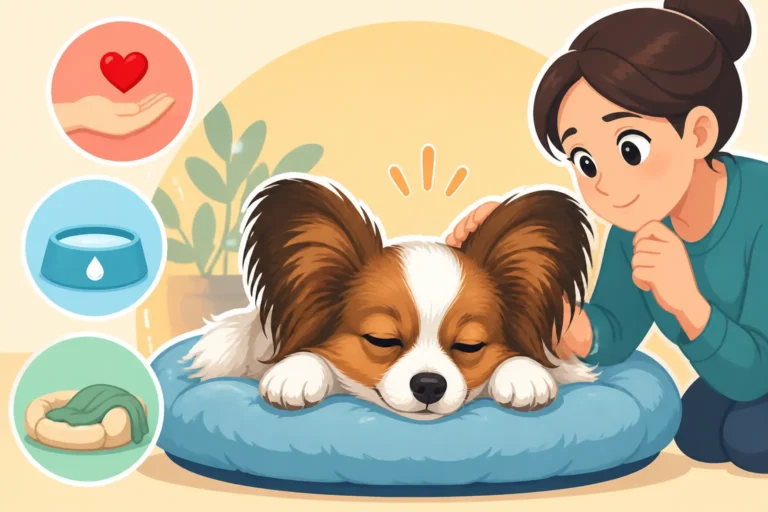
Easy access to food, water, and their potty area is also crucial. Elevated food and water bowls can make eating and drinking more comfortable for a Papillon with neck or joint pain. If they're struggling to hold their bladder, creating an easily accessible potty area, whether outside with a clear path or with indoor potty pads, reduces stress and accidents. It’s all about minimizing physical exertion and maximizing comfort.
Emotional Support and Quality of Life
Beyond physical care, the emotional well-being of an aging Papillon is incredibly important. They might not be able to romp for hours like they used to, but they still thrive on companionship and routine. Keep their days predictable, with regular feeding times, potty breaks, and short, gentle walks. Continue to engage with them, whether it's gentle petting, quiet cuddles, or soft conversations. Even if their hearing or vision is diminished, they still feel your presence and affection.
Puzzle toys, slow-feeder bowls, or even just sniffing around the yard can still provide valuable mental stimulation. The goal is to keep them engaged with life without overtaxing them. Remember, a long life is wonderful, but a good quality of life is even better. It’s about ensuring every day is filled with comfort, love, and a sense of security.
Financial Preparedness for Advanced Age
Let's talk about the practical side of caring for a truly senior dog: the financial aspect. As dogs age, medical costs inevitably rise. More frequent vet visits, specialized diets, medications for arthritis or heart conditions, and potential emergency care can add up quickly. This is where being prepared really matters. Having a robust pet insurance plan, such as Healthy Paws, in place from a younger age can make a huge difference. While many policies might not cover pre-existing conditions if started later in life, an early investment can protect you from the financial shock of age-related illnesses.
Even with insurance, you should budget for increasing veterinary expenses. What an Aging Papillon Costs a Year can be significantly higher than for a younger adult dog. Setting aside a dedicated "senior pet fund" can provide peace of mind and ensure you can always make choices based on what's best for your Papillon, rather than what your wallet dictates. The desire for your Papillon to reach 17 is strong, and having the financial means to support their health journey is a practical step to making that wish a reality.
| Common Senior Papillon Health Challenges | Signs to Watch For | Management Strategies |
|---|---|---|
| Dental Disease | Bad breath, red gums, difficulty eating, loose teeth | Daily brushing, professional dental cleanings, chew toys |
| Patellar Luxation/Arthritis | Limping, stiffness, difficulty jumping, reluctance to move | Weight management, joint supplements, ramps/steps, pain meds |
| Vision Loss | Bumping into objects, hesitation in new places, dilated pupils | Consistent environment, verbal cues, clear pathways |
| Hearing Loss | Not responding to name, startled easily, increased barking | Hand signals, gentle touch, vibrating collars |
| Cognitive Dysfunction | Disorientation, altered sleep cycles, house soiling, anxiety | Consistent routine, mental enrichment, specific medications |
| Heart Disease | Coughing, lethargy, decreased exercise tolerance, breathing difficulty | Regular vet checks, medications, dietary adjustments |
Disclaimer
The information provided in this article is for general informational purposes only and is not a substitute for professional veterinary advice. Always consult with a qualified veterinarian for any health concerns or before making any decisions about your pet's health or treatment.