What an Aging Papillon Costs a Year
As our beloved Papillons gracefully transition into their senior years, the love and companionship they offer only deepen. However, this beautiful journey often comes with a new set of financial considerations that many owners, myself included, don't fully anticipate. The purpose of this guide is to openly discuss the typical annual costs associated with caring for an aging Papillon, helping you prepare for these changes and continue to provide the best possible life for your furry family member.
The Shifting Landscape of Senior Papillon Care Costs
Just like us, our Papillons require more attentive care as they age, and this inevitably translates to increased financial outlay. It’s not just about one big expense; it’s a cumulative effect of more frequent check-ups, specialized tests, and ongoing management of age-related conditions. The days of simple annual vaccinations and a bag of puppy food are often behind us, replaced by a more nuanced approach to their health and well-being.
Increased Veterinary Visits and Diagnostic Tests
One of the most noticeable changes in your Papillon's annual budget will be the bump in veterinary visits. Instead of just one yearly wellness check, your vet might recommend semi-annual exams for your senior dog, particularly once they hit around 10 or 11 years old. This isn't just to generate more business; it's genuinely about catching subtle changes early, which can make all the difference in managing emerging health issues effectively. Early detection can often prevent more severe, and more costly, problems down the line.
During these visits, your vet may suggest a more comprehensive diagnostic panel. This often includes regular bloodwork to monitor organ function (kidneys, liver, thyroid), urinalysis to check for urinary tract infections or kidney issues, and sometimes even blood pressure checks. Imagine your little Papillon, who used to bound through life without a care, now needing these regular health snapshots. It's a testament to their longevity, but also a reminder that their internal systems are working a little harder. These tests, while individually not astronomical, add up over the course of a year, especially if abnormal results necessitate follow-up tests or consultations with specialists. For instance, if bloodwork shows a slight elevation in kidney values, your vet might want to recheck it in a few months, adding another visit and another lab fee to your annual tally. These are the kinds of proactive steps that become more vital as you're Caring for a Papillon Past Eleven.
Managing Chronic Conditions and Medications
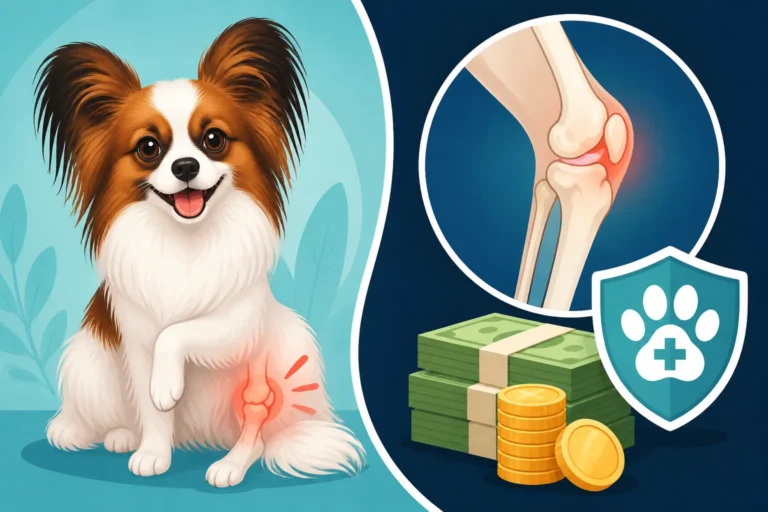
It's a sad but true fact of life that as our dogs age, chronic conditions become more prevalent. For Papillons, this can manifest in various ways. You might start noticing them slowing down, perhaps limping slightly after a long walk, which could be a sign of arthritis or a worsening of pre-existing conditions like patellar luxation. Patellar Luxation Is the Papillon Problem You Will Actually Meet, and it often becomes more pronounced with age, sometimes requiring pain management.
Many senior Papillons develop heart murmurs, which your vet will likely want to monitor regularly. Whether a Papillon Gets Heart Disease is a common concern for small breeds, and early detection and management can significantly extend their quality of life. If a heart condition progresses, it could mean daily medication, which becomes an ongoing monthly expense. The same goes for other conditions such as hypothyroidism, which requires daily thyroid hormone replacement. Dental disease is also a notorious problem in small breeds like Papillons due to their tiny jaws, and older dogs often require more frequent and extensive dental work, including extractions, which can be a significant cost. Medications for pain, heart health, thyroid issues, or even anxiety related to cognitive decline, will become a regular part of your financial planning. Think about prescription refills—these are typically purchased monthly or quarterly, and while individual pills might be small, the cost over a year can definitely make a dent in your budget.
Nutritional Adjustments for the Aging Papillon
Just as with people, an aging Papillon's metabolism, activity level, and digestive system change. What worked perfectly for their youthful vigor might not be the best choice for their golden years. These changes aren't just about switching kibble; they often involve a more thoughtful approach to their entire dietary regimen.
Specialized Senior Diets
As a Papillon ages, their caloric needs often decrease, and their bodies may benefit from specific nutritional profiles. Senior dog foods are designed with this in mind, typically featuring lower calorie counts to prevent weight gain (which can exacerbate joint issues), higher fiber for digestive health, and sometimes added nutrients to support aging organs. Switching to a senior formula might not necessarily be more expensive per bag, but the cost per year can add up. Some Papillons, particularly those with a sensitive stomach or failing teeth, might need even more specialized diets.
You might find yourself exploring options beyond conventional kibble. For instance, fresh food delivery services are becoming popular, with brands like Ollie offering customized meal plans. While these can be a premium option, some owners find the nutritional benefits and palatability for their picky seniors to be worth the investment. Similarly, online retailers like Chewy offer an immense selection of prescription diets and specialty senior foods that you might not find at your local pet store. Your vet might prescribe a specific diet for kidney disease, heart disease, or to manage weight. These prescription diets, while therapeutic, often come with a higher price tag. The goal is to provide optimal nutrition, even if it means a higher monthly food bill, to help your Papillon maintain a good quality of life into their senior years. Whether an Old Papillon Needs Softer Food is a common consideration, and softer, more digestible options can sometimes be more expensive.
Supplements for Joint and Cognitive Health
Beyond specialized food, many senior Papillons benefit from dietary supplements. Joint supplements containing ingredients like glucosamine, chondroitin, and MSM are very common, especially if your Papillon has a history of luxating patellas or is showing signs of arthritis. These aren't usually a quick fix, but rather an ongoing management strategy to support joint health and comfort. Omega-3 fatty acids, often found in fish oil supplements, are also popular for their anti-inflammatory properties, benefiting joints, skin, and coat, and even cognitive function.
As dogs age, some experience cognitive decline, similar to dementia in humans. Supplements containing ingredients like medium-chain triglycerides (MCTs) or antioxidants are sometimes recommended to support brain health. While these supplements are typically not covered by standard pet insurance (as they are preventative or supportive rather than treating an acute illness), they represent an additional, often monthly, cost. A small bottle of quality joint chews or a cognitive support supplement can range significantly in price, and these regular purchases certainly factor into the annual budget. It's a balancing act: you want to provide everything that might help, but each addition comes with a cost.
Comfort and Accessibility in the Home
An aging Papillon's world can shrink, and their home environment becomes even more crucial for their comfort, safety, and overall well-being. Thinking proactively about how to adapt your home can prevent injuries and make their daily life much more enjoyable. This section isn't just about spoiling them; it's about practical adjustments that become essential for their physical and mental health.
Aiding Mobility with Ramps and Beds
One of the biggest concerns for older Papillons is their mobility. Jumping on and off furniture, which they might have done effortlessly for years, can become dangerous, leading to injuries that could worsen existing conditions like patellar luxation or arthritis. Providing ramps or steps to their favorite sofa or bed isn't just a convenience; it's a preventative measure. You can find ready-made dog ramps and steps online through retailers like Chewy, or even build your own if you're handy. Whether a Papillon Needs Ramps to Furniture is a question many owners face, and the answer often becomes 'yes' as they age.
Orthopedic beds also become a must-have. A supportive, comfortable bed can alleviate pressure on aching joints and provide better rest. Imagine trying to sleep on a thin mat when your knees and hips are sore – it's the same for our senior pups. These specialized beds often cost more than a standard dog bed, but they are a worthwhile investment in your Papillon's daily comfort. Furthermore, consider non-slip rugs or runners on hardwood or tiled floors. A senior Papillon, especially one with weakened muscles or arthritic joints, can easily slip and injure themselves on slick surfaces. While not a direct annual cost, replacing or adding rugs can be a one-time or infrequent expense that significantly enhances their safety.
Grooming and Hygiene Adjustments
An aging Papillon's grooming needs can shift. While their beautiful long coat still requires regular care, an older dog might not tolerate long brushing sessions as well. Mats can still form, particularly behind the ears, on their feathery culottes, or in their beautiful tail plume, and if they're less active, they might not wear down their nails as effectively. You might find you need to brush them more frequently, but in shorter, more gentle sessions, or seek professional grooming more often if you can no longer manage it at home.
Dental hygiene, as mentioned earlier, is absolutely critical for Papillons throughout their lives, but it becomes even more so in old age. Neglected teeth can lead to painful infections, affecting their appetite and general health. Beyond professional dental cleanings under anesthesia (which can be a significant annual expense – How Often a Papillon Needs a Dental Cleaning), you'll still want to try daily home brushing. This often requires specialized small toothbrushes and enzymatic toothpaste, adding minor recurring costs. Many older Papillons also experience some degree of incontinence or have trouble holding it as long, leading to a need for more frequent bathing of certain areas or even doggie diapers. These products, while not hugely expensive individually, can become a regular line item in your budget. Whether an Old Papillon Feels the Cold is also a consideration; warmer beds and even little sweaters or coats for outdoor excursions might become necessary.
Financial Planning and Support for Senior Papillons
Facing the potential increase in costs for an aging Papillon can feel daunting, but with proper planning, it doesn't have to be overwhelming. There are strategies you can employ to mitigate the financial impact and ensure you're prepared for whatever comes your way. It's about being proactive rather than reactive, making informed choices that benefit both your Papillon and your wallet.
Pet Insurance Considerations for Older Dogs
Pet insurance can be a lifesaver, but its utility changes as your dog ages. If you've had a policy for your Papillon since they were a puppy, chances are it will continue to cover a good portion of their eligible senior care, though premiums typically increase with age. Brands like Healthy Paws are well-regarded for comprehensive coverage. However, if you're looking to get a new policy for a senior Papillon, you'll likely encounter significant limitations. Most policies won't cover pre-existing conditions, which is a major hurdle for an older dog who likely has at least one or two chronic ailments.
That being said, some companies still offer accident-only plans for older dogs, which can be useful for unexpected emergencies like a sudden injury or accident. These plans are typically less expensive than comprehensive ones and might still offer some peace of mind. It’s crucial to thoroughly read any policy, understand what is and isn't covered, and consider the deductible and reimbursement rates. While getting full coverage for all senior ailments might be challenging if you're starting fresh, any coverage is better than none for unforeseen circumstances. It's a personal decision that weighs the potential costs against the peace of mind offered by a policy.
Building an Emergency Fund
Regardless of whether you have pet insurance, having a dedicated emergency fund for your Papillon is one of the smartest financial moves you can make. Unexpected health issues can arise quickly and without warning, and having readily available funds means you can make decisions based on your Papillon's health needs rather than solely on your current bank balance. A sudden illness, an emergency vet visit outside of regular hours, or the need for specialized surgery can quickly lead to bills in the thousands.
Think about how much you might need for one major emergency, such as an unexpected surgery or a few days of hospitalization. Setting aside money each month specifically for your Papillon's health can provide a crucial safety net. Even if you start small, consistently contributing to this fund will build up over time. This fund isn't just for emergencies; it can also help cover the escalating costs of What an Aging Papillon's Medication Costs or specialized treatments that may not be fully covered by insurance. It provides the freedom to say "yes" to necessary care without undue financial stress.
| Category | Common Annual Costs for Senior Papillons |
|---|---|
| Veterinary Care | Semi-annual exams, bloodwork, urinalysis, potential X-rays, specialist consultations |
| Medications | Daily prescriptions for heart, thyroid, arthritis, pain management |
| Food & Supplements | Specialized senior diets, joint supplements (glucosamine, chondroitin), cognitive support, omega-3s |
| Home Comfort | Orthopedic beds, ramps/steps, non-slip rugs, doggie diapers |
| Grooming & Hygiene | More frequent or specialized professional grooming, dental products, extra bathing supplies |
| Miscellaneous | Senior-appropriate toys, calming aids, heating pads, occasional emergency fund usage |
Quality of Life Investments
Beyond the necessities, ensuring an aging Papillon's quality of life often involves thoughtful investments in their mental and physical well-being. These aren't always about huge expenditures, but rather adapting our approach and sometimes spending a little more on items or activities that cater to their changing needs. Maintaining their zest for life, even if that zest looks a little different than it once did, is paramount.
Adapting Training and Enrichment
Just because a Papillon is older doesn't mean they stop needing mental stimulation. In fact, it becomes even more important to keep their minds engaged, especially as some may experience Night Confusion in an Old Papillon or other signs of cognitive aging. While they might not be ready for intense agility classes anymore, gentle training sessions using positive reinforcement can still be incredibly beneficial. Learning new, simpler tricks or revisiting old ones in shorter bursts can boost their confidence and keep their brains sharp. Puzzle toys, where they have to figure out how to get a treat, are excellent for this. You might find yourself investing in a few more of these to keep variety in their routine.
Physical exercise also needs adaptation. Long, strenuous hikes might be out, but shorter, more frequent, and gentler walks are usually still very much in. Consider a pet stroller if your Papillon still loves to be out and about but tires easily. It allows them to experience the sights and smells of the neighborhood without the physical strain. While not a direct "cost" of training per se, the time investment and the occasional purchase of new, senior-friendly enrichment items contribute to their overall annual cost of living. It's about finding ways to celebrate their abilities, not focusing on what they can no longer do, and those adaptations often involve small purchases to support their new rhythm.
End-of-Life Planning and Support
This is perhaps the hardest part of caring for an aging Papillon, but it’s an unavoidable reality that responsible pet ownership entails. Thinking about end-of-life care can be emotionally distressing, but having a plan, even a loose one, can alleviate some stress during an incredibly difficult time. The costs associated with end-of-life care vary widely depending on the circumstances. This could include hospice care, which involves managing pain and comfort at home with regular vet visits for medication adjustments, or the eventual decision for humane euthanasia.
Many veterinary clinics offer in-home euthanasia services, which can be more expensive than in-clinic options but provide a peaceful, familiar environment for your beloved companion's final moments. Following euthanasia, you'll need to consider options for cremation or burial, which also carry separate costs. Some owners opt for communal cremation, while others prefer individual cremation with the return of ashes. There are also memorial items, such as urns, paw prints, or remembrance jewelry, that owners often choose. While we hope our Papillons live long, full lives, having a realistic understanding of these potential future expenses allows you to navigate that painful period with a clear mind, focusing on your Papillon's comfort and your own grief, rather than financial worry. It's the final, profound act of love and care we can offer them.
Disclaimer
This article is for general informational purposes only and does not constitute professional advice. Laws, prices and regulations vary by location and change over time. Consult a qualified professional for guidance on your specific situation.