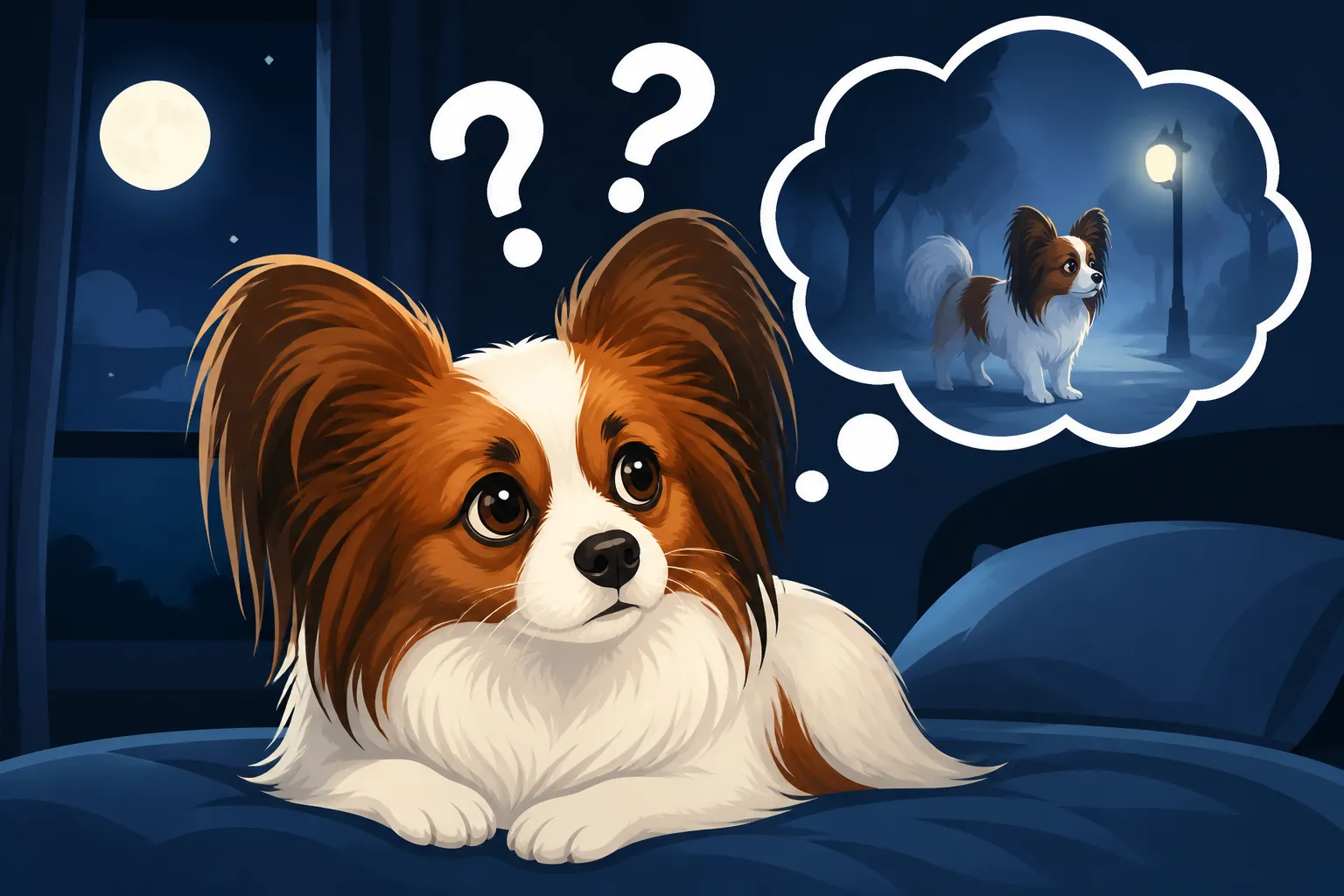
Night Confusion in an Old Papillon
It can be heartbreaking to watch your beloved Papillon, once a vibrant and keen little companion, start to seem lost and disoriented as evening falls. You might find them pacing restlessly, barking at shadows, or just staring blankly into space when night arrives, making you wonder what's going on in their precious little head. This nighttime confusion, often called "Sundowner's Syndrome" in dogs, is a common and distressing challenge for many owners of senior dogs, and this guide is here to help you understand what might be causing it and what steps you can take to bring some peace back to your Papillon's golden years.
Understanding Night Confusion in Senior Papillons
As our Papillons age, just like us, their bodies and minds undergo changes. One of the most common and often misunderstood issues in senior dogs is cognitive decline, which can manifest in various perplexing ways, particularly as dusk settles. It’s not just a cute quirk of old age; it’s a genuine condition that requires understanding and management.
What Cognitive Dysfunction Syndrome Looks Like
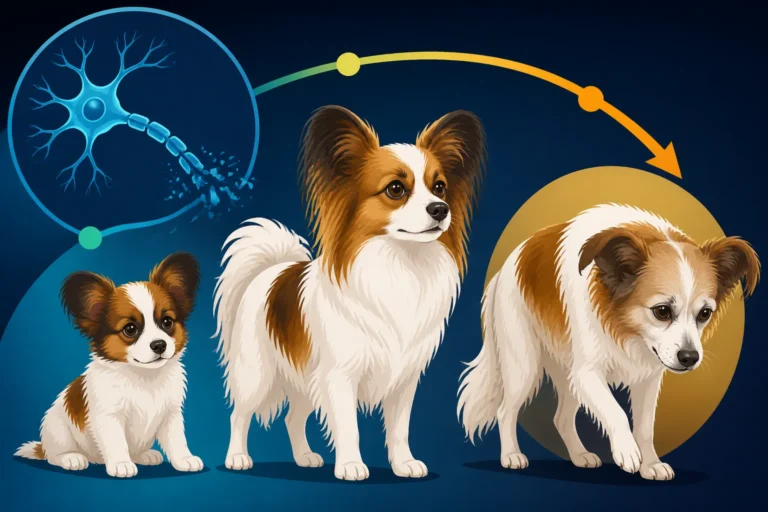
Cognitive Dysfunction Syndrome (CDS), often likened to Alzheimer's disease in humans, is a neurodegenerative disorder that impacts an aging dog's brain function. It’s a progressive condition, meaning it tends to get worse over time, and for many Papillons, the symptoms become particularly pronounced when the light fades. This phenomenon, affectionately but sometimes inaccurately called "Sundowner's Syndrome," sees dogs experiencing increased anxiety, disorientation, and restlessness during the evening and nighttime hours.
Imagine your Papillon, who has always known your home like the back of their paw, suddenly seems to forget where the kitchen is or can't navigate around a familiar piece of furniture. They might stand staring at a wall, pace endlessly in circles, or become agitated and bark without any apparent reason. Some dogs might even forget their house-training rules, having accidents indoors despite decades of perfect behavior. This isn't them being naughty; it's a genuine struggle with their cognitive abilities. They might have trouble recognizing family members, seem more withdrawn, or conversely, become unusually clingy. It's a profound shift that can be incredibly distressing for both the dog and their devoted owner, leaving you feeling helpless and heartbroken as you witness your once-sharp companion struggling.
Other Medical Causes Mimicking Night Confusion
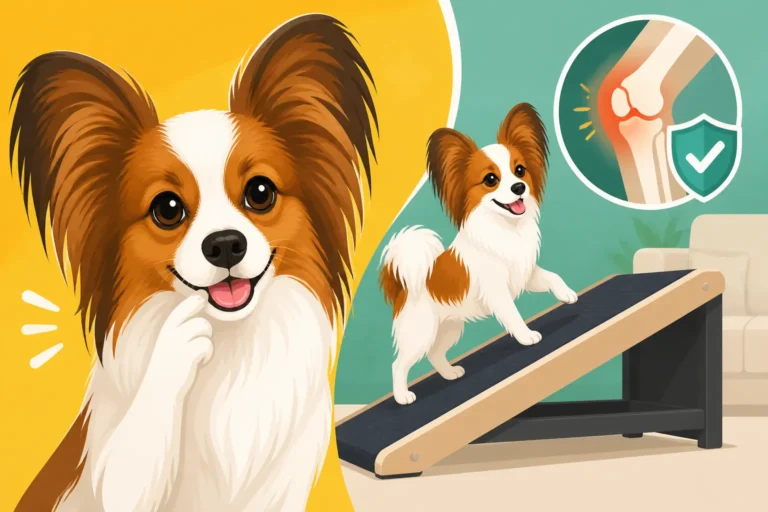
While CDS is a primary culprit for night confusion, it's absolutely crucial to understand that many other treatable medical conditions can mimic these symptoms. Jumping straight to a CDS diagnosis without ruling out other issues could mean missing an opportunity to alleviate your Papillon's suffering. For instance, chronic pain from conditions like arthritis, common in older dogs and especially small breeds prone to issues like patellar luxation, can make it difficult for them to get comfortable at night. Imagine trying to sleep soundly when every movement aches; restlessness and pacing are bound to follow.
Vision loss is another significant factor, particularly "Why a Papillon Can Go Blind at Night and Still See in Daylight." If your Papillon’s night vision has deteriorated, the sudden darkness can be incredibly disorienting and frightening, leading to anxiety, bumping into objects, and an overall sense of confusion when it's dark. Similarly, "Deafness in an Old Papillon" can contribute to confusion. If they can no longer hear your reassuring voice or familiar household sounds, they might feel isolated and bewildered, especially when their other senses are compromised. Less obvious culprits include undiagnosed urinary tract infections (UTIs) which can cause increased urgency and discomfort, leading to nighttime pacing and accidents. Thyroid imbalances, liver disease, kidney issues, or even a brain tumor, though less common, can also present with neurological symptoms that look like cognitive decline. This is why a thorough veterinary investigation is paramount.
Making a Diagnosis: When to See the Vet
If you’re noticing any signs of night confusion or changes in your Papillon's behavior, especially as they get older, the very first step, and arguably the most important one, is a visit to your trusted veterinarian. It's easy to dismiss these changes as "just old age," but doing so might mean overlooking something treatable and causing your little one unnecessary discomfort.
The Importance of a Thorough Veterinary Exam
Taking your Papillon to the vet isn't about getting a quick fix; it's about a comprehensive investigation into their overall health. Your vet will perform a thorough physical examination, checking everything from their joint mobility and muscle mass to their heart and lungs. They'll also pay close attention to neurological responses, eye health, and ear function. They'll want to hear all about the changes you've observed, so come prepared with a detailed account. When did the symptoms start? Are they worse at certain times of day? What exactly does your Papillon do when confused? Do they seem to be in pain, or are they struggling to get up or lie down? The more information you can provide, the better equipped your vet will be to connect the dots and pinpoint the underlying cause.
It's about ruling out all those other potential culprits we discussed earlier, like hidden pain, vision problems, or even a systemic illness that could be making your Papillon feel unwell and disoriented. Sometimes, simply managing underlying pain with appropriate medication or addressing an infection can significantly improve their nighttime behavior. You might find that once their discomfort is alleviated, much of the "confusion" dissipates, proving it wasn't a cognitive issue at all, but rather a response to physical distress. This is a critical step before attributing everything to old age and cognitive decline.
Diagnostic Tools and Tests
To get a clearer picture of your Papillon's health, your vet will likely recommend a battery of diagnostic tests. Blood work, including a complete blood count and a comprehensive chemistry panel, can reveal a wealth of information about organ function, inflammation, and potential metabolic imbalances. For instance, elevated liver or kidney values could indicate systemic issues contributing to their disorientation. A urinalysis is often done to check for urinary tract infections or other kidney problems. Depending on the physical exam findings and your description of symptoms, your vet might also suggest specific tests such as thyroid function tests, as an underactive thyroid can sometimes lead to lethargy and mental dullness that mimics cognitive decline.
In cases where neurological issues are suspected, or if other conditions are ruled out and CDS is strongly considered, further imaging like X-rays of the spine and joints might be recommended to check for arthritis or other orthopedic pain. More advanced diagnostics, like an MRI of the brain, are less common due to cost and the invasiveness of anesthesia, especially for a small, older dog, but they can be invaluable in ruling out conditions like brain tumors. The goal of these tests is to create a complete health profile for your Papillon, ensuring that any treatable conditions are identified and addressed before focusing solely on cognitive management. Remember that resources like Healthy Paws pet insurance can be a huge help in managing these unexpected veterinary costs, especially for diagnostic procedures for senior dogs.
Strategies for Managing Night Confusion
Once your veterinarian has thoroughly assessed your Papillon and either diagnosed CDS or identified contributing factors, you can start implementing strategies to manage their night confusion. This often involves a multi-faceted approach, combining environmental adjustments, dietary support, and sometimes, medication.
Creating a Calming Nighttime Environment
A predictable and soothing environment can make a world of difference for a Papillon experiencing night confusion. Think about it from their perspective: if their senses are already unreliable, a chaotic or unfamiliar setting will only amplify their anxiety. Establish a consistent bedtime routine. This could involve a final potty break, a quiet snuggle session, and then settling them into a comfortable, safe sleeping area. This routine itself becomes a comforting signal that it’s time to wind down.
Many Papillons with night confusion benefit from having a night light in their sleeping area or in the hallways they frequent. This gentle illumination can help tremendously, especially if they are experiencing "Why a Papillon Loses Night Vision First," preventing startling bumps and reducing overall disorientation. Consider soft, calming music or a white noise machine to block out sudden external sounds that might trigger anxiety. Ensure their sleeping space is warm, cozy, and easily accessible, perhaps with a dog bed that supports their aging joints. If they tend to wander, a safely enclosed, familiar space like a puppy pen (if they're comfortable with it) or a baby-gated room can prevent them from getting truly lost or hurting themselves, providing both you and them with a greater sense of security during those long nighttime hours.
Dietary and Supplement Support
Nutrition plays a surprisingly significant role in supporting brain health, especially for aging dogs. Just like in humans, certain nutrients can help slow the progression of cognitive decline and improve overall brain function. Look for dog foods specifically formulated for senior dogs, which often contain higher levels of antioxidants, Omega-3 fatty acids (DHA and EPA), and medium-chain triglycerides (MCTs). These ingredients are thought to provide crucial fuel for the aging brain and help combat oxidative stress.
Beyond specialized diets, your vet might recommend specific supplements. Omega-3 fatty acid supplements, particularly those rich in DHA, have anti-inflammatory properties and are vital for brain cell function. Antioxidants like Vitamin E and C can help protect brain cells from damage. Ingredients like SAMe (S-adenosylmethionine) and choline have also shown promise in supporting cognitive function in older dogs. You might also explore supplements containing L-theanine or melatonin, which can help promote relaxation and regulate sleep cycles, potentially easing nighttime restlessness. Always discuss any dietary changes or supplements with your veterinarian first, as they can guide you on the best options and appropriate dosages for your individual Papillon. The goal is to nourish their brain as effectively as possible, supporting their cognitive health as they age.
Medications and Veterinary Interventions
When environmental adjustments and supplements aren't enough, your veterinarian might consider prescription medications to help manage your Papillon's night confusion, particularly if CDS has been diagnosed. One of the most common medications for CDS is selegiline hydrochloride (Anipryl). This drug works by increasing the levels of certain neurotransmitters in the brain, which can help improve cognitive function, reduce disorientation, and alleviate some behavioral symptoms associated with CDS. It's not a cure, but it can significantly improve quality of life for many dogs.
For Papillons experiencing severe anxiety or restless pacing at night, other medications might be prescribed on a short-term or as-needed basis to help them settle and sleep. These could include mild sedatives or anxiolytics, carefully chosen by your vet to avoid adverse side effects in a small, elderly dog. If chronic pain is a contributing factor, long-term pain management strategies, such as NSAIDs (non-steroidal anti-inflammatory drugs) or other pain relievers, will be crucial. Remember, managing pain can dramatically improve a dog's comfort and reduce confusion. It’s also vital to consider "What an Aging Papillon's Medication Costs" and factor this into your long-term budget. With conditions like CDS, management is ongoing, and regular veterinary check-ups are essential to monitor your Papillon's response to treatment and make any necessary adjustments.
Comparison of Management Strategies for Night Confusion
| Strategy Type | Examples | Primary Benefits | Considerations |
|---|---|---|---|
| Environmental | Consistent routine, night lights, calming music, safe enclosed space, comfortable bed | Reduces anxiety, minimizes disorientation, promotes feelings of security | Requires consistency, may need trial and error to find what works best |
| Dietary/Supplements | Senior dog food, Omega-3s, antioxidants (Vit C/E), SAMe, MCTs, L-theanine, Melatonin | Supports brain health, slows cognitive decline, promotes relaxation | Consult vet for dosages, results may take time, not a standalone solution |
| Medication | Selegiline (Anipryl), anxiolytics, pain relievers | Directly addresses neurological symptoms, reduces anxiety, manages pain | Prescription required, potential side effects, ongoing cost, vet monitoring essential |
| Behavioral | Gentle exercise, mental stimulation, positive reinforcement, avoiding punishment | Maintains physical and mental engagement, strengthens bond | Adapt activities to physical limitations, patience is key, avoids increasing anxiety |
Living with an Aging Papillon with Night Confusion
Caring for a Papillon with night confusion is a journey that requires patience, empathy, and a willingness to adapt. It's about meeting them where they are and providing the best quality of life possible in their senior years. Remember, they are not intentionally difficult; they are struggling.
Adjusting Daily Routines
Consistency is truly your best friend when living with an older Papillon experiencing cognitive issues. Establish a predictable daily schedule for feeding, potty breaks, walks, and playtime. Dogs thrive on routine, and for a confused Papillon, it provides a sense of structure and safety in a world that might otherwise feel bewildering. Even small changes can be unsettling, so try to keep mealtimes, walks, and bedtime routines as regular as possible. Gentle, regular exercise is still important, adapted to their physical capabilities. Short, frequent walks can provide mental stimulation through sniffing and exploring familiar surroundings, as well as helping to maintain muscle tone, which is crucial for "Caring for a Papillon Past Eleven."
Mental stimulation, even in old age, is also vital. While they might not be able to learn "The Smartest Toy Breed There Is" new complex tricks, simple puzzle toys with treats, or short, familiar training refreshers can keep their minds engaged. Think about games that encourage sniffing or gentle retrieve, rather than high-impact activities. "How a Blind Papillon Learns a House" is often through scent and memory, so keeping furniture in familiar places and ensuring clear pathways can help. Remember, while you might want to encourage them, don't push them past their comfort level. The goal is engagement, not frustration.
Emotional Support for Owners
Let's be real, watching your once-lively and attentive Papillon become confused and disoriented can be incredibly emotionally draining. It's okay to feel sad, frustrated, and even guilty. Many owners feel a profound sense of loss as their dog's personality changes, and it's important to acknowledge these feelings. You are not alone in this experience. Connecting with other owners of senior dogs, either online or in person, can provide invaluable support and shared strategies. Organizations like the Papillon Club of America sometimes offer resources or communities for owners facing these challenges.
Remember to take care of yourself too. Caring for an aging pet, especially one with special needs, is a significant commitment. Don't hesitate to lean on friends, family, or even professional pet sitters for occasional breaks. Celebrate the small victories – a night of peaceful sleep, a moment of clear recognition, a happy wag of the tail. Your Papillon still loves you deeply, even if they show it differently now. Your presence, your gentle touch, and your unwavering patience are the greatest gifts you can give them as they navigate this challenging phase of their life. Every extra day you can spend with them, even with their confusion, is a precious gift. It's a testament to the incredible bond you share and the enduring love that defines Papillon ownership, even as "How Long a Papillon Lives" draws to a close.
Disclaimer
The information provided in this article is for general informational purposes only and is not a substitute for professional veterinary advice, diagnosis, or treatment. Always seek the advice of your veterinarian or other qualified health provider with any questions you may have regarding a medical condition.