Whether a Papillon Gets a Liver Shunt
It’s a truly frightening moment when your beloved Papillon, who is usually a whirlwind of energy and charm, starts showing signs that something isn’t quite right. Maybe they seem a little ‘off’ after meals, or perhaps you’ve noticed some concerning changes in their behavior or development. For many Papillon parents, one of the more obscure but potentially very serious health concerns that can cross your mind is a liver shunt. This guide aims to clear up what a liver shunt is, whether Papillons are prone to it, and what you need to know to protect your furry friend.
Understanding Liver Shunts in Dogs
When we talk about a liver shunt, or more formally, a portosystemic shunt (PSS), we're discussing a pretty serious issue with a dog's circulatory system that affects their liver. Imagine the liver as the body’s main filtration plant, constantly working to detoxify blood, process nutrients, and produce essential proteins. It’s a vital organ, and if blood isn’t reaching it properly, everything can go awry.
What Exactly is a Portosystemic Shunt?
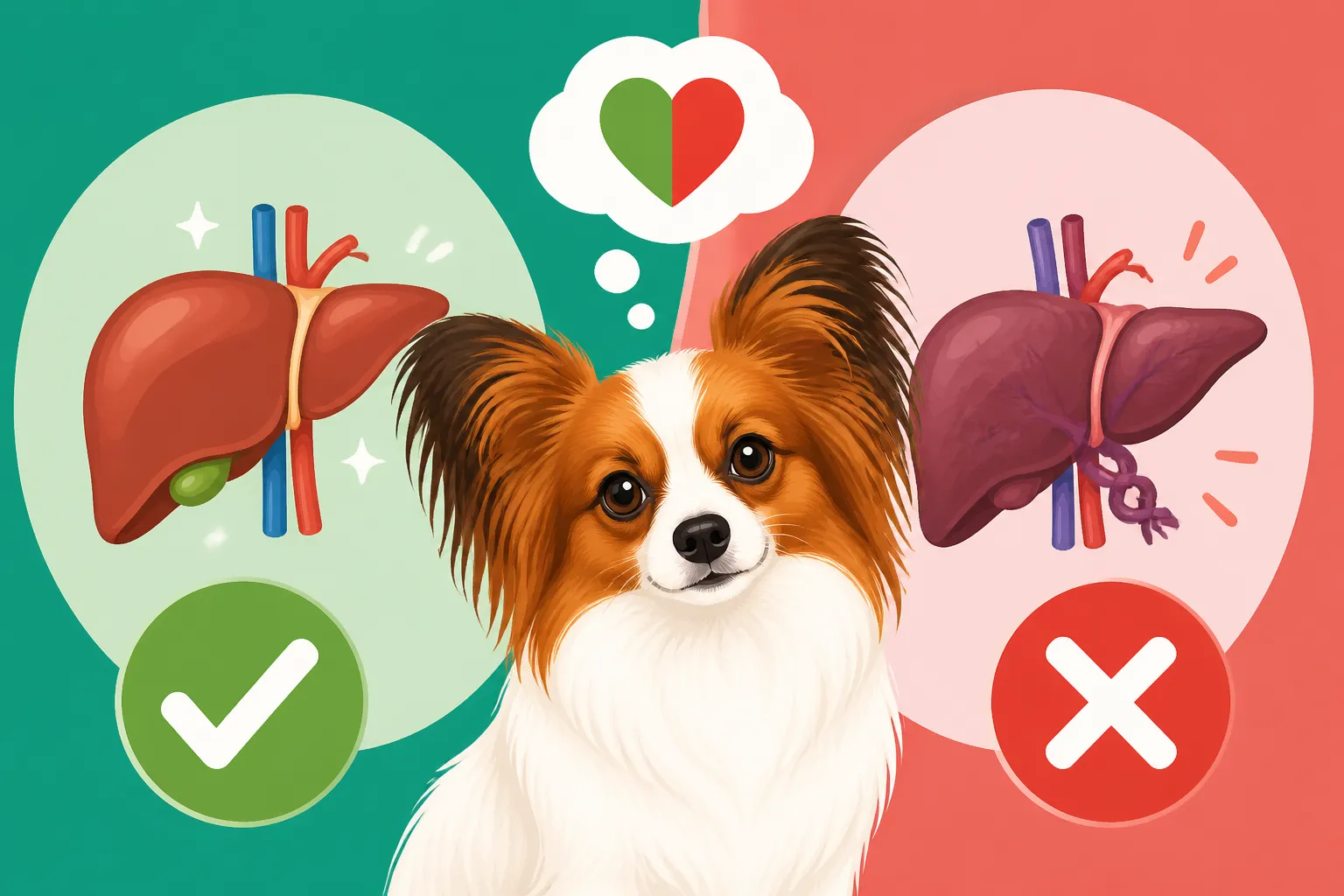
In a normal, healthy dog, blood from the digestive system, pancreas, and spleen is sent directly to the liver via the portal vein. The liver then acts as a crucial processing center, filtering out toxins like ammonia (a byproduct of protein digestion), metabolizing nutrients, and performing countless other functions before the "cleaned" blood continues to the heart. A portosystemic shunt is essentially a bypass. It's an abnormal blood vessel that allows blood to detour around the liver instead of flowing through it. This means that nutrient-rich, but also toxin-laden, blood from the intestines goes straight into the general circulation, completely bypassing the liver’s critical filtration processes.
The consequences of this bypass can be severe. Toxins build up in the bloodstream, affecting various organs, especially the brain. The liver itself also suffers because it’s not receiving the nutrient-rich blood it needs to grow and function correctly, often leading to a smaller, underdeveloped liver. It’s a bit like having a plumbing system where the dirty water goes straight back into the clean water supply without ever hitting the treatment plant.
Congenital vs. Acquired Shunts
Liver shunts aren't a one-size-fits-all problem; they come in a couple of different forms, which are important for diagnosis and treatment.
Congenital Shunts: These are the kind of shunts that a puppy is born with. They develop due to a malformation during fetal development, meaning the abnormal vessel is present from day one. Congenital shunts are most commonly found in purebred dogs, and they can be either extrahepatic or intrahepatic. Extrahepatic shunts are located outside the liver and are more common in smaller breeds. Intrahepatic shunts, as the name suggests, are found inside the liver itself and are often seen in larger breeds. For smaller dogs like Papillons, if a congenital shunt is present, it's typically the extrahepatic type. These congenital shunts are usually single, meaning there's just one abnormal vessel causing all the trouble.
Acquired Shunts: These shunts develop later in a dog’s life, and they’re almost always a secondary problem, a consequence of severe, chronic liver disease. When the liver is very sick (perhaps from cirrhosis or fibrosis) and blood flow through it becomes restricted, the body tries to find alternative routes for blood to get to the heart. This leads to the development of multiple, often smaller, abnormal vessels to bypass the compromised liver. These are called multiple acquired extrahepatic shunts. Unlike congenital shunts, which are often correctable with surgery, acquired shunts usually signify a much more advanced and challenging underlying liver condition, making treatment focused primarily on managing symptoms and improving comfort.
Papillons and Liver Shunts: The Genetic Angle
When you bring a Papillon into your life, you're embracing a breed known for its vitality and generally robust health. However, like all purebred dogs, Papillons can be predisposed to certain conditions. So, do these elegant little "butterfly dogs" have to worry about liver shunts? The short answer is yes, they can get them, but they aren't typically listed among the breeds at the highest risk, like Yorkshire Terriers or Maltese.
Breed Predisposition and Inheritance
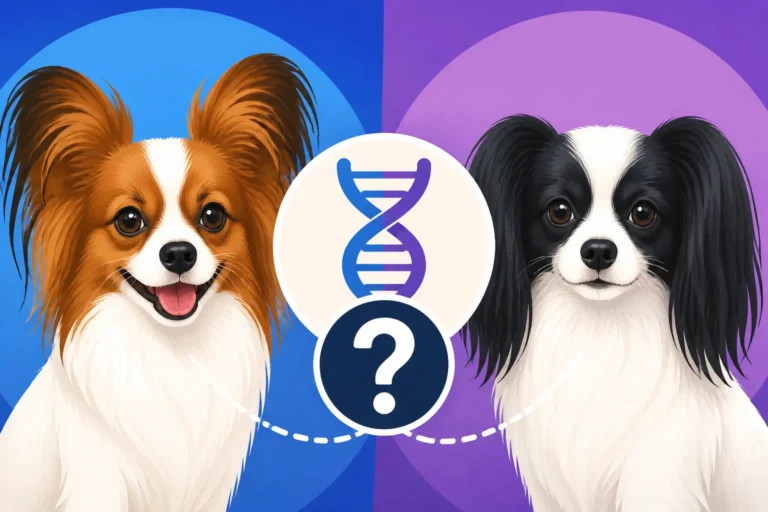
While specific breeds like the Yorkshire Terrier, Miniature Schnauzer, and Cairn Terrier are famously overrepresented when it comes to congenital portosystemic shunts, Papillons are generally considered to be at a lower, but still present, risk compared to the general canine population. It's not as common a Papillon problem as, say, patellar luxation, but it's not unheard of either. The genetic component is significant for congenital shunts; they are often inherited, meaning a puppy gets the faulty genes from its parents. This is why reputable breeders are so crucial – they should be aware of health issues in their lines and make responsible breeding choices. Knowing What a Papillon Breeder Should Have Tested can help you ensure you're getting a puppy from a responsible source.
Research into canine genetics continues to evolve, and while a specific "Papillon liver shunt gene" hasn't been widely identified in the way some other breed-specific conditions have, the general understanding is that small breeds, due to their genetic makeup and evolutionary pathways, have a higher statistical chance of presenting with extrahepatic shunts. It's a concern that every small dog owner should be aware of, even if their specific breed isn't topping the "most affected" lists.
Why Small Breeds are Often Affected
It might seem counterintuitive that a tiny dog would be more prone to a complex vascular anomaly like a liver shunt, especially an extrahepatic one. However, studies have shown a clear correlation between smaller size and the incidence of congenital extrahepatic shunts. The exact reasons are still being fully explored, but it's thought to involve developmental quirks in their smaller anatomy.
During fetal development, certain vessels that bypass the liver are normal and necessary. After birth, these vessels are supposed to close off as the puppy transitions to independent liver function. In some smaller breeds, there might be a genetic predisposition for these vessels to fail to close properly, or for other abnormal vessels to persist or form outside the liver. This developmental hiccup seems to happen more frequently in the genetic lines of certain smaller breeds. For example, some breeds might have more "fragile" developmental pathways for these vessels or slight anatomical variations that make complete closure less likely. It's a complex interplay of genetics and embryonic development, and it means that while your Papillon might seem perfectly robust, they carry the same general small-breed predisposition as many of their tiny cousins.
Recognizing the Signs of a Liver Shunt in Your Papillon
Spotting a liver shunt can be tricky because the symptoms can be vague, mimic other conditions, and often fluctuate. The key is to be highly observant of your Papillon's behavior and overall health, especially after meals. Because the liver isn't doing its job of detoxifying, the symptoms you see are often related to the buildup of toxins in the bloodstream, particularly affecting the brain and nervous system.
Neurological Symptoms
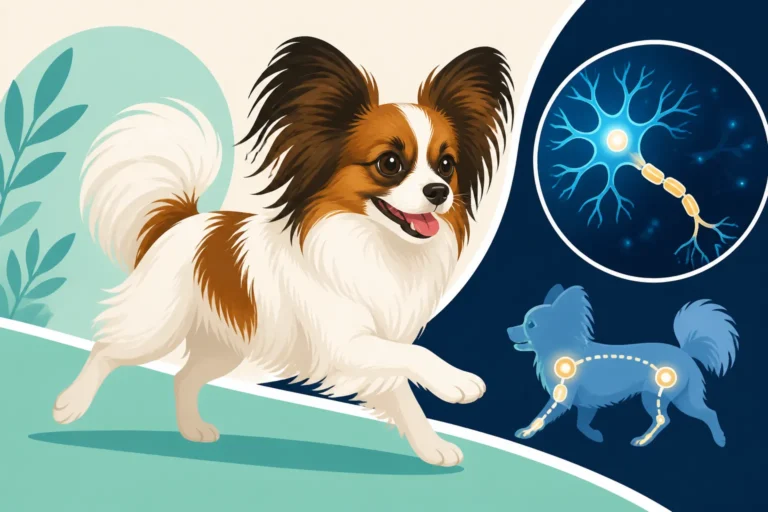
One of the most concerning and hallmark signs of a liver shunt relates to the central nervous system. When ammonia and other toxins aren't filtered out by the liver, they can cross the blood-brain barrier and wreak havoc, leading to a condition called hepatic encephalopathy. These symptoms often worsen after a protein-rich meal because protein digestion produces more ammonia.
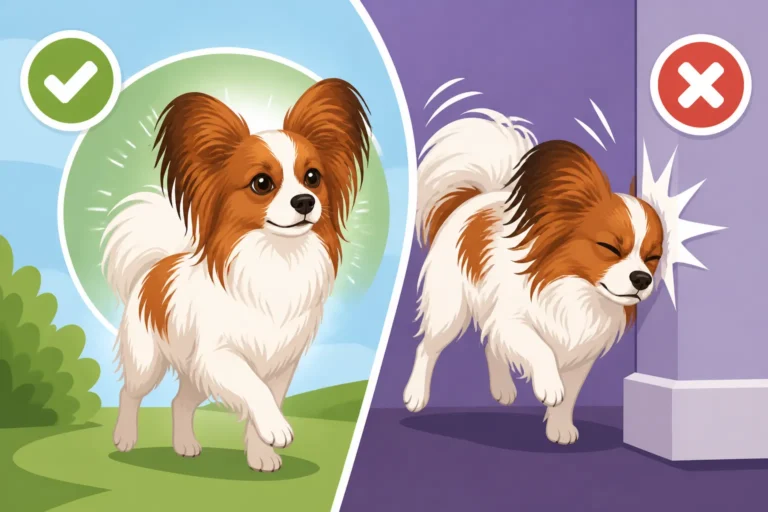
You might notice your typically bright and alert Papillon becoming disoriented, confused, or even appearing "drunk." They might stare blankly into space, press their head against walls or furniture, or wander aimlessly. Seizures are also a serious possibility, ranging from subtle twitching to full-blown grand mal seizures. Other neurological signs can include general weakness, lethargy, poor coordination (ataxia), or even temporary blindness. It can be heartbreaking to see your usually intelligent and agile companion struggle with these issues, sometimes appearing totally different from their usual self. If you see signs of confusion or disorientation, it's crucial to seek veterinary attention immediately. These signs can sometimes be mistaken for other issues, like hypoglycemia in puppies, which also warrants immediate attention. If you're wondering Whether a Papillon Gets Hypoglycemia as a Puppy, it's important to remember that some symptoms can overlap, making a vet visit essential for accurate diagnosis.
Gastrointestinal and Urinary Signs
Beyond the brain, a liver shunt impacts the digestive and urinary systems, leading to a host of other symptoms. Papillons with shunts often have a poor appetite, which can result in stunted growth and a generally sickly appearance, especially as puppies. They might experience intermittent vomiting or diarrhea, sometimes without a clear cause. Their overall "thrive" factor just isn't there.
Another tell-tale sign that might show up in a urinalysis is the presence of ammonium biurate crystals or even stones in the bladder. Because the liver isn't processing ammonia correctly, it gets excreted through the kidneys, leading to these distinctive crystals. This can cause frequent urination, straining to urinate, or even blood in the urine. Your Papillon might drink more water than usual, trying to flush out the excess toxins, which leads to increased urination. This combination of gastrointestinal upset and urinary changes, especially in a young or small dog, should raise a red flag for a liver shunt.
General Health Indicators
Beyond the more specific neurological and gastrointestinal signs, there are several general health indicators that might suggest a liver shunt in your Papillon. These puppies often fail to grow at a normal rate, remaining significantly smaller than their littermates, or failing to gain weight despite adequate food intake. Their coat quality might be poor – dull, dry, and perhaps prone to breaking, lacking the silky sheen characteristic of a healthy Papillon.
They might also exhibit excessive thirst (polydipsia) and urination (polyuria) as their kidneys try to cope with the increased toxic load. Overall, they just won't seem as vibrant or energetic as a typical Papillon puppy or young adult. They might be lethargic, sleep a lot, and show less interest in play than you'd expect from such a lively breed. This general "failure to thrive" coupled with any of the neurological or GI symptoms should prompt a serious discussion with your veterinarian about potential liver issues. It's a situation where early intervention truly makes a difference.
Diagnosing a Liver Shunt in Papillons
If you suspect your Papillon might have a liver shunt based on the symptoms you've observed, getting an accurate diagnosis from your veterinarian is the absolute next step. This process usually involves a series of tests, starting with the less invasive and progressing to more specialized diagnostics to confirm the presence and type of shunt. This can be a costly process, and many owners find themselves relieved to have pet insurance like Healthy Paws to help cover the expense of comprehensive diagnostic workups.
Initial Blood Tests and Urinalysis
Your vet will likely start with a complete blood count (CBC) and a biochemistry panel, along with a urinalysis. While these tests aren't definitive for a shunt, they can provide clues. In a Papillon with a liver shunt, you might see abnormalities like mildly elevated liver enzymes (though sometimes they can be normal or even low), low blood urea nitrogen (BUN) because the liver isn't converting ammonia into urea efficiently, and low albumin (a protein produced by the liver). Red blood cells can sometimes be microcytic, meaning smaller than normal.
The urinalysis is also very important. As mentioned earlier, the presence of ammonium biurate crystals in the urine is a strong indicator of a liver shunt. These crystals are not always present, but when they are, they significantly increase the suspicion of a PSS. These initial tests help the vet narrow down possibilities and decide which advanced tests are needed. Regularly What a Papillon's Yearly Bloodwork Should Cover may catch some of these subtle changes before symptoms become severe.
Bile Acid Tests: A Key Indicator
If the initial blood work and urinalysis raise suspicion, the next critical step is often a bile acid stimulation test. This test is considered one of the most reliable non-invasive screening tools for liver shunts and other liver diseases. Here’s how it works: your Papillon will have a blood sample taken after a 12-hour fast (the "pre-prandial" sample). Then, they'll be given a small meal. Two hours after eating, a second blood sample (the "post-prandial" sample) is taken.
In a healthy dog, the liver processes bile acids after a meal, so the post-prandial levels should be significantly higher than the pre-prandial levels, but still within a normal range. With a liver shunt, because the blood is bypassing the liver, the liver can't properly reabsorb and process the bile acids. This leads to extremely high bile acid levels in the post-prandial sample. It's a pretty strong indicator that there's a problem with blood flow to the liver. This is such a crucial test, and it’s one that a responsible breeder might even perform on puppies if there’s a concern in their line, showing that they take Whether a Papillon Puppy's Bile Acids Should Be Checked seriously.
Advanced Imaging Techniques
Once the bile acid test points strongly to a shunt, your vet will want to confirm its presence and exact location, which is vital for surgical planning. This requires advanced imaging.
Ultrasound: A skilled veterinary radiologist can often visualize the abnormal vessel(s) with an abdominal ultrasound. This non-invasive procedure uses sound waves to create images of the internal organs. It can help determine if the shunt is extrahepatic (outside the liver) or intrahepatic (inside the liver), and if there's one shunt or multiple. However, the exact identification can be challenging, especially for smaller or intrahepatic shunts, and requires significant expertise.
CT Angiography (CTA) or MRI: These are often considered the gold standard for definitive diagnosis and precise surgical planning. During a CTA, a contrast dye is injected into the bloodstream, and then a computed tomography (CT) scan is performed. The dye highlights the blood vessels, allowing the veterinary team to create a highly detailed, 3D map of the shunt, showing its exact origin and termination. Magnetic Resonance Imaging (MRI) can also be used, providing excellent soft tissue detail. These procedures require general anesthesia, and it's essential for your Papillon to undergo Whether a Papillon Needs a Pre Anesthetic Exam to ensure they are a good candidate for the procedure. The cost for these advanced diagnostics can be substantial, which is where having good pet insurance like Healthy Paws can truly alleviate financial stress.
Managing and Treating Liver Shunts
Receiving a diagnosis of a liver shunt in your Papillon can be overwhelming, but it’s important to remember that there are treatment options available. The approach taken will depend on several factors, including the type of shunt, its location, your dog's overall health, and your financial situation. Generally, treatment involves either medical management or surgical intervention.
Medical Management: Diet and Medication
Medical management is often the first step, especially to stabilize a Papillon before surgery or as a long-term solution if surgery isn't an option. The primary goal of medical management is to reduce the production and absorption of toxins, particularly ammonia, and to support liver function.
This typically involves a special diet that is moderately protein-restricted. High protein diets produce more ammonia, so reducing it helps lessen the toxic load. Your vet might recommend a prescription hepatic diet designed for dogs with liver disease. Alongside diet, medications are crucial. Lactulose is a common medication that works in two ways: it helps reduce the absorption of ammonia from the gut by making the colon more acidic, and it acts as a mild laxative to help toxins pass through the system more quickly. Antibiotics, like metronidazole or amoxicillin, might also be prescribed to reduce the "bad" bacteria in the intestines that produce ammonia. These medications and dietary changes can significantly improve symptoms and quality of life for your Papillon, but they are generally a management strategy, not a cure.
Surgical Intervention: When it's Necessary
For many dogs with a single congenital shunt (especially extrahepatic shunts, which are common in small breeds like Papillons), surgery offers the best chance for a cure and a normal lifespan. The goal of surgery is to close off or attenuate (partially close) the abnormal blood vessel, forcing blood to flow through the liver as it should.
Surgical techniques include direct ligation (tying off the shunt), or more commonly, the use of ameroid constrictors or cellophane banding. An ameroid constrictor is a C-shaped ring made of casein (a milk protein) that is placed around the shunt. Over several weeks, the casein absorbs body fluids and slowly swells, gradually closing the shunt. This slow closure allows the liver time to adapt to the increased blood flow. Cellophane banding works similarly; a piece of cellophane is wrapped around the shunt and causes gradual scar tissue formation, slowly closing the vessel. These gradual occlusion methods are preferred as they minimize the risk of portal hypertension (a sudden dangerous increase in blood pressure within the portal vein system) that can occur with immediate complete ligation. Surgery, especially in a small dog, requires a skilled veterinary surgeon and careful anesthetic monitoring, given that Anesthesia and a Five Pound Papillon can be particularly sensitive. Post-operative care is also critical for success.
Post-Surgery Care and Prognosis
After shunt surgery, your Papillon will require careful monitoring and recovery. This typically involves several days in the veterinary hospital, followed by weeks or months of diligent care at home. Medications like lactulose and antibiotics might be continued for a period, and a special diet may still be recommended, at least initially. Regular follow-up blood tests, including bile acid stimulation tests, will be performed to ensure the shunt has successfully closed and liver function is improving.
The prognosis for surgically corrected extrahepatic shunts is generally very good, with many dogs going on to live full, normal lives free of symptoms. Some dogs may still require dietary management or occasional medication. Intrahepatic shunts are more complex to repair and carry a higher risk of complications, so their prognosis can be more guarded. Acquired shunts, as they are typically a sign of severe underlying liver disease, are rarely amenable to surgical correction, and treatment focuses on palliative care and medical management. The commitment required for post-operative care is significant, but seeing your Papillon return to their playful, energetic self is incredibly rewarding.
Living with a Papillon Diagnosed with a Liver Shunt
A diagnosis of a liver shunt, whether it leads to surgery or lifelong medical management, fundamentally changes the care routine for your Papillon. It becomes a journey of careful observation, consistent treatment, and a deep understanding of your dog’s unique needs.
Quality of Life and Ongoing Care
If your Papillon undergoes successful surgery for a congenital shunt, the hope is for a full recovery and excellent quality of life. You'll still need to be vigilant for any returning symptoms and adhere to your vet's recommendations for follow-up testing. Some dogs might need to stay on a special diet or medication long-term, but many can eventually transition back to a normal, high-quality dog food. The key is regular check-ups with your vet, especially in the first year post-surgery. These appointments might include What a Papillon's Yearly Bloodwork Should Cover, to monitor liver values and ensure all is well.
For Papillons managed medically (either due to a non-surgical shunt or as a temporary measure), the focus is entirely on maintaining the best possible quality of life. This means strict adherence to the prescribed diet and medications, and a keen eye for any signs of hepatic encephalopathy or other symptoms. You'll need to learn your dog's triggers and avoid them, whether it's certain foods or stressful situations. While medical management can extend life and improve comfort, it usually doesn't offer a cure, and the long-term prognosis is generally more guarded than with successful surgery. However, with dedicated care, many Papillons can still enjoy many happy months or even a few years.
The Emotional Toll on Owners
Let’s be honest, dealing with a serious health condition like a liver shunt in your beloved Papillon isn't just a physical battle for your dog; it's an emotional marathon for you, the owner. The initial worry and fear of the unknown, the stress of diagnostic tests and their costs – which can easily climb into the thousands of dollars, making pet insurance like Healthy Paws a lifesaver for many families – and then the decision-making around treatment can be incredibly draining.
If surgery is chosen, there’s the anxiety of the procedure itself, especially for a small dog, and the intense recovery period. If medical management is the only option, it can feel like a constant balancing act, trying to keep symptoms at bay and wondering how much time you truly have. It's okay to feel overwhelmed, sad, or frustrated. Connecting with support groups, whether online or locally, can provide invaluable emotional support and practical advice from others who have walked a similar path. Remember, your Papillon is relying on you, and taking care of your own well-being is part of being a good pet parent. The love and dedication you show your Papillon through these challenges are truly what makes all the difference, helping them live their best possible life, no matter the circumstances.
Comparison of Symptoms with Other Papillon Health Issues
To help illustrate how liver shunt symptoms can sometimes overlap with or be distinguished from other common Papillon health concerns, here's a table comparing some key indicators. This isn't exhaustive, but it highlights why a veterinary diagnosis is so important.
| Symptom/Condition | Liver Shunt | Hypoglycemia (Puppy) | Patellar Luxation | Advanced Dental Disease |
|---|---|---|---|---|
| Neurological | Disorientation, seizures, head pressing, lethargy, ataxia, blindness (worse after eating) | Weakness, trembling, lethargy, collapse, seizures (often before meals or after exertion) | None directly | None directly, but pain can cause lethargy |
| Growth/Weight | Stunted growth, failure to thrive, poor weight gain | Episodes of weakness, but may grow normally between | Generally normal growth and weight | Weight loss due to pain/difficulty eating |
| Gastrointestinal | Vomiting, diarrhea, poor appetite | Poor appetite during episodes | None directly | Reluctance to eat, bad breath, drooling |
| Urinary | Ammonium biurate crystals, increased urination | Normal | None directly | None directly |
| Pain/Discomfort | Variable, often related to systemic unwellness | Lethargy, weakness | Skipping, lameness, crying out when moving | Oral pain, pawing at mouth |
| Coat Quality | Dull, poor coat | Normal | Normal | Normal |
| Onset | Congenital (puppy/young adult) or acquired (older) | Puppyhood | Can appear in puppyhood, often progresses with age | Often later in life, but tartar builds early |
| Trigger | Protein-rich meals often worsen neurological signs | Missed meals, strenuous activity | Jumping, sudden movements | None, but eating makes pain worse |
This table underscores why a thorough veterinary examination and diagnostic testing are essential when your Papillon shows unusual symptoms. Many conditions can present with similar general signs, and accurate diagnosis is the only path to effective treatment. Understanding conditions like What Patellar Luxation Does to a Papillon or Whether a Papillon Gets Hypoglycemia as a Puppy can help you differentiate, but a vet is always the best resource.
Disclaimer
This article is intended for informational purposes only and does not constitute veterinary advice. Always consult with a qualified veterinarian for any health concerns or before making any decisions about your pet's health or treatment.