Whether a Papillon Bleeds After a Dental
It's truly alarming to bring your tiny Papillon home after a dental procedure, expecting a happy, healthier pup, only to notice a tinge of red in their mouth or on their bedding. This guide is here to walk you through what's normal, what's not, and exactly how to respond if your precious Papillon shows signs of bleeding after their much-needed dental work. We'll cover everything from minor oozing to more serious concerns, ensuring you feel prepared and empowered to care for your little butterfly dog.
Understanding Why Your Papillon Might Bleed After a Dental
Dental cleanings and extractions, while crucial for your Papillon's overall health and comfort, are still surgical procedures. It's completely natural for there to be some degree of bleeding or oozing afterward, especially if your little one had any teeth removed. The key is knowing what falls within the realm of normal post-operative healing and when to be genuinely concerned.
Normal Post-Procedure Oozing Versus Concerning Bleeding
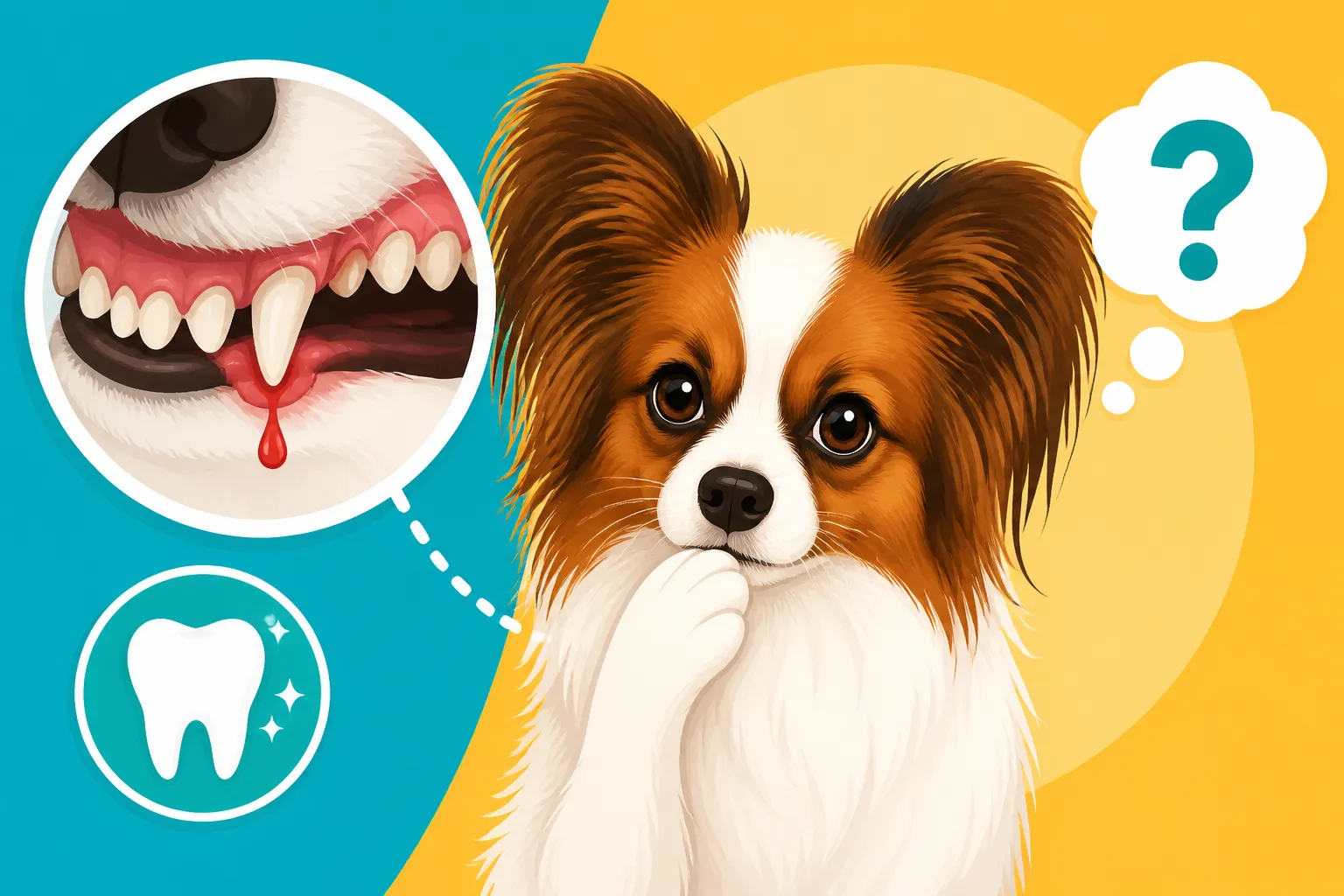
After any dental work, particularly if extractions were performed, you might notice some very light bleeding or pink-tinged saliva. This isn't usually cause for alarm. Think of it like when you brush your own gums a little too hard – a tiny bit of pink in the sink is just superficial. In your Papillon, this might manifest as a faint streak on their toys, a slight discoloration in their water bowl, or a small spot on their bedding. It should be minimal, intermittent, and tend to decrease steadily over the first 12-24 hours. Their gums are simply healing from the instrumentation used during cleaning or the minor trauma of extractions.
However, concerning bleeding is different. This is when you see active, steady drips of blood, blood clots forming in the mouth, or excessive bright red blood that doesn't seem to stop. If you notice a significant amount of blood soaking through gauze, pooling in their mouth, or making them gag, it's definitely time to take action. Sometimes, the blood can mix with saliva and look like a lot more than it is, creating a frightening image. Gently wipe their mouth with a clean, damp cloth to get a clearer picture of the actual quantity of blood present. A useful tool for understanding your Papillon's unique oral structure is exploring The Teeth in a Papillon's Small Jaw, which often contributes to dental issues requiring such procedures.
The Role of Extractions in Post-Dental Bleeding
When a Papillon undergoes a dental procedure, it's often not just a cleaning. Due to how How Common Dental Disease Is in Papillons is, many small dogs require extractions. If your vet had to pull any teeth, expect a bit more visible evidence of blood. Each extraction site is essentially a small wound, and it will likely have sutures (stitches) placed to help close the gum tissue and protect the exposed bone. These sutures are designed to be dissolvable, but they also serve to hold everything in place and minimize bleeding.
It's common for these extraction sites to ooze a small amount for the first day or two. You might see a fine, reddish line along the gumline where the tooth used to be, or a faint pinkness around the sutures themselves. This is part of the normal healing process. The vet will usually send your Papillon home with specific instructions for managing extraction sites, which often includes avoiding hard foods or toys that could dislodge clots or sutures. Pay close attention to these instructions; they are key to a smooth recovery and preventing excessive bleeding.
Factors That Can Increase Bleeding Risk
Several factors can increase the likelihood of your Papillon experiencing more than just normal oozing after a dental. One significant concern in dogs, including Papillons, is an underlying clotting disorder. Von Willebrand Disease, for example, is a genetic bleeding disorder that can lead to excessive bleeding, even from minor wounds. While it's more common in some larger breeds, it can affect any dog, and a breeder should ideally test for it. This is why a thorough pre-anesthetic workup is so important, which we'll discuss later.
Certain medications can also thin the blood, increasing bleeding risk. If your Papillon is on any long-term medications, it's absolutely vital to disclose this to your veterinarian well in advance of the dental procedure. Even some supplements can have blood-thinning effects. Lastly, severe dental disease itself, with extensive inflammation and infection, can make tissues more fragile and prone to bleeding during and after the procedure. Dogs with significant inflammation might bleed a bit more because the tissues are already compromised. Understanding Anesthesia and a Five Pound Papillon also includes recognizing how certain health conditions can impact the procedure and recovery.
What to Do If Your Papillon Is Bleeding
Finding your tiny Papillon bleeding from their mouth after a dental can be incredibly distressing. Your first instinct might be panic, but taking a deep breath and knowing the right steps can make all the difference for your pet's comfort and safety.
Immediate First Aid at Home
If you notice more than just a faint pink tinge and suspect actual bleeding, the first step is to apply gentle, direct pressure to the bleeding area. You can do this by taking a clean piece of gauze or a soft, clean cloth (like a paper towel) and placing it over the bleeding site. Then, gently but firmly press on the outside of your Papillon's muzzle, holding the gauze in place from the inside. Try to maintain this pressure for at least 5-10 minutes without peeking. Repeatedly lifting the gauze to check will disrupt any clot that's trying to form.
During this time, keep your Papillon calm and quiet. Avoid letting them chew on anything, drink excessively, or get overexcited, as all of these activities can dislodge forming clots. Keep them in a comfortable, confined space. If the gauze becomes saturated, replace it with a fresh piece, but try to keep pressure consistent. It's also a good idea to monitor their gum color and overall demeanor. Pale gums could indicate significant blood loss, which is a serious emergency. While waiting, remember that sometimes a little blood looks like a lot, so try to assess the actual volume before panicking.
When to Contact Your Veterinarian
If the bleeding doesn't significantly slow down or stop after 10-15 minutes of direct pressure, or if it appears to be heavy and continuous from the start, it's definitely time to contact your veterinarian immediately. Don't wait. Even if it's after hours, your vet should have an emergency contact number or refer you to an emergency veterinary clinic. Describe exactly what you're seeing: the amount of blood, how long it's been bleeding, and whether your Papillon seems otherwise affected (e.g., lethargic, weak).
It's always better to err on the side of caution. A quick phone call can help you determine if a trip to the emergency vet is necessary or if your vet can provide further instructions over the phone. They might advise you to come in for an examination, where they can apply a stronger clotting agent, add more sutures, or address any underlying issues. Having pet insurance, perhaps a plan from a provider like Healthy Paws, can certainly alleviate some of the financial stress associated with unexpected emergency visits, allowing you to focus purely on your pet's well-being. Knowing What a Papillon's Dental Costs might make you realize the value of such coverage for not just the procedure itself, but potential complications too.
Post-Dental Care to Minimize Bleeding
To help prevent excessive bleeding and promote proper healing, adherence to your vet's post-dental care instructions is paramount. This typically includes a period of soft food only, often for 7-10 days, to avoid irritating extraction sites or dislodging clots. Feeding a gruel-like consistency or mixing wet food with water can make it easier for your Papillon to eat without chewing extensively. You might also be given pain medication and antibiotics to manage discomfort and prevent infection, both of which can indirectly affect healing and bleeding.
For the first few days, limit strenuous activity, jumping, and rough play. Excessive movement can increase blood pressure and disturb healing tissues. Keep your Papillon on a leash for potty breaks to prevent them from dashing off. Avoid giving them hard chew toys, bones, or anything that could irritate their mouth. Even brushing their teeth needs to wait until the vet gives the all-clear, usually a week or two post-op. In the meantime, gentle wiping with a warm, damp cloth around the mouth can help keep it clean without disturbing sensitive areas.
| Sign | Normal Oozing (Typical) | Concerning Bleeding (Seek Vet Care) |
|---|---|---|
| Appearance of Blood | Pink-tinged saliva, faint streaks | Steady drips, active pooling, clots |
| Volume | Very small, superficial | Moderate to heavy, persistent |
| Duration | Intermittent, decreases in 12-24 hrs | Continuous, doesn't stop with pressure |
| Gum Color | Normal pink | Pale or white |
| Papillon's Demeanor | Alert, eating, comfortable | Lethargic, weak, distressed, gagging |
| Response to Pressure | Slows down or stops quickly | Continues despite pressure |
Preventing Excessive Bleeding: Pre-Dental Preparations
Prevention truly is the best medicine, and this holds especially true for dental procedures and the potential for bleeding complications. Proactive measures before your Papillon even goes under anesthesia can significantly reduce risks.
Pre-Anesthetic Bloodwork and Clotting Panels
One of the most crucial steps your veterinarian takes to ensure a safe dental procedure for your Papillon is performing comprehensive pre-anesthetic bloodwork. This isn't just about checking kidney and liver function; it also includes a complete blood count (CBC) to assess red blood cells, white blood cells, and platelet count. Platelets are tiny cells vital for blood clotting, and a low count can be a major red flag for bleeding issues. Many vets also recommend a clotting panel (also known as a coagulation panel), which specifically measures how well your Papillon's blood clots. This test evaluates various factors in the clotting cascade, giving a clearer picture of their ability to stop bleeding.
For breeds like Papillons, who are generally healthy but can have predispositions, this detailed bloodwork is non-negotiable. Knowing Whether a Papillon Needs a Clotting Panel Before Surgery is important, as it helps the vet identify any hidden issues that could lead to excessive bleeding. If any abnormalities are found, your vet can then take appropriate precautions, such as administering clotting agents before surgery or altering the anesthetic protocol. This investment in thorough diagnostics, understanding [What Pre-Dental Bloodwork Costs for a Papillon], is a small price to pay for your beloved pet's safety.
Discussing Health History with Your Vet
Before any surgical procedure, an honest and comprehensive discussion about your Papillon's full health history with your veterinarian is absolutely critical. Don't hold back any information, even if it seems minor or unrelated. This includes any previous instances of excessive bleeding (even from small cuts or nail trims), unusual bruising, or if they've ever had problems healing from wounds. Mention any medications, supplements, or even specialized diets they are on. For instance, some holistic supplements contain ingredients that can thin the blood.
If you adopted your Papillon, try to gather as much history as possible from the previous owner or rescue organization. This information helps your vet anticipate potential issues, especially if there's a family history of conditions like Von Willebrand Disease or other bleeding disorders. Being transparent allows your vet to make the most informed decisions about the safest way to proceed with the dental cleaning and any necessary extractions. Consider the importance of understanding What a Papillon's Yearly Bloodwork Should Cover as part of this ongoing dialogue with your vet.
The Importance of Regular Home Dental Care
While we're talking about bleeding after a dental, it's worth a moment to stress how important regular home dental care is in preventing the need for extensive, invasive dental procedures in the first place. The more diligently you brush your Papillon's teeth at home, the less plaque and tartar will build up, and the less likely they are to develop severe periodontal disease that necessitates multiple extractions. Fewer extractions mean a reduced risk of significant post-operative bleeding.
Getting into a routine of daily tooth brushing with dog-specific toothpaste, starting when your Papillon is a puppy, can make a huge difference over their lifespan. Think of it: regular home care, combined with professional cleanings as needed, can significantly reduce the number of times your Papillon needs to undergo surgery with extractions. This not only minimizes bleeding risks but also saves your wallet in the long run. Learn more about How Often a Papillon Needs a Dental Cleaning and how consistent home care can make those professional visits much less involved. Pet insurance plans, like those offered by Healthy Paws, often encourage and sometimes even offer wellness riders that cover routine dental care, highlighting its importance.
Managing Your Papillon's Recovery: Long-Term Considerations
Bringing your Papillon home after a dental procedure is just the beginning of their recovery journey. Proper care and watchful observation in the days and weeks following are essential for ensuring a smooth, full return to health, and for preventing future complications.
Nutrition and Comfort During Healing
For the first week or two post-dental, your Papillon's diet will likely need to be adjusted to soft foods. This is especially true if they had extractions. Hard kibble or crunchy treats can irritate sensitive gum tissue, dislodge blood clots, or even pull out sutures, leading to renewed bleeding and discomfort. Offer moistened kibble, canned dog food, or a homemade soft diet (like boiled chicken and rice, approved by your vet) in small, frequent meals. Some Papillons, especially after major extractions, might be hesitant to eat due to soreness. Offering palatable, soft options can encourage them to get the nutrition they need for healing.
Ensuring your Papillon is comfortable is also key. Provide a quiet, warm, and easily accessible resting place. Avoid letting them jump on or off furniture, as this can cause jarring movements that might impact their healing mouth. If your Papillon typically sleeps in your bed, consider providing doggy stairs or a ramp to prevent accidental jumps. Keep their water bowl full and accessible, but ensure they aren't gulping water too aggressively, which could irritate extraction sites. Many Papillons are prone to issues like Why a Papillon's Jaw Crowds Its Teeth, making diligent post-operative care even more crucial for their tiny mouths.
Recognizing Signs of Complications
Beyond bleeding, it's important to be vigilant for other signs of complications during your Papillon's recovery. Infection is a concern with any oral surgery. Watch for foul breath (beyond the typical post-dental smell), swelling around the mouth or face, reluctance to eat even soft food, lethargy, or a fever. A small amount of swelling is normal after extractions, but if it's rapidly increasing or accompanied by pus, contact your vet. Persistent pain, indicated by whimpering, pawing at the mouth, or refusal to be touched around the face, also warrants a call.
Another thing to watch for is a general decline in energy or appetite that doesn't resolve within a day or two. While some lethargy is normal due to anesthesia, a sustained lack of interest in food or play could signal an issue. If your Papillon seems unusually quiet, withdrawn, or unwilling to engage, it's worth checking in with your veterinarian. Remember, your vet team is your best resource during recovery, and they'd rather you call with a question than let a potential problem escalate. For older Papillons, extra attention is needed, and guides like Caring for a Papillon Past Eleven can offer broader insights into managing their health needs.
Planning for Future Dental Health
Once your Papillon has fully recovered, the focus should shift to maintaining their oral health long-term to prevent a recurrence of severe dental disease. This means establishing a consistent home dental care routine, ideally daily brushing. Your vet can show you the proper technique and recommend dental-specific toothbrushes and enzymatic toothpaste. There are also dental chews, water additives, and specialized diets that can help reduce plaque and tartar, though they are usually supplemental to brushing, not a replacement.
Regular veterinary check-ups are also crucial. Your vet will assess your Papillon's teeth and gums during their annual wellness exams, advising you on when the next professional cleaning might be necessary. Some Papillons, due to their genetics or specific mouth structure, may need cleanings more frequently than others. By combining diligent home care with regular professional oversight, you can significantly prolong the health and comfort of your Papillon's mouth, ensuring they live a happy life without the constant threat of painful dental disease. After all, ensuring a good How Long a Papillon Lives often comes down to proactive health management. Investing in pet insurance like Healthy Paws can support these ongoing preventative and necessary dental care needs, providing peace of mind for the long haul.
Disclaimer
This article is intended for informational purposes only and does not constitute veterinary advice. Always consult with a qualified veterinarian for any health concerns or before making any decisions about your pet's medical care.