Whether a Papillon Needs a Clotting Panel Before Surgery
It's incredibly stressful when your beloved Papillon needs surgery, no matter how routine the procedure might seem. The worry of anesthesia alone is enough to keep us up at night, but then there's the whole concern about potential complications, especially when you think about your little dog bleeding. It’s a very real and valid fear, and it leaves many of us wondering if there's more we should be doing to ensure their safety. This guide will walk you through the specifics of clotting panels, why they matter for a small breed like the Papillon, and when they become an absolute must before any surgical procedure.
Understanding the Risks: Why Small Dogs Need Extra Scrutiny
When it comes to our pint-sized Papillons, everything feels a little more delicate, a little more precious. Their tiny bodies, while robust for their size, do present some unique considerations when facing something as invasive as surgery. It's not just about their size; it's about their physiology, and how these small systems handle the stresses that a larger dog might navigate with fewer visible concerns.
Anesthesia Sensitivity in Toy Breeds
One of the biggest anxieties for any Papillon owner contemplating surgery is the anesthesia itself. There's a persistent, and somewhat justified, worry that these small dogs are more sensitive to anesthetic agents than their larger counterparts. This isn't just an old wives' tale; it's rooted in physiological differences. Smaller dogs have a higher metabolic rate, which can affect how quickly they process and eliminate drugs. They also have a larger surface area to volume ratio, making them more prone to hypothermia during anesthesia, which can complicate recovery.
Moreover, their small size means dosages must be meticulously calculated – a tiny miscalculation can have significant consequences. It’s why your vet will likely recommend comprehensive pre-anesthetic bloodwork to ensure their organs are functioning optimally to metabolize these drugs safely. This careful approach is crucial to minimize risks and ensure a smooth procedure, and it's part of why discussions about topics like Anesthesia and a Five Pound Papillon are so common among owners. The more information your vet has about your Papillon's internal workings, the better they can tailor their approach, from drug choice to monitoring protocols.
General Bleeding Concerns in Surgery
Beyond the anesthesia, any time a scalpel is involved, there's an inherent risk of bleeding. This is true for every creature undergoing surgery, whether it's a human, a horse, or our tiny Papillons. The body's natural clotting mechanisms are designed to prevent excessive blood loss, but sometimes these systems can be compromised, either due to an underlying condition, medication, or even just individual variability.
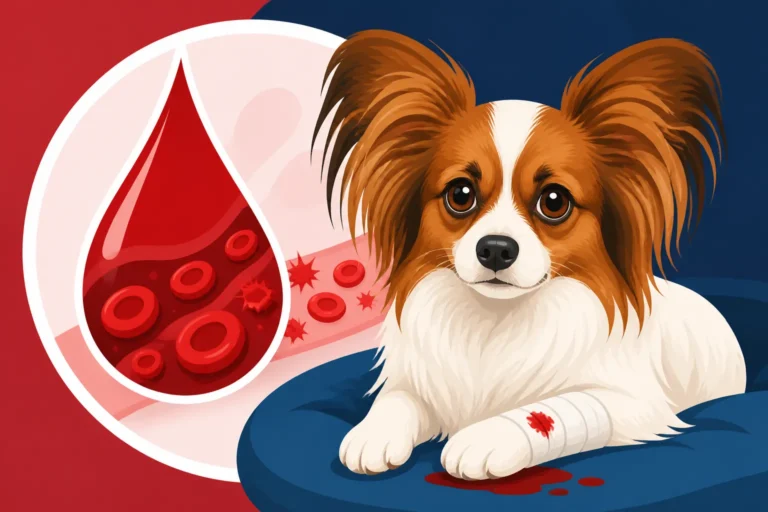
For small dogs, even a minor amount of blood loss can be more significant relative to their total blood volume compared to a large dog. This makes identifying and mitigating any potential clotting issues even more critical. Imagine a small bruise that seems to linger, or an injury that bleeds a little longer than expected – these could be subtle hints that your Papillon's clotting cascade isn't working quite as efficiently as it should. Ensuring that their blood can clot effectively is paramount for a safe surgical outcome and a smooth recovery, preventing post-operative complications that no owner wants to face.
The Crucial Role of a Clotting Panel for Papillons
So, does your Papillon really need a clotting panel before surgery? The short answer is: it’s almost always a good idea, and in some cases, it’s absolutely essential. While Papillons aren't typically known for a high incidence of a specific, severe bleeding disorder like some larger breeds, being proactive with such a tiny dog is just plain smart. A clotting panel goes beyond standard pre-surgical bloodwork to specifically assess how well your Papillon's blood is able to clot.
What a Clotting Panel Tests For
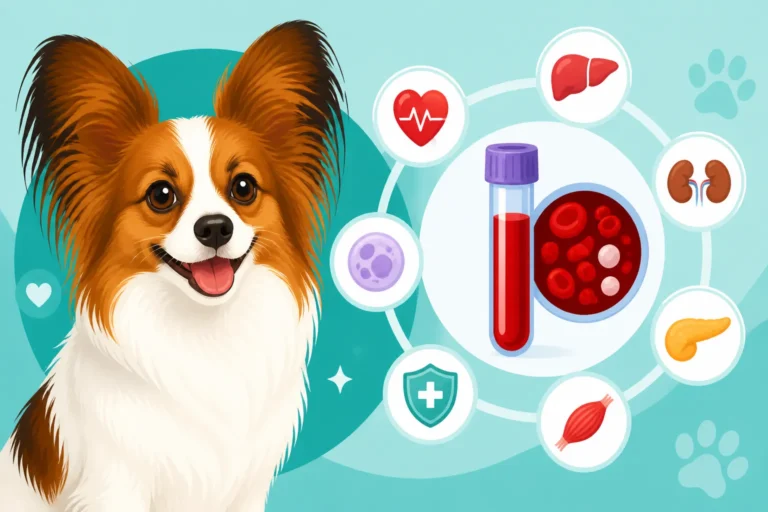
A clotting panel isn't just one test; it's a battery of specific assessments designed to evaluate different aspects of the coagulation process. Typically, it includes:
- Platelet Count: This measures the number of platelets in the blood. Platelets are tiny cell fragments that are the first responders to a blood vessel injury, forming a plug to stop bleeding. A low platelet count (thrombocytopenia) can significantly increase bleeding risk.
- Prothrombin Time (PT): This test evaluates the extrinsic and common pathways of the coagulation cascade. It measures how long it takes for a clot to form in a sample of blood after certain reagents are added. Abnormal PT can indicate deficiencies in specific clotting factors or liver disease.
- Activated Partial Thromboplastin Time (aPTT): This test assesses the intrinsic and common pathways of the coagulation cascade. Like PT, it measures the time it takes for a clot to form, but it focuses on a different set of clotting factors. An abnormal aPTT can suggest conditions like Von Willebrand Disease or other clotting factor deficiencies.
Together, these tests provide a comprehensive picture of your Papillon's ability to form a stable clot, offering invaluable information to your veterinary team before they proceed with any surgery. This foresight can be a true lifesaver.
Identifying Hidden Bleeding Disorders
Even if your Papillon appears perfectly healthy, a hidden bleeding disorder could be lurking. Some conditions are subtle and might not present with obvious symptoms until a stressful event like surgery. For instance, while not as common in Papillons as in some other breeds like Doberman Pinschers, Von Willebrand Disease (vWD) is a genetic bleeding disorder that can affect any dog. It's caused by a deficiency in von Willebrand factor, a protein that helps platelets stick together and also carries a crucial clotting factor. Even if your Papillon doesn't show overt signs like unexplained bruising or prolonged bleeding from minor cuts, they could be a carrier or have a mild form that only becomes problematic under surgical stress. Learning more about What Von Willebrand Disease Does to a Papillon can help you understand the potential impact.
A clotting panel can flag these less obvious issues, giving your vet the opportunity to take precautions or even postpone surgery if necessary. This might involve administering specific medications to improve clotting before the procedure or having blood products readily available. It’s about catching potential problems before they become emergencies.
Proactive Care and Peace of Mind
Ultimately, ordering a clotting panel for your Papillon before surgery is an act of proactive, responsible care. It's an investment in their safety and your peace of mind. Knowing that your dog's clotting abilities have been checked and deemed normal allows you to breathe a little easier as they head into the operating room. If an abnormality is found, you and your vet can make informed decisions about how to proceed, minimizing risks.
This level of thoroughness can also translate to better post-operative outcomes, reducing the chances of complications related to excessive bleeding. For many owners, the cost of a clotting panel is a small price to pay for this added layer of security, especially when you consider the potential costs of managing a post-surgical bleeding emergency. This is where having a robust pet insurance plan, like those offered by Healthy Paws, can really make a difference, helping to cover unexpected diagnostic costs and ensuring you can always opt for the best care.
When a Clotting Panel Becomes Non-Negotiable
While a clotting panel is always a wise consideration for a Papillon before surgery, there are specific situations where it truly moves from being "recommended" to "non-negotiable." These are scenarios where the risk of a bleeding complication is significantly elevated, and knowing your dog's clotting status can literally mean the difference between a smooth procedure and a terrifying ordeal.
Pre-Surgical Bloodwork Beyond the Basics
Most veterinarians will recommend a standard pre-anesthetic blood panel before any surgery. This panel typically includes a complete blood count (CBC) and a chemistry profile. The CBC provides information about red blood cells (anemia), white blood cells (infection or inflammation), and often a basic platelet count. The chemistry panel assesses organ function, like the liver and kidneys, ensuring they can handle the anesthesia. This is vital and incredibly important for understanding your Papillon's overall health before they go under. In fact, discussions around Whether a Papillon Needs Bloodwork Before a Dental often highlight these basic tests.
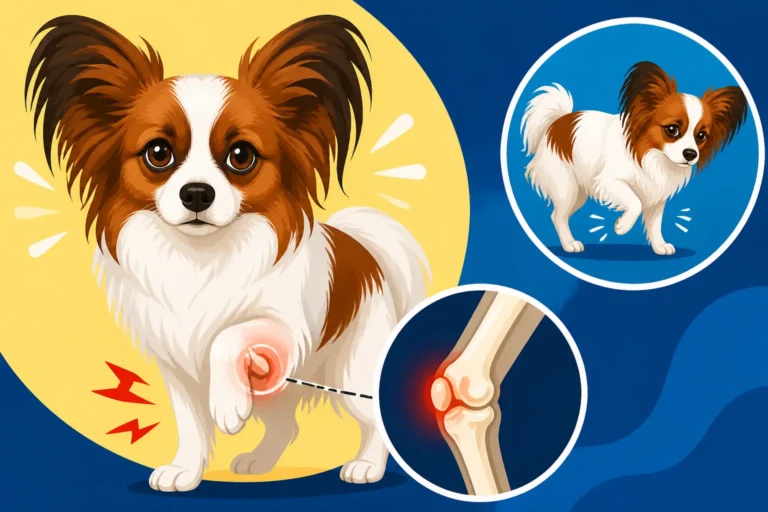
However, a standard CBC might only give you a number for platelets, not necessarily how well those platelets are functioning, or how the entire complex clotting cascade is working. That's where a dedicated clotting panel steps in. It's an additional layer of diagnostic insight, specifically focusing on the intricate processes that lead to blood coagulation. If your Papillon is undergoing a major surgery like a patellar luxation repair – which is a common issue for the breed, as detailed in Patellar Luxation Is the Papillon Problem You Will Actually Meet – adding a clotting panel is a prudent measure to ensure all bases are covered. You want to be confident that their blood will clot reliably when it matters most, preventing any unforeseen complications.
Signs That Warrant Immediate Clotting Investigation
Sometimes, your Papillon might give you subtle clues that their clotting system isn't quite right, even without an impending surgery. If you've ever noticed any of these signs, it's a huge red flag that warrants a clotting panel investigation, regardless of whether surgery is on the horizon:
- Easy bruising: Your Papillon bumps into something and develops a disproportionately large or persistent bruise.
- Prolonged bleeding: Even a tiny cut from a broken nail or a small scratch seems to bleed for an unusually long time.
- Nosebleeds: Unexplained nosebleeds that are not due to trauma or other obvious causes.
- Blood in urine or stool: This can indicate internal bleeding, which might be related to a clotting disorder.
- Pinpoint red spots on the skin (petechiae): These tiny spots indicate small hemorrhages under the skin and are a classic sign of platelet disorders.
If you observe any of these symptoms, don't wait. Contact your veterinarian immediately. These signs could point to a serious underlying condition that needs to be addressed, and a clotting panel will be essential for diagnosis. Understanding How a Papillon Hides Pain is also crucial, as they might not always vocalize their discomfort from these issues.
Papillons with a History of Easy Bruising or Bleeding
Even if your Papillon doesn't show severe signs, a personal history of mild bleeding or bruising tendencies is a significant indicator that a clotting panel is necessary. Perhaps they bled a bit more than expected after a routine vaccination, or a puppy tooth extraction seemed to ooze for longer than the vet anticipated when they were younger. These anecdotes, even if seemingly minor at the time, can be valuable clues for your veterinary team.
It's crucial to share all such observations with your vet, no matter how insignificant they might seem. What might be dismissed as "normal" in a larger, sturdier dog could be a subtle sign of a vulnerability in a delicate Papillon. Your vet needs this full picture to make the most informed decisions about their pre-surgical diagnostics. If your Papillon has ever had any surgical procedure, even something minor like spaying or neutering, ask about their recovery and whether there were any unusual bleeding incidents. This historical information can guide your vet in recommending specific tests, including a clotting panel, to ensure maximum safety for any future surgical interventions.
Here's a quick comparison of what standard pre-op bloodwork usually covers versus what a dedicated clotting panel adds:
| Test Category | Standard Pre-Op Bloodwork (Common) | Clotting Panel (Specific) |
|---|---|---|
| Purpose | Assesses general health, organ function, red/white blood cells | Specifically evaluates blood's ability to clot |
| Components | CBC (RBC, WBC, basic platelet count), Chemistry (liver, kidney) | Platelet Count (often more detailed), PT, aPTT, sometimes Fibrinogen |
| Key Insights | Anemia, infection, organ health, baseline platelet numbers | Identifies specific clotting factor deficiencies, platelet function |
| Primary Risk Addressed | Anesthesia safety, general health status | Excessive bleeding during/after surgery |
| When It's Crucial | All surgeries | Any surgery, especially if bleeding history or breed predisposition |
What Happens If a Papillon's Clotting Panel Comes Back Abnormal?
Discovering an abnormal clotting panel result for your Papillon can be incredibly alarming. It's natural to feel worried, even panicked. However, it's important to remember that this result is diagnostic, not necessarily a death sentence. The whole point of doing these tests before surgery is to identify potential problems when there's time to address them proactively, rather than reacting to an emergency during or after the procedure. Your veterinary team will guide you through the next steps, which will focus on understanding the specific abnormality and formulating a plan to ensure your Papillon's safety.
Adjusting Surgical Plans and Protocols
If your Papillon's clotting panel comes back abnormal, the first thing your vet will do is interpret the specific results. Is it a low platelet count, an issue with one of the clotting times (PT or aPTT), or a combination? The nature of the abnormality will dictate the course of action.
In many cases, an abnormal result will lead to a modification of the surgical plan. This might include:
- Delaying surgery: If the condition is treatable, the vet might recommend delaying the surgery to stabilize your Papillon's clotting ability. For example, if low platelets are due to an immune-mediated condition, medication might be prescribed first.
- Pre-treatment: For some clotting factor deficiencies or certain types of Von Willebrand Disease, your Papillon might receive specific medications, such as desmopressin (DDAVP), or even fresh frozen plasma transfusions before surgery to boost their clotting factors.
- Enhanced intra-operative monitoring: During surgery, the veterinary team will be extra vigilant for any signs of bleeding. They might use specialized surgical techniques to minimize blood loss and have blood products (like fresh frozen plasma or whole blood) on standby in case a transfusion becomes necessary.
- Post-operative care modifications: Even after surgery, your Papillon's recovery protocol might be adjusted to ensure optimal healing and prevent delayed bleeding. This could involve stricter activity restrictions or additional monitoring.
These adjustments are all designed to mitigate the risks associated with the identified clotting issue, proving the value of getting this test done. It empowers your vet to provide the safest possible environment for your beloved companion, ensuring a higher likelihood of a positive outcome.
Managing and Treating Underlying Conditions
Sometimes, an abnormal clotting panel isn't just a surgical hurdle; it's a window into an underlying health condition that needs ongoing management. For example, severe liver disease can impair the production of clotting factors, leading to prolonged bleeding times. Certain types of cancer can cause low platelet counts, and immune-mediated diseases can also destroy platelets. Even certain medications can affect clotting ability.
If an underlying condition is diagnosed, the focus will shift to managing that primary issue. This could involve:
- Medication: Depending on the diagnosis, your Papillon might need specific medications, such as steroids for immune-mediated thrombocytopenia or supplements for certain deficiencies.
- Dietary changes: For conditions like liver disease, specialized diets might be prescribed to support organ function.
- Regular monitoring: Your vet might recommend follow-up clotting panels or other blood tests to monitor the effectiveness of treatment and ensure your Papillon's clotting ability remains stable.
This long-term management is crucial for your Papillon's overall health and can influence their ability to undergo future procedures safely. Discussing potential costs with your vet and understanding your Healthy Paws policy can also provide significant relief during these challenging times, as specialized treatments and ongoing care can accumulate. It's a reminder that comprehensive care for a Papillon extends far beyond routine check-ups and requires a proactive approach to their unique health needs throughout their potentially long life, as explored in discussions like How Long a Papillon Lives and Caring for a Papillon Past Eleven.
Disclaimer
This article is intended for informational purposes only and does not constitute professional veterinary advice. Always consult with a qualified veterinarian regarding any health concerns or before making any decisions about your Papillon's medical care or treatment.