What a Papillon’s Yearly Bloodwork Should Cover
It’s easy to look at your vibrant, seemingly healthy Papillon prancing around the house and wonder if that yearly vet visit, complete with bloodwork, is truly necessary. We all want to believe our furry family members are invincible, but the reality is, even the most energetic Papillon can be harboring subtle health issues that aren't visible to the naked eye. This guide is here to unravel the mystery of annual bloodwork for your beloved companion, explaining exactly what tests are typically covered and why they are such a critical component of proactive health care, helping you secure a long and happy life together.
The Silent Guardians: Why Annual Bloodwork is Essential for Your Papillon
Let's be honest, nobody loves the idea of their little Papillon heading in for a needle poke, and the thought of the bill afterward can make us all a little nervous. But I can't stress enough how vital those annual blood tests truly are, especially for a breed like the Papillon that often lives a wonderfully long life. You see, dogs are incredibly stoic creatures. They have an innate ability to mask pain or illness until a condition is quite advanced. This isn't because they're being sneaky; it's a survival instinct. In the wild, showing weakness makes them vulnerable. In our homes, it means we often don't see anything wrong until their body is really struggling.
That’s where annual bloodwork comes in – it's your silent guardian, working behind the scenes to catch potential problems long before your Papillon ever shows a single symptom. Think of it as an internal health report card. It establishes a baseline for your individual dog. Every Papillon is unique, and what's "normal" for one might be slightly different for another. By running these tests consistently each year, your veterinarian can track subtle shifts over time. A slight elevation in a kidney value that might be considered within the "normal" range today could be a significant red flag if it was much lower just a year ago. Early detection means early intervention, and that can make all the difference in managing conditions and maintaining quality of life. For a breed that can live to a ripe old age, proactive care is paramount, laying the groundwork for a truly impressive lifespan, as discussed in How Long a Papillon Lives.
Moreover, many Papillons, being small, might be more susceptible to issues like hypoglycemia as puppies, or later develop specific age-related conditions. While not directly testing for every genetic disease, comprehensive bloodwork helps your vet assess general organ function and overall health. It's not about finding something wrong every time; it's about having peace of mind that you're doing everything you can to monitor their health, letting you catch things like subtle infections, inflammation, or even the very beginnings of organ dysfunction that could eventually lead to more serious issues. It’s an investment in their future, ensuring those precious years are as healthy and vibrant as possible.
Decoding the Labs: What Specific Tests Your Papillon's Bloodwork Includes
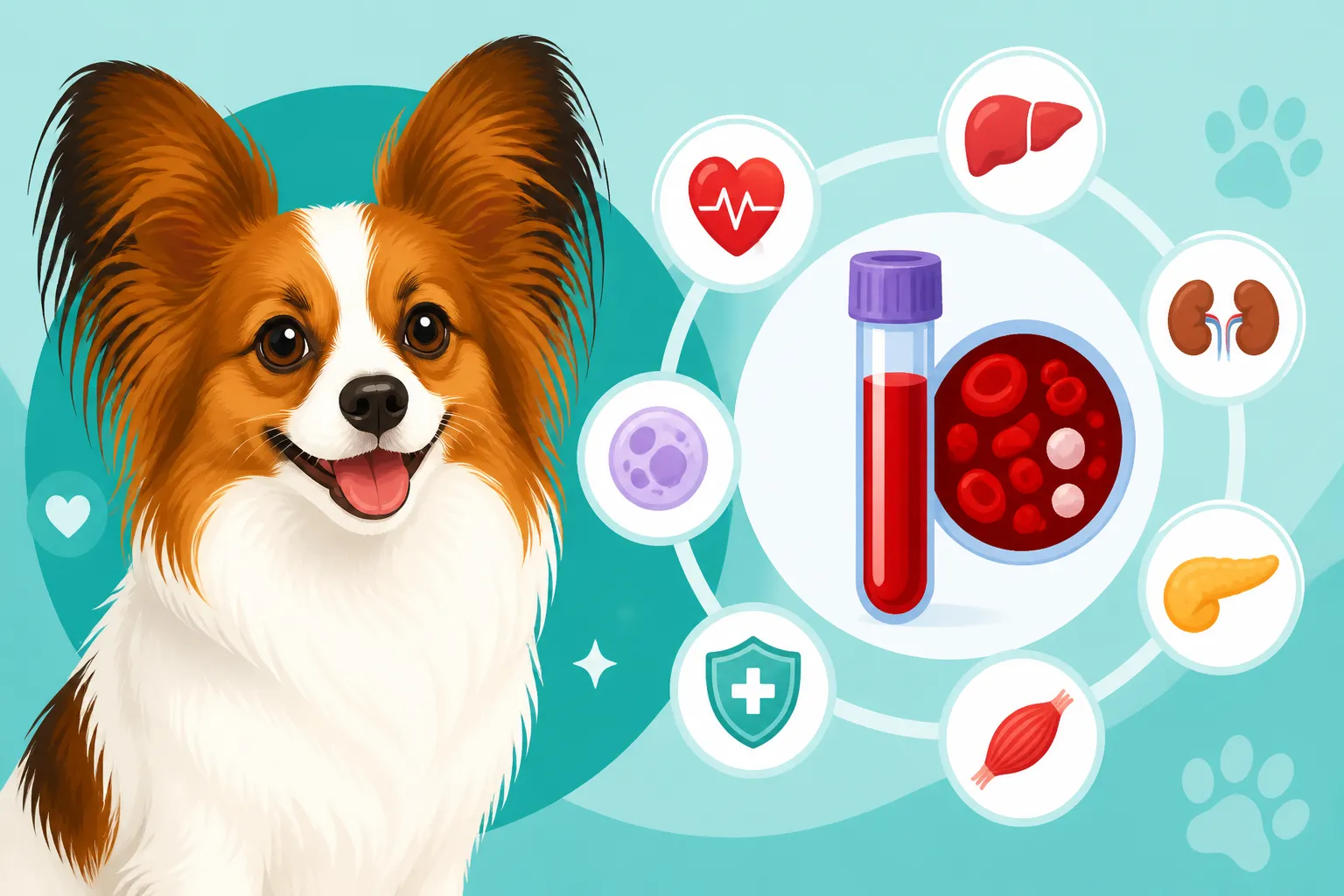
When your Papillon goes in for its annual check-up and blood collection, the veterinary team isn’t just drawing blood willy-nilly. They're typically gathering samples for a couple of key panels, each designed to provide a wealth of information about different aspects of your dog's internal health. These panels are comprehensive and offer a fantastic overview.
The Complete Blood Count (CBC)
First up is usually the Complete Blood Count, or CBC. This is like a snapshot of your Papillon's blood cells, both red and white, and platelets. It provides crucial information about:
- Red Blood Cells (RBCs): This part tells us about your Papillon's oxygen-carrying capacity. Low levels could indicate anemia, which might point to underlying issues like chronic bleeding, nutritional deficiencies, or certain diseases. High levels could suggest dehydration.
- White Blood Cells (WBCs): These are the immune system's soldiers. The CBC breaks down the different types of white blood cells (neutrophils, lymphocytes, eosinophils, monocytes, basophils). Abnormalities here are often a strong indicator of infection, inflammation, stress, or even some types of cancer. For example, a sudden spike in neutrophils might signal a bacterial infection brewing.
- Platelets: These tiny cells are essential for blood clotting. If your Papillon has unusually low platelet counts, it could mean they're at risk of excessive bleeding, which is a serious concern, especially if surgery is ever considered. This kind of information is vital to know, for instance, if your Papillon needs a dental cleaning, which we know is a common concern as detailed in How Common Dental Disease Is in Papillons, and requires Whether a Papillon Needs Bloodwork Before a Dental.
The Chemistry Panel (or Serum Chemistry)
Next, the chemistry panel dives into the biochemical workings of your Papillon's organs and metabolic functions. This panel is incredibly revealing and can detect problems with:
- Kidney Function: Tests like Blood Urea Nitrogen (BUN) and Creatinine evaluate how well your Papillon’s kidneys are filtering waste products from their blood. Elevated levels can indicate kidney disease, often catching it in its early stages when management is most effective.
- Liver Function: Enzymes like ALT, ALP, and bilirubin give insight into liver health. The liver is a powerhouse organ, involved in digestion, detoxification, and protein synthesis. Abnormalities might suggest liver damage, inflammation, or even issues like a liver shunt, which is a concern for some small breeds, as explored in Whether a Papillon Gets a Liver Shunt.
- Pancreatic Function: Enzymes such as amylase and lipase can indicate inflammation of the pancreas (pancreatitis), which can be quite painful for a dog.
- Blood Glucose: This measures your Papillon's blood sugar levels. High levels can indicate diabetes, while very low levels can point to hypoglycemia, especially a concern for puppies as highlighted in Whether a Papillon Puppy Gets Hypoglycemia as a Puppy.
- Electrolytes: Sodium, potassium, and chloride levels are crucial for nerve, muscle, and heart function, and hydration. Imbalances can signal various health issues, including dehydration, kidney problems, or even heart conditions like those mentioned in Whether a Papillon Gets Heart Disease.
- Proteins: Albumin and globulin levels provide insights into hydration, inflammation, and liver or kidney health.
Other Important Considerations: Urinalysis and Thyroid Checks
While not always strictly "bloodwork," a urinalysis is often performed concurrently with annual blood tests and provides a complementary view of kidney function, hydration status, and can detect urinary tract infections, crystals, or even early signs of diabetes. It’s a powerful, non-invasive diagnostic tool that shouldn’t be skipped.
For some Papillons, especially as they get older, your vet might recommend a thyroid panel as part of or in addition to the standard bloodwork. While hypothyroidism is more common in larger breeds, it can affect any dog and can cause symptoms like lethargy, weight gain, and skin issues. It's a good discussion to have with your vet, particularly if you notice any changes in your aging Papillon, something often considered when Caring for a Papillon Past Eleven.
Knowing that these comprehensive tests are covered can be a huge relief, especially if you have pet insurance. Many providers, such as Healthy Paws, offer plans that help cover the costs of these essential diagnostic tests when they are medically necessary. This allows you to focus on your Papillon's health without the added stress of unexpected veterinary bills.
Beyond the Numbers: Interpreting Your Papillon's Bloodwork Results
Receiving your Papillon's bloodwork results can sometimes feel like trying to decipher an ancient scroll if you're just looking at a page full of numbers. It’s easy to get overwhelmed by all the abbreviations and reference ranges. But don’t worry, your veterinarian is there to be your expert translator and guide through this information. It’s important to remember that bloodwork results are just one piece of the puzzle; they need to be interpreted in context with your Papillon’s physical exam, age, medical history, and any symptoms they might be showing.
Understanding Normal vs. Abnormal
For each parameter tested (e.g., red blood cells, liver enzymes, glucose), there will be a "reference range" provided. This range represents what is considered typical for a healthy dog.
- Within Range: Ideally, most of your Papillon's results will fall comfortably within these reference ranges, indicating healthy organ function and blood cell counts. This helps confirm that your Papillon is doing well and allows your vet to solidify that individual baseline for future comparisons.
- Slightly Outside Range: Sometimes, a value might be just a little bit high or low. This doesn't automatically mean disaster. It could be due to something minor like temporary stress, slight dehydration, or even just individual variation. Your vet will assess if it's significant enough to warrant further investigation or simply a "watch and recheck" situation at the next annual exam.
- Significantly Outside Range: When results are substantially outside the normal parameters, it often signals a more pressing issue. For example, very elevated liver enzymes could indicate active liver inflammation or disease, while markedly low red blood cell counts would confirm anemia, needing immediate attention to find the cause.
The Power of Trends
This is where that annual consistency really shines. A single slightly elevated liver enzyme might be dismissed in a one-off test. But if that same enzyme has been steadily climbing over two or three annual tests, even if still within "normal" limits, it could signal a brewing problem that needs proactive management. Your vet, armed with this historical data, can catch a subtle, slow-progressing condition long before it becomes critical. This is crucial for managing the health of your dog through its golden years, providing insights into their overall well-being.
What Happens Next? Follow-Up and Proactive Measures
Once your vet has reviewed the results, they’ll discuss them with you thoroughly.
- All Clear: The best-case scenario! You get peace of mind, and you know your Papillon is in good shape. Continue with regular preventative care.
- Further Investigation: If there are concerning abnormalities, your vet might recommend additional diagnostic tests. This could include more specific blood tests (like a full thyroid panel, specific liver function tests, or tests for clotting disorders if platelets were low), imaging (X-rays or ultrasound), or a recheck of the bloodwork in a few weeks or months. This targeted approach helps pinpoint the exact problem.
- Treatment or Management: Depending on the diagnosis, treatment might involve medication, dietary changes, supplements, or lifestyle adjustments. For instance, if early kidney changes are detected, a prescription diet formulated for kidney health can significantly slow disease progression.
- Breed-Specific Nuances: While bloodwork is universal, understanding the general health profile of Papillons can help your vet interpret results more precisely. For example, while not directly blood-tested, a Papillon with a history of Patellar Luxation Is the Papillon Problem You Will Actually Meet might have bloodwork that reflects mild inflammation or issues related to medication for pain management.
Having good pet insurance, like a plan from Healthy Paws, can be incredibly beneficial here. When bloodwork reveals an issue, the subsequent diagnostic tests, medications, or specialized diets can add up. Knowing that a significant portion of these costs could be covered allows you to make the best health decisions for your Papillon without undue financial strain, ensuring they get the care they need promptly. This comprehensive approach to annual health monitoring means you’re not just reacting to illness, but actively working to ensure your Papillon lives the fullest, healthiest life possible.
Disclaimer
This article is for general informational purposes only and does not constitute professional advice. Laws, prices and regulations vary by location and change over time. Consult a qualified professional for guidance on your specific situation.