Weighing a Papillon Puppy Every Week
Bringing home a tiny Papillon puppy is an absolute joy, but it can also come with a fair share of anxiety, especially when you consider just how small and delicate these little butterflies are. New puppy parents often fret over every little sniffle or skipped meal, and rightfully so. When you're dealing with a creature that can literally fit in the palm of your hand, even the smallest change can feel monumental. This guide is all about demystifying one of the most proactive and reassuring steps you can take in those early weeks: regularly weighing your Papillon puppy to track their vital growth and catch potential issues early.
Why Weekly Weigh-Ins Are Crucial for Papillon Puppies
You might think a quick glance is enough to tell if your puppy is growing, but with Papillons, their small size means that subtle changes can be easily missed. Weekly weigh-ins provide objective data, helping you become a detective for your puppy's health. This isn't just about ensuring they're getting bigger; it's about confirming they're thriving and intervening quickly if they're not.
Early Detection of Health Issues
A Papillon puppy's weight is a surprisingly sensitive indicator of their overall health. Unlike larger breeds where a pound or two might not seem like much, a few ounces lost or gained on a Papillon puppy can represent a significant percentage of their tiny body weight. If your puppy is struggling with an internal parasite, a subtle infection, or even just not getting enough nutrients, the scales will often tell you before other, more obvious symptoms appear. Imagine your little fluffball, say, a tiny eight-week-old Papillon. If they suddenly stop gaining weight, or worse, lose a small amount, that's a red flag. It’s a quiet whisper from their body that something might be off, prompting you to call your vet for a check-up before a minor issue becomes a major problem. This early warning system can be invaluable, especially for issues like hypoglycemia, which Papillon puppies can be prone to, where early intervention is absolutely key. Catching a dip in weight could literally be life-saving.
Monitoring Growth Milestones
Beyond detecting problems, consistent weighing helps you celebrate and monitor your puppy's healthy development. Papillons, like all breeds, have a typical growth curve, and tracking their weight lets you see if your puppy is on track. It's incredibly satisfying to watch those numbers steadily climb week after week, confirming that your feeding and care routines are working well. This regular monitoring creates a baseline for your individual puppy. You'll learn what "normal" growth looks like for them, not just what a textbook says. This personalization is so important because every puppy is an individual, even within the same litter. When you keep good records, you can look back and see their progress, and also use it to discuss with your breeder or vet how your puppy is doing compared to their siblings or general breed expectations. Understanding "How Small a Papillon Puppy Is at Eight Weeks" is fascinating, and watching them grow from that initial tiny size is truly remarkable.
Adjusting Feeding Schedules and Amounts
A puppy's nutritional needs change rapidly as they grow. What was enough last week might not be enough this week, or perhaps your puppy is eating too much and gaining weight too quickly, which can also be unhealthy for their developing joints. Weekly weigh-ins provide the data you need to make informed decisions about their diet. If you see a plateau in weight gain, it might be a sign to slightly increase their food portions or even consider adding an extra small meal, especially for very active pups. Conversely, if they're gaining too rapidly and looking a bit chunky, it's a cue to slightly reduce portions or ensure they're getting enough appropriate exercise. This is particularly important because Papillon puppies, being so small, need very precise caloric intake to support their fast metabolism and bone development. Learning "How Often a Papillon Puppy Should Be Fed" is critical, and weekly weights help you fine-tune those recommendations.
The Best Way to Weigh Your Papillon Puppy at Home
Weighing a tiny, squirming Papillon puppy might sound like a wrestling match, but with the right tools and a consistent approach, it can become a calm, even bonding experience. The key is to make it routine and positive.
Choosing the Right Scale
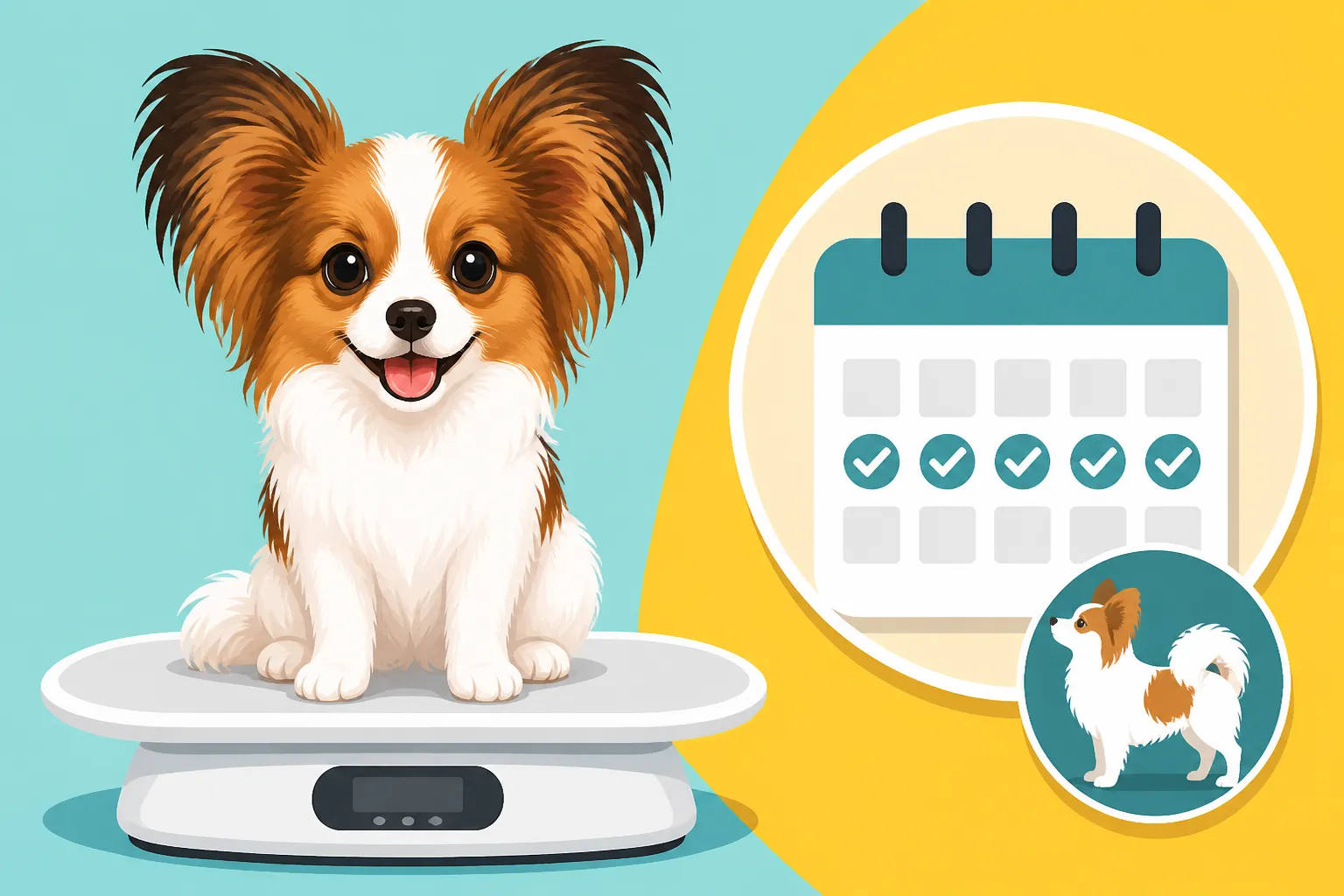
Forget trying to get accurate readings on your bathroom scale; it's simply not sensitive enough for a several-ounce or even pound-sized puppy. You need a scale that can measure in small increments, ideally down to the tenth of an ounce or gram. Many Papillon owners find a digital kitchen scale works perfectly for very young puppies, especially those under a pound or two. Just place a small, shallow bowl or container on it, tare it to zero, and gently place your puppy inside. As your puppy grows and exceeds the capacity of a kitchen scale, you might graduate to a baby scale or even a dedicated pet scale. These are typically more robust and have a larger platform, accommodating a wiggling pup more easily. Some people even use luggage scales by putting the puppy in a soft carrier, weighing the carrier alone, and then the carrier with the puppy, and subtracting. Whatever you choose, ensure it's stable, clean, and provides consistent readings.
Step-by-Step Weighing Process
Consistency is paramount. Pick a specific time each week, perhaps in the morning before breakfast, to get the most accurate comparative data. Here's a simple process:
- Prepare your scale: Place it on a stable, flat surface. If using a kitchen scale, put a small bowl or basket on it and turn it on. Wait for it to stabilize at zero. This is called 'taring' the scale. If your scale has a 'hold' function, that can be helpful.
- Gather your puppy: Gently pick up your Papillon puppy. Speak in a soothing voice. You might offer a small, pea-sized training treat as a distraction.
- Place the puppy on the scale: Carefully set your puppy into the bowl or onto the platform. If they're wiggly, you might need a second person to help steady them with gentle hands, but avoid adding pressure that affects the reading. For very wiggly pups, you might place a favorite small towel in the bowl first, tare the scale, then place the puppy on the towel.
- Record the weight: Once the reading stabilizes, quickly note down the exact weight. Don't rely on memory!
- Positive reinforcement: Immediately remove your puppy and offer praise, a small treat, and some gentle cuddles. This helps them associate the weighing process with positive experiences, making it easier next time.
Remember, the goal is to make this a calm routine. If your puppy is overly stressed, it might not be the right time. Try again a bit later.
Keeping Accurate Records
A single weight measurement is useful, but a continuous record is invaluable. Keep a dedicated notebook or a spreadsheet on your computer for your puppy's weight. Note down the date, time, and exact weight. You might even add a small column for any observations, such as "ate well today," "seemed a little quiet," or "very active."
Here's an example of a simple weight log:
| Date | Time | Puppy Weight (oz) | Puppy Weight (g) | Observations |
|---|---|---|---|---|
| Current Date | 7:00 AM | 18.2 | 516 | Good appetite, playful |
| Next Week | 7:05 AM | 20.5 | 581 | Gaining steadily, a little sleepy |
| Week After | 7:02 AM | 22.8 | 646 | Active, ate all meals, ears starting to perk |
| Week After | 7:00 AM | 25.0 | 709 | Strong week, very bold and curious |
| Week After | 7:01 AM | 27.2 | 771 | Happy puppy, no concerns |
This kind of detailed record allows you to spot trends, share precise information with your veterinarian if concerns arise, and simply enjoy watching your Papillon grow from a tiny fluffball into a confident companion. It also provides peace of mind, especially when you consider potential costs for unexpected health issues. Having a reliable pet insurance plan, perhaps from a provider like Healthy Paws, can certainly help cushion the financial impact of any vet visits that these weigh-ins might prompt.
What to Do When Your Papillon Puppy's Weight Changes
It's natural for puppy parents to be hyper-aware of changes, and with good reason. Knowing when to simply observe and when to act is key to managing your Papillon puppy's health effectively.
When to Be Concerned About Weight Loss or Stagnation
This is arguably the most critical area where weekly weigh-ins shine. If your Papillon puppy loses weight, even a small amount, or if their weight gain plateaus for more than a week, it's time to act. Given their small size, they don't have much reserve to fall back on. This could be a sign of various issues:
- Not eating enough: Perhaps the food isn't palatable, or they're being outcompeted if there are other pets. A tiny Papillon puppy needs to be fed consistently to avoid issues like "Why a Papillon Puppy Must Not Go Long Without Food".
- Intestinal parasites: Worms are common in puppies and can steal vital nutrients, leading to poor weight gain despite eating.
- Illness or infection: A urinary tract infection, kennel cough, or any number of puppy ailments can suppress appetite and energy, leading to weight loss.
- Stress: A change in environment, a new routine, or even too much stimulation can cause a sensitive Papillon puppy to lose interest in food.
- Hypoglycemia: As mentioned earlier, low blood sugar is a real risk for very young and small puppies. If you notice "Signs a Papillon Puppy Has Low Blood Sugar," coupled with weight loss, it's an emergency.
If you observe weight loss or stagnation, don't delay. Contact your veterinarian immediately. They'll likely want to see your puppy for an examination, possibly stool tests for parasites, or blood work to check for underlying issues. Being able to provide them with your detailed weight log will be incredibly helpful for their diagnostic process. Early intervention can make all the difference.
When to Be Concerned About Too Rapid Weight Gain
While less common than weight loss concerns in tiny breeds, rapid weight gain can also be a red flag. A puppy that gets too chubby too fast might be at risk for:
- Skeletal issues: Rapid growth, especially if combined with an inappropriate diet, can put undue stress on developing bones and joints. This is particularly important for breeds like Papillons that can be prone to conditions like "Patellar Luxation Is the Papillon Problem You Will Actually Meet". Carrying extra weight exacerbates joint issues.
- Metabolic problems: In rare cases, extremely rapid or uneven weight gain could indicate an underlying metabolic issue, though this is less likely than simply overfeeding.
- Establishing unhealthy eating habits: A puppy used to constant food availability might develop an unhealthy relationship with food, leading to obesity later in life, which shortens "How Long a Papillon Lives."
If your puppy is packing on pounds at an alarming rate, first review their diet. Are you feeding the correct amount for their age and activity level? Are they getting too many treats? While it's tempting to spoil them, moderation is key. Consult your vet to ensure their diet is balanced and appropriate. They can help you calculate the ideal caloric intake and suggest modifications.
Communicating With Your Veterinarian
When you need to contact your vet about your puppy's weight, having your records ready makes the conversation much more productive. Be prepared to share:
- Your detailed weight log: Dates, weights, and any observations.
- Your puppy's diet: Brand of food, amount fed per day, number of meals, and any treats given.
- Any other symptoms: Changes in appetite, energy levels, stool consistency, vomiting, coughing, or unusual behaviors.
- Vaccination history: The vet will want to know "The Vaccination Schedule a Papillon Puppy Needs".
Your vet will appreciate the diligence and precise data. It helps them quickly assess the situation and guide you on the next steps, whether that's adjusting their diet, scheduling diagnostic tests, or providing "What to Do When a Papillon Puppy Crashes" if hypoglycemia is suspected. Again, having pet insurance like that offered by Healthy Paws can be a real lifeline here, ensuring you can pursue any necessary tests or treatments without undue financial stress.
Understanding Normal Papillon Puppy Growth Patterns
It’s easy to get caught up in the numbers, but understanding the general rhythm of Papillon growth can help you interpret those weekly weigh-ins more effectively. They won't grow at a perfectly linear rate, and knowing what's typical can ease a lot of worry.
Typical Weight Progression from Birth to Adulthood
Papillon puppies are born incredibly tiny, often weighing just a few ounces. In the first few weeks, they should be gaining weight daily. Many breeders weigh puppies daily for the first two to three weeks to ensure they are thriving. After this initial period, weekly weigh-ins become the standard. A healthy Papillon puppy typically gains a few ounces per week, steadily increasing until they hit their growth plates closing around 8-12 months of age.
For example, a Papillon puppy might:
- Birth: 3-5 ounces
- 1 Week: 5-8 ounces
- 2 Weeks: 8-12 ounces
- 4 Weeks: 1-1.5 pounds
- 8 Weeks: 2-3 pounds (This is often when puppies go to their new homes. See "How Small a Papillon Puppy Is at Eight Weeks" for more detail.)
- 16 Weeks (4 Months): 4-5 pounds
- 6 Months: Approaching their adult weight, perhaps 6-8 pounds, though smaller Papillons might still be closer to 5 pounds.
- 10-12 Months: Should be at or very near their adult weight of typically 4-9 pounds.
Keep in mind that these are general estimates. There's a wide range in Papillon size, from the dainty 4-pounders to the more substantial 9-pound examples. Your puppy's individual growth will depend on their specific genetic predisposition. The important thing is consistent, steady progress. Your vet can provide more specific target ranges based on your puppy's lineage and overall health.
Factors Influencing Growth
Several elements play a role in how your Papillon puppy grows:
- Genetics: This is perhaps the biggest factor. Parents' size, grandparents' size, and overall genetic predisposition will heavily influence how big your puppy ultimately gets. If both parents are on the smaller end of the spectrum, your puppy is likely to be smaller, and vice-versa.
- Litter Size: Puppies from very large litters might be slightly smaller at birth and grow a bit slower initially, as resources are more spread out. However, with good care, they usually catch up.
- Nutrition: Adequate nutrition, as discussed, is paramount. High-quality puppy food, fed in appropriate amounts, supports healthy growth. Skimping on quality or quantity can hinder development. "How Many Cups a Day an Adult Papillon Eats" will be different from a puppy, and ensuring they get proper puppy formula is key.
- Health: Any illness, parasite burden, or chronic condition can temporarily or permanently stunt growth. This is another reason why early detection through weighing is so vital.
- Activity Level: Very active puppies might burn more calories and need slightly more food to maintain their growth curve than less active littermates or individuals.
- Neutering/Spaying: While not relevant for very young puppies, the timing of spaying or neutering can sometimes influence final bone growth, though the effect on overall weight for a small breed like a Papillon is usually minor compared to diet and genetics.
The Importance of Body Condition Score Over Just Numbers
While the scale provides invaluable numerical data, it's also crucial to regularly assess your Papillon puppy's Body Condition Score (BCS). This is a visual and tactile assessment of their fat reserves and muscle mass. A vet will typically use a 1-5 or 1-9 scale, where 1 is emaciated, and the higher numbers are obese. For a growing puppy, you want them to be lean but not bony.
Here’s what to look for in a healthy Papillon puppy:
- Ribs: You should be able to easily feel their ribs without pressing hard, but they shouldn't be visibly prominent.
- Waist: When viewed from above, your puppy should have a noticeable waistline behind their ribs.
- Tuck-up: When viewed from the side, their abdomen should tuck up slightly, not hang down.
- Fat Pads: Avoid chunky fat pads over the hips or at the base of the tail.
The BCS helps you ensure your puppy isn't just a certain weight, but that the weight is healthy muscle and bone, not excess fat. You can have a heavier Papillon that is perfectly lean and healthy, and a lighter Papillon that is slightly overweight for their frame. Regular vet check-ups will include a BCS assessment, giving you professional guidance. This combination of weekly weighing and visual BCS checks gives you the most complete picture of your Papillon puppy's development as they grow toward being a healthy adult. Thinking ahead to the long term, ensuring proper growth and avoiding obesity can significantly contribute to "Caring for a Papillon Past Eleven" and maintaining their quality of life into their senior years.
Disclaimer
This article is for general informational purposes only and does not constitute professional advice. Laws, prices and regulations vary by location and change over time. Consult a qualified professional for guidance on your specific situation.