Whether an Old Papillon Loses Muscle
One of the hardest parts of watching our beloved Papillons age is seeing the subtle, and sometimes not-so-subtle, changes in their bodies. It’s truly heartbreaking to notice your once spry, energetic butterfly dog becoming a little less robust, perhaps a bit slower, or even struggling with things they used to do with ease. This guide is here to shed light on a common, yet often misunderstood, aspect of canine aging: muscle loss in older Papillons, why it happens, how to spot it, and what you can do to help your furry friend maintain their strength and comfort for as long as possible.
Understanding Muscle Loss in Senior Papillons
It’s a natural, if unwelcome, part of the aging process for most creatures, including our delightful Papillons, to experience some degree of muscle loss. This isn't just about getting a bit flabby; it’s a genuine physiological change that can impact their quality of life significantly. Understanding what's happening beneath their beautiful, flowing coat is the first step in providing the best senior care.
The Natural Process of Sarcopenia
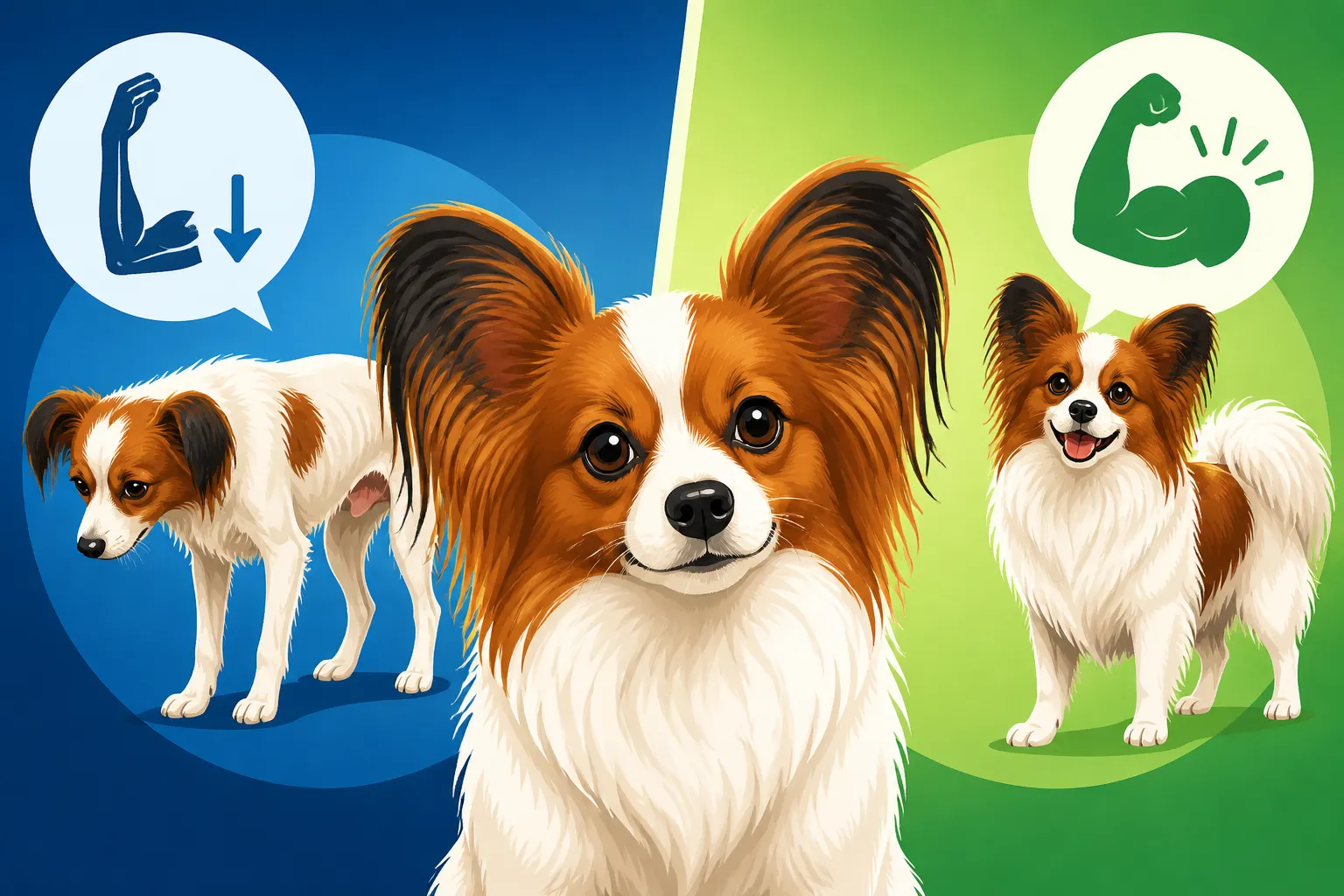
The scientific term for age-related muscle loss is sarcopenia, and it's something many senior dogs, including our Papillons, will face. It’s not just a matter of simply "getting old"; sarcopenia is a progressive, involuntary degeneration of skeletal muscle mass and strength. You might notice it most prominently in their hindquarters, or along their spine, which can start to look a bit bony despite a healthy weight.
This process is insidious because it often starts gradually. Initially, you might just attribute a slight dip in energy to "getting old." But sarcopenia isn't the same as general weight loss from an illness, where your dog might lose both fat and muscle. With sarcopenia, they might even maintain or gain a little fat while losing crucial muscle. This makes them look less athletic, their limbs a bit thinner, and their overall posture less confident. For a tiny, active breed like the Papillon, who often lives a long life – sometimes even past How Long a Papillon Lives on average – maintaining muscle mass is vital for their continued mobility and independence. It’s a slow fade, often masked by their energetic personalities, until one day you realize they can’t jump onto the sofa anymore.
Contributing Factors Beyond Age
While age is undoubtedly the primary driver of sarcopenia, several other factors can accelerate or exacerbate muscle loss in your senior Papillon. It’s never just one thing, which is why a holistic approach to their senior care is so important.
One major factor is a decrease in activity levels. As Papillons get older, they might naturally slow down a bit. They might be less inclined to chase a ball with the same fervor, or their walks might become shorter and less enthusiastic. This reduced movement can be due to mild arthritis, minor aches and pains, or simply a general decline in stamina. The less they use their muscles, the weaker those muscles become, creating a vicious cycle where reduced activity leads to more muscle loss, which then makes activity even harder. For instance, if your Papillon has a touch of Whether a Papillon Gets Arthritis From a Slipping Knee from an old knee injury or a common breed issue like Patellar Luxation Is the Papillon Problem You Will Actually Meet, they might instinctively move less to avoid pain, inadvertently accelerating muscle atrophy.
Nutrition also plays a critical role. An aging digestive system might not absorb nutrients as efficiently, even if your Papillon is eating their usual amount. They might also become pickier eaters, especially if their teeth are bothering them, or if their sense of smell isn't as keen. If they're not getting enough high-quality protein, their body simply won't have the building blocks it needs to maintain muscle mass. It's a cruel irony that older dogs often need more protein to fight sarcopenia, not less, as some outdated advice suggested.
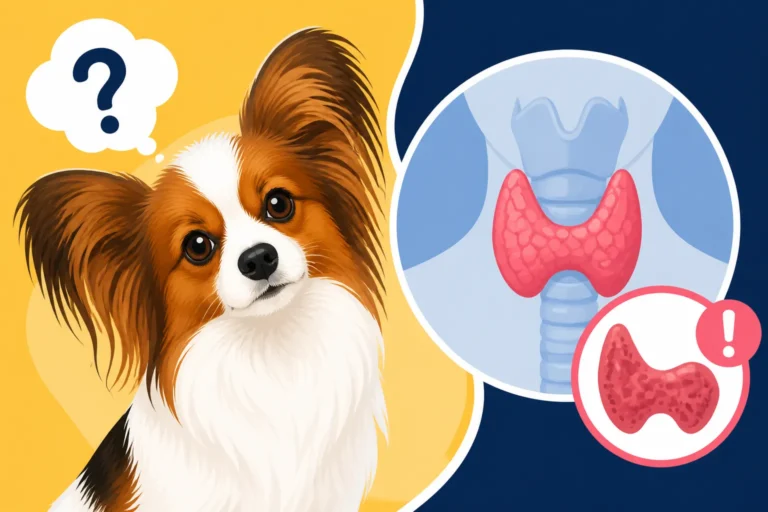
Finally, underlying health conditions can significantly contribute to muscle wasting. Conditions like kidney disease, heart disease – which might manifest as Whether a Papillon Needs a Cardiac Exam – or even certain types of cancer can cause systemic inflammation and metabolic changes that lead to muscle breakdown. Hypothyroidism can also contribute to lethargy and muscle weakness. This is why regular vet check-ups are so crucial; early detection and management of these conditions can make a huge difference in preserving your Papillon's muscle mass and overall comfort.
Identifying the Signs of Muscle Atrophy
Sometimes, because our Papillons are often fluffy and naturally petite, muscle loss can be tricky to spot. Their long, silky coats can hide a multitude of changes underneath, and their generally dainty build might make you think what you're seeing is normal for their size. However, knowing what to look for, both visually and behaviorally, is key to intervening early.
Visual Cues and Physical Examination
The most straightforward way to detect muscle loss is through careful observation and a hands-on examination of your Papillon. Start by just looking at them from above and from the side. You might begin to notice an "hourglass" shape when looking down at their back, where the waist seems to cinch in more dramatically than before, and the hips might appear wider or more prominent due to the loss of muscle around the spine.
Pay close attention to their hindquarters. The powerful thigh muscles, which should feel firm and well-developed, might start to look and feel thinner, almost sunken. The muscles over their hips, spine, and even their shoulders and forelegs can also diminish. Don't forget their temporal muscles – the ones on the sides of their head, just behind their eyes. These can recede, making their skull appear more prominent. A good way to check is to gently feel these areas. Instead of the firm, rounded feel of muscle, you might notice more bone and less padding.
Here's a quick guide to checking for muscle loss:
| Body Area | What to Look For (Visual) | What to Feel For (Palpation) |
|---|---|---|
| Hindquarters | Thinner thighs, sunken appearance around hips. | Less firm, less plump than before. Bones might feel closer to skin. |
| Spine/Back | More prominent spine, "hourglass" waist. | Less muscle cushioning along the backbone. |
| Shoulders | Less defined shoulder contours. | Softer, less dense muscle. |
| Temporal Muscles | Sunken areas on the sides of the head behind the eyes. | Concave instead of slightly convex or flat. |
| Overall | Less athletic appearance, longer leg look due to muscle loss. | Bones feel more prominent, less dense feel. |
It's helpful to compare what you see and feel now to old photographs or even memories of your Papillon when they were younger and in their prime. Remember, their beautiful feathering can hide a lot, so you really need to get your hands on them. This close inspection is a crucial part of Caring for a Papillon Past Eleven and understanding What Changes in a Papillon After Eleven as they age.
Behavioral Changes to Watch For
Beyond the physical signs, your Papillon’s behavior will often be the first indicator that something is amiss, especially with muscle loss. They are generally intelligent and active little dogs, so a change in their usual zest for life can be a big red flag.
One of the most common behavioral changes you might notice is a reluctance to perform activities that once came naturally. Does your Papillon hesitate before jumping onto their favorite chair or bed? Do they seem to struggle more when climbing stairs, or perhaps avoid them altogether? You might see them taking a longer, more circuitous route, or waiting for you to lift them. This isn't laziness; it's often a sign that their muscles simply aren't strong enough, or that the effort causes discomfort.
You might also observe changes in their gait or how they move. A Papillon with muscle loss might appear a bit wobbly, especially in their hindquarters. They might stumble more often, or their steps might seem shorter and less confident. They might also take longer to rise from a lying position, or they might plop down rather than lowering themselves gently. A general decrease in enthusiasm for walks, play, or even their favorite training sessions can also be a sign. While some slowdown is normal with age, a marked disinterest in activities they once loved could indicate underlying physical discomfort due to weakened muscles. It's important to differentiate between genuine physical limitation and simply being a bit more chilled out in their golden years. Remember, Papillons are notorious for being stoic, and How a Papillon Hides Pain can make it difficult for us to know when they're truly hurting or struggling.
Strategies to Support Muscle Health in Aging Papillons
Finding out your senior Papillon is losing muscle can be worrying, but the good news is there are many proactive steps you can take to help slow the progression and maintain their comfort and strength. It’s all about supporting their body and adapting their environment to meet their changing needs.
Tailored Exercise and Activity
Just because your Papillon is getting older and losing muscle doesn't mean they should become a couch potato. In fact, gentle, consistent exercise is one of the most powerful tools against sarcopenia. The key is tailored exercise – meaning it needs to be appropriate for their current physical condition and free from high-impact stresses.
Short, frequent walks are excellent. Instead of one long walk that might tire them out or cause discomfort, try two or three shorter, leisurely strolls throughout the day. Focus on flat, even surfaces to minimize strain on their joints. Think about swimming if you have access to a safe, warm water environment; it's fantastic for building muscle without putting stress on their joints. Gentle games of fetch in the living room or short training sessions can also keep their muscles engaged and their minds sharp.
However, it's crucial to avoid activities that involve excessive jumping or twisting, especially if your Papillon has a history of knee issues. Even small jumps off furniture, which they once did with abandon, can now put undue strain on weakening muscles and joints. This is where environmental adaptations come in handy; using ramps or pet steps for accessing furniture or beds can save their knees and backs, allowing them to remain independent without risking injury. You might find great advice on this in Whether an Old Papillon Needs Steps Everywhere. The goal is to keep them moving, keep them active, but keep them safe. Regular, gentle movement helps stimulate muscle protein synthesis and improves circulation, both vital for fighting muscle atrophy. Even Whether an Old Papillon Should Still Be Walked is a question with a resounding "yes," as long as it's modified to suit their capabilities.
Optimal Nutrition and Dietary Support
What goes into your Papillon's bowl is incredibly important when combating muscle loss. Aging bodies have different nutritional requirements, and a diet that worked perfectly for their younger years might not be adequate now.
The primary focus should be on providing a diet rich in high-quality, easily digestible protein. Protein is essential for muscle repair and maintenance. Look for senior-specific dog foods that often have a higher protein content and are formulated with ingredients that are gentle on an aging digestive system. Chicken, turkey, lean beef, or fish are excellent protein sources. Some owners find that adding a little cooked, unseasoned lean meat to their Papillon's regular kibble can boost protein intake and appeal to a dwindling appetite. If your Papillon is becoming pickier, which is common, you might need to consider if Whether an Old Papillon Needs Softer Food is an option.
Beyond protein, certain supplements can be highly beneficial. Omega-3 fatty acids, found in fish oil, have anti-inflammatory properties that can help ease joint pain, encouraging more movement, and may also support overall cellular health. Glucosamine and chondroitin supplements are also widely recommended for joint support, which indirectly helps muscle health by making movement less painful. Antioxidants, like vitamins E and C, can help combat oxidative stress associated with aging. Always discuss any dietary changes or supplements with your veterinarian to ensure they are appropriate for your individual Papillon's health needs. Ensuring proper nutrition is a cornerstone of Caring for a Papillon Past Eleven.
Regular Veterinary Care and Monitoring
Consistent and thorough veterinary care is absolutely non-negotiable for a senior Papillon experiencing muscle loss. Your vet is your best partner in understanding the underlying causes and creating a comprehensive management plan.
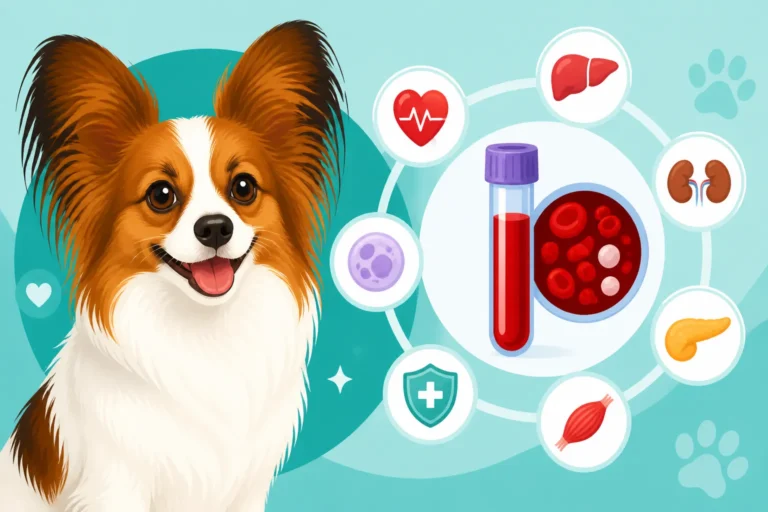
Regular wellness exams, perhaps twice a year instead of annually as they get older, allow your vet to closely monitor their physical condition, including their muscle mass. During these visits, they can perform a thorough physical exam, assess joint health, and discuss any behavioral changes you've observed. These check-ups are also the perfect time to run routine bloodwork. What a Papillon's Yearly Bloodwork Should Cover for seniors usually includes checks for kidney function, liver enzymes, thyroid levels, and blood cell counts, all of which can reveal conditions that contribute to muscle loss or impact their ability to exercise. You can read more about the importance of these visits in How Often a Papillon Needs a Wellness Exam.
Pain management is a huge component of senior care. If your Papillon is experiencing chronic pain from arthritis or other orthopedic issues, they will naturally move less, leading to more muscle loss. Your vet can prescribe appropriate pain medication, anti-inflammatory drugs, or suggest alternative therapies like acupuncture or laser therapy to improve their comfort and encourage more activity. Physical therapy or rehabilitation with a certified canine therapist can also be incredibly beneficial. These specialists can develop personalized exercise plans to rebuild muscle, improve balance, and increase strength safely. Investing in these preventative and supportive measures can be significant, but pet insurance can offer a financial safety net. For instance, reputable providers like Healthy Paws can help cover the costs of diagnostics, medications, and rehabilitation therapies, ensuring you can make the best decisions for your Papillon without undue financial stress. They understand that managing conditions in senior dogs requires comprehensive support.
Living with a Papillon Experiencing Muscle Loss
Living with a senior Papillon whose muscles are declining requires empathy, patience, and a willingness to adapt. While it's sad to witness, focusing on their comfort and quality of life is paramount. Your little butterfly dog still has so much love to give, and with your help, they can enjoy their golden years gracefully.
Adapting the Home Environment
Making simple adjustments around your home can dramatically improve your senior Papillon's mobility, safety, and overall comfort. Preventing falls and making daily activities easier is key to preserving their remaining strength and confidence.
Start by addressing slippery surfaces. Hardwood, tile, or laminate floors can be treacherous for a dog with weakening muscles and reduced balance. Lay down non-slip rugs or runners in high-traffic areas, especially where they eat, drink, or access their favorite resting spots. Consider raised food and water bowls. Bending down low can become uncomfortable or even painful for an arthritic or weak dog. Elevated bowls allow them to eat and drink more comfortably, reducing strain on their neck and joints. Ensure their bed is easily accessible and supportive. Orthopedic beds can provide excellent cushioning for aging joints and offer better support for their bodies. You might also find that they appreciate an extra blanket for warmth, especially since Whether an Old Papillon Feels the Cold can become more of an issue as they age.
Think about how they get on and off furniture. As mentioned, ramps or steps are invaluable for allowing them to safely reach the sofa or bed, reducing impact and preventing injuries. Block off areas that might be dangerous, like steep stairs they could fall down. The goal is to create an environment where your Papillon can move about freely and confidently, without fear of pain or injury, helping them to maintain as much independence as possible.
Prioritizing Quality of Life
Ultimately, caring for a senior Papillon with muscle loss is about prioritizing their quality of life. It’s about ensuring every day is as comfortable, joyful, and dignified as possible.
Gentle handling is crucial. Always support their body carefully when lifting them, especially their hindquarters and spine. Be mindful of their reactions and learn to recognize subtle signs of discomfort or pain. Remember, Papillons are often stoic, and they won't always cry out. Observing their posture, facial expressions, and willingness to engage can tell you a lot about How a Papillon Hides Pain. Consistent veterinary care, as discussed, is essential for pain management and addressing any new health concerns promptly. This might include regular check-ups, medication adjustments, or even considering advanced diagnostics, all of which Healthy Paws can help make more manageable for your budget.
Mental stimulation remains important. Even if their body is slowing down, their intelligent mind still needs engagement. Puzzle toys, gentle scent games, or short, positive reinforcement training sessions can keep their brains active and prevent boredom, which can lead to anxiety or depression. Spend quality time together – gentle grooming, quiet cuddles, or just sitting nearby. These moments strengthen your bond and provide comfort. Understanding the full journey of What Changes in a Papillon After Eleven will help you adjust your expectations and focus on what truly matters: making their remaining years full of love and happiness.
Disclaimer
The information provided in this article is for general informational purposes only and is not a substitute for professional veterinary advice. Always consult with a qualified veterinarian regarding any health concerns or before making any decisions about your pet's medical care or diet.