Whether a Papillon Gets Arthritis From a Slipping Knee
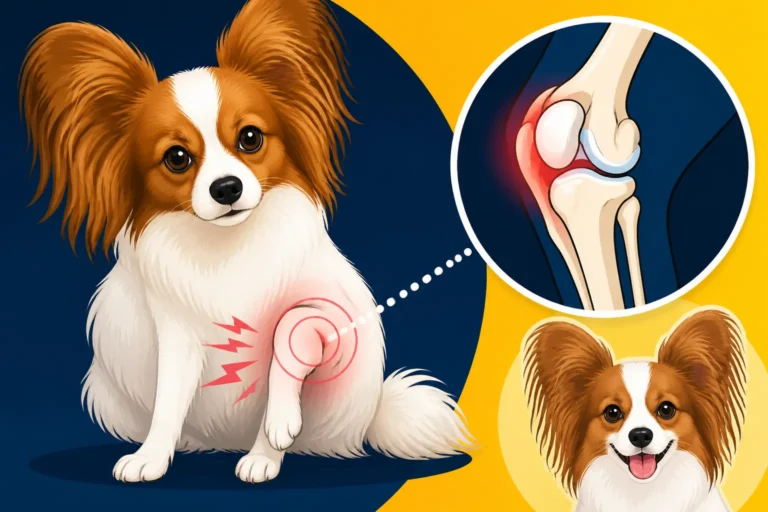
It’s a heart-stopping moment for any Papillon owner: that sudden skip, that little yelp, or the sight of your tiny companion holding up a back leg as if it’s suddenly forgotten how to use it. When your beloved Papillon’s kneecap slips, it’s not just a momentary inconvenience; it’s a terrifying glimpse into a potential future filled with pain and limited mobility. Many of us worry endlessly about what this "luxating patella" means down the line, and a huge concern is whether a slipping knee inevitably leads to debilitating arthritis. This guide aims to clear up those fears, explain the connection, and give you practical steps to help your Papillon live a comfortable, active life despite this common challenge.
Understanding Patellar Luxation in Papillons
Patellar luxation, or a slipping kneecap, is unfortunately a common orthopedic issue in many small breeds, and our agile Papillons are no exception. It happens when the patella (kneecap) dislocates or moves out of its normal groove on the femur (thigh bone). This can be a congenital issue, meaning they’re born with the predisposition due to shallow grooves or misaligned bones, or it can be exacerbated by trauma.
Grades and Types of Luxation
Veterinarians classify patellar luxation into four grades, from mild to severe. Understanding these grades is crucial because they often dictate the severity of symptoms and the recommended course of action.
- Grade I: This is the mildest form. The kneecap can be manually luxated (pushed out of place) but will return to its normal position on its own. Your Papillon might show no symptoms at all, or only an occasional skip in their step. It's easy to dismiss these subtle signs, but even a Grade I can cause issues over time if not managed.
- Grade II: Here, the kneecap luxates spontaneously, meaning it slips out on its own, and sometimes stays out for a short period before returning. You'll likely notice your Papillon skipping, limping, or holding their leg up more frequently. This is often the point where owners start to become concerned, and rightly so. Many Papillons with this grade can still have a great quality of life with careful management, but the risk of long-term joint damage increases.
- Grade III: In this grade, the kneecap is luxated most of the time but can be manually pushed back into place. However, it will slip right back out once the pressure is released. This means your Papillon will consistently be lame, might struggle with certain movements, and you’ll clearly see the impact on their mobility. The joint is unstable, and the underlying bony structures are often affected.
- Grade IV: This is the most severe form. The kneecap is permanently luxated and cannot be manually returned to its normal position. The groove for the patella might be absent or very shallow, and the limb often appears deformed. Dogs with Grade IV luxation experience significant pain and lameness, often struggling to bear weight on the affected leg.
It’s not just about how often the kneecap slips, but also the direction it slips. Medial patellar luxation (MPL), where the kneecap slips towards the inside of the leg, is overwhelmingly more common in small breeds like Papillons. Lateral patellar luxation (LPL), where it slips to the outside, is seen less frequently in Papillons but can occur. If you’ve ever wondered what Patellar Luxation Is the Papillon Problem You Will Actually Meet, the truth is, it's one of the most prevalent orthopedic conditions for these charming little dogs.
Immediate Symptoms and When to Worry
When a Papillon's kneecap slips, the most common symptom is a "skip" or a momentary lameness where they hold up one back leg for a few steps before putting it back down as if nothing happened. This often resolves quickly because the kneecap can pop back into place on its own. Sometimes, though, the leg might stay held up longer, or they might yelp in pain. Other signs can include a reluctance to jump, difficulty going up or down stairs, or an unusual bunny-hopping gait when they run.
It's tempting to dismiss a single skip, but don’t. Early detection is key. Even if your Papillon seems fine most of the time, those repeated slips cause wear and tear. If you observe any of the Signs a Papillon's Kneecap Slips, it's really important to schedule a vet visit sooner rather than later. A vet can assess the grade of luxation and discuss the best course of action. Ignoring these subtle signs can contribute to the very issue we're talking about today: the development of chronic arthritis.
The Connection Between Slipping Knees and Arthritis
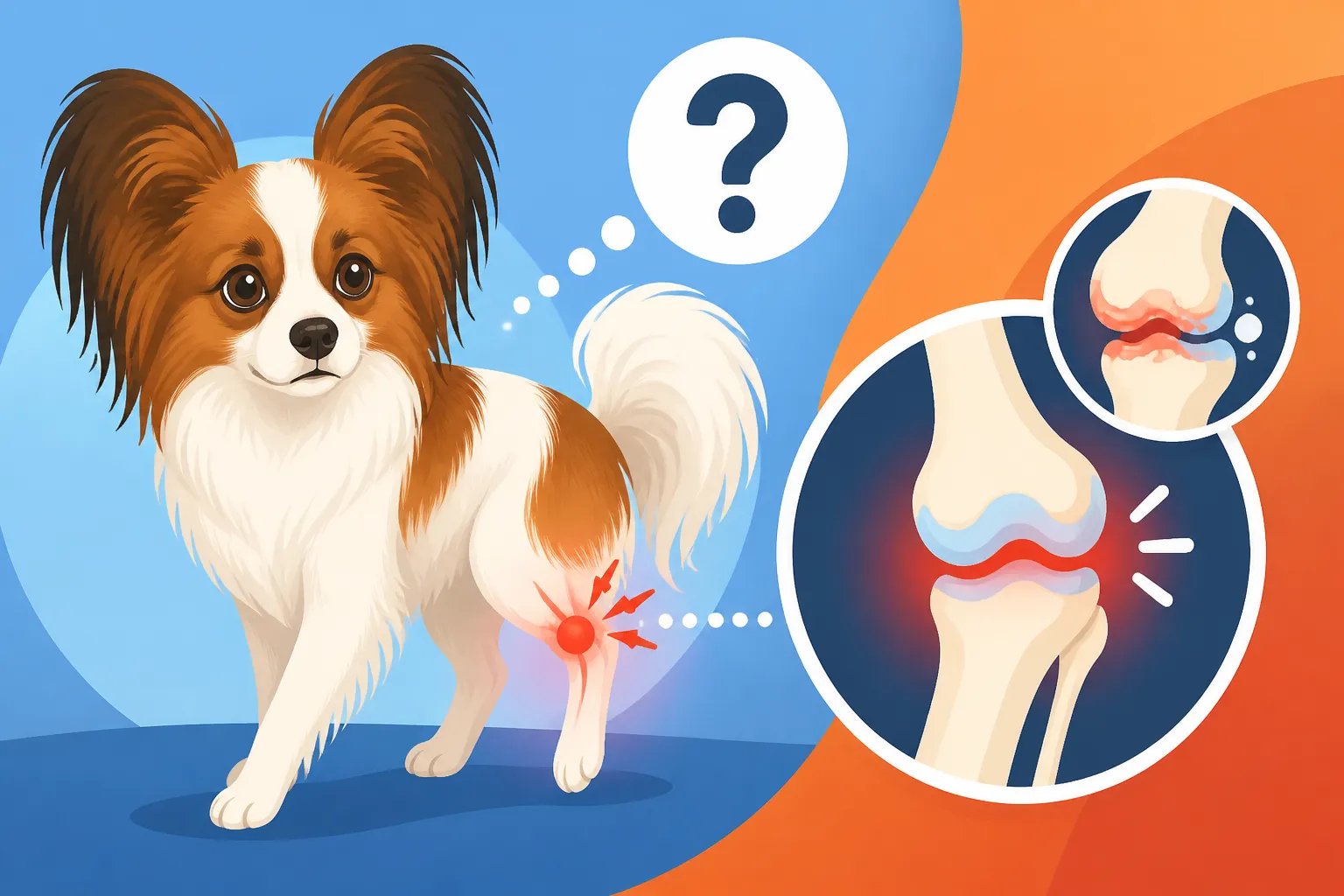
This is the big question, isn't it? Does a slipping knee inevitably mean your Papillon will develop arthritis? The short answer is: yes, it significantly increases the risk, and often, it's a matter of when, not if, without proper management. Each time that kneecap slides out of its groove, it causes friction and abnormal stress on the delicate cartilage within the joint. Over time, this repeated trauma leads to irreversible damage.
How Chronic Instability Leads to Joint Damage
Imagine a train regularly jumping off its tracks. Each time it does, it damages the tracks and the wheels. The same principle applies to your Papillon’s knee. The patella is supposed to glide smoothly within a specific groove. When it repeatedly luxates, it grinds against the edges of that groove and the underlying bone. This constant abnormal movement and friction wear away the smooth articular cartilage that cushions the bones.
This cartilage is crucial for pain-free movement, acting like a shock absorber. Once it starts to erode, the body tries to compensate by laying down new bone, leading to osteophytes (bone spurs) – a hallmark of osteoarthritis. The joint also becomes inflamed, which causes pain, swelling, and further accelerates the breakdown of cartilage. It's a vicious cycle where instability causes damage, and the damage further perpetuates instability. This is precisely what Patellar Luxation Does to a Papillon’s knee over the long term, eventually leading to chronic degenerative joint disease.
The Role of Cartilage Degeneration and Inflammation
Cartilage has a very limited capacity to repair itself. Unlike bone, it doesn't have a direct blood supply, making regeneration incredibly slow and often incomplete. So, once the friction from a slipping patella starts to damage the cartilage, it’s hard to reverse. The inflammation that accompanies each luxation event also releases enzymes that further degrade the existing cartilage.
Chronic inflammation not only causes immediate pain but also changes the entire joint environment. The synovial fluid, which normally lubricates the joint and nourishes the cartilage, can become thinner and less effective. All these factors combine to create an environment where the joint progressively degenerates, leading to the stiffness, pain, and reduced mobility characteristic of arthritis.
When Arthritis Typically Develops
Arthritis isn't an overnight development; it's a slow, progressive disease. For Papillons with patellar luxation, arthritis can start to develop subtly in their middle to senior years, sometimes even earlier if the luxation is severe or has been left unaddressed. A Papillon might not show obvious signs of arthritis until the damage is quite advanced because dogs are incredibly stoic and adept at hiding pain.
Factors influencing the onset and severity of arthritis include:
- Grade of luxation: Higher grades (III and IV) cause more significant and rapid damage.
- Frequency of luxation: Even lower-grade luxations, if they happen often, can lead to earlier arthritis.
- Body weight: Overweight Papillons put more stress on their joints, accelerating cartilage wear. This is a critical point, as Whether Weight Affects a Papillon's Knees is a definite yes.
- Activity level: While exercise is good, uncontrolled high-impact activities on an unstable joint can worsen the damage.
- Genetics: Some Papillons may be genetically predisposed to more severe or earlier onset arthritis.
It’s not uncommon for Papillons to begin showing clearer signs of arthritis around the age of 7-10 years, though some may start earlier. This emphasizes the importance of understanding the long-term implications and proactive care, even for those with mild luxation.
Recognizing and Managing Arthritis in Papillons
Living with a Papillon, especially as they get older, means keeping a close eye on their mobility and comfort. Arthritis can sneak up on you, so knowing what to look for and how to manage it is vital for ensuring your furry friend maintains the best possible quality of life.
Subtle Signs to Look For
Since Papillons are so good at masking discomfort, you'll need to be a detective to spot the early signs of arthritis. It's rarely a sudden onset of severe lameness; instead, it's often a gradual change in behavior or movement.
Look for things like:
- Reluctance to jump: Your Papillon might hesitate before jumping onto the sofa or bed, or they might ask for help more often. They might even opt for stairs or ramps when they used to bound up with ease.
- Stiffness, especially after rest: Notice if they seem stiff or move gingerly after waking up from a nap or in the morning. This often improves once they "warm up" a bit.
- Difficulty with stairs: Going up or down stairs might become slower, or they might avoid them altogether.
- Changes in gait: A subtle limp, a shorter stride, or a general awkwardness in their hindquarters. You might even see them favoring one leg more than another.
- Licking or chewing at joints: While not exclusive to arthritis, excessive licking at a knee or hip can indicate discomfort in that area.
- Reduced activity: They might play less, be less enthusiastic about walks, or tire more quickly.
- Irritability or changes in temperament: Pain can make even the sweetest Papillon grumpy. They might react negatively if you touch their affected joint, or snap if another pet bumps into them.
- Muscle atrophy: Over time, if they're not using a leg properly due to pain, the muscles in that leg might start to shrink.
These subtle changes are your cues to seek veterinary advice. Catching arthritis early can make a significant difference in managing its progression and your Papillon's comfort.
Veterinary Diagnosis and Treatment Options
If you suspect arthritis, your vet will perform a thorough physical examination, checking for pain, range of motion, and muscle mass. They’ll also typically recommend X-rays of the affected joints. While X-rays don’t show cartilage directly, they can reveal secondary signs of arthritis, such as bone spurs (osteophytes), joint space narrowing, and changes in bone density. They may also suggest blood tests to rule out other conditions.
Once diagnosed, managing arthritis in Papillons is usually a multi-modal approach aimed at controlling pain, reducing inflammation, and slowing the progression of joint degeneration.
-
Medication:
- NSAIDs (Non-Steroidal Anti-Inflammatory Drugs): These are commonly prescribed to reduce pain and inflammation. Drugs like carprofen (Rimadyl), meloxicam (Metacam), or firocoxib (Previcox) can be very effective, but require careful monitoring for side effects, especially with long-term use.
- Gabapentin: Often used in conjunction with NSAIDs, gabapentin can help manage neuropathic (nerve-related) pain.
- Amantadine: Another add-on medication for chronic pain that can improve the effectiveness of other pain relievers.
- Supplements: Glucosamine and chondroitin sulfate are popular joint supplements that aim to support cartilage health. Omega-3 fatty acids also have anti-inflammatory properties. These are not cures but can help manage symptoms.
-
Physical Rehabilitation: Just like in humans, physical therapy can be incredibly beneficial. This might include:
- Therapeutic exercises: Gentle range of motion exercises, stretching, and strengthening activities.
- Hydrotherapy: Swimming or underwater treadmill sessions reduce weight-bearing stress on joints while building muscle.
- Therapeutic massage: Can help alleviate muscle tension and improve circulation.
- Laser therapy: Low-level laser therapy can help reduce pain and inflammation.
-
Weight Management: This cannot be stressed enough. Keeping your Papillon at a healthy weight is one of the most impactful things you can do to manage arthritis. Even a few extra ounces can significantly increase the load on already compromised joints. Your vet can help you determine an ideal weight and create a suitable diet plan.
-
Environmental Modifications: Making your home more accessible can greatly improve your Papillon’s comfort. This means providing ramps for furniture, ensuring non-slip surfaces on hard floors, and offering orthopedic beds for better support. Creating a safe home environment, including understanding Whether a Papillon Should Be Stopped From Jumping Off Furniture, is crucial for long-term joint health.
-
Surgery: In some cases, if the patellar luxation is severe (Grade III or IV) and significantly contributing to pain and arthritis, surgical correction might be considered. While surgery can stabilize the knee and prevent further damage, it typically won’t reverse existing arthritis. However, it can prevent it from worsening rapidly. If you're wondering Which Grade of Luxation Needs Fixing in a Papillon, your vet will guide you based on your dog's specific condition and lifestyle. Pet insurance, such as Healthy Paws, can be incredibly helpful for managing the costs associated with both surgical interventions and long-term arthritis management. Knowing What Insurance Covers on a Papillon before issues arise can offer significant peace of mind.
Preventative Measures and Long-Term Care
While we can't completely prevent all health issues, especially those with a genetic component like patellar luxation, there's a lot we can do to minimize the risk of arthritis and manage its progression in our beloved Papillons.
Early Diagnosis and Intervention
The first line of defense is recognizing the problem early. If your Papillon puppy or young adult shows any signs of a slipping kneecap, don't wait. A veterinary examination can determine the grade of luxation. For lower grades (I and II), proactive management might involve physical therapy, weight control, and joint supplements. For higher grades, your vet might recommend surgical intervention to stabilize the joint, which can often prevent or significantly delay the onset of severe arthritis. Discussing "Whether a Papillon Needs Knee Surgery" with your vet as soon as a luxation is diagnosed is a proactive step that can save your dog from years of discomfort.
Weight Management is Crucial
Maintaining an ideal body weight is paramount for Papillons with or at risk of patellar luxation and subsequent arthritis. Every extra pound (or even ounce for these tiny dogs!) increases the stress on their joints. Think about it: a Papillon weighing 8 pounds instead of its ideal 6 pounds is carrying an extra 33% of its body weight, disproportionately straining its small knees. Regular weigh-ins at home and during vet visits can help you stay on track. If your Papillon is already overweight, your vet can help you devise a safe and effective weight loss plan. It’s a simple yet incredibly powerful way to protect their joints.
Creating a Safe Home Environment
Our homes, designed for humans, often pose risks for small dogs like Papillons. Jumping off furniture, slipping on hardwood floors, or navigating stairs can exacerbate knee issues and accelerate joint damage.
Consider these modifications:
- Ramps or steps: Provide ramps or pet stairs for your Papillon to safely access sofas, beds, and other elevated surfaces. This eliminates the impact of jumping down, which is particularly hard on joints.
- Non-slip surfaces: Cover slippery floors (hardwood, tile) with rugs or runners, especially in high-traffic areas where your Papillon runs and plays. This provides better traction and prevents dangerous slips that can twist or injure their knees.
- Restricted access: If stairs are particularly challenging or risky, consider baby gates to restrict access, especially if your Papillon tends to barrel up or down them.
- Comfortable bedding: Invest in an orthopedic dog bed that provides good support for their joints, especially as they age.
These small changes can make a huge difference in protecting your Papillon's knees and overall joint health throughout their life.
The Benefit of Regular Veterinary Check-ups
Regular veterinary check-ups aren't just for vaccinations; they are critical for monitoring your Papillon's overall health, including their joint condition. Your vet can assess their gait, palpate their knees, and discuss any subtle changes you've noticed. This ongoing dialogue allows for early detection of any worsening luxation or signs of arthritis, enabling timely adjustments to their care plan.
As your Papillon ages, especially after they are considered senior, these check-ups become even more important. Caring for a Papillon Past Eleven often means managing age-related conditions like arthritis. Your vet can recommend age-appropriate supplements, diet changes, and exercise routines. Pet insurance providers, like Healthy Paws, can help cover the ongoing costs of these regular veterinary visits and diagnostic tests, ensuring your Papillon receives consistent, high-quality care without breaking the bank. It's an investment in their long-term comfort and well-being.
Living a Full Life with Arthritis
Discovering your Papillon has arthritis can be disheartening, but it’s far from a death sentence for their active lifestyle. With proper management and a dedicated care plan, many Papillons continue to live fulfilling, happy lives. The key is to understand that arthritis is a chronic condition, meaning it requires ongoing attention and adaptation.
Adapting Exercise and Play
While high-impact activities might need to be scaled back, your Papillon still needs regular, gentle exercise to maintain muscle mass and joint flexibility. Short, frequent walks on soft surfaces (like grass or dirt trails) are often better than long, strenuous ones. Avoid activities that involve sharp turns, sudden stops, or excessive jumping. For example, if your Papillon enjoyed agility, you might need to reconsider whether a Papillon Should Do Agility With a Bad Knee, or adapt their training to focus on lower-impact exercises.
Mental stimulation is just as important as physical exercise. Puzzle toys, scent work, and learning new, low-impact tricks can keep their minds engaged and prevent boredom, which can sometimes manifest as destructive behavior or increased pain sensitivity. Keep play sessions short and sweet, always ending on a positive note before they show signs of fatigue or discomfort. Listen to your Papillon; they will tell you when they’ve had enough.
The Importance of Ongoing Management
Arthritis management is a journey, not a destination. What works today might need adjustment in six months. Regular communication with your veterinarian is crucial. They can help monitor your Papillon's progress, adjust medication dosages, or recommend new therapies as needed.
Consider creating a daily routine that incorporates their medication, gentle exercise, and periods of rest. Consistency can help manage pain levels and improve their overall well-being. Remember that managing arthritis is about improving their quality of life, not necessarily curing the condition. This means focusing on comfort, mobility, and happiness, even if it means some adjustments to your shared lifestyle.
Exploring Advanced Therapies
Beyond conventional medications and supplements, there are several advanced therapies that some owners explore for arthritis management, particularly in cases where standard treatments aren't fully effective.
- Platelet-Rich Plasma (PRP) Therapy: This involves drawing your dog's blood, processing it to concentrate the platelets, and then injecting the PRP into the affected joint. Platelets contain growth factors that can help stimulate healing and reduce inflammation.
- Stem Cell Therapy: Adipose-derived stem cells (from fat tissue) or bone marrow-derived stem cells are processed and injected into the joint. These cells have anti-inflammatory properties and can potentially help regenerate damaged tissues, though research is ongoing.
- Acupuncture: Some veterinarians trained in traditional Chinese veterinary medicine offer acupuncture for pain relief and to improve circulation in arthritic joints. Many dogs tolerate this well and show significant improvement.
These therapies are typically more costly and not available everywhere, but they can be valuable options for certain Papillons. It's worth discussing these possibilities with your vet, especially if your Papillon isn't responding adequately to other treatments. Just remember, these are often considered "alternative" or "complementary" therapies and should be pursued under the guidance of a qualified veterinarian. Pet insurance policies like those from Healthy Paws may cover some of these advanced treatments, so always check your specific plan details.
| Arthritis Symptom | Description in Papillons | When to Act | Potential Management |
|---|---|---|---|
| Stiffness | Slow to get up, walks gingerly after rest, especially in AM. | Persistent for more than a day or worsening. | NSAIDs, joint supplements, warm bedding, gentle massage. |
| Limping/Lameness | Holds up leg, bunny-hops, short stride, favors one side. | Becomes more frequent, noticeable, or painful. | Vet exam, X-rays, pain medication, physical therapy. |
| Reluctance to Jump | Hesitates before getting on/off furniture, asks for help. | New behavior, consistent avoidance of favorite spots. | Ramps/steps, lower furniture, controlled exercise. |
| Fatigue | Tires quickly on walks, less enthusiastic about play. | Significant decrease in activity level. | Adjusted exercise routine, balanced diet, rest. |
| Licking Joints | Obsessive licking or chewing at knee, ankle, or hip. | Becomes a frequent or intense behavior. | Vet check for pain, anti-inflammatory treatment. |
| Behavior Changes | Increased irritability, withdrawn, growls when touched. | Out of character, especially when near affected joints. | Pain management, quiet environment, gentle handling. |
| Muscle Loss | Thigh muscles appear smaller on one side compared to the other. | Visibly noticeable, even subtle asymmetry. | Physical therapy, targeted exercises, weight management. |
This table can serve as a quick reference for recognizing signs and understanding initial steps. Your vet is always your best resource for a tailored plan.
Disclaimer
This article is intended for informational purposes only and does not constitute medical advice. Always consult with a qualified veterinarian for any health concerns or before making any decisions about your Papillon's health or treatment plan.