Whether a Papillon Breeder Should Have Knees Certified
One of the most heartbreaking realities of loving small dog breeds like the Papillon is the ever-present worry about their delicate joints, especially those tiny kneecaps. It's a concern that keeps many prospective owners up at night: how do you ensure your future furry family member has the best start, free from potential lifelong orthopedic issues? This guide delves deep into why it's not just a good idea, but absolutely essential, for a Papillon breeder to have their dogs’ knees certified, helping you navigate the complex world of responsible breeding.
Understanding Patellar Luxation in Papillons
When you fall in love with a Papillon, you're charmed by their delicate appearance, their spirited nature, and those gorgeous butterfly ears. But beneath that elegant exterior, there can be a vulnerability that responsible breeders strive to protect: their knees. Patellar luxation, often just called "slipping kneecaps," is a widespread issue in many small breeds, and Papillons are unfortunately no exception.
What is Patellar Luxation?
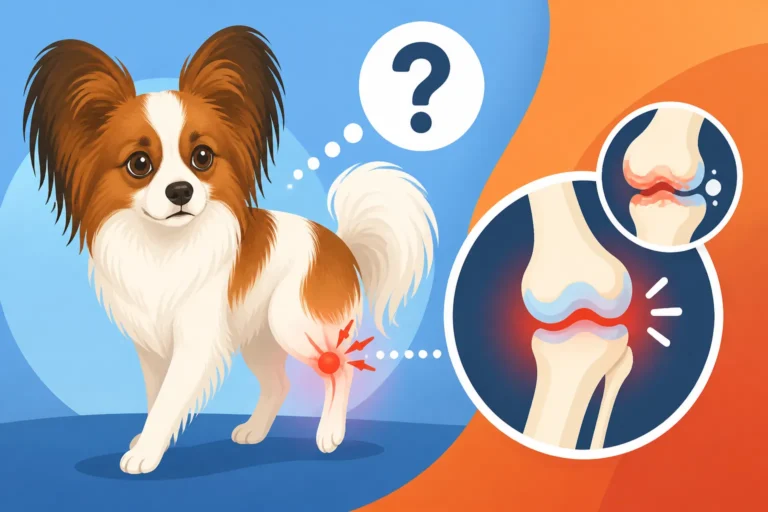
Imagine your own kneecap. It's supposed to sit snugly in a groove at the end of your thigh bone (femur), gliding smoothly as you bend and straighten your leg. Now imagine if, every so often, that kneecap decided to pop out of its groove. That's essentially what happens with patellar luxation. In Papillons, this usually means the kneecap (patella) slips to the inside of the leg (medial luxation), though it can occasionally slip to the outside (lateral luxation).
The severity is typically graded from 1 to 4:
- Grade 1: The patella can be manually luxated but returns to its normal position spontaneously. Your dog might skip a step now and then, but it's often not in constant pain.
- Grade 2: The patella luxates spontaneously and stays luxated for a short period, or can be manually returned to place. This is where you might see that characteristic "skipping" gait more frequently, where the dog will hold up a leg for a few steps before putting weight on it again. It can be quite alarming to witness for the first time.
- Grade 3: The patella is luxated most of the time but can be manually reduced. At this stage, your Papillon will likely have a noticeably abnormal gait, often described as bow-legged if the luxation is medial.
- Grade 4: The patella is permanently luxated and cannot be manually returned to its normal position. This is the most severe form, often leading to significant lameness, chronic pain, and severe arthritis.
For a deeper dive into the mechanics and consequences, you might want to read our article on What Patellar Luxation Does to a Papillon. The implications range from mild discomfort and a quirky gait to debilitating pain and the need for expensive surgery. It's a condition that can significantly impact a Papillon's quality of life, especially considering their active and playful personalities.
Why are Papillons Prone to This Condition?
It's a frustrating truth for many Papillon enthusiasts: their beloved breed is just naturally more susceptible to patellar luxation. This isn't due to poor care or bad luck; it's largely genetic. The bones and ligaments that make up their knee joints are often structured in a way that predisposes them to this problem. Specifically, the groove in the femur where the patella sits might be too shallow, or the alignment of the leg bones might be off, causing the patella to track improperly.
While genetics are the primary culprit, environmental factors can sometimes exacerbate the issue, or even cause a milder form to worsen. Things like excessive jumping from high places, repetitive strenuous activities on slippery surfaces, or even an accidental fall can put undue stress on already predisposed joints. However, even the most careful owner cannot prevent a genetically inherited condition. This is why the focus shifts to breeders to make responsible choices. If you're curious about the prevalence, we cover it in more detail in How Common Patellar Luxation Is in Papillons. Understanding this genetic link is the cornerstone of why knee certification for breeding Papillons isn't just a suggestion, but a fundamental responsibility.
The Importance of Knee Certification for Breeders
When you’re looking for a Papillon puppy, you’re not just choosing a pet; you're often committing to a companion for well over a decade. The last thing you want is to spend those years managing a painful, chronic condition that could have been avoided with responsible breeding practices. This is where knee certification becomes a non-negotiable standard for reputable Papillon breeders.
What Does "Knee Certified" Mean?
"Knee certified" isn't just a fancy term a breeder uses; it refers to a specific, standardized process to evaluate a dog's patellar health. The most widely recognized certification body in the United States is the Orthopedic Foundation for Animals (OFA). For a dog to receive OFA certification for patellas, they must undergo a veterinary examination, typically performed by a general veterinarian or, ideally, a veterinary orthopedic specialist. During this exam, the vet will manipulate the dog's kneecaps to check for any instability or luxation.
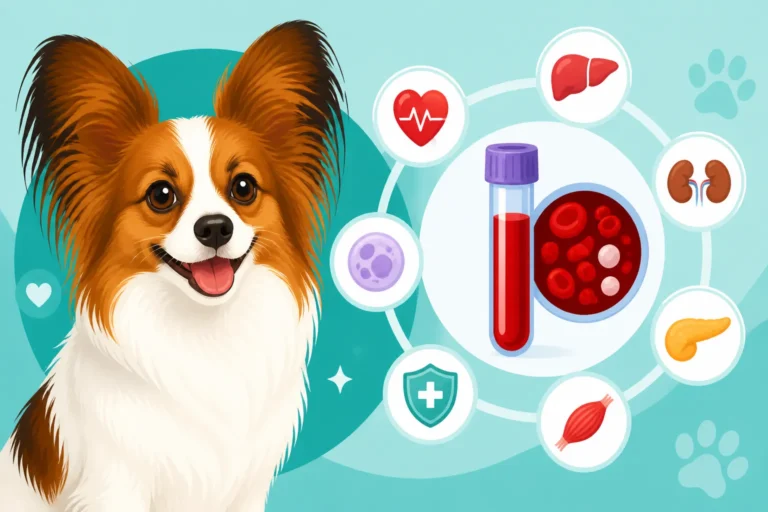
The findings are then submitted to the OFA, where veterinary orthopedic specialists review the results and assign a grade (Normal, Grade 1, 2, 3, or 4). Only dogs evaluated as "Normal" are considered certified and suitable for breeding, as their knees show no signs of luxation. This certification provides an objective, professional assessment of a dog's knee health, going beyond a breeder's personal opinion or a quick check-up. It's a tangible piece of evidence that a breeder is actively screening their dogs for inherited conditions. If you're wondering about other health tests, our guide on What a Papillon Breeder Should Have Tested provides a comprehensive overview. This rigorous evaluation ensures that breeding decisions are based on sound health principles, minimizing the risk of passing on debilitating conditions to future generations.
Benefits of Certification for the Breed and Owners
The benefits of breeders certifying their Papillons' knees are far-reaching, impacting not only the individual puppies but the entire breed's health legacy.
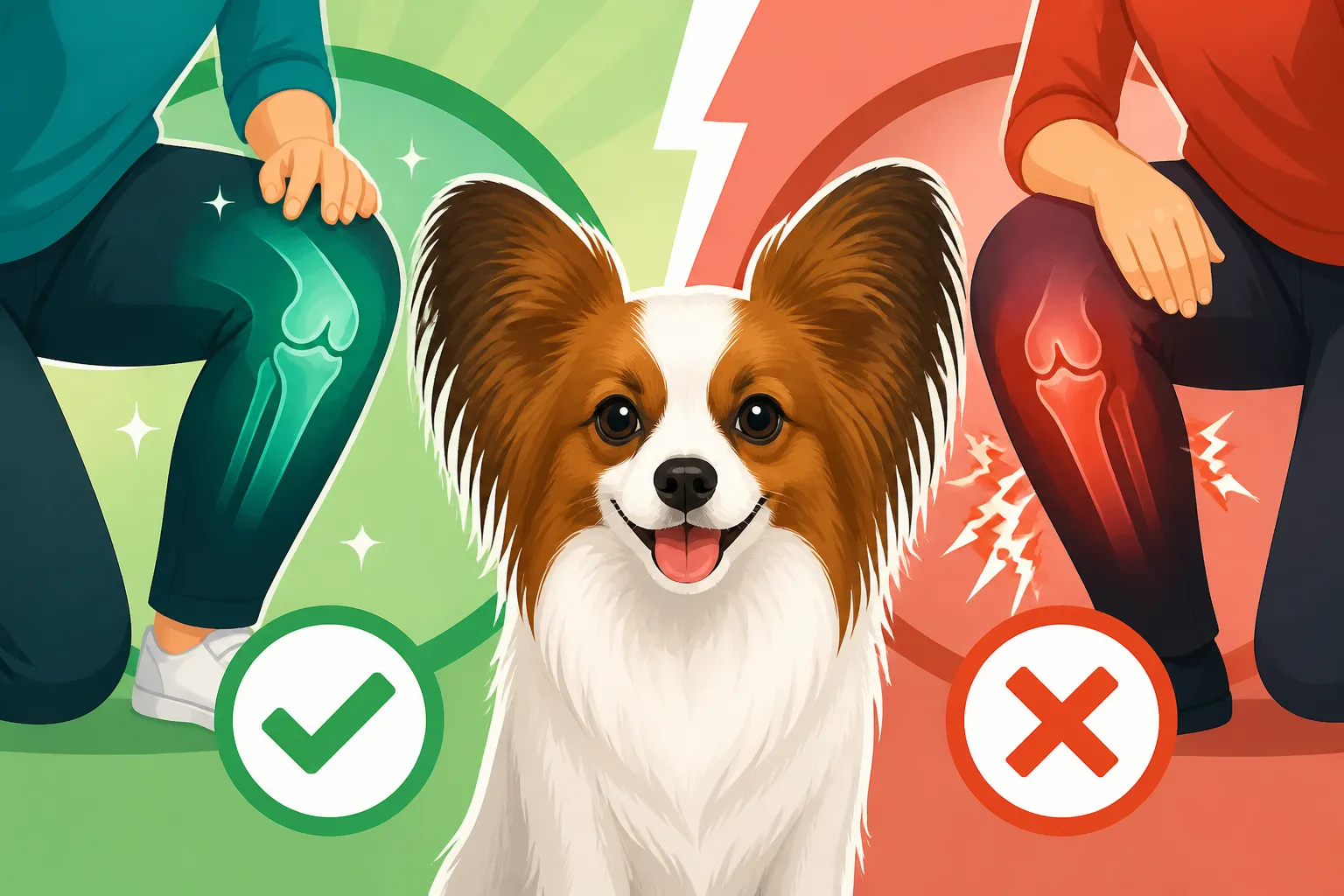
First and foremost, it’s about reducing the incidence of patellar luxation. By breeding only dogs with normal knees, breeders are actively working to eliminate the genes that cause this condition from the Papillon gene pool. This commitment to health ensures that fewer puppies will suffer from the discomfort, pain, and limited mobility associated with slipping kneecaps. It’s a proactive step towards a healthier future for the breed.
Secondly, for prospective owners, choosing a puppy from certified parents provides immense peace of mind. You know that the breeder has done their due diligence, taking concrete steps to ensure their puppies have the best possible genetic start. This significantly lowers your risk of facing expensive veterinary bills for corrective surgery or lifelong management of arthritis. Let's be honest, knee surgery is not cheap, and many Papillon owners find that Knee Surgery Is the Bill Most Papillon Owners Meet is a sobering reality. Having a puppy from certified parents can feel like a small insurance policy against this potential financial and emotional burden, though it's important to remember that even certified parents can occasionally produce a puppy with issues, just at a significantly reduced rate.
Furthermore, certification contributes to a breeder's reputation and transparency. A breeder who proudly displays OFA certificates for their breeding stock is demonstrating a commitment to ethical practices and the well-being of their dogs. They aren't hiding anything; they are actively proving their efforts to produce healthy, sound puppies. This transparency builds trust and empowers buyers to make informed decisions.
In terms of financial preparedness, even with certified parents, unforeseen accidents or other health issues can arise. This is where having pet insurance like Healthy Paws can be incredibly valuable. While many insurance policies might exclude pre-existing conditions like patellar luxation if it's diagnosed before or shortly after enrollment, Healthy Paws, like other reputable providers, can offer coverage for new accidents and illnesses that pop up. A responsible breeder will guide you on the best time to insure your puppy and what to look out for in terms of coverage. It adds another layer of protection for you and your furry friend.
What to Look For in a Responsible Papillon Breeder
Finding a Papillon puppy can be an exciting time, but it's also a critical one. Your choice of breeder will have a monumental impact on the health, temperament, and overall well-being of your future companion. A responsible breeder goes above and beyond merely producing puppies; they are dedicated custodians of the breed.
Asking for Proof of Health Clearances
This is perhaps the single most important step you can take. A reputable Papillon breeder will not only readily tell you about the health testing they do but will be eager to show you the proof. Don't be shy about asking. You're making a significant commitment, and you have every right to ensure it's a sound one.
When it comes to patellar luxation, you should specifically ask for OFA certifications (or equivalent from other reputable organizations in different countries, like BVA in the UK) for both the puppy's mother and father. These certificates will clearly state the dog's name, breed, date of birth, and the specific health clearance result—in this case, "Patella: Normal."
Here’s what to look for and how to verify:
- OFA Public Database: The Orthopedic Foundation for Animals maintains a public database on their website. You can ask the breeder for the registered names or OFA numbers of the parent dogs and then search the database yourself to verify their certifications. This ensures the certificates are legitimate and up-to-date.
- Physical Documents: The breeder should also have physical copies of these certificates to show you when you visit. This demonstrates their organization and transparency.
- Date of Certification: Ensure the certifications are recent enough to be relevant. While patella certifications are usually done once after the dog is at least 12 months old, it’s good to see that the breeder consistently tests their breeding stock.
It's not just about knees, either. Responsible Papillon breeders also screen for Progressive Retinal Atrophy (PRA1), a serious eye condition that can lead to blindness, and potentially Neuroaxonal Dystrophy (NAD). Our guide on Which Health Tests a Papillon Breeder Should Run goes into more detail about these other crucial screenings. A breeder who truly cares will have a comprehensive health testing program, not just a bare minimum. They understand that these tests are vital to producing healthy puppies.
Beyond Just Certification: Other Breeder Practices
While health certifications are non-negotiable, a truly responsible breeder offers so much more than just a clean bill of health for their breeding dogs. They are educators, mentors, and advocates for their puppies throughout their lives. When you are on the hunt for your new Papillon, you’ll definitely want to find Finding a Papillon Breeder Who Tests Eyes and Knees, but also look for these additional signs of a great breeder:
- Transparency and Openness: A good breeder will welcome your questions, allow you to visit their facility (or meet in a clean, safe environment), and be open about their breeding practices. They won't pressure you into a quick decision.
- Puppy Environment: Observe where the puppies are raised. Are they in a clean, stimulating home environment, or are they kept in outdoor kennels or isolated? Puppies should be well-socialized, accustomed to household noises, and handled regularly.
- Temperament: Spend time with the parent dogs if possible, especially the mother. Her temperament is often a good indicator of what the puppies will be like. Papillons should be friendly, confident, and outgoing, not overly shy or aggressive.
- Puppy Health Checks: Your puppy should come with a vet check-up, age-appropriate vaccinations, and deworming. Ask for records of these.
- Contract and Health Guarantee: A reputable breeder will provide a written contract that outlines their responsibilities and yours. This often includes a health guarantee for genetic conditions. Be sure to read it carefully and ask questions. This can be especially important for conditions like patellar luxation, although most guarantees will offer a replacement puppy or partial refund, rather than cover extensive surgery costs directly.
- Lifetime Support: A truly responsible breeder will be a resource for you for the lifetime of your Papillon. They want updates, and they'll be there to offer advice and support if any issues arise. They'll also stipulate that if for any reason you can no longer care for your Papillon, they should be the first point of contact to take the dog back.
- Waiting Lists: Quality takes time. Don't be surprised if there's a waiting list for a puppy from a reputable breeder. This is often a sign that they prioritize quality over quantity and have a high demand due to their excellent practices.
Think of it this way: a good breeder isn't just selling you a puppy; they're welcoming you into their extended dog family. They want to ensure their puppies go to loving, prepared homes, and they prepare you for responsible ownership. They understand that issues like luxating patellas can cause significant worry and expense, and they aim to minimize that burden for their puppy families. This is also where understanding pet insurance like Healthy Paws comes in handy; a good breeder will discuss with you how best to prepare for any unexpected vet costs, no matter how healthy the puppy seems.
The Realities and Challenges
While the benefits of knee certification are clear, it's also important to understand the realities that breeders face and why not every breeder adheres to these high standards. It’s a complex issue with financial, ethical, and practical considerations that ultimately impact the availability and cost of healthy Papillon puppies.
The Cost and Effort for Breeders
Being a responsible Papillon breeder is a labor of love, but it’s also a significant financial and time commitment. Health testing, including patellar certification, is just one piece of that puzzle, but it's a crucial and often expensive one.
Consider the steps involved:
- Veterinary Exams: Each dog used for breeding must undergo a thorough veterinary examination. This isn't just a quick peek; it's a detailed orthopedic assessment that takes time and specific expertise.
- OFA Submission Fees: Submitting the results to the OFA for official certification incurs fees for each test. These fees add up, especially for a breeder with multiple breeding dogs.
- Specialist Consultations: In some cases, a general vet might recommend an orthopedic specialist for a second opinion or for a more advanced evaluation, adding further costs.
- Lost Breeding Opportunities: If a dog that a breeder had planned to use turns out to have luxating patellas (even a low grade), a responsible breeder will remove that dog from their breeding program. This means the investment of raising, training, and caring for that dog is effectively "lost" in terms of breeding, but it's a necessary sacrifice for the health of the breed.
These costs are inevitably factored into the price of a puppy. This is why Why a Tested Papillon Litter Costs More is a direct reflection of a breeder's commitment to health. While it might seem like a higher upfront cost, it's often a fraction of what you might pay down the line for veterinary treatment for an uncertified dog with health issues. Responsible breeders aren't cutting corners; they're making investments in the future health of their lines and, ultimately, the well-being of the puppies they produce.
What if a Breeder Doesn't Certify?
Encountering a breeder who doesn't certify their breeding stock's knees is a significant red flag, and it's something you should approach with extreme caution. While they might offer various excuses—"my vet said they're fine," "it's too expensive," "I've never had a problem"—these are rarely sufficient to override the importance of standardized health clearances.
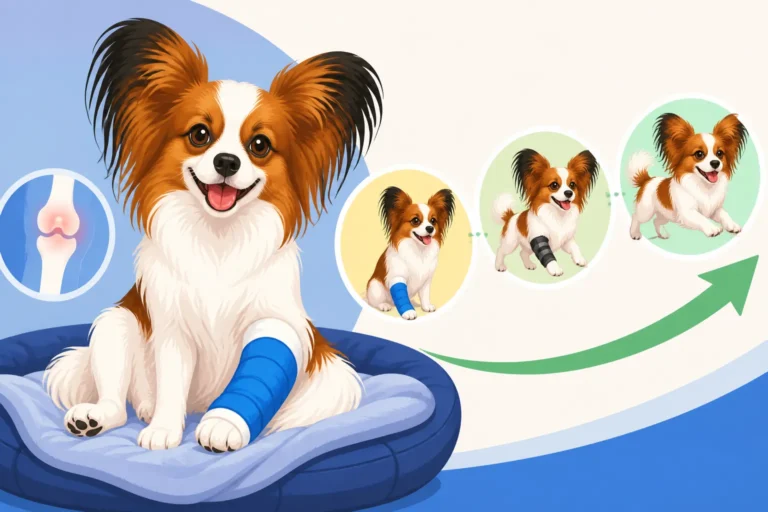
The primary risk of buying from such a breeder is the high potential for genetic health issues. Without certified parents, you have no objective assurance about the genetic predisposition of your puppy. Your adorable Papillon puppy might appear perfectly healthy at eight or ten weeks, but the genetic blueprint for patellar luxation could be silently waiting to manifest as they grow. This can lead to your Papillon developing grades of patellar luxation that require medication, physical therapy, or even surgery, as outlined in Whether a Papillon Needs Knee Surgery. Watching your beloved companion struggle with pain or limited mobility is heartbreaking, and the financial strain of chronic veterinary care or surgical interventions can be immense.
Furthermore, a lack of certification can signal a lack of transparency or a disregard for breed health standards. It suggests that the breeder might not be fully invested in the long-term well-being of the puppies they produce, or perhaps they simply don't understand the importance of these tests. This can leave you, the owner, on the hook for a condition that could have been largely preventable.
When it comes to pet insurance, the lack of certified parents can also pose challenges. Many insurance companies, like Healthy Paws, consider patellar luxation a hereditary or congenital condition. If your puppy develops symptoms of patellar luxation before or shortly after enrolling in pet insurance, it could be deemed a pre-existing condition and therefore excluded from coverage. This is a crucial point, and it directly ties into Whether a Papillon's Knee Counts as Congenital. While pet insurance is a wise investment, it's not a substitute for responsible breeding practices. You want to give your puppy the best chance at a healthy life from day one, and certified parents are a huge part of that. Therefore, a warning sign like What a Cheap Papillon Puppy Signals can often point to a lack of proper health screening, leading to much higher costs and heartache down the road.
Choosing a puppy from a breeder who has invested in proper health clearances is choosing to support ethical practices and prioritize the long-term health and happiness of your Papillon.
Comparison Table: Certified vs. Uncertified Breeders
To summarize the critical differences, here's a quick comparison:
| Feature | Breeder with Certified Knees | Breeder without Certified Knees |
|---|---|---|
| Health Guarantee | Usually offers a health guarantee against genetic issues. | May offer a limited or no health guarantee. |
| Transparency | Provides OFA certificates (or equivalent), allows verification. | May offer vague assurances or no proof; avoids public databases. |
| Risk of Patellar Luxation | Significantly reduced risk of puppies developing the condition. | Higher risk of puppies developing patellar luxation. |
| Veterinary Costs | Lower likelihood of needing expensive orthopedic treatments. | Higher likelihood of needing costly surgeries and lifelong management. |
| Ethical Standards | Demonstrates commitment to breed health and responsible practices. | May prioritize profit over health, or be unaware of best practices. |
| Peace of Mind for Owner | Much higher, knowing parents were screened. | Lower, with constant worry about potential issues. |
| Cost of Puppy | Typically higher upfront cost. | Often lower upfront cost, but higher potential lifetime costs. |
Disclaimer
The information provided in this article is for general informational purposes only and does not constitute veterinary advice. Always consult with a qualified veterinarian for any health concerns or before making any decisions about your pet's health or treatment.