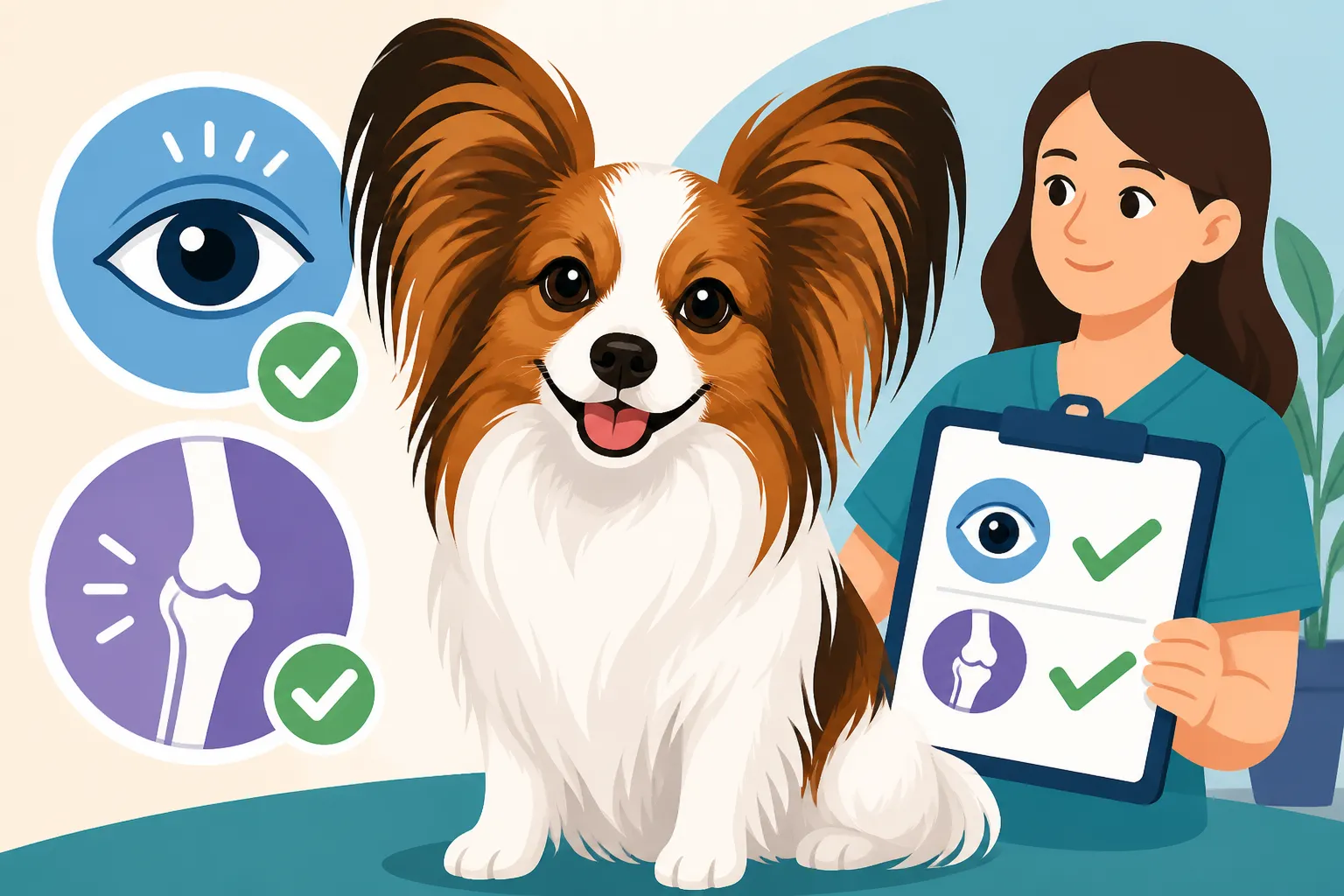
Finding a Papillon Breeder Who Tests Eyes and Knees
Bringing a Papillon into your home is an absolute joy, but it also comes with a significant responsibility: ensuring you're choosing a healthy puppy from a reputable source. It’s easy to get swept away by adorable puppy pictures, but the true mark of an ethical breeder lies in their dedication to health testing, especially for common Papillon issues like patellar luxation and certain eye conditions. This guide is here to walk you through exactly what to look for, what questions to ask, and how to confidently find a Papillon breeder who prioritizes the long-term well-being of their puppies by rigorously testing for these crucial health concerns.
Why Health Testing is Non-Negotiable for Papillons
When you're looking for a Papillon, it's not just about finding a cute face; it's about finding a sound, healthy companion who will be with you for many happy years. While Papillons are generally considered a robust breed, like all purebreds, they can be predisposed to certain genetic conditions. A responsible breeder understands these risks and actively works to minimize them through careful breeding practices and comprehensive health testing. Ignoring these tests isn't just a gamble; it's potentially setting yourself up for heartache and significant veterinary bills down the road. It’s about being proactive for your future furry family member.
Understanding Patellar Luxation in Papillons
Patellar luxation, often just called a "slipping kneecap," is one of the most common orthopedic issues we see in small breeds like our beloved Papillons. Imagine your knee cap, or patella, suddenly popping out of its normal groove. Ouch, right? While it might not always cause immediate pain, it can lead to chronic discomfort, arthritis, and in severe cases, a complete inability to use the leg. This condition is often hereditary, meaning it's passed down from parents to puppies, which is precisely why responsible breeders take it so seriously.
The kneecap can slip to the inside (medial luxation) or outside (lateral luxation) of the thigh bone. There are different grades, from Grade 1 (minimal slipping, often self-correcting) to Grade 4 (permanently luxated, severe lameness). While a Papillon might only skip a step or hold up a leg occasionally with a lower grade, it can progress and become more debilitating. Many owners are surprised to learn that Patellar Luxation Is the Papillon Problem You Will Actually Meet, and it’s a critical concern that should be addressed long before a puppy even arrives in your home. It’s vital to understand What Patellar Luxation Does to a Papillon over its lifetime, as early detection and management can make a huge difference. Without proper screening, you're rolling the dice on whether your tiny companion will face mobility challenges or require costly surgery later on. This is not a fun surprise to receive with a young dog, and it's something truly dedicated breeders strive to prevent.
The Importance of Eye Health Screening (PRA1)
Another significant health concern for Papillons is Progressive Retinal Atrophy (PRA), specifically a type known as PRA1. This condition is a group of degenerative diseases that affect the retina, the light-sensitive tissue at the back of the eye. Over time, the cells in the retina deteriorate, leading to vision loss and, eventually, blindness. For Papillons, PRA1 is linked to the CNGB1 gene, making it a truly genetic condition that can be tested for. It’s a heartbreaking diagnosis because it means slowly watching your vibrant, active dog lose its sight.
Early symptoms might include night blindness, as the rods (cells responsible for low-light vision) are often affected first. As the disease progresses, daylight vision will also diminish. Imagine your Papillon, so full of life and curiosity, suddenly bumping into furniture in familiar surroundings. It’s a difficult reality to face, and the good news is that with modern genetic testing, much of this can be avoided. The Papillon Type of Progressive Retinal Atrophy and the CNGB1 Gene is a specific genetic mutation that breeders can now screen for, meaning they can make informed decisions to prevent passing this debilitating condition on to future generations. Understanding Which Gene Causes PRA in a Papillon is the first step in advocating for proper screening. Breeders who genuinely care about the long-term health and quality of life for their puppies will absolutely be performing these eye health screenings, using both physical examinations and genetic DNA tests to ensure they are breeding away from this devastating disease.
Deciphering Breeder Health Certifications and Registries
When you start talking to breeders, you're going to hear a lot of acronyms and terms related to health testing. It can feel like wading through alphabet soup! But understanding what these certifications mean and why they're important is key to distinguishing a truly responsible breeder from someone who just breeds puppies. These certifications aren't just pieces of paper; they represent years of scientific research and dedication from veterinary specialists to improve the health of specific breeds. They provide a documented history of a dog's health, giving you, as a prospective owner, peace of mind.
The Role of OFA and CERF/CAER
Let's break down the big ones. The Orthopedic Foundation for Animals, or OFA, is a widely recognized organization in the United States that maintains health databases for various genetic diseases in dogs. For Papillons and their patellar luxation concerns, OFA certification is the gold standard. A veterinarian, usually a specialist, will examine the dog's knees and assign a grade (from normal to Grade 4 luxation). Only dogs with "Normal" or "Excellent" ratings should be considered for breeding. A breeder should be able to provide OFA certification numbers for both parents, which you can often verify on the OFA website. This transparency is crucial. You want to see that Whether a Papillon Breeder Certifies Knees isn't just a boast, but a documented fact.
For eye health, the Canine Eye Registry Foundation (CERF) used to be the primary registry. While CERF no longer exists as a stand-alone entity, its function has been taken over by the OFA's Companion Animal Eye Registry, or CAER. A CAER exam involves a board-certified veterinary ophthalmologist conducting a thorough eye examination to screen for a variety of inherited eye diseases, including cataracts, glaucoma, and of course, different forms of PRA. These exams are usually done annually for breeding dogs because eye conditions can develop over time. A clear CAER exam indicates that, at the time of the exam, the dog showed no signs of detectable inherited eye disease. It’s a vital piece of the puzzle, and asking Whether a Papillon's Eyes Should Be CERF Checked (or now, CAER checked) is an intelligent question that will tell you a lot about a breeder’s commitment to health. These physical exams, combined with DNA tests, offer the most comprehensive picture of a dog's eye health.
Understanding Genetic DNA Tests
While physical exams like OFA and CAER are absolutely critical, they only tell you what is currently observable in a dog. They don't always tell you if a dog is a carrier for a genetic disease that might not show symptoms but could still be passed on to puppies. This is where DNA tests come in, providing an invaluable layer of insight into a dog's genetic makeup. For Papillons, the specific DNA test for PRA1, which identifies the CNGB1 gene mutation, is incredibly important.
Genetic DNA tests work by analyzing a dog's genetic material, usually obtained from a simple cheek swab. The results tell you if a dog is "clear" (meaning it doesn't carry the gene), a "carrier" (meaning it carries one copy of the gene but won't develop the disease, though it can pass it on), or "affected" (meaning it has two copies of the gene and will develop the disease). Responsible breeders use these tests to ensure they don't breed two carriers together, as this pairing could produce affected puppies. For instance, knowing the results of The DNA Test for Papillon Retinal Atrophy allows a breeder to make educated decisions, preventing the birth of puppies destined for blindness. Beyond PRA1, some breeders also test for other genetic conditions like Neuroaxonal Dystrophy, a severe neurological disorder. Knowing the status for The DNA Test for Papillon Neuroaxonal Dystrophy gives a holistic view of the parents' genetic health. These DNA tests are relatively new compared to OFA/CAER, but they offer powerful tools for eliminating hereditary diseases from future generations, moving beyond just managing the disease to preventing it entirely.
Questions to Ask a Papillon Breeder About Health
When you’re talking to a breeder, think of it as an interview, both ways. They’re interviewing you to make sure you’re a good home for their puppy, and you’re interviewing them to ensure they’re a responsible and ethical source. Don't be shy about asking direct and detailed questions about their health testing practices. A good breeder will welcome your questions and be eager to share their knowledge and documentation. If a breeder seems defensive or evasive when you bring up health testing, consider that a major red flag. This isn't just about curiosity; it's about due diligence for a living, breathing creature that will become a part of your family.
Probing About Patellar Luxation Testing
This is one of the most critical areas to dig into. Patellar luxation can lead to ongoing issues and significant expenses, so you want to ensure the parents have been screened thoroughly. Start by asking, "Are both parent dogs OFA certified for their patellas?" Then, don't just stop there. Follow up with, "What were their specific OFA scores, and can I see copies of the certificates or look them up on the OFA website?" A truly reputable breeder will have this information readily available and often has it posted on their own website.
You want to hear that both parents received a "Normal" rating. If a breeder tells you their vet "checked the knees" and they're fine, that's not enough. A general vet check-up is not the same as an official OFA certification by a specialist. Push for those official certificates. If they hedge, or say things like, "Oh, it's never been an issue in my lines," but can't produce documentation, be wary. Remember, Which Health Tests a Papillon Breeder Should Run goes beyond just basic vet visits; it includes these specialized screenings. A breeder should be able to articulate their specific breeding philosophy regarding patellar health, explaining how they select mates to improve the overall health of the breed, not just their own kennel. They might even explain that while a Grade 1 luxation could technically be passed, truly dedicated breeders often only breed "Normal" or "Excellent" rated dogs to avoid even the slightest risk.
Inquiring About Eye and Other Genetic Screenings
Eye health is just as crucial, and it requires a combination of physical exams and genetic tests. You should ask, "When was the last CAER (Companion Animal Eye Registry) exam performed on both parent dogs, and can I see the results?" As mentioned, these exams should ideally be done annually for breeding dogs to ensure ongoing eye health. The results will typically list any observed conditions, or, ideally, state that the eyes are free of inheritable disease.
Beyond the physical exam, delve into the genetic side: "Have both parents been DNA tested for PRA1 (Progressive Retinal Atrophy type 1), which is specific to Papillons, for the CNGB1 gene?" Again, a responsible breeder will have these results and be eager to share them. They should be able to tell you if the parents are "clear," "carrier," or "affected." For breeding purposes, you never want to breed two carriers together. Ideally, you want to see parents who are both clear. If one parent is a carrier, the other should always be clear to ensure no affected puppies are produced. This demonstrates a deep understanding of genetics and a commitment to preventing inherited diseases. Knowing Whether a Papillon Breeder Runs the PRA1 Test is a key indicator of their integrity. You might also ask about other DNA tests, such as for Neuroaxonal Dystrophy, if it’s a concern in their specific lines or geographic region. A breeder who invests in these comprehensive panels is showing a strong commitment to producing the healthiest puppies possible, reflecting ethical breeding practices rather than simply backyard breeding.
Red Flags and Green Lights: What to Look For
Finding a Papillon breeder can feel like a treasure hunt, but once you know what to look for, the good ones truly shine. It's not just about what they say, but what they do and how they conduct their entire operation. You're looking for someone whose actions consistently demonstrate a deep commitment to the welfare of their dogs and the integrity of the Papillon breed. Don't let your enthusiasm for a puppy blind you to potential issues; take your time and observe.
Recognizing a Reputable Breeder
A reputable breeder will be an open book. They'll communicate clearly, answer all your questions without hesitation, and be eager to educate you about the breed and their specific lines. This transparency is a huge green light. They should be more than willing to show you all health records, including OFA certificates for patellas and CAER/DNA test results for eyes. Many will have copies printed, or even accessible online through OFA's public database. They'll talk passionately about their dogs, their breeding program, and their goals for the breed.
You should expect to visit their home or primary kennel facility, not meet in a neutral location. This allows you to see where the puppies are raised – you want to see a clean, safe environment where the dogs are clearly cherished members of the family, not housed in outdoor kennels or isolated areas. The parent dogs should be well-socialized, friendly, and healthy-looking. A reputable breeder will also be knowledgeable about breed standards, temperament, and common Papillon traits. They should ask you plenty of questions about your lifestyle and experience, demonstrating they care deeply about where their puppies go. Expect a waitlist; good breeders don't usually have puppies available on demand, and How Long the Waitlist for a Papillon Runs is often an indicator of their reputation. They will also offer ongoing support and be a resource for you throughout your dog's life, showing their long-term commitment.
Identifying Potential Problems
Unfortunately, not everyone breeding dogs has the best intentions, or even the basic knowledge required for responsible breeding. Learning to spot the red flags can save you immense heartache and financial strain. The biggest red flag is a lack of transparency around health testing. If a breeder can't or won't provide verifiable health records for the parents' eyes and knees, walk away. Claims like "my vet said they're healthy" without official documentation are simply not good enough.
Another major warning sign is being able to pick up a puppy immediately, with no waitlist. Responsible breeding takes time and planning, and popular, healthy litters are almost always reserved in advance. Be wary of breeders who have multiple litters available from various breeds or offer a constantly rotating stock of puppies – this often points to a commercial breeding operation, or "puppy mill," which prioritizes profit over welfare. Meeting in a neutral location like a park or roadside rest stop is another huge red flag; you need to see the environment where the puppies were raised. Any breeder who pushes for an immediate sale, doesn't ask you any questions, or seems more interested in the money than the home the puppy is going to, should raise concerns. Also, be suspicious of prices that seem unusually low. As the saying goes, if it sounds too good to be true, it probably is. What a Cheap Papillon Puppy Signals is often a lack of health testing, proper nutrition, vet care, or early socialization – all critical investments that cost a responsible breeder time and money. Avoid breeders who make grand claims about "rare" colors or "teacup" sizes, as these are often marketing ploys that can indicate poor breeding practices and potential health issues.
Navigating Breeder Contracts and Guarantees
So, you’ve found a breeder who ticks all the boxes – they’re transparent, knowledgeable, and their dogs are clearly loved and well-cared for. Now comes the paperwork: the contract and health guarantee. This might seem like a formality, but it’s an incredibly important document that outlines the responsibilities of both you and the breeder. Don’t skim it; read it carefully, ask questions, and make sure you understand every clause. A well-written contract protects everyone involved and demonstrates the breeder's continued commitment to their puppies, even after they've left their care.
What a Good Health Guarantee Includes
A robust health guarantee is a cornerstone of a reputable breeder's contract. This document should explicitly state what health conditions are covered, especially those relevant to Papillons, such as patellar luxation and PRA1. Typically, a health guarantee will offer some form of recourse if a puppy develops a serious, verifiable genetic health condition within a specified timeframe, often a year or two for congenital defects. This might include a partial refund, a replacement puppy from a future litter, or assistance with veterinary costs up to a certain amount.
It's crucial to understand the specifics. For example, the health guarantee should detail how patellar luxation is handled if diagnosed after purchase. Does it cover the cost of surgery if needed, or offer a replacement? Be realistic; no breeder can guarantee a dog will never have any health issues, but they can guarantee against known hereditary defects from their lines. The guarantee often requires you to take the puppy to your own vet for a check-up within a few days of bringing it home, validating the puppy’s health at the time of transfer. This shows the breeder stands behind their puppies and is confident in their health. If a breeder has no health guarantee or a very vague one, that's a red flag. What a Papillon Breeder Contract Requires should be clear, detailed, and cover foreseeable genetic health issues specific to the breed.
The Importance of a Spay/Neuter Clause and Limited Registration
Many reputable breeders will include clauses in their contract that dictate when and if a puppy can be bred, and often require spaying or neutering. For pet-quality puppies, this almost always means selling them on a "limited registration." This is not a slight against your puppy; it's a protective measure for the breed and a clear indicator of a responsible breeder's ethics.
Limited registration means that while your Papillon is a purebred and can participate in many AKC events (like agility, obedience, rally, and trick titles), any puppies it produces cannot be registered. This prevents indiscriminate breeding and ensures that only dogs carefully evaluated for health, temperament, and conformation are used for breeding programs. It shows that the breeder is committed to improving the breed and preventing individuals from breeding dogs without proper health clearances or a clear understanding of genetics. Whether a Papillon Comes on Limited Registration is a very common practice for pet puppies and should be expected. The contract might also specify an age by which the dog must be spayed or neutered. This helps control the pet population and prevents accidental litters, underscoring the breeder's dedication to responsible pet ownership. If a breeder offers full registration on a pet-quality puppy without question, or encourages you to breed without providing extensive guidance and mentorship, proceed with caution.
Lifelong Health Management: Beyond the Breeder
Finding a healthy Papillon puppy from a reputable breeder is an amazing start, but it's just that—a start. Your role as a responsible owner continues throughout your dog's life. Even the healthiest puppy from the most thoroughly tested parents can face unforeseen health challenges or simply needs consistent preventative care to thrive. Think of it as a partnership: the breeder did their best to give you a sound foundation, and now it's your turn to build upon it with excellent daily care and vigilance.
Ongoing Veterinary Care and Preventative Measures
One of the most important things you can do for your Papillon is to establish a strong relationship with a trusted veterinarian from day one. Regular annual check-ups are non-negotiable, even if your Papillon seems perfectly healthy. These visits allow your vet to monitor your dog's weight, listen to their heart and lungs, check their teeth, and assess their overall condition. Early detection of any potential issues is key to effective treatment.
Preventative care also includes maintaining a healthy weight – even a few extra ounces can put strain on tiny Papillon joints and potentially exacerbate issues like patellar luxation. Regular exercise appropriate for their size helps keep muscles strong, supporting those small knees. Don't forget the importance of dental care. Papillons are notoriously prone to dental disease due to their small mouths and crowded teeth. Daily brushing at home, combined with professional dental cleanings as recommended by your vet, can significantly impact their overall health and lifespan. It’s a sad reality that The Teeth in a Papillon's Small Jaw are often a problem area, and understanding How Common Dental Disease Is in Papillons will help you prioritize this aspect of their care. Remember, preventative care is always less costly and less stressful than dealing with a full-blown health crisis.
Considering Pet Insurance for Unexpected Costs
Even with the most meticulous breeder and the best preventative care, life happens. Accidents and illnesses can strike unexpectedly, and veterinary costs can quickly add up, especially for complex surgeries or chronic conditions. This is where pet insurance can be a real lifeline. While a good breeder minimizes genetic risks, they can’t prevent every possibility.
Having pet insurance provides a financial safety net, allowing you to make medical decisions based on what’s best for your Papillon, rather than what you can afford at that moment. Many policies cover a wide range of services, from emergency care to specialist consultations, and even some hereditary conditions if enrolled before diagnosis. When researching providers like Healthy Paws, make sure to read the fine print about waiting periods and pre-existing conditions. For example, if your Papillon does develop patellar luxation, Whether Insurance Covers a Papillon's Knees will depend entirely on when you enrolled and whether it was deemed a pre-existing condition before coverage began. It’s always best to enroll your puppy as early as possible to ensure maximum coverage for anything that might arise later. Consider the potential long-term costs, such as Knee Surgery Is the Bill Most Papillon Owners Meet, and factor insurance into your budget.
Diet and Nutrition for Joint and Eye Health
A high-quality, balanced diet is fundamental to your Papillon's overall health, including supporting their joints and eyes. Just like humans, dogs need proper nutrients to maintain strong bones, healthy cartilage, and clear vision. Look for dog foods that list real meat as the first ingredient and avoid excessive fillers or artificial additives. Brands like Chewy and Ollie offer a variety of high-quality options, from kibble to fresh food, that can cater to a Papillon's specific needs.
Some foods are even formulated with ingredients known to support joint health, such as glucosamine and chondroitin, or eye health, like antioxidants. While these aren't a substitute for genetic testing or veterinary care, they can play a supportive role. Consult your veterinarian about the best diet for your individual Papillon, taking into account their age, activity level, and any specific health concerns. Proper hydration is also vital; ensure your Papillon always has access to fresh, clean water. A well-nourished Papillon is better equipped to resist illness and maintain good health throughout their long life.
What to Do if You Inherit a Papillon Without Known History
Sometimes, life throws us curveballs, and we end up with a Papillon whose background is a complete mystery. Maybe you adopted from a rescue organization, took in a stray, or inherited a dog from a friend. In these situations, you won't have access to the meticulous health records that a reputable breeder provides, and that's okay! It just means you need to be extra proactive in understanding and managing your new companion's health. You’re giving a deserving dog a loving home, and there are absolutely steps you can take to ensure they have the healthiest life possible.
Getting Your Papillon Health Screened
The very first step for any Papillon whose history is unknown is a comprehensive veterinary check-up. This isn't just a basic vaccine visit; it’s an opportunity for your vet to conduct a thorough physical examination, including palpating the patellas to check for luxation and doing a general eye exam. Don't hesitate to specifically ask for these checks, explaining that the dog's history is unknown. Your vet may recommend further diagnostics.
For example, if the vet suspects patellar luxation, X-rays might be suggested to assess the severity and look for signs of arthritis. For eyes, a referral to a veterinary ophthalmologist for a CAER exam can provide a detailed assessment for inherited eye diseases. While you can't go back in time to test the parents, you can test your current Papillon to understand their health status. This proactive approach gives you valuable information, allowing you to plan for their future care and address any potential issues early. Many dogs come into rescue with unknown backgrounds, but Adopting a Papillon From Rescue means you're often getting a dog whose initial vet assessment is already complete. Regardless, follow up with your own vet to establish their baseline health.
Proactive Care for Unknown Risks
Once you have a better understanding of your Papillon's health status, you can implement proactive care strategies tailored to their needs. If there’s a risk of patellar luxation, for instance, you might focus on maintaining a lean body weight, providing joint supplements (under vet guidance), and modifying their environment to reduce jumping (e.g., ramps to furniture, non-slip rugs). For eye conditions, ensuring a consistent environment and routine can help a dog with limited vision navigate comfortably.
Beyond specific conditions, focus on overall wellness: a high-quality diet, appropriate exercise, regular grooming, and consistent dental care. Stay vigilant for any changes in behavior, appetite, or mobility, and report them to your vet promptly. The beauty of the Papillon breed is their resilience and adaptability. Even if your Papillon has some health challenges due to an unknown background, your dedication to proactive care can significantly enhance their quality of life. It’s all about creating a supportive and healthy environment, doing your best to manage potential risks, and showering them with love.
Comparing Papillon Health Tests
To give you a clearer picture, here’s a quick overview of the key health tests we've discussed for Papillons and what they cover:
| Test Type | What it Screens For | Method | What the Results Tell You | Frequency for Breeding Dogs |
|---|---|---|---|---|
| OFA Patella | Patellar Luxation (slipping kneecaps) | Physical orthopedic examination by a specialist | Grades 0 (Normal) to 4 (Severe Luxation) | Once, after 12 months of age |
| CAER Exam | Inherited Eye Diseases (e.g., PRA, cataracts, glaucoma) | Physical eye exam by a board-certified ophthalmologist | Clear (no disease found) or specific disease diagnoses | Annually |
| DNA Test (PRA1) | Genetic mutation for Progressive Retinal Atrophy type 1 (CNGB1 gene) | Cheek swab or blood sample analyzed in a lab | Clear (no mutation), Carrier (one copy), Affected (two copies) | Once in a lifetime |
| DNA Test (NAD) | Genetic mutation for Neuroaxonal Dystrophy (if applicable) | Cheek swab or blood sample analyzed in a lab | Clear (no mutation), Carrier (one copy), Affected (two copies) | Once in a lifetime |
This table highlights why a combination of physical exams and genetic DNA tests provides the most comprehensive picture of a Papillon's health status and helps responsible breeders make informed decisions to produce healthier puppies.
Disclaimer
This article is for general informational purposes only and does not constitute professional advice. Laws, prices and regulations vary by location and change over time. Consult a qualified professional for guidance on your specific situation.