Where Papillon Rescues Operate
Finding a Papillon to welcome into your home can sometimes feel like a treasure hunt, especially if your heart is set on giving a loving home to a dog in need. While many people think of breeders first, the truth is that wonderful Papillons often find themselves in rescue situations through no fault of their own. This guide will walk you through the various avenues where Papillon rescues operate, helping you understand where to look and what to expect on your journey to finding your new companion.
The Landscape of Papillon Rescues: Where to Begin Your Search
It’s easy to feel overwhelmed when you decide to adopt a rescue dog. There are so many organizations out there, and it's not always clear which ones are the most effective or how to even start. But when it comes to a specific breed like the Papillon, you can often narrow your focus considerably. Understanding the different types of rescues and their structures is the first step in making your search a lot less daunting and a lot more successful.
Understanding Breed-Specific vs. All-Breed Rescues
When you're looking for a Papillon, your best bet is often a breed-specific rescue. These organizations are dedicated solely to Papillons and sometimes their close relatives, like Phalenes. The people who run these rescues are usually passionate experts in the breed. They know the Papillon's quirks, common health issues, and typical temperament traits inside and out. This deep understanding means they're often better equipped to match you with a dog whose personality and needs align perfectly with your family and lifestyle. They can tell you about Why a Papillon's Jaw Crowds Its Teeth or Patellar Luxation Is the Papillon Problem You Will Actually Meet, giving you a realistic picture of potential care needs.
On the other hand, you might also find Papillons in all-breed rescues or general shelters. These places take in dogs of all shapes, sizes, and breeds. While they do amazing work, their staff might not have the same specialized knowledge about Papillons specifically. If you go this route, you’ll need to do a bit more legwork yourself to ensure the dog's background and health are thoroughly assessed. Sometimes, a "Papillon mix" in a general shelter might turn out to be mostly Papillon, but it’s harder to be sure about inherited health traits or typical breed behaviors without that expert assessment.
National Networks and Regional Chapters
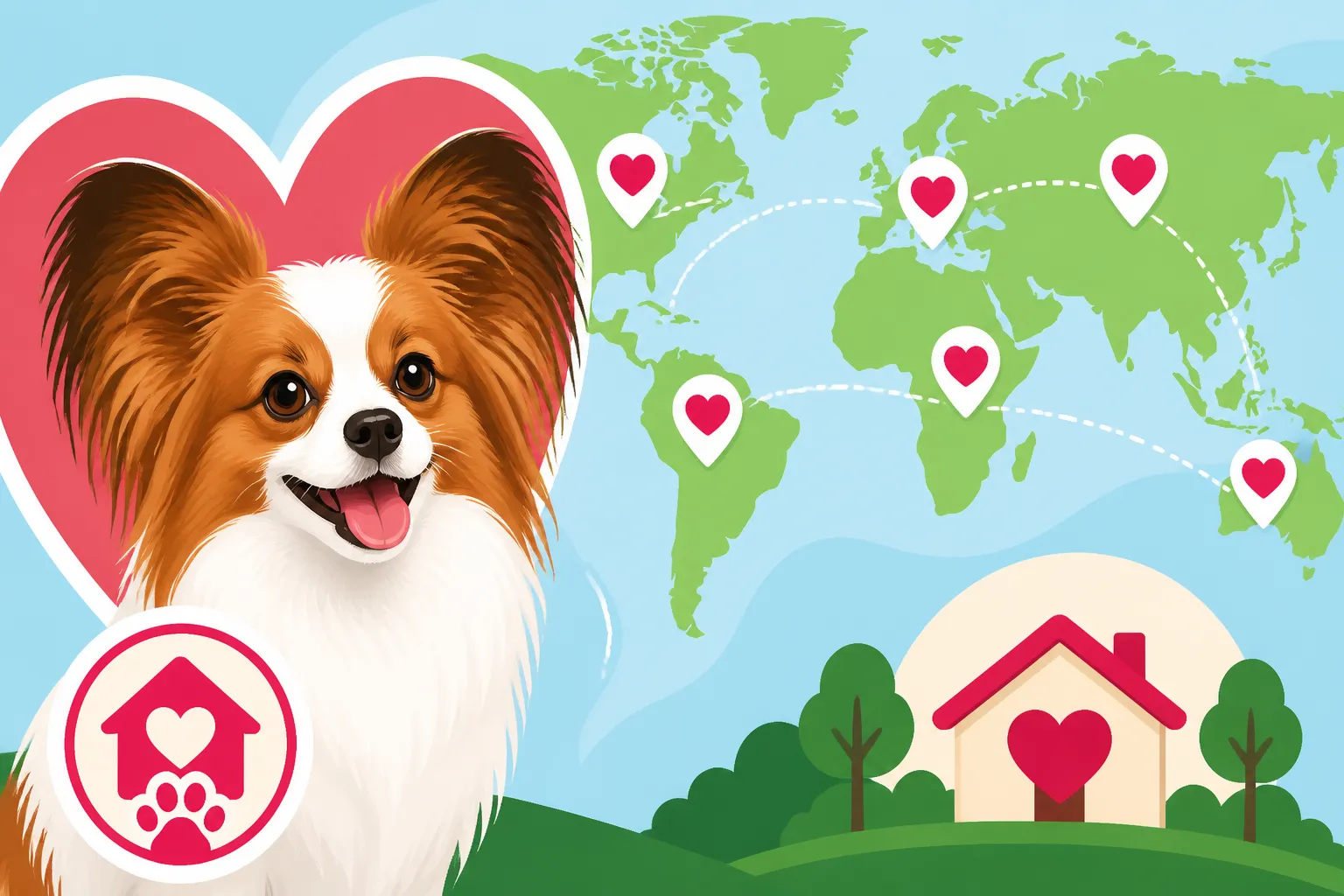
Many breed-specific Papillon rescues operate as part of larger national networks, or they might be independent organizations covering a specific region, state, or even a smaller cluster of communities. A national network often has a central website where you can submit an application or find links to their various regional chapters. This is incredibly helpful because it means you can reach a wider pool of available dogs without having to scour dozens of individual websites. These networks often have consistent vetting processes and can sometimes facilitate transport for a dog that might be a few states away.
Regional chapters, while smaller, often have a more intimate knowledge of the dogs in their immediate area and the families looking to adopt. They might rely heavily on foster homes rather than a central facility, which is fantastic for the dogs as they get to live in a home environment while waiting for their forever family. This home environment allows fosters to gain invaluable insights into a dog's true personality, house training status, and how they interact with other pets or children. Remember, whether it's national or regional, these rescues are typically volunteer-run, so patience and clear communication are key. You might be asked Which Questions to Ask a Papillon Breeder, but with a rescue, the questions flow both ways to ensure the best fit.
Why Papillons End Up in Rescue
It’s a sad reality that dogs, even delightful Papillons, sometimes end up in rescue. Often, it's not due to any fault of their own, but rather a change in their owner's circumstances. Life happens, right? People move, families grow or shrink, jobs change, or financial situations shift. A common reason we see in rescue for dogs of all breeds is an owner's health declining or passing away, leaving their beloved pet without a home. It’s heart-wrenching, but these dogs are often well-loved and well-socialized, just suddenly displaced.
Sometimes, a Papillon comes into rescue because their previous owners simply weren't prepared for the realities of the breed. Maybe they underestimated the training needs of such a smart little dog, or perhaps they weren't ready for the commitment of Dental Work Over a Papillon's Long Life. Sometimes, health issues arise, like a Patellar Luxation Is the Papillon Problem You Will Actually Meet, and the owner can't afford the veterinary care. Rescues step in to ensure these dogs receive necessary medical attention, rehabilitation, and a second chance at a truly forever home. Understanding these reasons can help you approach adoption with an open heart and a clear picture of the commitment required. You can find more details on why these wonderful dogs need new homes in Why Papillons Come Into Rescue.
Practical Steps to Finding Your Rescue Papillon
Once you understand the types of rescues out there, it's time to roll up your sleeves and start the actual search. This part requires a bit of detective work and a lot of patience, but the reward of finding your perfect Papillon companion is absolutely worth every minute. Don't get discouraged if you don't find a dog immediately; the right one will come along.
Online Resources and Search Strategies
The internet is your most powerful tool when looking for a rescue Papillon. Start by searching for "Papillon rescue" along with your state or a neighboring state. This will often lead you to breed-specific organizations. Most of these rescues maintain websites or active social media pages where they post available dogs, adoption events, and information about their mission. Don't just look at the first page of search results; dig a little deeper.
Beyond breed-specific sites, broad adoption platforms like Petfinder and Adopt-a-Pet are invaluable. These sites aggregate listings from thousands of rescues and shelters across the country. You can set up alerts for "Papillon" in your desired radius, and you'll receive notifications when a potential match becomes available. Remember, pictures and descriptions on these sites are often a first impression. A dog that might not look "perfect" in a photo could be exactly what you're looking for in person. Many rescues also have Facebook groups or Instagram accounts where they share updates, new arrivals, and success stories. Following these can keep you informed and help you get a feel for the rescue's community and values.
Leveraging Local Community Connections
While online resources are extensive, don't underestimate the power of your local community. Your veterinarian's office is an excellent place to start. Vets often have relationships with local rescues or foster networks and might know of Papillons looking for homes, or they can point you to reputable local organizations. Groomers who specialize in small breeds are another fantastic resource; they see many Papillons and often know the local dog community inside and out. Pet supply stores, especially independent ones, sometimes have bulletin boards with rescue information or host adoption events. Even reaching out to local Papillon owners you might meet at a dog park or on a walk can yield surprising leads, as word-of-mouth is a powerful tool in the rescue world.
Local breed clubs can also be a goldmine. Even if you're not interested in showing or breeding, these clubs are typically very involved in rescue efforts for their breed. They often have a dedicated rescue contact person who can connect you with available dogs or put you on a waiting list. These connections can be particularly valuable because the people involved are usually deeply committed and knowledgeable about Papillons.
Initial Contact and Application Processes
Once you find a rescue that seems promising, the next step is usually to fill out an application. This isn't just busywork; it's a critical part of the rescue's process to ensure their dogs go to safe, loving, and appropriate homes. Expect questions about your living situation (do you rent or own? is your yard fenced?), your experience with dogs, your lifestyle, and what you're looking for in a pet. Be honest and thorough in your answers. They want to ensure a good match for both you and the dog. Some rescues might even ask for vet references, so make sure any previous pet care providers are aware they might receive a call.
After the initial application, a volunteer might contact you for a phone interview. This is your chance to ask questions too! Inquire about the dog's history, temperament, health status (e.g., Whether a Rescue Papillon's Knees Have Been Checked or Whether a Rescue Papillon's Teeth Need Work), and any known behavioral quirks. It’s a two-way street to determine compatibility. Remember, rescues are looking for committed, responsible owners. Showing genuine interest and responsiveness throughout this process will demonstrate your seriousness.
The Adoption Journey: What Comes Next After You Find Them
Finding a potential Papillon in rescue is an exciting moment, but it's just the beginning of the journey. The adoption process itself involves several steps designed to ensure the best possible outcome for both you and your new furry family member. Being prepared for these steps will make the transition smoother for everyone.
Screening, Home Visits, and Compatibility
Following your application and interview, many rescues conduct a home visit. This isn't about judging your housekeeping skills, but rather about ensuring the environment is safe and suitable for a Papillon. They'll look for things like secure fencing, potential hazards, and how your current pets might interact with a new dog. This is also a great opportunity for you to ask questions specific to your home setup and get advice on integrating a new dog. For instance, they might offer guidance on whether Ramps Help a Papillon's Knees to prevent injuries from jumping off furniture.
The rescue's ultimate goal is a successful placement. They'll often facilitate "meet and greets" with the Papillon you're interested in, sometimes at the foster's home or a neutral location. If you have other pets, they'll want to see how everyone interacts. If you have children, their behavior with the dog will also be observed. Compatibility is key for a lifelong bond. Be honest about your family's dynamic and lifestyle, and trust the rescue's experience in matching dogs with appropriate homes. Sometimes, the dog you thought was "the one" might not be the best fit, and the rescue might suggest another Papillon whose personality aligns better with yours.
Understanding Adoption Fees and What They Cover
Yes, there's usually an adoption fee, but it's important to understand what it represents. This isn't a "purchase price" for the dog; it's a recouping of some of the costs the rescue has already incurred. These fees help cover essential veterinary care, which for a rescue Papillon can be extensive. This often includes spaying or neutering, vaccinations, microchipping, deworming, and any necessary medical treatments for illnesses or injuries the dog arrived with. For instance, if a Papillon came in with dental issues, the fee helps offset the cost of their cleaning or extractions. You can read more about this in What a Papillon Rescue Charges.
Consider the cost of a routine vet visit, let alone specialized care or surgery. These fees rarely cover the full cost of what a rescue invests in each dog, as many rely heavily on donations and volunteer labor. So, while it's an expense, it's a vital contribution to the rescue's ability to save more lives. Knowing that your fee contributes to the well-being of many dogs, not just the one you're taking home, can make it feel much more meaningful. After adoption, you might want to look into pet insurance options like Healthy Paws to help manage future veterinary expenses, especially for a breed known for certain health predispositions.
Preparing Your Home for a Rescue Papillon
Bringing a new dog into your home, especially a rescue, requires some preparation. Think of it like preparing for a new baby, but with more chew toys! First, gather all the essentials: food and water bowls, a comfortable bed (perhaps even a few, in different spots), a crate if you plan to crate train, a leash, collar/harness, and ID tags. Consider a brand like Chewy for a wide selection of these supplies, often delivered right to your door.
Next, dog-proof your home. Papillons are small but can get into surprisingly tight spaces. Move anything potentially toxic or breakable out of reach. If you have stairs, consider Whether a Papillon Should Be Carried Downstairs to protect their delicate joints. Think about what your Papillon will eat. Many rescues send their dogs home with a small supply of their current food, but you'll want to have a plan for transitioning if you choose a different brand, perhaps a high-quality option like Ollie tailored to their needs. Prepare a quiet, safe space where your Papillon can decompress and feel secure during their initial adjustment period. A new environment can be overwhelming, so a designated "safe zone" is incredibly helpful. This foundational preparation sets both of you up for success.
Beyond Adoption: Supporting the Lifeline of Papillon Rescue
Your journey with Papillon rescue doesn't have to end once you bring your new family member home. These organizations thrive on community support, and there are countless ways you can contribute, whether through your time, resources, or advocacy. Every little bit helps these dedicated volunteers continue their vital work.
Volunteering and Fostering Opportunities
Rescues, especially breed-specific ones, are almost entirely powered by volunteers. If you have a few hours to spare each week, consider offering your time. This could involve anything from administrative tasks, social media management, event planning, or even transport – driving dogs to vet appointments or from one foster home to another. Even seemingly small contributions can have a huge impact on the rescue's operational capacity.
Perhaps one of the most impactful ways to help is by becoming a foster parent. Fostering provides a temporary home for a Papillon in need, offering them a safe, loving environment outside of a shelter. This is crucial for their physical and emotional well-being, helping them decompress, learn house manners, and show their true personalities. Foster parents play a critical role in evaluating a dog's temperament and needs, which helps the rescue make better adoption matches. If you've got the space and the heart, opening your home to a foster Papillon is an incredibly rewarding experience that directly saves lives.
Donations and Community Involvement
Financial contributions are always welcome and directly support the rescue's mission. As discussed with adoption fees, veterinary bills are a constant and significant expense. Donations ensure that every Papillon receives the medical care they need, from routine check-ups to life-saving surgeries. Even small, recurring donations can add up and provide predictable support for ongoing expenses like food, medications, and supplies. Many rescues are registered non-profits, meaning your donations could be tax-deductible.
Beyond direct financial help, community involvement is key. Share the rescue's posts on social media to help spread the word about adoptable dogs or fundraising campaigns. Attend their adoption events, even if you're not looking to adopt another dog right now; your presence supports the cause and helps them engage with the public. Consider organizing a small fundraiser within your own community, like a bake sale or a pet supply drive, perhaps collecting unopened food bags or toys that can be purchased from retailers like Chewy. The more people who are aware of and support Papillon rescue, the more dogs can be helped.
Advocating for Responsible Ownership
One of the long-term goals of any rescue organization is to reduce the number of dogs that end up in rescue in the first place. You can be a powerful advocate for responsible pet ownership simply by sharing your positive adoption story and educating others. Talk about the importance of spaying and neutering to control pet overpopulation. Emphasize the commitment involved in owning a dog, highlighting that a Papillon isn't just a cute accessory, but a loyal companion who requires ongoing care, training, and veterinary attention throughout How Long a Papillon Lives.
Encourage potential owners to research breeds thoroughly before committing and to consider adoption first. By promoting ethical practices and informed decision-making, you help create a better future for all dogs. This extends to understanding potential health issues, like the specific type of PRA The Papillon Type of Progressive Retinal Atrophy and the CNGB1 Gene, and supporting breeders who prioritize health testing. Ultimately, every person who adopts, volunteers, or advocates helps build a stronger network of support for Papillons in need.
Common Rescue Scenarios and How They Are Addressed
Understanding the typical situations that lead Papillons to rescue can shed light on the dedication of these organizations and what you might encounter.
| Reason for Surrender | Rescue Action / Support Provided | Potential Adoption Considerations |
|---|---|---|
| Owner's Health/Passing | Full medical check-up, often grief counseling for family | May be older, house-trained, well-socialized; minimal behavioral issues. Check Caring for an Aging Papillon. |
| Unprepared Owners | Behavioral assessment, basic training reinforcement, medical care | May have minor training gaps (e.g., house training, barking); requires patience and consistency. |
| Financial Hardship | Veterinary care, food, rehabilitation | Health issues may have been neglected; may require ongoing medical management. |
| Changes in Living Situation | Foster care, socialization, transport | Potentially stressed by change; needs secure, stable environment. |
| Found Stray/Neglected | Extensive medical care, grooming, behavioral rehabilitation | Unknown history; may require significant patience and specialized training. |
This table illustrates that rescues invest heavily in preparing dogs for their new lives. They assess Whether a Papillon Is Worth the Knee Risk or other health concerns and provide necessary treatment, allowing you to bring home a dog with a much clearer health picture than you might get from an unknown source.
Disclaimer
This article is for general informational purposes only and does not constitute professional advice. Laws, prices and regulations vary by location and change over time. Consult a qualified professional for guidance on your specific situation.