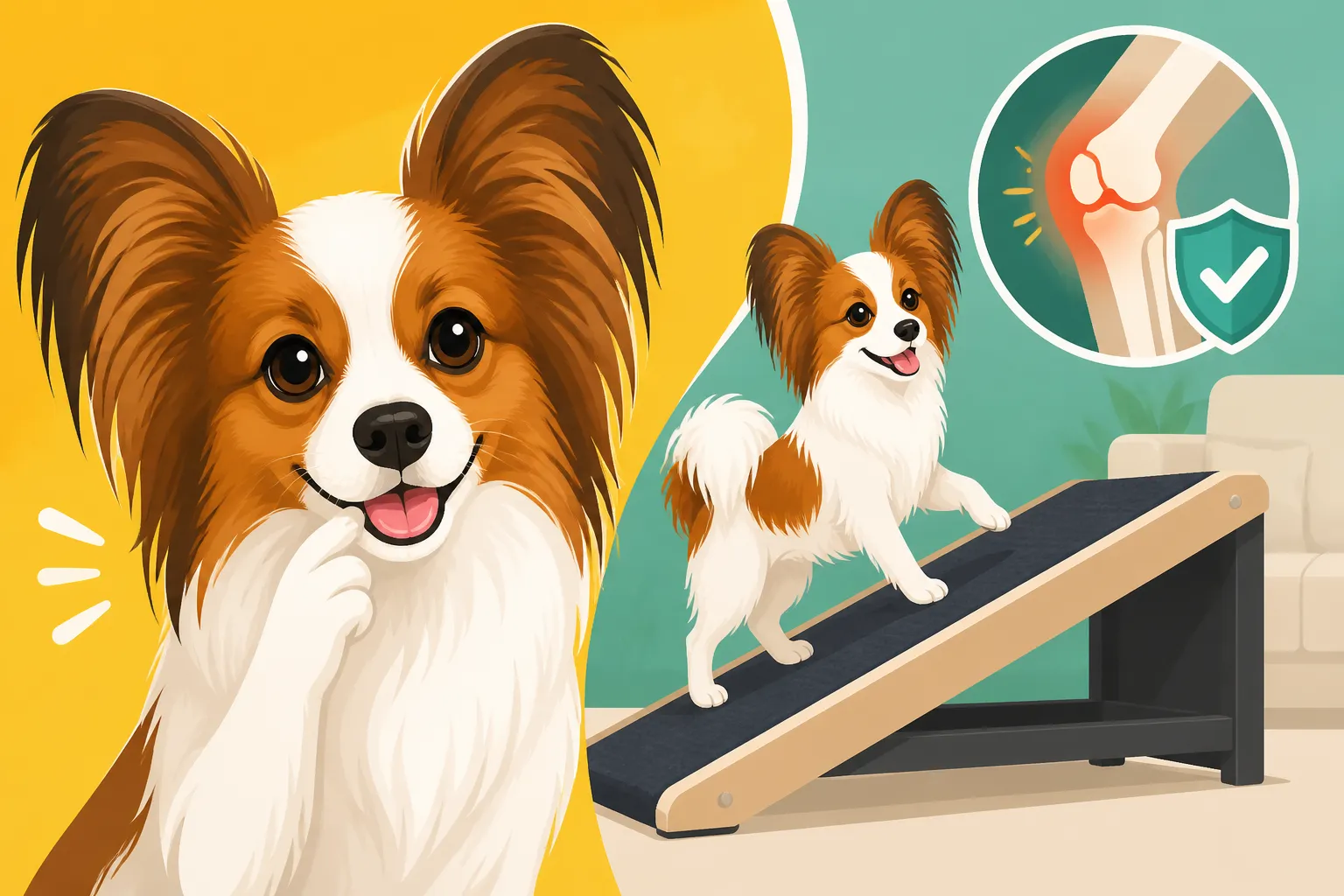
Whether Ramps Help a Papillon’s Knees
It's heartbreaking to watch your precious Papillon launch itself off the sofa or bed with reckless abandon, knowing full well the strain it puts on their delicate joints. Many Papillon owners, myself included, have spent countless hours worrying about those little knees, especially with the breed's predisposition to issues like patellar luxation. This guide is here to walk you through exactly how ramps and steps can become your Papillon's best friend, protecting their knees and giving you peace of mind.
Understanding Papillon Knee Health and Jumping Risks
Let's be real, Papillons are little bundles of energy with no concept of their own size. They see Mount Everest, we see the coffee table. This fearless nature, while endearing, often leads to risky behaviors like jumping on and off furniture. But for a breed known for its susceptibility to certain orthopedic conditions, these seemingly innocent jumps can have serious, long-term consequences.
The Realities of Patellar Luxation in Papillons
One of the most common orthopedic issues we encounter in Papillons is patellar luxation. This condition, where the kneecap (patella) slips out of its groove, can range from mild (Grade 1) to severe (Grade 4). It's not just a minor inconvenience; it can cause pain, lameness, and lead to more debilitating arthritis down the road. Imagine your own kneecap constantly popping out of place – it's not a fun thought. Repeated impact from jumping, especially landing awkwardly, can exacerbate an existing condition or even contribute to its development. You might notice subtle signs a Papillon's kneecap slips, like a little skip in their step when they run, or a momentary hesitation.
For many owners, the diagnosis of patellar luxation is a wake-up call. Suddenly, every jump becomes a source of anxiety. While some dogs manage well with conservative care, others may eventually face the tough decision of whether a Papillon needs knee surgery to correct the issue. This isn't a small decision, and it comes with recovery time and significant cost. That's why preventative measures are so crucial.
Why Jumping is So Damaging for Small Dogs
It might not look like much of a jump to us, but for a tiny Papillon, a leap from a standard sofa or bed is equivalent to a human jumping from a second-story window. The impact force on their small joints, particularly the knees, hips, and spine, is disproportionately high. Think about the physics: a small, light dog still has gravity working against it, and that force is concentrated on tiny bones and ligaments.
Over time, this repetitive stress can lead to wear and tear on cartilage, strain ligaments, and worsen any underlying joint instability. Even if your Papillon doesn't have a diagnosed knee issue yet, continuous jumping from furniture is essentially an invitation for problems to develop. Many owners wrestle with whether a Papillon should be stopped from jumping off furniture, and the answer is a resounding yes, wherever possible. It’s about managing their environment to protect their long-term health, not squashing their joy.
How Ramps and Steps Offer a Solution for Papillon Mobility
This is where ramps and steps truly shine. They aren't just for senior dogs or those already struggling; they are a vital piece of preventative equipment that can extend the health and comfort of your Papillon's knees throughout their life. By providing a gradual incline or manageable steps, they eliminate the need for those high-impact jumps, safeguarding those precious joints.
Preventing Injury and Reducing Strain
The primary benefit of ramps and steps is injury prevention. Instead of a sudden jolt, a ramp allows your Papillon to walk up and down furniture gently. This smooth transition protects their ligaments, tendons, and cartilage from excessive strain. For a breed like the Papillon, where genetics already predispose them to conditions like patellar luxation, minimizing environmental stressors is paramount.
Consider a young, energetic Papillon. They might not show signs of knee issues now, but proactive use of ramps can significantly reduce the cumulative damage that leads to problems later. For dogs who have already had knee surgery, such as to correct a luxating patella, ramps are absolutely essential for recovery and preventing re-injury. Learning how a Papillon recovers from knee surgery often involves strict instructions to avoid jumping and to use ramps or controlled steps. Even for daily activities, ramps help maintain their joint integrity, allowing them to enjoy their favorite spots without the associated risk.
Supporting Dogs with Existing Conditions
For Papillons already living with patellar luxation, arthritis, or other mobility challenges, ramps and steps are not just a luxury, but a necessity. They empower these dogs to continue enjoying their favorite sleeping spots and cuddle zones without pain or difficulty. Imagine a Papillon with Grade 2 patellar luxation; every jump is likely painful and further deteriorates the joint. A ramp allows them to access the couch for snuggles without wincing or struggling.
Ramps can dramatically improve a dog's quality of life, reducing pain and maintaining independence. They also relieve owners of the constant burden of lifting their dog, which, while loving, isn't always practical or consistent, especially in the middle of the night or if multiple people are caring for the dog. Even if your Papillon is facing an age where they're considered senior, ramps and steps become indispensable. Caring for a Papillon past eleven means anticipating and addressing their changing mobility needs.
Choosing the Right Ramps and Steps for Your Papillon
Not all ramps and steps are created equal, especially when it comes to the specific needs of a small, fine-boned breed like the Papillon. You'll want to consider height, angle, surface, and stability to ensure it's safe and appealing for your little companion.
Types of Ramps and Steps Available
The market is flooded with options, which can feel overwhelming. Generally, you'll find ramps, stairs, and convertible options.
- Ramps: These offer a continuous incline. They are often best for dogs with more significant mobility issues or those who are hesitant about steps. The key is finding one with a gentle enough slope that a Papillon will actually walk up. A steep incline can be just as daunting, if not more so, than a jump for some dogs.
- Pet Stairs/Steps: These are designed like miniature human stairs. They can be a good option for Papillons who are comfortable with ascending and descending, but still need to avoid jumping. Look for shallow risers and deep treads to give them ample space and reduce strain.
- Convertible Ramps/Steps: Some products can switch between a ramp and a set of steps. These offer versatility, which might be appealing if your dog's needs change over time or if you have multiple pets with different preferences.
When evaluating options, you should always think about the specific height of your furniture. Whether a Papillon should be lifted down from the bed, for instance, depends entirely on the bed's height and their physical condition. The goal is to match the ramp or steps to the furniture so there's no remaining gap or precarious ledge.
Key Features to Look For
Choosing the right ramps and steps means scrutinizing the details. It's not just about aesthetics; it's about functionality and safety.
- Height and Angle: This is perhaps the most critical factor. For a small dog, a gentle incline is non-negotiable. An ideal ramp angle for a Papillon is usually no steeper than 18-20 degrees. For steps, look for those with low risers (e.g., 4-6 inches) and deep treads (e.g., 8-10 inches) so your Papillon can comfortably take each step without overstretching or feeling rushed. Many pet ramps are designed for larger breeds and might be too steep for a Papillon to use comfortably or safely. A ramp that's too steep might even cause them to lose their footing or avoid it altogether.
- Surface Traction: Slick surfaces are a huge no-no. Your Papillon needs secure footing to prevent slips and falls. Look for carpeting, rubberized treads, or textured fabric surfaces. This is especially important if you have hardwood floors where a Papillon slips on hardwood, as a poorly placed ramp can create another slipping hazard. Good traction helps build their confidence and prevents accidents that could lead to injury.
- Stability: The ramp or steps should be sturdy and not wobble or shift when your Papillon uses them. Look for wide bases and anti-slip feet. Lightweight products are convenient for moving, but they must still offer excellent stability. A wobbly ramp can easily spook a small dog, making them reluctant to use it.
- Material: Ramps come in wood, plastic, or foam. Wood tends to be more durable and stable but can be heavier. Plastic is often lighter and easier to clean. Foam ramps are very lightweight and soft, which can be great for older dogs or those with severe arthritis, but they might not be as durable for active jumpers.
Comparison of Ramp and Step Features for Papillons
| Feature | Pet Ramps (Incline) | Pet Steps (Stairs) |
|---|---|---|
| Best For | Dogs with significant joint pain, post-surgery, hesitant users, very small puppies | Dogs comfortable with steps, less severe mobility issues, more confident users |
| Angle/Riser Height | Gentle incline (ideally <20 degrees) | Low risers (4-6 inches), deep treads (8-10 inches) |
| Surface Traction | Essential: Carpeted, rubberized, textured for grip | Essential: Carpeted or non-slip treads |
| Stability | Must be very sturdy, wide base, anti-slip feet | Must be very sturdy, anti-slip feet |
| Material Options | Wood, plastic, foam | Wood, plastic, foam |
| Space Required | Generally longer, requires more floor space | More compact, takes up less floor space |
| Ease of Use | Often easier for dogs to learn and navigate | Requires more coordination, some dogs may prefer ramps |
Hyper-Local Considerations and Brands
When you're out shopping for pet ramps or steps, consider checking local pet stores like Petco or PetSmart, or even online retailers such as Chewy or Amazon. Brands like PetSafe and DoggoRamps often have a good selection of smaller-sized ramps suitable for toy breeds. For specific recommendations, looking at reviews from other small dog owners can be incredibly helpful. You might even find some smaller, independent pet boutiques that carry custom or higher-quality options tailored for tiny paws.
Remember to measure the height of your furniture precisely before you buy. A ramp that's too short will be too steep, and one that's too tall will extend too far into your living space.
Integrating Ramps into Your Papillon's Daily Life
Buying a ramp is only half the battle; getting your Papillon to actually use it is the next step. Papillons are smart cookies, but they can also be stubborn and wary of new things. Patience and positive reinforcement are key.
Training Your Papillon to Use Ramps
Don't expect your Papillon to immediately understand or embrace their new furniture access. It's a foreign object in their environment! Start with short, positive training sessions.
- Introduce it Slowly: Place the ramp next to the furniture it will be used for, but don't force your dog onto it. Let them sniff around and investigate. Reward any curiosity with treats and praise.
- Lure with Treats: Place a high-value treat on the first step or the bottom of the ramp. As your Papillon takes a step, reward them. Gradually place treats higher up the ramp, leading them up and down. Keep it fun and light.
- Use a Leash (Gently): If they're particularly hesitant, a leash can offer gentle guidance. Walk them slowly up and down, praising and rewarding generously. Never drag or force them, as this can create a negative association.
- Repeat Consistently: Practice several times a day in short bursts (5-10 minutes). Papillons are quick learners, so consistency will pay off. Soon, they'll associate the ramp with easy access to their favorite spots and tasty rewards.
- Be Patient: Some dogs take to ramps instantly; others might need days or even weeks. Celebrate every small success. If your Papillon seems genuinely scared, go back to basics and make the experience as positive as possible. Don't be discouraged if they don't get it right away.
Placement and Safety Tips
Optimal placement and ongoing safety measures are crucial to maximize the benefits of your ramps and steps.
- Strategic Placement: Place ramps or steps at every piece of furniture your Papillon regularly accesses. This often includes the sofa, your bed, and perhaps a favorite armchair. The goal is to remove any temptation to jump. If they have free access to the furniture but no ramp, they'll still jump.
- Non-Slip Mats: Even with good traction on the ramp itself, consider placing non-slip mats or rugs around the base of the ramp, especially on slick flooring like tile or hardwood. How bare floors change a Papillon's landing needs to be considered, as a misstep on a slippery surface can quickly lead to injury.
- Regular Inspection: Periodically check the ramp for stability, wear and tear on the traction surface, or any loose parts. Ensure it remains securely against the furniture.
- Supervision, Especially Initially: While your Papillon is learning, supervise them closely to prevent accidental jumps. Over time, they should reliably use the ramp on their own.
Complementary Joint Care
While ramps and steps are fantastic, they are just one piece of the puzzle for comprehensive joint health. Holistic care is key to ensuring your Papillon lives a long, comfortable life.
- Weight Management: Keeping your Papillon at a healthy weight is incredibly important. Even a few extra ounces can put significant strain on their small joints, exacerbating conditions like patellar luxation. Regular check-ups with your vet can help you monitor their ideal weight, as whether weight affects a Papillon's knees is a crucial factor in their overall joint health.
- Supplements: Your vet might recommend joint supplements containing glucosamine, chondroitin, and MSM. These can help support cartilage health and reduce inflammation. Omega-3 fatty acids are also beneficial for overall joint lubrication and anti-inflammatory properties.
- Regular, Controlled Exercise: Daily walks on a leash and controlled playtime are vital for maintaining muscle strength and flexibility around the joints. Avoid high-impact activities or uncontrolled jumping games, especially if your dog is prone to knee issues.
- Veterinary Check-ups: Regular vet visits are essential. Your vet can monitor your Papillon's joint health, detect any issues early, and recommend appropriate interventions. Don't hesitate to discuss any concerns you have about their mobility. Investing in pet insurance like Healthy Paws can also provide immense peace of mind, helping to cover unexpected veterinary costs should a significant joint issue arise despite your best preventative efforts. They can alleviate the financial stress of dealing with conditions like patellar luxation and the surgeries that might entail.
By combining the use of ramps and steps with a thorough approach to nutrition, exercise, and veterinary care, you'll be giving your Papillon the best possible chance at healthy, happy, and pain-free mobility for years to come.
Disclaimer
The information provided in this article is for general informational purposes only and is not a substitute for professional veterinary advice. Always consult with a qualified veterinarian for any health concerns or before making any decisions related to your pet's care.