Signs a Papillon Has a Liver Shunt
It can be absolutely heartbreaking and confusing when your usually vivacious Papillon puppy or even an older dog starts showing strange, often subtle symptoms. We're talking about things like being a bit smaller than their littermates, acting strangely after a meal, or even having seizures. These seemingly disparate issues can sometimes point to a serious underlying condition called a liver shunt, a complex health problem that can leave many owners feeling overwhelmed and unsure of where to turn. This guide is here to walk you through understanding what a liver shunt is, how it affects our beloved Papillons, and most importantly, what signs to look for so you can act quickly and get your furry friend the help they need.
Understanding What a Liver Shunt Means for Your Papillon
When you hear "liver shunt," it probably sounds serious, and it is. But to really grasp what's happening, it helps to understand the liver's role and how a shunt bypasses it, causing a cascade of problems for a tiny Papillon. It’s not just a minor hiccup; it’s a fundamental rerouting of a critical bodily function.
What Exactly is a Portosystemic Shunt?
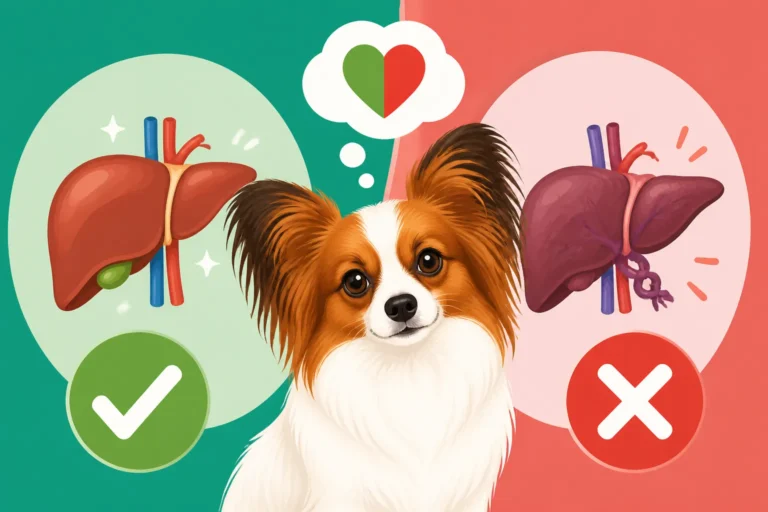
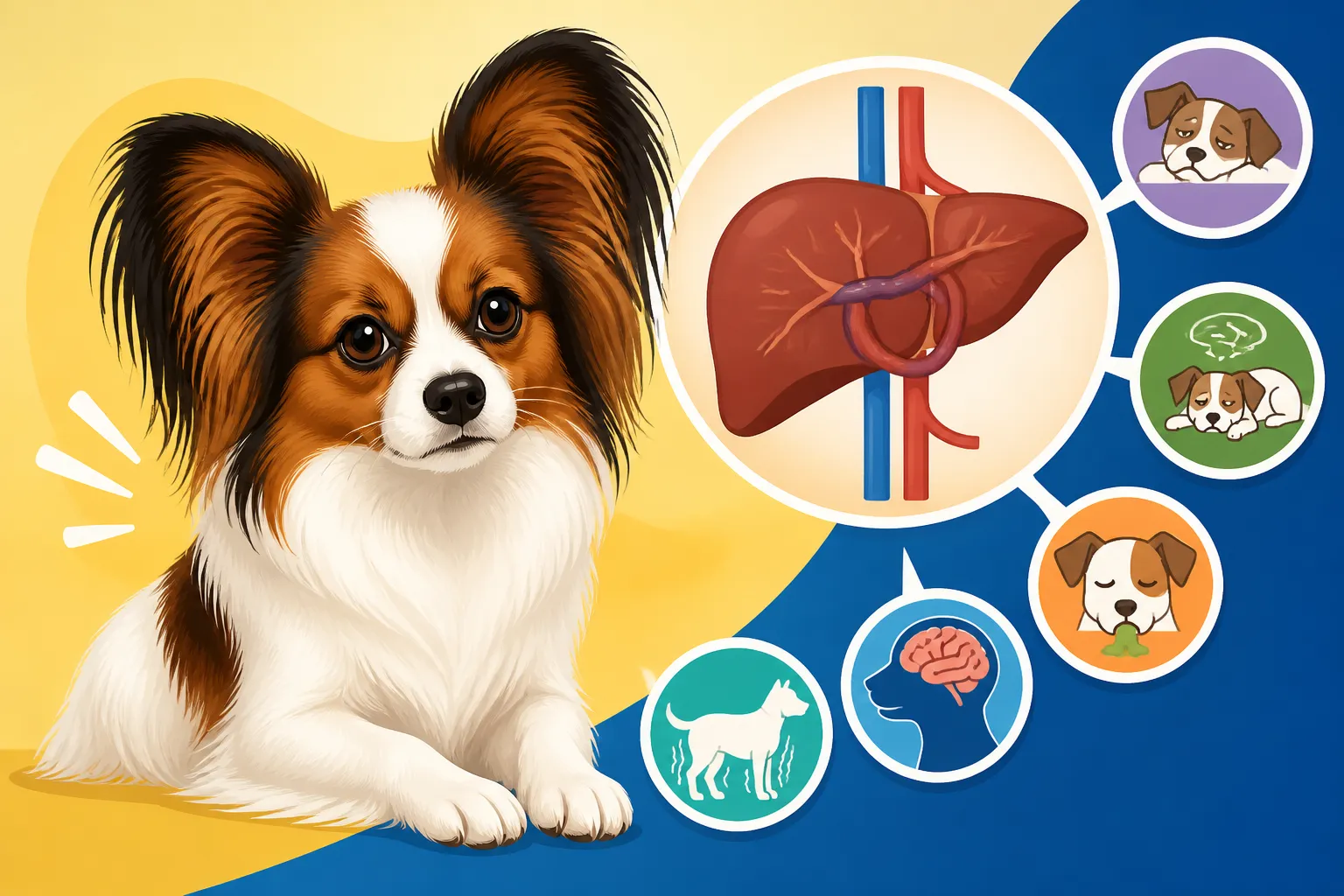
Imagine your Papillon's liver as the body's super-filtration system, a bustling factory working tirelessly to process nutrients from food, remove toxins from the bloodstream, and produce essential proteins. Normally, blood from the digestive organs flows directly into the liver through the portal vein. Here, it gets "cleaned" and processed before heading to the rest of the body. A portosystemic shunt (PSS), or liver shunt, means there's an abnormal blood vessel that allows blood to bypass the liver entirely or partially. Instead of going through the factory for purification, the blood, still full of toxins and unprocessed nutrients, gets sent directly into the general circulation.
This bypass can be inside the liver (intrahepatic) or outside it (extrahepatic). For small breeds like Papillons, extrahepatic shunts, which are abnormal vessels outside the liver, are more common. This direct route means the liver never gets a chance to do its job. Toxins like ammonia, which normally the liver converts into urea for excretion, build up in the bloodstream. Unfiltered nutrients don't get properly metabolized, and essential proteins aren't produced effectively. It’s like a vital highway is suddenly closed, and all traffic is diverted through a quiet neighborhood, causing chaos. This fundamental disruption to the body's detoxification process can profoundly impact a Papillon's overall health and well-being.
Why Papillons Are Prone to Liver Shunts
It’s a tough reality, but certain breeds, and unfortunately, that includes our charming Papillons, have a higher genetic predisposition to developing liver shunts. It’s not something you did wrong; it's often something they're born with. While liver shunts can occur in any breed, and sometimes even as an acquired condition later in life due to severe liver disease, congenital shunts are particularly prevalent in small and toy breeds. Beyond Papillons, breeds like Yorkshire Terriers, Maltese, Miniature Schnauzers, and Cairn Terriers are also more frequently affected. This means that if you're looking for a new puppy, asking Which Health Tests a Papillon Breeder Should Run is incredibly important, as responsible breeders will often screen for this condition or have a history of clear lines.
The genetic component is a significant factor, indicating that specific genes might make some Papillons more susceptible to these abnormal vessels forming during fetal development. While the exact genetic markers aren't always universally identified for all breeds, the observed pattern clearly points to a hereditary link. This predisposition means that if you have a Papillon, especially a puppy, it's wise to be extra vigilant about the signs we're about to discuss. Early detection can make a world of difference in managing this serious condition and giving your Papillon the best possible chance at a good quality of life. Understanding this genetic background isn't about blaming anyone, but about empowering owners with knowledge to be proactive guardians of their pet's health.
Subtle Early Warning Signs in Papillon Puppies
Catching a liver shunt early, especially in a tiny Papillon puppy, can be incredibly challenging because the signs can be so subtle and easily mistaken for other common puppy ailments. You might just think you have a "finicky" eater or a "sleepy" pup, but sometimes these seemingly minor quirks are actually red flags waving.
Growth and Appetite Issues
One of the first things you might notice, even before your Papillon puppy hits its stride, is that it's just not growing quite right. You might find yourself saying, "My puppy is smaller than its littermates," or "It just doesn't seem to be gaining weight like it should." This isn't just about being a "teacup" size; it's a persistent failure to thrive. Affected puppies often appear undersized for their age, sometimes significantly so, compared to healthy littermates or other Papillons of similar age. This stunted growth happens because their body isn't processing nutrients properly due to the liver bypass, depriving them of the building blocks they need to grow.
Beyond size, appetite can be a huge indicator. You might have a pup that's incredibly picky, frequently turning up its nose at food, or eating very little. When they do eat, particularly a high-protein meal, you might notice they feel unwell afterward. This is because the influx of protein leads to a rapid increase in toxins like ammonia, overwhelming their system even further without the liver to process it. Conversely, some puppies might have an unusual, almost insatiable appetite for non-food items, known as pica, which can be another subtle neurological sign of metabolic imbalance. If you're weighing a Papillon puppy every week and noticing a consistent lag in expected growth, coupled with unusual eating habits, it's definitely something to bring up with your vet.
Behavioral and Neurological Changes
This is where things can get really baffling for an owner. Your usually playful, intelligent Papillon puppy might start exhibiting strange behaviors that don't quite fit. It could be a general lethargy, where they seem more tired than they should be, or they might seem a bit "dull" or unresponsive. They might seem disoriented, walking into walls, or struggling with coordination, especially after eating. We've all seen puppies act a bit goofy, but this is different; it's a persistent lack of normal puppy vigor or an odd disconnect.
Perhaps one of the most alarming, yet often misinterpreted, signs is the onset of neurological episodes. These can manifest as what we call hepatic encephalopathy, which is a brain dysfunction caused by the buildup of toxins. For a Papillon puppy, this might look like staring blankly into space, aimless wandering, pressing their head against a wall or furniture, or even seeming to fall asleep mid-activity. In more severe cases, tremors, weakness, or even full-blown seizures can occur. These episodes often worsen after meals, especially those rich in protein, as the unprocessed toxins surge into the bloodstream and affect the brain. It's easy to mistake these for Signs a Papillon Puppy Has Low Blood Sugar because the symptoms can overlap, but with a liver shunt, the issue is toxin buildup, not necessarily a lack of glucose. If your puppy is displaying any of these unusual neurological signs, particularly with a pattern related to feeding, it's critical to seek veterinary attention immediately.
Digestive Upsets and Urinary Troubles
While not always the first signs, digestive and urinary issues can also signal a liver shunt in a Papillon puppy. Intermittent vomiting and diarrhea are common, and these aren't just typical puppy tummy woes; they might persist or recur without clear reason. The body is struggling to process food and eliminate waste properly, leading to chronic GI upset. You might notice your puppy seems particularly uncomfortable after eating, perhaps pacing or whining.
When it comes to urination, a very specific, though subtle, sign is sometimes the presence of urate crystals or stones in the bladder or kidneys. This happens because the liver, unable to process ammonia into urea, allows excess ammonia to be converted into uric acid, which can then crystallize in the urine. You might notice your Papillon puppy urinating more frequently, straining to urinate, or even having accidents in the house, especially if bladder stones are forming. A quick check of Whether a Papillon Puppy's Bile Acids Should Be Checked by your vet, especially if these urinary symptoms appear alongside growth issues or neurological signs, can provide crucial diagnostic information. While these urinary signs might be less dramatic than a seizure, they are still important clues pointing towards a compromised liver function.
Advanced Symptoms and How They Progress
If a liver shunt goes undiagnosed or untreated, the symptoms tend to become much more pronounced and severe. What started as subtle issues can escalate into life-threatening conditions, making it clear that something is profoundly wrong with your Papillon.
Pronounced Neurological Distress
As toxins continue to accumulate without proper liver filtration, the neurological signs become impossible to ignore. That occasional blank stare can turn into persistent disorientation. Your Papillon might seem utterly confused about their surroundings, bumping into objects even in familiar environments. They might pace endlessly, circle in one direction, or seem to press their head into corners or against furniture for extended periods. This head pressing is a classic sign of neurological discomfort or pressure.
Seizures, which might have been isolated incidents, can become more frequent, longer, or more severe. These aren't just little shivers; they can be full-body convulsions, often leaving the dog dazed and exhausted afterward. These episodes are terrifying to witness and are a clear indicator of significant brain toxicity. In very severe cases, your Papillon might even fall into a coma. At this stage, the effects of hepatic encephalopathy are profound, and the dog's quality of life is severely impacted. Prompt veterinary intervention is no longer just recommended; it's an emergency. For Papillons, which are naturally very bright and active, such a severe decline in cognitive and physical function is particularly distressing to observe.
Severe Gastrointestinal Problems
The digestive system also suffers dramatically as a liver shunt progresses. Chronic vomiting and diarrhea can become more severe and debilitating, leading to significant weight loss and dehydration. Your Papillon might become extremely emaciated, with their ribs and spine easily visible under their delicate coat, despite your best efforts to feed them. They may develop a painful abdomen, sensitive to touch, and might constantly lick their lips or show other signs of nausea.
In some advanced cases, you might even notice jaundice, a yellowing of the gums, whites of the eyes, or skin, indicating that the liver's function is failing to such an extent that bilirubin isn't being properly cleared. While jaundice is less common with shunts compared to primary liver disease, it can occur in very severe, complicated cases. The poor processing of nutrients and constant irritation from toxins can also lead to secondary issues like pancreatitis. Essentially, the entire digestive system is struggling under the burden of unprocessed toxins, making every meal a potential trigger for discomfort and further illness. This constant state of digestive distress contributes significantly to the dog's overall poor health and weakens their fragile system.
Visible Physical Changes
Beyond the internal struggles, advanced liver shunts can lead to several noticeable physical changes in your Papillon that are stark warnings. As mentioned, severe weight loss is almost inevitable as the body simply can't utilize nutrients properly. Your once fluffy, elegant Papillon might look thin and sickly, their vibrant coat losing its luster and becoming dull or sparse.
Another crucial sign can be an increased thirst and urination, and in some cases, the production of urate stones in the bladder can become a recurrent problem, requiring veterinary intervention. You might notice blood in the urine, straining, or frequent, unproductive attempts to urinate. The physical manifestation of these stones, along with the chronic systemic stress, makes your Papillon visibly unwell. If your Papillon is showing several of these advanced symptoms, including any neurological distress, it's an urgent situation. Seeking immediate veterinary help is paramount to give your dog the best chance, even if it’s just for palliative care to improve comfort in their final days. This is where pet insurance, like a plan from Healthy Paws, can be invaluable for covering the extensive diagnostic and treatment costs that can arise from such a complex condition.
What to Do If You Suspect a Liver Shunt
Discovering that your precious Papillon might have a liver shunt is incredibly upsetting, but remember, early action and working closely with your veterinarian are key. Don't try to self-diagnose or delay; every moment counts.
The Importance of Prompt Veterinary Consultation
If you've noticed any of the subtle or, worse, advanced signs discussed, the very first and most crucial step is to contact your veterinarian immediately. Explain all the symptoms you've observed, even those that seem minor or unrelated. Be prepared to discuss your Papillon's diet, growth, behavior patterns, and any medications they might be taking. Your vet will conduct a thorough physical examination, looking for signs like stunted growth, dull coat, sensitivity of the abdomen, and any neurological abnormalities. They'll also listen to your concerns with an empathetic ear, understanding that you're likely feeling a mix of worry and confusion.
Don't be afraid to voice your specific concerns about a liver shunt, especially given that Papillons are a predisposed breed. Your proactive approach could significantly shorten the diagnostic journey. Remember, conditions like What Neuroaxonal Dystrophy Does to a Papillon can present with similar neurological symptoms, so a precise diagnosis is essential. The sooner a diagnosis is made, the sooner an appropriate treatment plan can be put in place, potentially preventing further progression of the disease and improving your Papillon's prognosis. Delaying can lead to irreversible damage and more severe complications, making treatment more difficult and less successful.
Diagnostic Steps and Tests
Diagnosing a liver shunt usually involves a combination of tests to confirm the condition and determine its exact location and severity.
-
Bloodwork:
- Baseline Blood Panel: A complete blood count (CBC) and chemistry panel will assess overall health, organ function, and look for specific indicators of liver disease. With a liver shunt, you might see elevated liver enzymes, but sometimes they can be normal or only slightly elevated, which can be misleading.
- Bile Acid Stimulation Test: This is often the gold standard initial screening test for liver shunts. Your Papillon will have a blood sample taken after fasting, then receive a small meal, and another blood sample will be taken a couple of hours later. The liver usually processes bile acids after a meal. If the post-meal bile acid levels are significantly elevated, it strongly suggests the liver isn't doing its job, pointing towards a shunt or other severe liver disease. For more on this, you might explore Whether a Papillon Puppy's Bile Acids Should Be Checked.
- Ammonia Levels: Elevated ammonia levels in the blood, especially after a meal, are a strong indicator of a liver shunt because the liver isn't converting ammonia to urea.
-
Urinalysis: A urinalysis might reveal urate crystals, as discussed earlier, which supports a suspicion of a liver shunt.
-
Imaging:
- Ultrasound: This non-invasive imaging technique is often the next step. A veterinary radiologist or internal medicine specialist can often visualize the abnormal blood vessel, determining if it's intrahepatic (inside the liver) or extrahepatic (outside the liver). This is crucial for surgical planning.
- CT Angiography (CTA): This advanced imaging technique provides a detailed, 3D map of the liver and its vasculature. It's considered the most definitive way to identify and characterize a liver shunt, giving surgeons the precise information they need to plan correction.
-
Referral: Your general veterinarian might recommend a referral to a veterinary internal medicine specialist or a surgeon for further diagnostic tests and treatment options, especially if advanced imaging or surgery is needed. This is where pet insurance, like Healthy Paws, can really make a difference, helping to cover the costs associated with specialist consultations and advanced procedures.
Here's a quick summary table of common diagnostic tests:
| Test Type | What It Checks For | Typical Findings with Liver Shunt |
|---|---|---|
| Bile Acid Stimulation | Liver's ability to process bile acids | Significantly elevated post-meal levels |
| Blood Ammonia | Level of toxins (ammonia) in the bloodstream | Elevated |
| Urinalysis | Presence of crystals (urates) in urine | May show urate crystals |
| Abdominal Ultrasound | Visualization of liver structure and abnormal vessels | Identifies shunt type (intra/extrahepatic) |
| CT Angiography (CTA) | Detailed 3D mapping of liver vasculature | Confirms shunt location and complexity |
Management and Treatment Options
Once a liver shunt is diagnosed, your vet will discuss the best course of action. There are generally two main approaches: medical management and surgical correction.
Medical Management:
This approach is used for Papillons who are not candidates for surgery (due to age, health, or severity of the shunt) or as a temporary measure to stabilize a dog before surgery. The goal is to reduce the production and absorption of toxins, primarily ammonia.
- Dietary Modification: A special prescription diet, typically lower in protein, is essential. Less protein means less ammonia is produced during digestion. Brands like Royal Canin and Hill's offer veterinary diets specifically formulated for liver support.
- Lactulose: This medication helps by drawing ammonia into the colon where it can be eliminated through feces. It also acidifies the colon, which traps ammonia ions, preventing their absorption.
- Antibiotics: Oral antibiotics may be prescribed to reduce the ammonia-producing bacteria in the gut. Metronidazole and Neomycin are common choices.
Medical management can help control symptoms and improve quality of life, but it doesn't fix the underlying problem of the shunt. Many dogs on medical management continue to experience intermittent episodes of hepatic encephalopathy, especially if their diet isn't strictly controlled.
Surgical Correction:
For many Papillons, especially those with extrahepatic shunts, surgical ligation (tying off) of the abnormal vessel is the preferred treatment, offering the best chance for a long-term cure.
- Full Ligation: If the shunt is small enough and the liver can handle the immediate increase in blood flow, the abnormal vessel can be completely tied off during surgery.
- Partial Ligation or Ameroid Constrictor Placement: In many cases, especially in small dogs, completely tying off the vessel at once can be dangerous, as it might overload the liver. Instead, a device called an Ameroid constrictor is often placed around the shunt. This ring contains casein, which slowly swells over several weeks, gradually closing the shunt. This allows the liver to adapt to the increased blood flow over time, reducing the risk of complications.
Surgical success rates are generally good, especially for extrahepatic shunts. However, there are risks involved, including Anesthesia and a Five Pound Papillon, which always carries considerations for very small dogs. Post-surgery, careful monitoring, pain management, and often continued dietary management for a period are necessary. Some dogs may develop secondary shunts or other liver issues, making follow-up care and monitoring of What a Papillon's Yearly Bloodwork Should Cover crucial. While surgical correction can be costly, often several thousand dollars, for many owners, it provides their Papillon with a new lease on life, transforming a sick puppy into a vibrant, healthy dog. Having a robust pet insurance plan like those offered by Healthy Paws can significantly alleviate the financial burden of such extensive veterinary care.
The journey with a Papillon diagnosed with a liver shunt can be long and challenging, but with dedicated veterinary care, proper management, and your unwavering love, many dogs go on to live full, happy lives.
Disclaimer
The information provided in this article is for general informational purposes only and is not a substitute for professional veterinary advice. Always consult with a qualified veterinarian for any health concerns or before making any decisions related to your pet's health and treatment.