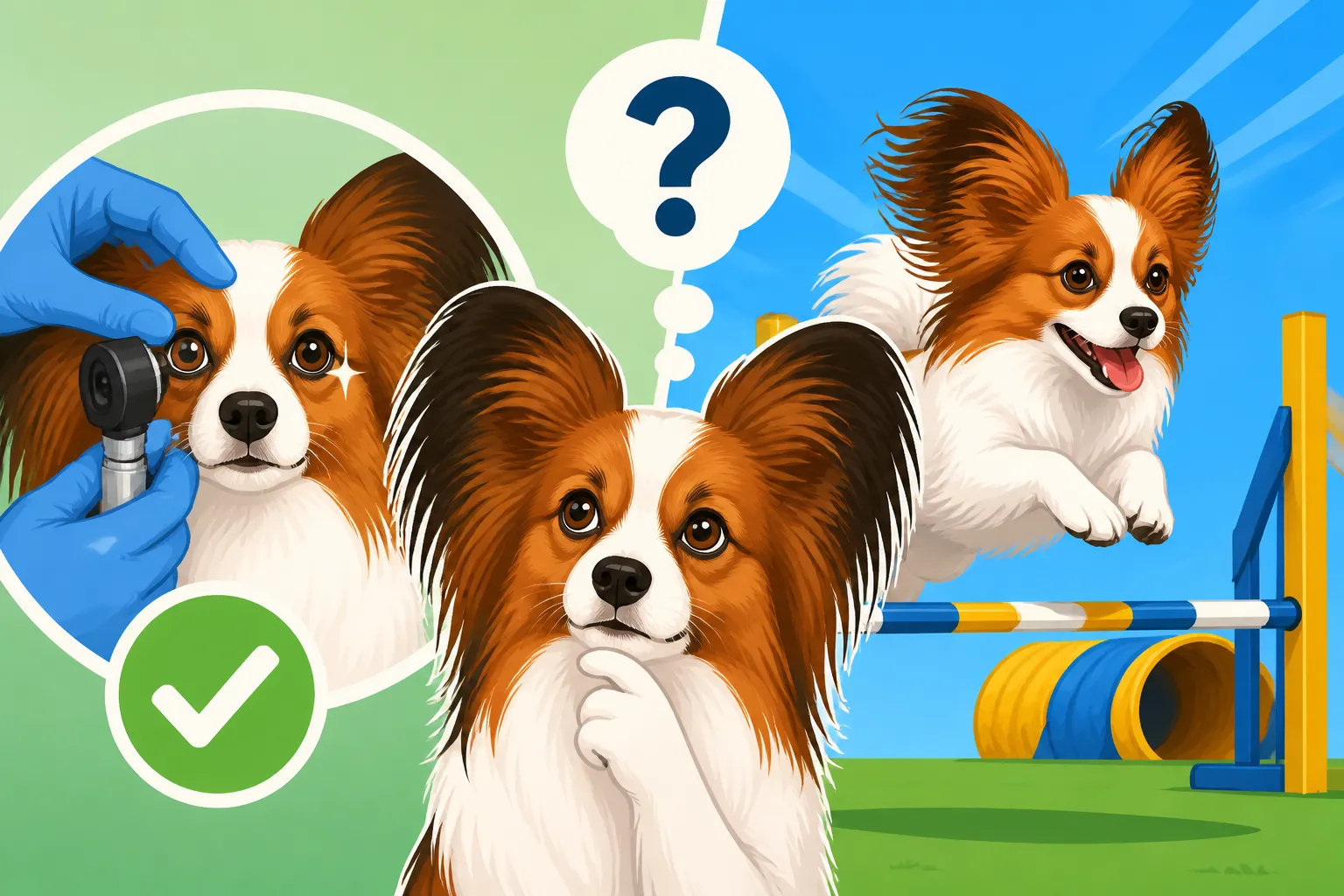
Whether a Papillon’s Eyes Should Be Checked Before Agility
It's an absolute joy to watch our Papillons fly over jumps and weave through poles, a testament to their incredible intelligence and agility. But as responsible owners, a nagging concern often lurks in the back of our minds: are their precious eyes truly ready for the demands of such a fast-paced sport? This guide is here to shed light on why a thorough eye examination for your Papillon before they dive into agility is not just a good idea, but a crucial step to ensure their safety and long-term enjoyment.
Why Sharp Vision is Non-Negotiable for Agility
Agility isn't just about speed; it's a intricate dance of coordination, precise timing, and rapid decision-making, all heavily reliant on excellent vision. For a Papillon, a breed known for its swiftness and ability to navigate complex courses with grace, even a slight visual impairment can turn a fun activity into a dangerous one.
The Precision Required on an Agility Course
Think about the obstacles: dog walks, A-frames, teeters, and, of course, the ever-challenging weave poles. Each requires not just physical prowess but also the ability to accurately judge distances, perceive subtle changes in surface texture, and maintain focus on the handler's cues. A Papillon approaching a jump needs to precisely gauge its height and distance to clear it safely. Misjudging by even an inch can lead to a painful impact with the bar, or a clumsy landing that stresses delicate joints. The weave poles, in particular, demand exceptional depth perception and peripheral vision to enter correctly and navigate the serpentine path without missing a pole. A dog with compromised vision might struggle to see the entrance to the poles clearly or misjudge the spacing, leading to frustration, refusal, or even injury.
Speed and Obstacle Navigation
Papillons are often among the fastest dogs in their size division, zipping through courses with incredible enthusiasm. This high speed amplifies the risks associated with impaired vision. Imagine your little Papillon hurtling towards a tunnel entrance. If their vision isn't crystal clear, they might hesitate, veer off course, or worse, collide with the tunnel's edge. Similarly, the contact zones on obstacles like the A-frame and dog walk require the dog to place their paws within a designated colored area to avoid faults. Without sharp vision, hitting these contacts accurately becomes a guessing game. It's not just about seeing the obstacle itself, but also perceiving the ground quickly enough to adjust stride and maintain balance at full tilt. This is especially true when they are turning sharp corners or navigating sequences of jumps, where split-second visual information dictates their next move.
Eye Conditions That Can Impact a Papillon's Agility Performance
Papillons, while generally a healthy breed, are prone to certain inherited eye conditions that can significantly affect their vision. Being aware of these and proactively screening for them is key to protecting your dog and their agility career.
Progressive Retinal Atrophy (PRA1)
This is perhaps one of the most well-known and concerning eye conditions in Papillons. Progressive Retinal Atrophy (PRA1), specifically the Papillon Type of Progressive Retinal Atrophy and the CNGB1 Gene, is a genetic disorder that causes the progressive degeneration of the retina, the light-sensitive tissue at the back of the eye. Initially, affected dogs will experience a decline in night vision, which can be incredibly disorienting for an active dog. Imagine trying to navigate a familiar room in the dark; now imagine trying to run an agility course. You might start to notice signs a Papillon is losing night vision, such as reluctance to go out at dusk or bumping into furniture in dimly lit areas.
As the disease progresses, even daylight vision is affected, though a Papillon can often go blind at night and still see in daylight for a considerable time. The slow, insidious nature of PRA means owners might not immediately notice the subtle changes, attributing early signs to clumsiness or distraction. However, even mild impairment will affect a Papillon's ability to track moving objects (like a thrown toy or a handler's hand signal), accurately judge jump heights, and react to sudden movements on the course. While there's no cure for PRA, knowing about it early allows owners to adapt training and provide a safe environment. Many owners wonder whether a Papillon with PRA bumps into things, and the answer is yes, especially as the condition worsens. Some ask how many years before a Papillon's daylight vision goes, and this can vary greatly, with some Papillons never losing daylight vision completely. Genetic testing for PRA1 is readily available, making it possible for breeders to avoid passing this devastating condition on.
Cataracts and Other Ocular Issues
Beyond PRA, Papillons can develop other eye conditions that, while not necessarily genetic in all cases, can still impede their agility performance. Cataracts in a Papillon, for example, involve the clouding of the eye's lens, leading to blurred vision or even blindness. While typically associated with aging, some Papillons can develop juvenile cataracts. Even a small cataract can cause glare sensitivity and reduce visual acuity, making bright agility arenas or outdoor courses challenging. The dog might hesitate, misinterpret signals, or become disoriented by shadows or bright lights.
Another condition is dry eye, or keratoconjunctivitis sicca (KCS), where the eyes don't produce enough tears. While it might seem like a minor irritation, dry eye can cause chronic discomfort, inflammation, and even corneal ulcers. A dog with irritated, painful eyes is simply not going to perform at their best. Their focus will be on their discomfort rather than the task at hand, making them slower, less enthusiastic, and more prone to errors. Other issues like distichiasis (extra eyelashes rubbing the eye) or entropion/ectropion (eyelid abnormalities) can also cause chronic irritation and impact vision. These conditions might require veterinary intervention, from medicated eye drops to surgical correction, to ensure the dog's comfort and clear vision.
The Indispensable Pre-Agility Ophthalmic Exam
Given the physical and visual demands of agility, a comprehensive ophthalmic examination is not just a recommendation; it's a vital part of your Papillon's pre-agility health check. This isn't just your regular vet looking quickly at their eyes; it's a specialized examination.
What an Ophthalmic Exam Entails
A veterinary ophthalmologist, a specialist in animal eye health, will perform a thorough examination far beyond what your general practitioner can typically do. They'll use specialized equipment to assess every part of your Papillon's eye. This typically includes:
- Schirmer Tear Test: Measures tear production to check for dry eye. It’s a simple strip of paper placed in the lower eyelid.
- Fluorescein Stain Test: A special dye is applied to the eye to detect corneal abrasions, ulcers, or foreign bodies that might not be visible to the naked eye.
- Tonometry: Measures the intraocular pressure to screen for glaucoma, a painful condition that can lead to blindness.
- Slit Lamp Biomicroscopy: This allows the ophthalmologist to examine the front structures of the eye (cornea, iris, lens) under high magnification, detecting subtle cataracts, inflammation, or other abnormalities.
- Indirect Ophthalmoscopy: Using a bright light and a special lens, the ophthalmologist can examine the back of the eye, including the retina and optic nerve, to look for signs of PRA or other retinal diseases. This is where conditions like PRA1 would be definitively diagnosed by visual signs.
- Gonioscopy (if indicated): Examination of the drainage angle of the eye, important for certain types of glaucoma.
This comprehensive approach means that even the most subtle issues, which might not be apparent to you or your regular vet, can be identified. Catching these problems early is paramount. An eye exam can be a bit of an investment, and many wonder what a Papillon's eye exam costs, but it's a small price to pay for your dog's long-term health and safety in their sport. This thorough check will also determine whether a Papillon's eyes should be CERF checked (Canine Eye Registration Foundation, now part of OFA), which is often a requirement for breeding dogs but a fantastic benchmark for any agility prospect.
Why Early Detection Matters for Agility Dogs
Imagine your Papillon is already in advanced agility classes, mastering complex sequences, only for you to discover they have significant vision loss that could have been identified years earlier. This scenario is heartbreaking and avoidable. Early detection of any eye condition means you can:
- Make Informed Decisions: If a condition like PRA is detected, you can choose to retire your dog from high-impact agility, adjust their training to minimize risks, or simply understand why they might be struggling with certain obstacles. For example, if they have early night vision loss, you might only train in well-lit areas.
- Implement Treatment Sooner: For conditions like dry eye or some types of glaucoma, early treatment can slow progression, alleviate discomfort, and preserve vision for longer. This proactive approach can make a huge difference in their quality of life and athletic potential. Pet insurance providers like Healthy Paws often cover unexpected veterinary costs, including those for ophthalmic conditions, if the policy is in place before any symptoms are noted.
- Prevent Injuries: An agility course is full of potential hazards for a dog with impaired vision. Jumps, tunnels, and contact obstacles require precise visual input. A dog that can't see clearly is at a higher risk of collision, falls, and injuries that could sideline them permanently. This proactive step helps ensure their body stays sound as they age.
When and How Often to Get Your Papillon's Eyes Checked
Establishing a routine for eye examinations is just as important as their regular vet check-ups and vaccination schedules. It's about ongoing vigilance for a breed known for its enthusiasm.
Baseline Exam for Puppies and Young Dogs
Ideally, your Papillon puppy should have a basic eye exam as part of their initial veterinary checks. If you're acquiring your puppy from a reputable breeder, they will have already performed genetic testing for conditions like PRA1 on the parents and potentially the puppies. This gives you a fantastic head start. Before starting any formal agility training, especially around the age a Papillon can start jumping, a full ophthalmic exam by a specialist is highly recommended. This establishes a baseline of perfect vision, giving you peace of mind as they embark on their training. If any subtle issues are detected, you can address them before they become a larger problem under the stress of athletic performance. Think of it as a pre-flight check for a tiny, feathered athlete!
Ongoing Monitoring for Agility Competitors
For Papillons actively competing in agility, yearly ophthalmic examinations are a wise investment. Just like humans need regular eye check-ups, especially as they age, dogs can develop issues. A lot can change in a year, and early signs of conditions like cataracts or even late-onset PRA might be missed without a professional eye. This annual check allows the ophthalmologist to track any changes, ensuring that your dog's vision remains optimal for the demands of the sport. Regular comprehensive wellness exams that include a thorough look at the eyes are essential for a healthy and long life for your Papillon, and pet insurance, such as through Healthy Paws, can help manage the costs of these routine and unexpected visits, ensuring your Papillon always gets the care they need.
Here's a quick overview of why eye checks are crucial:
| Eye Condition | Potential Impact on Agility | Recommended Action |
|---|---|---|
| Progressive Retinal Atrophy | Impaired night vision, then daylight vision; misjudging obstacles, hesitations, disorientation, bumping into things. | Early genetic testing, regular ophthalmic exams, adapt training environment. |
| Cataracts | Blurred vision, glare sensitivity, reduced depth perception; difficulty seeing contacts or judge jump heights. | Regular ophthalmic exams; possible surgical intervention. |
| Dry Eye (KCS) | Chronic discomfort, irritation, inflammation; reduced focus, reluctance to work, risk of corneal damage. | Regular ophthalmic exams, consistent medical management (eye drops). |
| Eyelid/Eyelash Issues | Chronic irritation, pain, potential corneal damage; distraction, reduced performance. | Ophthalmic exam, potential surgical correction. |
| Glaucoma | Pain, vision loss; reduced performance, severe discomfort, possible irreversible blindness. | Tonometry during exams, prompt treatment if elevated pressure. |
An older Papillon might also need more frequent checks. Just as with humans, vision can decline with age. What Changes in a Papillon After Eleven is an excellent resource, and older dogs are still very capable of enjoying modified agility or other sports, but their vision must be closely monitored. An annual check helps determine if any adjustments need to be made to their training or competition schedule to keep them safe and happy. The longevity of their agility career, and indeed their overall happiness, hinges on their ability to see the world clearly.
Ensuring a Safe Agility Career for Your Papillon
Beyond the initial and ongoing eye exams, there are several things you can do as an owner to help ensure your Papillon has a safe and fulfilling agility career, regardless of their visual acuity.
Working with Your Veterinarian and Ophthalmic Specialist
Your veterinary team is your greatest ally in keeping your Papillon healthy. If an eye condition is diagnosed, your ophthalmologist will provide a treatment plan and recommendations for managing the condition. This might involve specific eye drops, regular re-check appointments, or even surgical options in some cases. It's important to follow these recommendations diligently.
Maintain open communication between your general practice vet and the ophthalmic specialist. Your regular vet plays a crucial role in overall health, and any changes they observe can be relayed to the specialist. For instance, if your Papillon suddenly seems more hesitant on a course, your general vet might suggest it's due to discomfort, while the ophthalmologist can pinpoint if it's eye-related. Discuss how any medications might affect their performance or comfort. For example, some eye drops can temporarily blur vision or cause irritation, so timing their administration correctly before training or competition is important. This collaborative approach ensures your Papillon receives comprehensive care.
Adapting Training and Competition
If your Papillon is diagnosed with a mild vision impairment, it doesn't necessarily mean the end of their agility dreams. Adaptations can be made to keep them safe and engaged. For dogs with early stages of PRA, who might have trouble with dim lighting, you could choose to train and compete primarily during daylight hours or in well-lit indoor facilities. You might also want to explore whether a Papillon with PRA goes fully blind, as the progression can vary.
For all Papillons, regardless of vision, consistency in training is key. The Papillon Is the Smartest Toy Breed There Is and they thrive on routine. Use clear, consistent verbal cues and body language, as these become even more critical if their vision isn't perfect. Exaggerate your movements if needed, and make sure your dog is watching you when you give commands. Building a strong bond and understanding through positive reinforcement can help them overcome minor visual challenges. Some Papillons, being such bright learners, might even compensate for minor visual deficits by learning to rely more heavily on your voice and scent cues. It’s truly amazing how a blind Papillon learns a house, and these adaptive skills can extend to the agility field with patience and dedicated training.
Prioritizing Overall Health and Safety
Remember that eye health is just one piece of the puzzle. A Papillon needs excellent overall physical condition to excel in agility. This includes maintaining an ideal weight to reduce strain on their joints, especially their knees, as Patellar Luxation Is the Papillon Problem You Will Actually Meet. Regular exercise, a balanced diet, and routine veterinary care are fundamental. If you're wondering how much an agility handler spends a season, it's not just on equipment and entries, but on keeping their dog in peak physical and mental shape.
Protecting their eyes from injury is also important. Avoid letting your Papillon stick their head out of a car window at high speeds, as this can cause foreign objects to strike their eyes. Be mindful of dust, debris, or harsh chemicals in the training environment. And consider that just like us, they can have little accidents; that's where having good pet insurance like Healthy Paws can be a lifesaver for unexpected vet bills. A small injury can turn into a big problem if not addressed quickly. By being proactive and attentive to all aspects of your Papillon's health, you can help them enjoy a long, happy, and safe career, soaring through agility courses with confidence and joy.
Disclaimer
This article is for general informational purposes only and does not constitute professional advice. Laws, prices and regulations vary by location and change over time. Consult a qualified professional for guidance on your specific situation.