Whether a Papillon Gets Seizures
Witnessing your beloved Papillon suddenly collapse, shake uncontrollably, or become disoriented can be one of the most terrifying experiences a dog owner can face. It's utterly heartbreaking and confusing to see your cheerful, vibrant companion in such a vulnerable state, leaving you feeling helpless and frantic for answers. This comprehensive guide is here to demystify seizures in Papillons, help you understand what might be happening, and equip you with the knowledge to seek proper care and support your furry friend through it.
Understanding Seizures in Dogs
When we talk about seizures, it's easy to picture the dramatic, full-body convulsions that often come to mind. But the reality is, seizures can manifest in a surprising variety of ways, some subtle and some undeniable. Understanding the basics of what a seizure is and the different forms it can take is the first step in recognizing if your Papillon is experiencing one and how best to describe it to your vet.
What Exactly Is a Seizure?
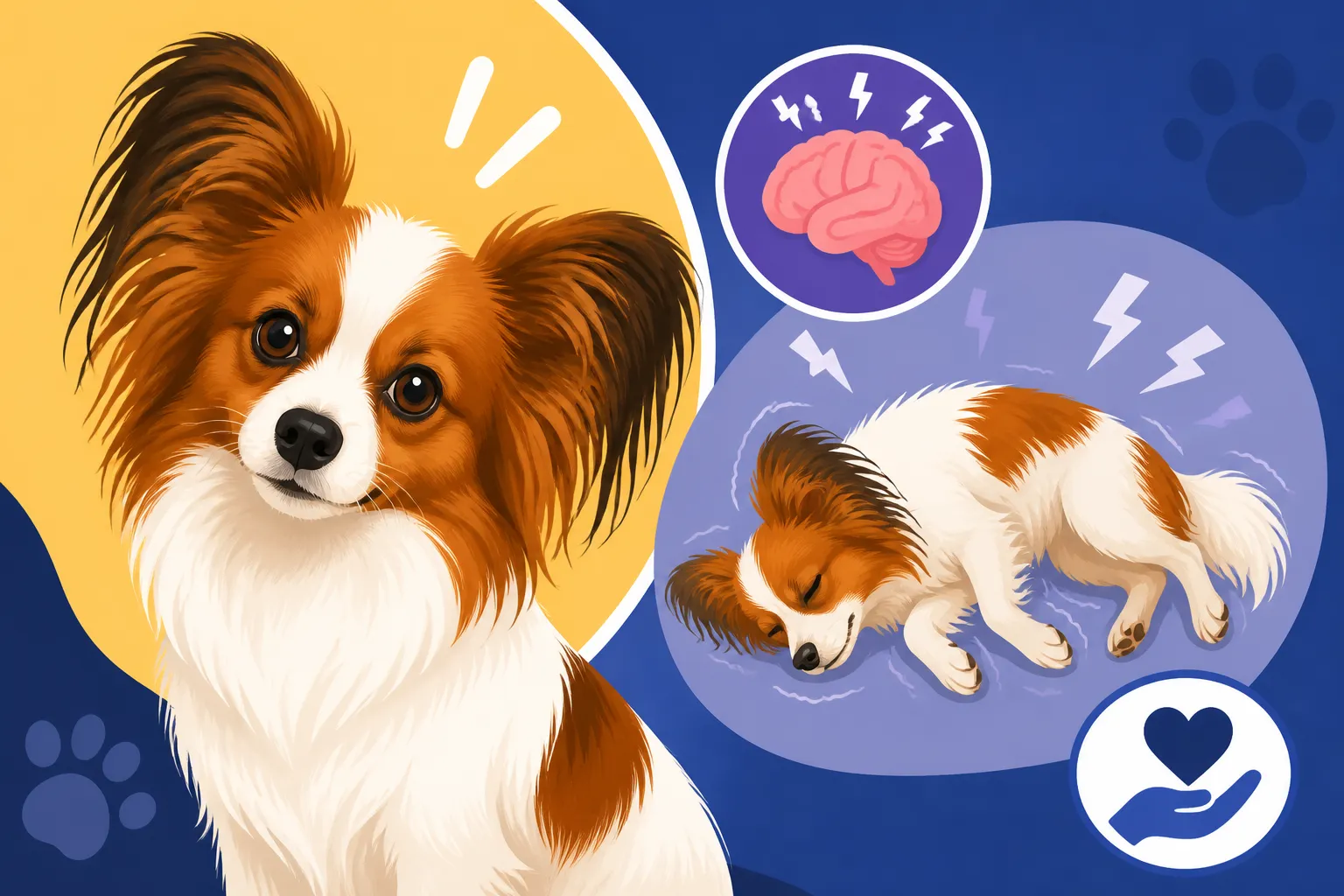
At its core, a seizure is a temporary disturbance of normal brain function. Think of your dog's brain as a complex electrical system, constantly sending signals to control everything from their breathing to their bouncy little leaps. During a seizure, there's an uncontrolled, sudden burst of electrical activity in the brain. This electrical storm essentially hijacks the normal processes, leading to a temporary loss of control over body movements, behavior, or consciousness. It's not usually painful for your dog, but it is disorienting and often scary for them, and definitely for you. The duration can vary widely, from just a few seconds to several minutes, and the recovery period can be just as important to observe.
For a tiny Papillon, these events can seem even more dramatic because their small bodies are so visibly affected. Whether your dog is staring blankly into space or thrashing around, the underlying cause is the same: an electrical misfire in the brain. It's a medical emergency that warrants immediate veterinary attention to determine the underlying cause and develop a treatment plan.
Different Types of Seizures
Seizures in dogs aren't a one-size-fits-all phenomenon. They are generally categorized based on where in the brain the abnormal electrical activity originates and how they affect the dog. Knowing the different types can help you provide crucial details to your veterinarian, which can be invaluable for diagnosis.
The most commonly recognized type is the Generalized Seizure, often referred to as a "grand mal" seizure. This is what most people picture: the dog loses consciousness, collapses, stiffens, paddles its legs, might vocalize, drool excessively, or even lose bladder and bowel control. The entire body is usually involved because the abnormal electrical activity spreads throughout both hemispheres of the brain. If you've ever seen a dog going through this, you know how terrifying it can be. These seizures can last from a few seconds to several minutes, and the post-seizure recovery period can be quite long. This is usually what people mean when they ask What a Papillon's Seizure Looks Like.
Then there are Focal Seizures, also known as partial seizures. These are much more subtle and often harder to identify. They result from abnormal electrical activity in only a localized part of one side of the brain. The signs depend on which part of the brain is affected. Your Papillon might show localized twitching in a single limb or on one side of the face. Their eyes might dart rapidly, or they might snap at imaginary flies. They usually remain conscious or have only a slightly altered awareness. Because Papillons are so small and agile, these subtle movements might be easily missed or mistaken for quirky behavior.
Finally, there are Psychomotor Seizures, which are a type of focal seizure affecting behavior. During these, a dog might exhibit strange, repetitive behaviors that seem out of character. This could include sudden aggression, intense tail chasing, uncontrollable barking, or chewing. They might appear confused or dazed. These are often the most challenging seizures for owners to recognize as seizures at all, as they can mimic behavioral problems. However, the key is their sudden onset and repetitive nature, followed by a post-ictal recovery phase.
Causes of Seizures in Papillons
Unraveling the cause of seizures in any dog, including our small Papillon friends, can be a complex diagnostic journey. It’s not always straightforward, and vets often have to rule out various possibilities, from genetic predispositions to environmental factors. Understanding the potential culprits can help you prepare for the diagnostic process and recognize relevant symptoms.
Idiopathic Epilepsy in Papillons
When a vet diagnoses "idiopathic epilepsy," it essentially means they've ruled out all other identifiable causes for your dog's seizures. In other words, there's no known brain lesion, metabolic issue, or external factor causing the seizures; the brain simply has an inherent tendency to seize. This can be particularly frustrating for owners because there isn't a clear "fix" for an underlying problem, but rather a need to manage the symptoms.
Idiopathic epilepsy is considered largely genetic, meaning it’s inherited. While it’s more commonly seen in certain larger breeds, like Beagles, Labrador Retrievers, and German Shepherds, smaller breeds are not entirely exempt. For Papillons, it’s a question many owners ponder: Whether a Papillon Gets Idiopathic Epilepsy. The typical age of onset for idiopathic epilepsy in dogs is between six months and five years old. If your Papillon starts having seizures outside this age range, your vet will likely investigate other causes more aggressively. It’s crucial for responsible breeders to be aware of any epilepsy in their lines, as careful breeding practices can help reduce its prevalence in the breed.
Secondary Seizures: Structural Brain Issues
Sometimes, seizures are a symptom of an underlying structural problem within the brain itself. These are often called secondary or symptomatic seizures because they have a clear, identifiable cause. The brain is an intricate organ, and any damage or abnormality can disrupt its delicate electrical balance.
- Brain Tumors: As dogs age, the risk of brain tumors increases, and these can certainly cause seizures. Tumors can put pressure on brain tissue, leading to abnormal electrical activity. While Papillons are known for their relatively long lifespans—How Long a Papillon Lives is often a wonderful fifteen years or more—this means they can be susceptible to age-related conditions like tumors.
- Head Trauma: An accidental fall, being stepped on, or a blunt force injury to the head can cause internal bleeding, swelling, or scarring in the brain, all of which can trigger seizures. Given their small size, Papillons can be more vulnerable to accidental injuries, especially if they play rambunctiously with larger dogs or young children. Owners often fret about these kinds of accidents.
- Strokes: Just like in people, dogs can suffer from strokes, which are disruptions of blood flow to the brain. This lack of oxygen can damage brain tissue and lead to seizures. While less common, they are a possibility, especially in older dogs.
- Inflammatory Diseases/Infections: Conditions like meningoencephalitis (inflammation of the brain and its membranes) or infections (bacterial, fungal, viral) can also irritate brain tissue and induce seizures. These can be particularly challenging to diagnose and treat, often requiring advanced imaging and cerebrospinal fluid analysis.
Reactive Seizures: Metabolic and Toxic Causes
Sometimes, seizures aren't about the brain itself being faulty, but rather the brain reacting to an imbalance or a harmful substance circulating in the body. These are often called reactive seizures because the brain is reacting to an extracranial (outside the brain) issue.
- Hypoglycemia (Low Blood Sugar): This is a particularly important consideration for young Papillon puppies, especially those on the smaller side. Their tiny bodies have fewer reserves, and if they don't eat regularly or are stressed, their blood sugar can drop dangerously low, leading to seizures, weakness, and collapse. It’s a serious concern, which is why topics like Whether a Papillon Gets Hypoglycemia as a Puppy are so vital for new owners. Early intervention with a sugar source is critical in these cases.
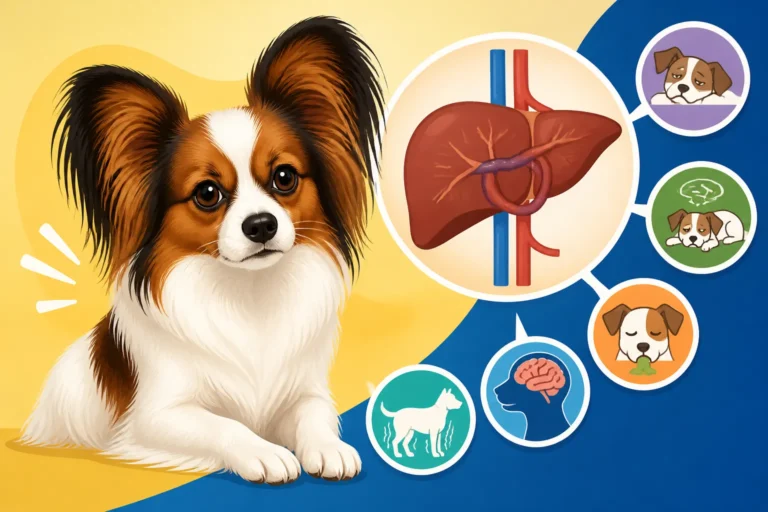
- Liver Shunts: The liver plays a crucial role in detoxifying the blood. A portosystemic shunt (liver shunt) means blood bypasses the liver, allowing toxins to build up and reach the brain, causing neurological symptoms including seizures. This is another serious condition that owners might worry about, so understanding Whether a Papillon Gets a Liver Shunt is essential. The symptoms usually manifest when a dog is young, often under two years of age.
- Kidney Disease: When the kidneys aren't functioning properly, waste products can accumulate in the bloodstream, leading to a condition called uremia. These toxins can affect brain function and lead to seizures. This is more common in older dogs, and regular bloodwork as part of Caring for a Papillon Past Eleven can help detect such issues early.
- Heart Disease: While less direct, severe heart conditions that compromise blood flow to the brain can sometimes lead to seizure-like activity or fainting spells that can be mistaken for seizures. It's a good reason why a vet might recommend a Whether a Papillon Needs a Cardiac Exam if they suspect cardiovascular issues, especially if the dog has a murmur or other signs of Whether a Papillon Gets Heart Disease.
- Toxins: Exposure to certain poisons, such as antifreeze, rodenticides, lead, or even some common household medications and plants, can induce seizures. If you suspect your Papillon has ingested something harmful, seeking emergency veterinary care is paramount. Their small size means even a tiny amount of a toxin can have a devastating effect.
Recognizing Seizure Symptoms and Diagnosis
Watching your Papillon have a seizure is a deeply unsettling experience, and in the moment, it can be hard to think clearly. However, being able to recognize the different phases of a seizure and provide your veterinarian with a detailed account can make a world of difference in getting a correct diagnosis and effective treatment plan.
The Phases of a Seizure
Seizures typically occur in three distinct phases, though not all phases are always obvious, especially with focal seizures. Understanding these phases can help you observe and report more accurately:
- The Prodromal Phase (Pre-Ictal Phase): This is the period before the actual seizure begins, and it can last from a few minutes to several hours or even days. Some dogs will show subtle behavioral changes during this time. Your Papillon might seem restless, anxious, clingy, or unusually quiet. They might seek out their owner or hide. You might notice them staring blankly, salivating, or acting confused. For a small, affectionate breed like the Papillon, these changes can be particularly heartbreaking to witness, as you might sense something is wrong but can't quite pinpoint it. Not all dogs exhibit a noticeable prodromal phase, but if yours does, it can be a warning sign that a seizure is imminent.
- The Ictus Phase (The Seizure Itself): This is the actual seizure event. As discussed earlier, it can range from a subtle twitch to a full-blown grand mal convulsion. Your Papillon might lose consciousness, collapse, become rigid, and then start paddling its legs. They might drool, urinate, or defecate. Their eyes may roll back or stare fixedly. The key is that these are involuntary actions—your dog is not aware of what is happening. The most important thing during this phase is to ensure your dog's safety: move any furniture or objects they could hit, and avoid putting your hands near their mouth, as they could accidentally bite you. Time the seizure, if possible; even a rough estimate is helpful. This phase is often the most frightening for owners, but remember, your dog isn't in pain during the seizure itself, though they might be disoriented.
- The Post-Ictal Phase: This is the recovery period immediately following the seizure. It can last minutes, hours, or even days, and the signs can be quite varied. Your Papillon might appear disoriented, confused, restless, or anxious. They might pace aimlessly, bump into furniture, or seem temporarily blind. They might be extremely thirsty or hungry, or conversely, very sleepy. Some dogs might be overly clingy, while others might appear dazed and want to be left alone. It's common for them to be vocal or agitated. This phase is crucial for observation because the type and duration of post-ictal signs can also give your vet clues about the seizure's origin. It’s during this time that you want to offer comfort, a quiet space, and ensure they have access to water, but avoid overwhelming them.
Getting a Diagnosis: What to Expect at the Vet
When your Papillon has a seizure, your first call should always be to your veterinarian. They will guide you on whether an immediate visit to an emergency clinic is necessary. When you go in, be prepared to share as much detail as possible about what you observed.
Your vet will start with a thorough physical examination, including a neurological assessment. They'll want to know about your Papillon's full medical history, any recent changes in diet or environment, potential exposure to toxins, and most importantly, a detailed description of the seizure event. If you managed to record a video of the seizure on your phone, bring it! This can be incredibly helpful for the vet to see exactly what happened, as it's often difficult to describe accurately in the heat of the moment.
The diagnostic process usually involves a series of tests to rule out various causes:
- Blood Tests: A comprehensive blood panel will check organ function (liver, kidneys), blood sugar levels (important for ruling out hypoglycemia), and electrolyte balance. For a Papillon puppy, these tests are critical to investigate issues like Whether a Papillon Gets a Liver Shunt or low blood sugar.
- Urinalysis: This can help detect kidney issues or certain types of poisoning.
- Bile Acid Test: If a liver shunt is suspected, this specialized blood test can confirm it.
- Imaging (MRI or CT scan): If blood tests are inconclusive and a structural problem in the brain (like a tumor, inflammation, or stroke) is suspected, your vet might recommend an MRI (Magnetic Resonance Imaging) or CT (Computed Tomography) scan of the brain. These are advanced procedures that often require referral to a specialist and general anesthesia for your Papillon, which can be a concern with Anesthesia and a Five Pound Papillon. However, they provide the most detailed images of the brain.
- Cerebrospinal Fluid (CSF) Tap: In some cases, if inflammation or infection of the brain and spinal cord is suspected, a sample of CSF might be collected for analysis. This also requires anesthesia.
It's important to remember that sometimes, even after extensive testing, a definitive cause for seizures isn't found. In these instances, a diagnosis of idiopathic epilepsy is made. This can be frustrating, but it means that the focus then shifts to managing the seizures effectively. The costs associated with such extensive diagnostics can be significant, which is where a good pet insurance plan from providers like Healthy Paws can truly offer peace of mind, helping cover those unexpected veterinary bills.
Managing and Living with Seizures
Receiving a diagnosis of epilepsy or recurrent seizures for your Papillon can feel overwhelming. However, with proper management, many dogs with seizures can lead full, happy lives. The goal isn't always to completely eliminate seizures, but to reduce their frequency, severity, and duration, and to minimize side effects from medication.
Treatment Options for Seizures
The mainstay of seizure treatment in dogs is anticonvulsant medication. This medication helps to stabilize the electrical activity in the brain and prevent or reduce seizure episodes. The choice of medication and dosage will be tailored to your Papillon's individual needs, seizure frequency, and severity.
- Phenobarbital: This is one of the oldest and most commonly used anticonvulsants. It's effective but requires careful monitoring of blood levels to ensure it's in the therapeutic range and to watch for potential liver side effects. Your Papillon will need regular blood tests once treatment begins.
- Potassium Bromide: Often used in conjunction with phenobarbital or as a first-line treatment if phenobarbital isn't suitable, potassium bromide also helps to control seizures. It takes longer to reach therapeutic levels in the body but can be a good option for long-term management.
- Levetiracetam (Keppra): This newer generation anticonvulsant is often favored because it generally has fewer side effects and interactions with other drugs. It can be given orally or sometimes by injection in an emergency. It's also often used as an "add-on" medication for dogs whose seizures aren't fully controlled by a single drug.
- Zonisamide: Another newer drug, zonisamide, can be effective, particularly for focal seizures or as an adjunct therapy. It also tends to have fewer side effects than older medications.
- Diazepam or Midazolam (Rectal/Intranasal): These benzodiazepines are typically used as emergency medications to stop an active seizure, especially if it's prolonged (status epilepticus) or if clusters of seizures occur. Your vet might prescribe a rectal or intranasal formulation for you to administer at home if your Papillon experiences these types of emergencies.
It's vital to administer seizure medication exactly as prescribed and never stop it abruptly, as this can trigger more severe seizures. Your vet will work closely with you to find the right combination and dosage, adjusting it as needed based on your Papillon's response. Regular follow-up appointments and blood work are crucial for monitoring effectiveness and potential side effects, ensuring the best quality of life for your small companion.
Emergency Protocols and Home Care
Being prepared for a seizure at home can reduce panic and help you act effectively. Developing an emergency plan with your vet is crucial.
First and foremost, if your Papillon is actively seizing, remain calm. The most important thing is to keep them safe. Gently move any objects they could bump into or fall off. If they are on a high surface, gently ease them to the floor. Do not try to hold their tongue or put anything in their mouth, as you could be bitten severely. Instead, simply observe and time the seizure's duration. Knowing What a Papillon's Seizure Looks Like is useful, but timing it is even more critical for your vet.
Keep a seizure diary. This means logging the date, time, duration, type of seizure, and any pre- or post-ictal signs you noticed. This detailed record is invaluable for your vet to assess the effectiveness of medication and make adjustments. If your vet prescribes emergency medication, make sure you understand exactly when and how to administer it.
Always have your vet's contact information readily available, along with the number for the nearest emergency veterinary clinic. If a seizure lasts longer than five minutes, or if your Papillon has multiple seizures in a short period (cluster seizures), it's considered an emergency, and you should head to the emergency vet immediately. These situations can lead to dangerous overheating and brain damage. Having pet insurance, like a plan from Healthy Paws, can significantly alleviate the financial stress of emergency visits and ongoing medication costs, allowing you to focus purely on your Papillon's well-being.
Supporting Your Papillon's Quality of Life
Beyond medication, there's a lot you can do to support your Papillon and enhance their quality of life when they have seizures.
- Environmental Adjustments: Create a safe, consistent home environment. Avoid drastic changes to their routine, as stress can sometimes be a trigger for seizures in susceptible individuals. If your Papillon experiences post-ictal disorientation, clear pathways, and perhaps soft rugs can prevent bumps and falls. For dogs that become temporarily blind, keeping furniture in the same place can reduce anxiety.
- Regular Vet Checks: Consistent veterinary care is paramount. Regular check-ups allow your vet to monitor your Papillon's overall health, adjust medication as needed, and catch any new issues early. These routine visits can sometimes be covered by wellness plans offered by pet insurance providers, complementing comprehensive coverage for seizure treatment.
- Diet and Nutrition: While no specific diet cures epilepsy, a balanced, high-quality diet is important for overall health. Some anecdotal evidence suggests certain dietary changes, such as ketogenic diets, may help some epileptic dogs, but these should only be pursued under strict veterinary guidance. Ensure your Papillon is eating well and maintaining a healthy weight.
- Mental and Physical Stimulation: Just because your Papillon has seizures doesn't mean they can't still enjoy life! They still need appropriate mental stimulation and physical exercise. Engage them with puzzle toys, short training sessions, and walks. Just be mindful of their limitations, especially if they have other health concerns like What Patellar Luxation Does to a Papillon. Too much stress or over-exertion can sometimes be detrimental.
- Love and Patience: Above all, your Papillon needs your unwavering love and patience. Living with a dog with seizures can be emotionally taxing, but your calm presence and consistent care are the most important things you can offer. Many Papillons with well-managed seizures continue to live long and happy lives, bringing joy to their families for many years.
The Papillon's Predisposition and Prognosis
When facing a challenging health issue like seizures, it's natural to wonder how common it is in your specific breed and what the future holds. Understanding the Papillon's general health profile and the nuances of seizure conditions can help manage expectations and guide your decisions.
Is Epilepsy Common in Papillons?
Compared to some breeds, the Papillon is generally considered a robust and healthy breed, known for its longevity. When evaluating Whether the Papillon Is a Healthy Breed, epilepsy is not typically listed as one of the most prominent or widespread health concerns, such as patellar luxation or progressive retinal atrophy. However, "not common" doesn't mean "never."
Idiopathic epilepsy, by definition, can appear in any breed, but some breeds do show a higher genetic predisposition. While Papillons don't consistently appear on lists of breeds most prone to epilepsy, individual lines within the breed can certainly carry the genetic markers for it. This is why it’s so critical to ask breeders about the health history of their breeding dogs and their ancestors, not just for the immediate parents but for several generations back. A responsible breeder will be transparent about any instances of seizures or epilepsy in their lines and will undertake proper screening.
Seizures caused by external factors, like hypoglycemia in puppies or liver shunts, are a different story. These aren't necessarily about an inherent predisposition to epilepsy but rather conditions that can cause seizures. Given their small size, Papillon puppies can be more susceptible to hypoglycemia if not fed regularly, so understanding The Age a Papillon Outgrows Hypoglycemia is crucial for new owners. Similarly, while liver shunts aren't unique to Papillons, they are a concern in many toy breeds due to genetic factors that lead to improper vascular development.
Long-Term Outlook and Genetic Considerations
The long-term outlook for a Papillon with seizures largely depends on the underlying cause, how well it's controlled with medication, and the dog's overall health.
- Idiopathic Epilepsy: For Papillons diagnosed with idiopathic epilepsy, the prognosis is often good for managing the condition. While it's a lifelong commitment to medication, many dogs achieve a significant reduction in seizure frequency and severity, allowing them to live a normal quality of life for many years. Regular monitoring and adherence to treatment protocols are key. It’s also important to remember that the goal is often control, not necessarily a complete cure or elimination of seizures.
- Secondary/Reactive Seizures: If the seizures are secondary to another treatable condition (like a liver shunt that can be surgically corrected, or a toxin exposure that can be detoxified), the prognosis can be excellent once the primary problem is resolved. However, if the cause is a progressive disease like an untreatable brain tumor, the prognosis might be more guarded, and treatment would focus on palliative care and seizure control to maintain comfort.
From a genetic standpoint, responsible breeding plays a crucial role in reducing the incidence of inherited conditions like idiopathic epilepsy. When considering bringing a Papillon puppy into your home, it's incredibly important to ask What a Papillon Breeder Should Have Tested and to specifically inquire about the health history related to seizures or neurological issues in their breeding lines. Breeders should be open about health clearances and any instances of seizures in their dogs or their progeny. Knowing Which Health Tests a Papillon Breeder Should Run can empower you to ask the right questions and choose a puppy from a breeder dedicated to the health and longevity of the breed. This diligence can make a profound difference in your Papillon's future health and your journey together.
Here is a quick overview of seizure types and their potential causes:
| Seizure Type | Description | Common Causes | Papillon Specific Considerations |
|---|---|---|---|
| Generalized (Grand Mal) | Full-body convulsions, loss of consciousness, paddling, drooling. | Idiopathic Epilepsy, Brain Tumors, Severe Metabolic Imbalance | Often the most distressing to witness in a small breed like a Papillon. |
| Focal (Partial) | Localized twitching (face/limb), behavioral changes, altered awareness. | Brain Injury, Small Tumors, Focal Inflammation, Stroke | Can be subtle and easily mistaken for normal Papillon quirks due to small size. |
| Psychomotor | Repetitive, out-of-character behaviors (e.g., tail chasing, snapping, pacing). | Focal Brain Lesions, Idiopathic Epilepsy (less common manifestation) | May be challenging to identify as a seizure vs. a behavioral issue. |
| Reactive Seizures | Seizure due to systemic issues outside the brain. | Hypoglycemia, Liver Shunt, Toxin Exposure, Kidney/Liver Failure | High Relevance for Papillons: Hypoglycemia in puppies, liver shunts, toxin sensitivity due to small size. |
Pet insurance providers like Healthy Paws can be a tremendous resource for owners facing seizure diagnoses, often covering a significant portion of diagnostic tests, medications, and emergency treatments. This support can help ensure your Papillon receives the best possible care throughout their life.
Disclaimer
This article is for general informational purposes only and does not constitute professional advice. Laws, prices and regulations vary by location and change over time. Consult a qualified professional for guidance on your specific situation.