What a Papillon Breeder Should Have Tested
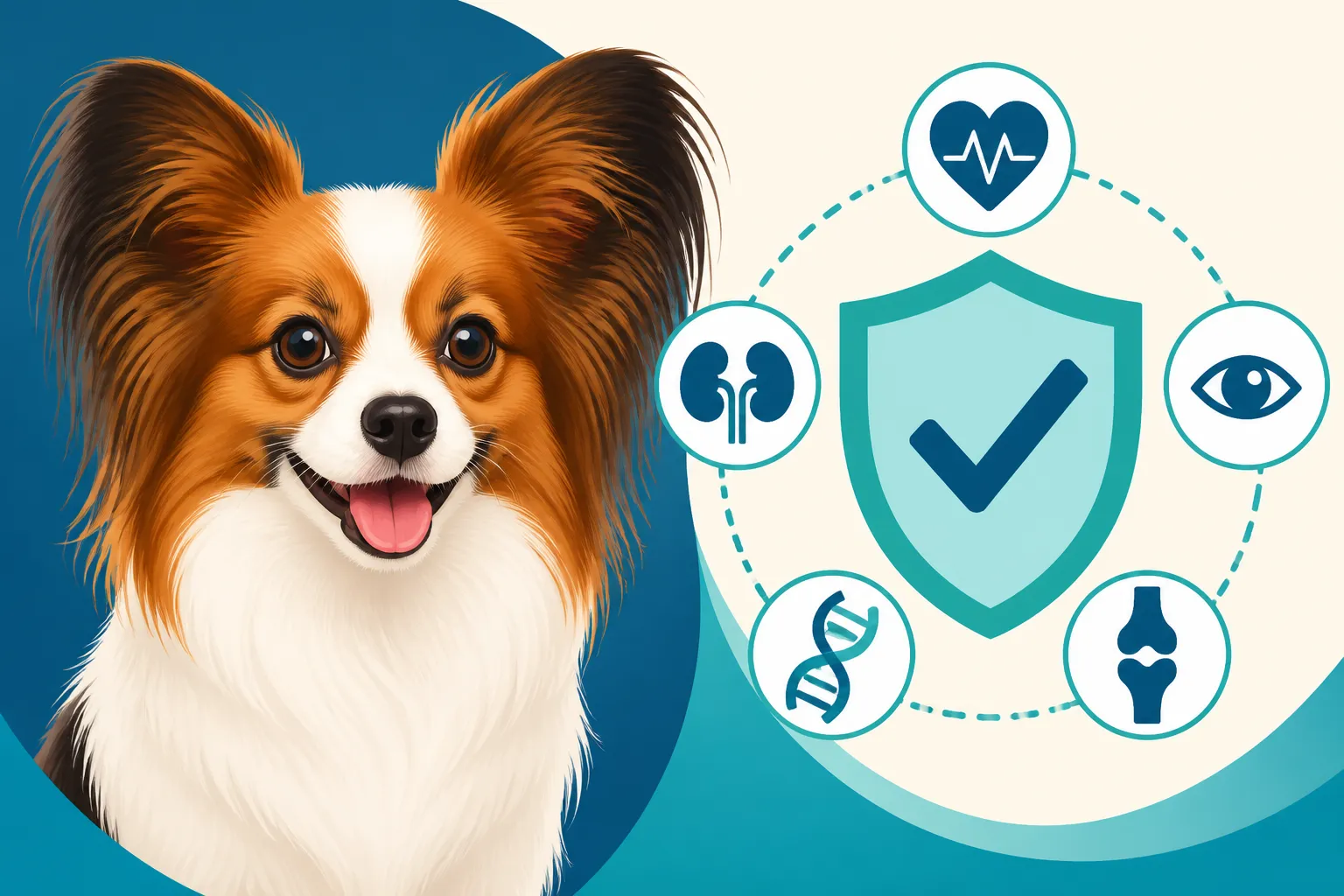
Bringing a new Papillon puppy into your home is an incredibly exciting time, full of dreams of cuddles, playful antics, and years of devoted companionship. But the journey begins long before your puppy ever sets a paw in your living room, specifically with the decisions made by the breeder. One of the most critical aspects, often overlooked by eager prospective owners, is ensuring the breeding parents have undergone proper health testing. Without these vital checks, you could unknowingly open your heart to a lifetime of preventable health struggles and unforeseen veterinary bills. This guide will walk you through exactly what health tests a responsible Papillon breeder should have completed, empowering you to make an informed choice and secure a healthier future for your furry family member.
Why Health Testing is Non-Negotiable for Papillon Breeders
It’s easy to fall in love with a cute puppy, but a responsible breeder understands that beauty is only skin deep, and true health goes far beyond what meets the eye. They recognize their profound responsibility to not only produce beautiful dogs but, more importantly, healthy ones. This commitment is best demonstrated through rigorous, transparent health testing of their breeding stock.
The Legacy of Inherited Conditions in Small Breeds
Papillons, like all purebred dogs, carry the genetic legacy of their ancestors. While generally a hardy and long-lived breed, specific health conditions can unfortunately become concentrated within certain lines if breeders aren't vigilant. These inherited conditions aren't just minor inconveniences; they can lead to chronic pain, expensive treatments, reduced quality of life, or even tragically, a shortened lifespan for your beloved pet. It's heartbreaking to bring a puppy home only to find out months later they're battling a preventable genetic disease, often through no fault of your own or even the breeder’s if they were unaware of the risks. This is why a breeder's due diligence in testing is paramount – it's their way of actively working to remove these genetic landmines from the breed.
Small gene pools, common in many purebred lines, can inadvertently amplify the presence of recessive genes for certain diseases. If two carriers of a particular gene are bred, there's a 25% chance that each puppy in the litter will inherit two copies of that gene and become affected. Responsible breeders understand this genetic roulette and proactively use testing to ensure they are never unknowingly playing with the health of their puppies. Their goal is always to breed dogs that not only exemplify the Papillon standard in appearance and temperament but also boast the robust health needed for a long, happy life.
Beyond Just "Healthy Looking" Parents
A common misconception is that if the parent dogs appear healthy and active, their puppies will automatically be healthy too. Unfortunately, this isn't always the case, especially when it comes to genetic conditions. Many inherited diseases are insidious, meaning they don't show any outward symptoms in carrier dogs or even in affected dogs until they are much older. A parent dog could be a carrier for a serious genetic condition and live a completely normal, healthy life without ever showing a single sign of illness. However, if bred with another carrier, they could produce puppies that are severely affected.
This "silent carrier" phenomenon is precisely why visual inspection and a general vet check-up, while important for overall health, are simply not enough for breeding stock. Specific, targeted health tests are required to uncover these hidden genetic risks. For example, a Papillon could carry the gene for Progressive Retinal Atrophy (PRA1) and have perfect vision itself, but pass that gene on to its offspring. It takes a dedicated breeder to go beyond surface appearances and invest in the specialized testing that truly reveals the genetic blueprint of their dogs. This proactive approach helps ensure that the health of future generations isn't left to chance, giving prospective owners much greater peace of mind.
Essential Genetic Tests for Papillons: Looking Beyond the Surface
When it comes to Papillon health, certain genetic conditions have been identified as primary concerns. Thankfully, scientific advancements have provided us with DNA tests that can precisely identify carriers or affected individuals for these specific diseases, allowing breeders to make informed pairing decisions.
Progressive Retinal Atrophy PRA1: The Primary Eye Concern
Progressive Retinal Atrophy (PRA), particularly the PRA1 type, is one of the most critical genetic health concerns in the Papillon breed. This condition is caused by a specific mutation in the CNGB1 gene. What it does, essentially, is cause the rods in the dog's retina to degenerate first. This means affected dogs will initially experience difficulty seeing in low light or at night, a condition often referred to as "night blindness." Unfortunately, it's a progressive disease, meaning that over time, their daylight vision will also be lost, often leading to complete blindness. You can learn more about The Papillon Type of Progressive Retinal Atrophy and the CNGB1 Gene in our dedicated article.
PRA1 is inherited in an autosomal recessive pattern. This means a dog must inherit two copies of the mutated gene (one from each parent) to be affected by the disease. Dogs that inherit only one copy are considered "carriers." Carriers do not develop the disease themselves, but they can pass the mutated gene on to their puppies. A responsible breeder will use a DNA test to determine if their breeding dogs are "clear" (meaning they don't have the mutation), "carriers" (one copy of the mutation), or "affected" (two copies of the mutation). By testing, breeders can ensure that two carriers are never bred together, thus preventing the birth of affected puppies. If a breeder has a carrier dog with exceptional qualities, they can still responsibly breed it, but only with a dog that has tested "clear," ensuring no puppies will ever be affected. Understanding The DNA Test for Papillon Retinal Atrophy is key for any prospective owner.
Neuroaxonal Dystrophy NAD: A Devastating Neurological Condition
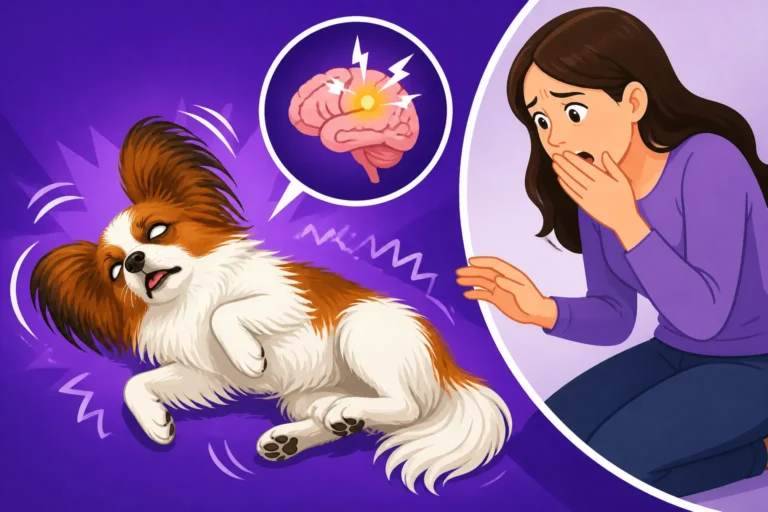
Neuroaxonal Dystrophy, or NAD, is another severe inherited condition that, while thankfully rare, can be utterly devastating for affected puppies and their owners. NAD is a neurological disorder that affects the nervous system, leading to progressive neurological signs. Puppies affected by NAD typically begin to show symptoms early in life, often between 3 to 6 months of age, though it can sometimes manifest earlier or later. These symptoms can include tremors, coordination problems (ataxia), difficulty walking, and progressive weakness. The condition is sadly untreatable and generally progresses rapidly, leading to a very poor quality of life and, in most cases, requiring euthanasia before the dog reaches adulthood. To truly understand the impact, consider reading about What Neuroaxonal Dystrophy Does to a Papillon.
Like PRA1, NAD is inherited in an autosomal recessive manner. This means both parents must be carriers for an affected puppy to be born. Because of the severe nature of this disease, it is absolutely crucial that Papillon breeders utilize the available DNA test for NAD. This test allows breeders to identify if their dogs are clear, carriers, or affected, and to make responsible breeding decisions to completely avoid producing puppies with this debilitating condition. A breeder who truly prioritizes the health and well-being of their puppies will always ensure their breeding stock has been tested for NAD. The peace of mind that comes from knowing your puppy won't face this heartbreaking condition is invaluable. For more details on the testing process, look into The DNA Test for Papillon Neuroaxonal Dystrophy.
Von Willebrand Disease vWD: Bleeding Disorders
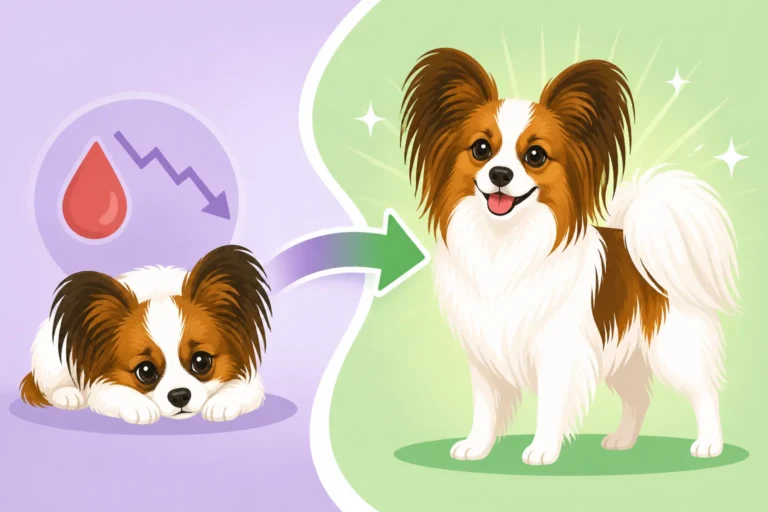
Von Willebrand Disease (vWD) is the most common inherited bleeding disorder in dogs, and Papillons are among the breeds known to be affected, specifically by Type I vWD. This condition occurs due to a deficiency in von Willebrand factor, a protein necessary for normal blood clotting. Dogs with vWD may experience prolonged or excessive bleeding from minor injuries, during surgery, after a dental cleaning, or even from spontaneous nosebleeds or bruising. Imagine the stress of a routine nail trim turning into a medical emergency because your dog can't clot properly. This is a very real concern for affected dogs. Discover more about Von Willebrand Disease and a Papillon That Will Not Stop Bleeding.
For a breeder, testing for vWD is a crucial step in ensuring the safety and health of their puppies and the breed line. The DNA test identifies whether a dog is clear, a carrier, or affected. Even carriers can pass the trait on, and affected dogs can suffer significant health risks, especially around any kind of surgical procedure. A responsible breeder will ensure their breeding dogs are clear or, if they are carriers, that they are only bred to clear dogs to prevent producing affected puppies. This information is particularly important when considering any surgical procedures for your Papillon, like spaying or neutering, making it essential to know Whether a Papillon Should Be Tested Before Surgery beforehand. This simple test can prevent life-threatening complications and provide immense reassurance to both the breeder and the future owner.
Orthopedic Screenings: Keeping Those Little Legs Sturdy
Small dogs like Papillons are renowned for their lively energy and graceful movements. However, their delicate bone structure can sometimes predispose them to orthopedic issues. Responsible breeders understand this and undertake specific screenings to minimize the risk of passing on structural problems.
Patellar Luxation: The Most Common Orthopedic Issue
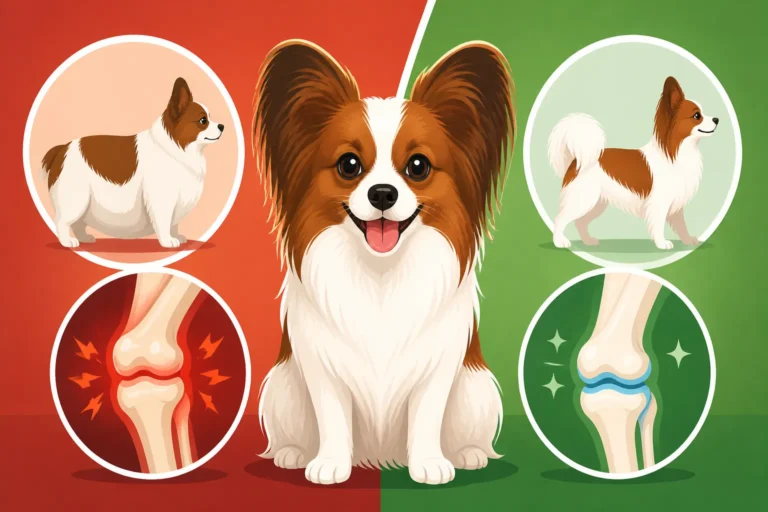
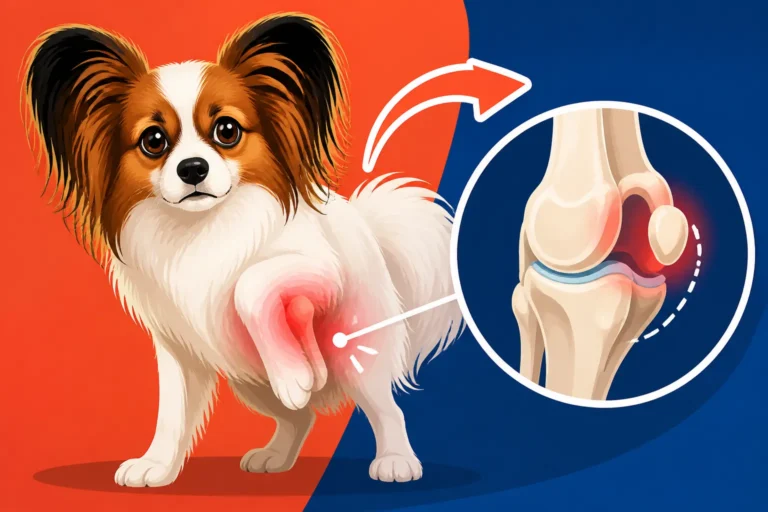
Patellar luxation, more commonly known as a "slipping kneecap," is by far the most prevalent orthopedic problem seen in Papillons and many other small breeds. It occurs when the patella (kneecap) dislocates or slips out of its normal groove in the femur (thigh bone). This can cause a sudden skip in their step, limping, or in severe cases, persistent lameness and pain. While it might sound minor, imagine your kneecap constantly popping out of place — it’s uncomfortable and can lead to secondary issues like arthritis over time. This condition can range in severity, from Grade 1 (minimal slipping) to Grade 4 (permanent dislocation). For a full picture, you might want to look at Patellar Luxation Is the Papillon Problem You Will Actually Meet.
Responsible breeders will have their breeding dogs' knees examined and certified by a veterinary orthopedic specialist, usually through the Orthopedic Foundation for Animals (OFA). The OFA Patella certification involves a physical examination by a qualified veterinarian who grades the stability of the kneecaps. They are looking for signs of instability, which can indicate the potential for luxation. This certification is crucial because patellar luxation can have a genetic component, and breeding dogs with unstable patellas significantly increases the risk for their offspring. It's truly amazing How Common Patellar Luxation Is in Papillons and why selecting a puppy from tested parents is so important. Often, grades of 2 or higher necessitate surgical intervention, which can be both costly and stressful for the dog and owner. Understanding Which Grade of Luxation Needs Fixing in a Papillon is vital.
Hip and Elbow Dysplasia Though Less Common: A Prudent Check
While patellar luxation is a primary orthopedic concern for Papillons, hip and elbow dysplasia are conditions more commonly associated with larger breeds. Hip dysplasia involves an abnormal formation of the hip socket, leading to arthritis and pain, while elbow dysplasia affects the elbow joint. Because Papillons are light-boned and typically weigh less than 10 pounds, these conditions are significantly less common in the breed compared to, say, a German Shepherd or a Labrador Retriever. Their lighter frame puts less stress on these major joints.
However, a truly thorough and conscientious breeder might still consider OFA hip and elbow evaluations, especially if they have lines that are slightly larger than average or if there’s any uncertainty about the ancestral backgrounds. While it may not be a standard "must-do" test for every Papillon, a breeder who goes the extra mile to screen for these conditions demonstrates an exceptional commitment to producing the healthiest puppies possible. This screening involves X-rays of the hips and elbows, which are then evaluated by a panel of expert radiologists to determine the degree of joint soundness. Although it might be overkill for many Papillon lines, it offers an additional layer of reassurance against potential, albeit rare, orthopedic issues.
Comprehensive Ocular Health Exams: More Than Just PRA1
Beyond the specific genetic testing for PRA1, a holistic approach to eye health is essential for Papillons. A responsible breeder understands that the eyes are complex organs, and multiple conditions can affect vision and comfort. This is where comprehensive examinations by a specialized veterinary ophthalmologist come into play.
Annual CERF/OFA Eye Exams by a Veterinary Ophthalmologist
While the DNA test for PRA1 is incredibly valuable for identifying a specific genetic predisposition, it doesn't cover the full spectrum of potential eye diseases. Just like humans, dogs can develop other eye conditions that aren't tied to a single gene mutation. This is why a thorough annual eye examination by a board-certified veterinary ophthalmologist is absolutely critical for breeding Papillons. These examinations, often registered with organizations like the Orthopedic Foundation for Animals (OFA) Eye Certification Registry (formerly CERF), check for a wide array of conditions.
During these specialized exams, the ophthalmologist will meticulously inspect all parts of the eye. They'll look for signs of cataracts (clouding of the lens), glaucoma (increased pressure in the eye), persistent pupillary membranes (PPMs, remnants of fetal blood vessels that can obstruct vision), retinal dysplasia (abnormal development of the retina), and other structural abnormalities or diseases. These exams are important because many of these conditions can develop later in a dog's life, or they might not be genetically inherited in a simple recessive pattern. Knowing Whether a Papillon Needs a Yearly Eye Exam by a specialist is crucial, not just a general vet check-up. Even a Papillon that tested "clear" for PRA1 should still undergo these yearly specialist eye exams to ensure overall ocular health. For example, some Papillons can develop Cataracts in a Papillon later in life, which might not be genetically linked to PRA1.
Beyond the Basics: Eyelid and Tear Duct Health
Beyond the more serious conditions like cataracts and PRA, there are other, often overlooked, aspects of ocular health that a thorough ophthalmologist's exam will cover. These include issues related to the eyelids and tear ducts. Conditions like entropion (where the eyelid rolls inward, causing eyelashes to rub against the cornea) or ectropion (where the eyelid rolls outward, exposing the conjunctiva) can cause chronic irritation, pain, and lead to secondary infections. While not typically sight-threatening in the same way as PRA, they significantly impact a dog's comfort and quality of life.
Similarly, issues with tear production or tear duct drainage, such as dry eye (keratoconjunctivitis sicca or KCS), can lead to uncomfortable, red, and irritated eyes, potentially damaging the cornea if left untreated. An ophthalmologist will assess tear production and inspect the tear ducts for proper function. While these conditions might not always be purely genetic, a responsible breeder will still identify them in their breeding stock to avoid perpetuating any conformational issues that might predispose their offspring to similar problems. Recognizing and addressing these seemingly minor issues demonstrates a breeder's comprehensive commitment to the well-being of their dogs, ensuring that puppies are born with the best possible chance for clear, comfortable vision.
Additional Health Considerations and Screenings
While genetic and orthopedic tests form the backbone of responsible Papillon breeding, a comprehensive health program extends to other areas that contribute to a dog's overall vitality and longevity. These checks ensure that the breeding parents are not just free of specific diseases, but are robust and healthy individuals in every respect.
Cardiac Health: Listening to the Little Heart
For many small breeds, cardiac health is an important consideration, and Papillons are no exception. While severe congenital heart defects are rare, some small dogs can be predisposed to acquired heart conditions later in life, with mitral valve disease (MVD) being a common one. MVD involves a degeneration of the mitral valve, leading to a "leak" and eventually heart failure. Though often a condition that manifests in senior dogs, a responsible breeder will want to ensure their breeding stock has healthy hearts from the outset to minimize any genetic predisposition. It's not uncommon for Papillons to develop Whether a Papillon Gets Heart Disease as they age.
A thorough cardiac screening for breeding dogs typically starts with a veterinary cardiologist performing a physical examination, specifically listening for heart murmurs. While a murmur doesn't always indicate serious disease, it warrants further investigation. In some cases, a breeder may opt for an echocardiogram, which is an ultrasound of the heart, to get a detailed assessment of the heart's structure and function. This advanced screening provides a clear picture of the dog's cardiac health, ensuring that parents are healthy and sound, reducing the risk of passing on potential vulnerabilities to their puppies. This proactive step underscores a breeder's dedication to the long-term health of their lines, ensuring your Papillon has the best chance for a strong, healthy heart throughout its life.
Thyroid Function and Other General Health Panels
Beyond breed-specific concerns, a responsible breeder also ensures the general health and well-being of their breeding dogs through routine veterinary care and general health screenings. One such screening often includes a thyroid panel. Hypothyroidism, an underactive thyroid gland, can lead to a host of problems, including lethargy, weight gain, skin issues, and fertility problems. While not as common in Papillons as in some larger breeds, it's still a condition that can affect any dog, and ensuring normal thyroid function in breeding animals is a good practice.
Furthermore, a comprehensive pre-breeding blood panel helps assess the overall health of the dog's internal organs, including kidney and liver function, and checks for any underlying infections or imbalances. These general health checks confirm that the breeding pair is in peak physical condition, capable of handling the demands of breeding and raising a litter. It's not just about avoiding specific diseases; it's about confirming robust health and vitality. A breeder who routinely invests in these broader health panels demonstrates a holistic approach to canine well-being, showing they care deeply about the overall health of their dogs, not just the easily tested genetic traits.
Dental Health: A Small Mouth, Big Problems
While not a genetic test in the traditional sense, dental health is a significant concern for Papillons due to their small jaws, which are prone to crowding, and a general predisposition to periodontal disease. A responsible breeder will not only ensure their breeding dogs have excellent dental hygiene but will also pay close attention to the dental health history of their lines. The Teeth in a Papillon's Small Jaw often necessitate extra care.
Breeders should be actively brushing their dogs' teeth, providing appropriate dental chews, and scheduling professional veterinary dental cleanings as needed. Observing the parents' dental health can offer a glimpse into what you might expect for your puppy. A breeder who openly discusses their dental care routine for their adults, including any history of extractions or severe dental issues, shows transparency and awareness of this breed-specific challenge. While you can't test for "good teeth" genetically, a breeder's commitment to proactive dental care in their breeding stock reflects a deeper understanding and dedication to the breed's overall health and well-being. It's a clear sign they are considering the long-term comfort and health of their dogs, recognizing How Common Dental Disease Is in Papillons and taking steps to mitigate it.
What to Expect from a Responsible Papillon Breeder
Finding a responsible Papillon breeder can feel like a daunting task, but knowing what to expect in terms of health testing and transparency will empower you to make an informed decision. A good breeder isn't just selling a puppy; they're offering a lifetime of support and a healthy foundation.
Transparency and Documentation: Show Me the Proof!
The hallmark of a responsible Papillon breeder is their unwavering transparency when it comes to health testing. They won't just tell you their dogs are "vet checked" or "healthy"; they will proactively provide you with official documentation for all health screenings performed on both the dam (mother) and the sire (father) of the litter. This isn't something you should have to beg for – it should be readily available and offered during your inquiries. When you inquire, ask Which Health Tests a Papillon Breeder Should Run.
These documents typically include:
- OFA (Orthopedic Foundation for Animals) certificates for patellas, hips, and elbows (if done). These will have specific ratings and unique identification numbers.
- OFA Eye Certification Registry (formerly CERF) exam results, which indicate a clear eye exam by a board-certified veterinary ophthalmologist.
- DNA test results for PRA1, Neuroaxonal Dystrophy (NAD), and Von Willebrand Disease (vWD), usually from reputable labs like Embark, Optimal Selection, or Animal Genetics. These results should clearly state "clear," "carrier," or "affected" for each condition.
Don't be shy about asking to see these actual certificates and reports. A good breeder will be proud to share them and might even explain what each document means. If a breeder is hesitant, offers vague answers, or claims they "just have their vet check everything," consider that a significant red flag. You should be able to verify these results, possibly even through public databases like the OFA website using the dog's registered name or number. This level of transparency ensures you're getting a puppy from parents who have genuinely been screened for common health issues.
Understanding "Clear," "Carrier," and "Affected" Results
When reviewing DNA test results from a breeder, it's crucial to understand what the terms "clear," "carrier," and "affected" mean, especially for conditions inherited in an autosomal recessive manner, like PRA1 and NAD. A responsible breeder will not only provide these results but will also be able to explain them to you clearly.
- Clear: A dog testing "clear" does not carry the mutated gene for the specific condition. It cannot develop the disease itself, nor can it pass the mutated gene to its offspring.
- Carrier: A dog testing as a "carrier" possesses one copy of the mutated gene. This dog will not develop the disease itself (as it needs two copies), but it can pass that single mutated gene on to approximately 50% of its offspring.
- Affected: A dog testing "affected" has inherited two copies of the mutated gene (one from each parent) and will develop the disease. A responsible breeder will never breed an affected dog.
The key to responsible breeding lies in how breeders manage "carrier" dogs. A good breeder might still use a carrier dog in their breeding program if that dog possesses other exceptional qualities important to the breed. However, they will only breed a carrier dog with a dog that has tested "clear" for that specific condition. This pairing ensures that no puppies in the litter will ever be "affected" (develop the disease), although some may be carriers. This strategic breeding prevents the devastating outcome of affected puppies while still allowing valuable genetics to be passed on. It’s crucial to understand Whether Two Carrier Papillons Should Be Bred and why this practice is sometimes appropriate and responsible. If a breeder cannot explain these concepts or shows reluctance to discuss carrier status, it indicates a lack of genetic understanding and should raise concerns.
Contractual Guarantees and Ongoing Support
A reputable Papillon breeder won't just provide health test results; they'll back their breeding program with a comprehensive written health guarantee. This contract typically outlines the breeder's responsibility regarding inherited health conditions for a specified period, often covering genetic diseases like PRA1 or severe patellar luxation. While every contract differs, a good one offers recourse if a serious, inheritable health issue is diagnosed in your puppy within the guaranteed timeframe. This might involve a partial refund, a replacement puppy, or assistance with veterinary costs, depending on the terms.
Beyond the formal contract, a responsible breeder offers something equally valuable: ongoing support. They view themselves as mentors and resources for the entire life of your dog. They should be available to answer questions, offer advice on training, care, and health, and genuinely care about how their puppies are thriving. This long-term commitment is invaluable, especially for first-time dog owners. Furthermore, good breeders often understand the financial realities of pet ownership and might recommend that new owners explore pet insurance options from reputable companies. They might even suggest a provider like Healthy Paws, knowing that even with the best health testing, unforeseen accidents or illnesses can occur. Healthy Paws is known for its comprehensive coverage, offering a safety net for any unexpected veterinary expenses that might arise throughout your Papillon's long and active life, proving that even the most carefully bred dog can benefit from an extra layer of protection. This thoughtful advice reflects a breeder's genuine concern for the dog's welfare and the owner's peace of mind.
The Lasting Benefits of Choosing a Health-Tested Papillon
Investing in a Papillon from a responsible, health-tested breeder isn't just about avoiding problems; it's about setting the stage for a fulfilling, joyful partnership. The benefits extend far beyond the initial puppy stage, impacting both your dog's quality of life and your own experience as an owner.
A Healthier, Happier Companion for Longer
The most profound benefit of choosing a Papillon from health-tested parents is the significantly increased likelihood of bringing home a healthier, happier companion. When breeders diligently screen for inherited diseases, they dramatically reduce the chances of your puppy developing debilitating or life-threatening genetic conditions. This means fewer trips to specialist vets for serious illnesses, less time spent managing chronic pain, and more time enjoying the vibrant, playful personality that Papillons are known for. It truly lays the foundation for a life filled with joy, not worry.
Imagine the difference between a dog that suffers from the pain of severe patellar luxation or the progressive blindness of PRA, versus one that can run, jump (safely!), and see clearly throughout its active years. A healthy Papillon is a joyous Papillon, capable of engaging fully in life – whether it's conquering an agility course, learning a new trick, or simply curling up on your lap. This commitment to health testing translates directly into a higher probability of your Papillon living out its impressive lifespan, which can be considerable. Many Papillons live to be teenagers, and selecting one from health-tested lines increases the chances of enjoying those precious years to the fullest. You can read more about How Long a Papillon Lives and why the Papillon is often considered Whether the Papillon Is a Healthy Breed.
Reducing Emotional and Financial Strain
Beyond the obvious emotional toll that comes with watching a beloved pet suffer from a preventable disease, the financial strain of managing chronic health issues can be immense. Surgeries for conditions like severe patellar luxation, ongoing treatments for neurological disorders, or specialized care for blindness can quickly accumulate into thousands of dollars. It's a common story to hear about new owners facing unexpected and exorbitant veterinary bills within the first few years of their dog's life, often for conditions that could have been screened for in the breeding parents. Considering that Knee Surgery Is the Bill Most Papillon Owners Meet, preventing this outcome through responsible breeding is a huge relief.
By choosing a breeder who rigorously health tests, you are proactively minimizing the risk of these heartbreaking and financially draining scenarios. While no breeder can guarantee a dog will never get sick (accidents and acquired illnesses can happen to any pet), responsible testing significantly reduces the odds of inherited health crises. To further safeguard against the unforeseen, a wise owner will also consider comprehensive pet insurance. Providers like Healthy Paws, which covers accidents and illnesses, can offer incredible peace of mind. Knowing you have the financial backing to pursue the best possible care, should it ever be needed, allows you to focus on your dog's recovery rather than worrying about the bill. Understanding What Insurance Covers on a Papillon can alleviate much of this potential stress. It's an investment in your peace of mind and your Papillon's future well-being.
Contributing to the Future of the Breed
Choosing a health-tested Papillon from a responsible breeder isn't just a personal decision; it's an act of stewardship for the entire breed. Every time a buyer supports a breeder who prioritizes health, they are reinforcing ethical breeding practices and helping to ensure the long-term vitality and genetic health of the Papillon breed as a whole. Conversely, purchasing from breeders who don't test (often because their puppies are cheaper upfront) inadvertently fuels irresponsible practices, perpetuating genetic problems within the breed.
By demanding proof of health testing and supporting breeders who meticulously screen their dogs, you become an integral part of the solution. You're telling the breeding community that the health and welfare of these magnificent little dogs matter more than cutting corners. This collective action helps to gradually reduce the incidence of genetic diseases in future generations of Papillons, preserving the breed's excellent reputation for health and longevity. Your decision, therefore, has a ripple effect, contributing positively to the health, happiness, and ethical future of Papillons everywhere.
Summary of Essential Papillon Health Tests
To give you a clear overview, here's a table summarizing the key health tests a responsible Papillon breeder should conduct on their breeding stock:
| Health Condition | Type of Test | Recommended Frequency | Purpose | OFA Registry Available |
|---|---|---|---|---|
| Progressive Retinal Atrophy (PRA1) | DNA Test | Once (for breeding stock) | Identify "clear," "carrier," or "affected" status to prevent affected puppies. | No (but results recorded) |
| Neuroaxonal Dystrophy (NAD) | DNA Test | Once (for breeding stock) | Identify "clear," "carrier," or "affected" status to prevent affected puppies. | No (but results recorded) |
| Von Willebrand Disease (vWD) | DNA Test | Once (for breeding stock) | Identify bleeding disorder status to prevent affected puppies and manage care. | No (but results recorded) |
| Patellar Luxation | Physical Exam by Vet Orthopedist | Annually (until mature, then as needed) | Grade kneecap stability to prevent breeding affected dogs and minimize risk. | Yes (OFA Patella) |
| Comprehensive Eye Exam | Board-Certified Vet Ophthalmologist | Annually (for breeding stock) | Screen for cataracts, glaucoma, retinal dysplasia, and other ocular diseases. | Yes (OFA Eye Cert) |
| Cardiac Health | Physical Exam (Auscultation) / Echocardiogram | Annually (Auscultation), as needed (Echo) | Screen for heart murmurs and structural heart disease. | Yes (OFA Cardiac) |
| Thyroid Function | Blood Test (Thyroid Panel) | As recommended by vet | Check for hypothyroidism and overall endocrine health. | Yes (OFA Thyroid) |
Disclaimer
The information provided in this article is intended for general informational purposes only and does not constitute veterinary advice. Always consult with a qualified veterinarian for any health concerns or before making any decisions about your pet's medical care. While health testing significantly reduces risks, no guarantee can be made regarding the future health of any individual animal.