Whether a Papillon Needs a Yearly Eye Exam
It's incredibly common to wonder about the specifics of routine veterinary care for our beloved Papillons. After all, they’re such delicate little creatures with those expressive, intelligent eyes, and the last thing any of us want is for them to suffer in silence. Many Papillon parents worry about subtle changes in their dog's vision or whether they're doing enough to protect their eyes. This guide will clarify whether a Papillon truly needs a dedicated yearly eye exam, delving into the nuances of breed-specific concerns and general ocular health.
Why Regular Eye Screenings are Crucial for Papillons
Our Papillons are active, intelligent, and rely heavily on their sight for navigating the world, whether they're doing agility, chasing a toy, or just snuggling on the sofa. Losing vision, even gradually, can be incredibly disorienting and reduce their quality of life. The problem is, dogs are masters at hiding discomfort and compensating for sensory loss, meaning you might not notice a significant issue until it's quite advanced. This is why proactive eye care is so vital.
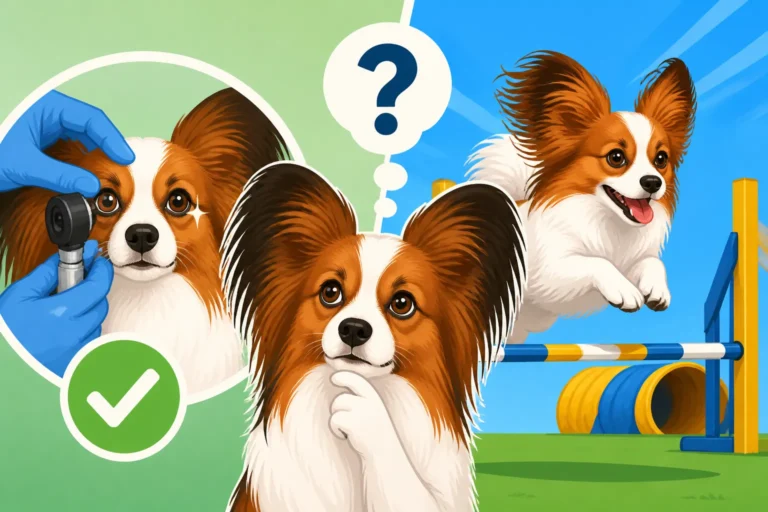
Most annual wellness exams with your general veterinarian will include a basic visual inspection of your Papillon's eyes. They'll check for obvious redness, discharge, cloudiness, or any pain responses. This initial assessment is certainly important for catching general issues like conjunctivitis or minor irritations. However, for a breed like the Papillon, with specific genetic predispositions to certain eye conditions, a more in-depth or specialized examination might be warranted, especially as they get older or if there are any subtle signs of trouble. It’s about catching those invisible changes before they become undeniable problems.
Understanding Papillon-Specific Eye Conditions
While Papillons are generally considered a healthy breed, like any purebred dog, they do have a genetic predisposition to certain conditions. For their eyes, Progressive Retinal Atrophy (PRA) is a significant concern that makes specialized eye examinations particularly important. Beyond genetic conditions, they can also be susceptible to more common ocular issues.
Progressive Retinal Atrophy PRA
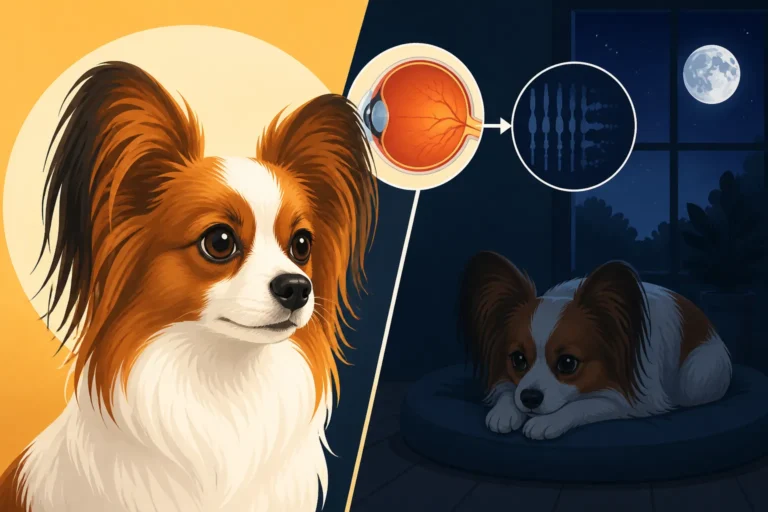
Progressive Retinal Atrophy (PRA) is perhaps the most well-known inherited eye disease in Papillons. It's not a single disease but a group of degenerative diseases affecting the retina, the light-sensitive tissue at the back of the eye. In Papillons, the specific type often referred to as PRA1 is linked to the CNGB1 gene. This condition typically manifests as night blindness first because it affects the rod cells, which are responsible for vision in low light. Over time, the disease progresses to affect cone cells, eventually leading to complete blindness, even in daylight.
It's heartbreaking to imagine your lively little Papillon losing their sight, which is why early detection, though it doesn't offer a cure, allows you to prepare and help your dog adapt. Understanding The Papillon Type of Progressive Retinal Atrophy and the CNGB1 Gene can provide more insight into the genetics behind this condition. The age at which PRA1 appears in Papillons can vary, but it often starts showing signs in young to middle-aged dogs, sometimes as early as 3-6 years old, as discussed in The Age PRA1 Appears in a Papillon. Regular eye exams, especially with a veterinary ophthalmologist who can examine the retina thoroughly, become crucial for monitoring this potential progression.
Other Common Ocular Issues in Papillons
Beyond PRA, Papillons can experience other eye conditions that, while not always breed-specific, are common in dogs of all types.
- Cataracts: These are opacities that form within the lens of the eye, obstructing light and causing blurry vision. While age-related cataracts are common in senior dogs, Papillons can sometimes develop juvenile cataracts. A vet can often spot cataracts during a routine exam, but an ophthalmologist can grade them and discuss potential treatments, like surgery, if they significantly impair vision.
- Dry Eye (Keratoconjunctivitis Sicca – KCS): This occurs when the eyes don't produce enough tears, leading to dryness, irritation, and sometimes a thick, mucoid discharge. If left untreated, it can cause corneal damage and even blindness. Symptoms might include redness, blinking, and rubbing at the eyes. A simple tear test can diagnose KCS.
- Glaucoma: Although less common in Papillons than some other breeds, glaucoma is a serious condition characterized by increased pressure within the eye. It can be incredibly painful and, if not treated quickly, leads to irreversible blindness. Signs can include a dilated pupil, a cloudy eye, redness, and a visible increase in the size of the eyeball.
- Corneal Ulcers: These are open sores on the surface of the eye, often caused by trauma, foreign bodies, or chronic dry eye. They are very painful and require immediate veterinary attention to prevent infection and deeper damage.
- Distichiasis/Ectopic Cilia: These conditions involve abnormally growing eyelashes that irritate the surface of the eye. While not life-threatening, they can cause chronic discomfort, tearing, and corneal ulcers if not addressed.
Recognizing these issues early is key. Many pet parents find great comfort in knowing they have support for these unexpected health challenges. Services like Healthy Paws pet insurance can be a real lifesaver when it comes to covering the costs associated with diagnosing and treating these conditions, giving you one less thing to worry about during a stressful time.
What Happens During a Comprehensive Eye Exam
A "yearly eye exam" can mean different things, depending on who is performing it. A general veterinarian's eye check during a regular wellness visit is one thing, but a comprehensive ophthalmic exam performed by a specialist is another entirely. Understanding the difference and what to expect can help you make informed decisions for your Papillon's eye health.
The Ophthalmic Examination Steps
A thorough ophthalmic exam goes far beyond a quick visual check. It's a systematic evaluation of all parts of the eye and surrounding structures. Here's what it typically involves:
- Initial Visual Assessment and History: The vet ophthalmologist will start by observing your Papillon's overall demeanor, how they navigate the room, and the appearance of their eyes. They’ll also ask you detailed questions about any changes you've noticed, such as bumping into things, unusual discharge, redness, or if your Papillon seems to be losing vision, especially at night.
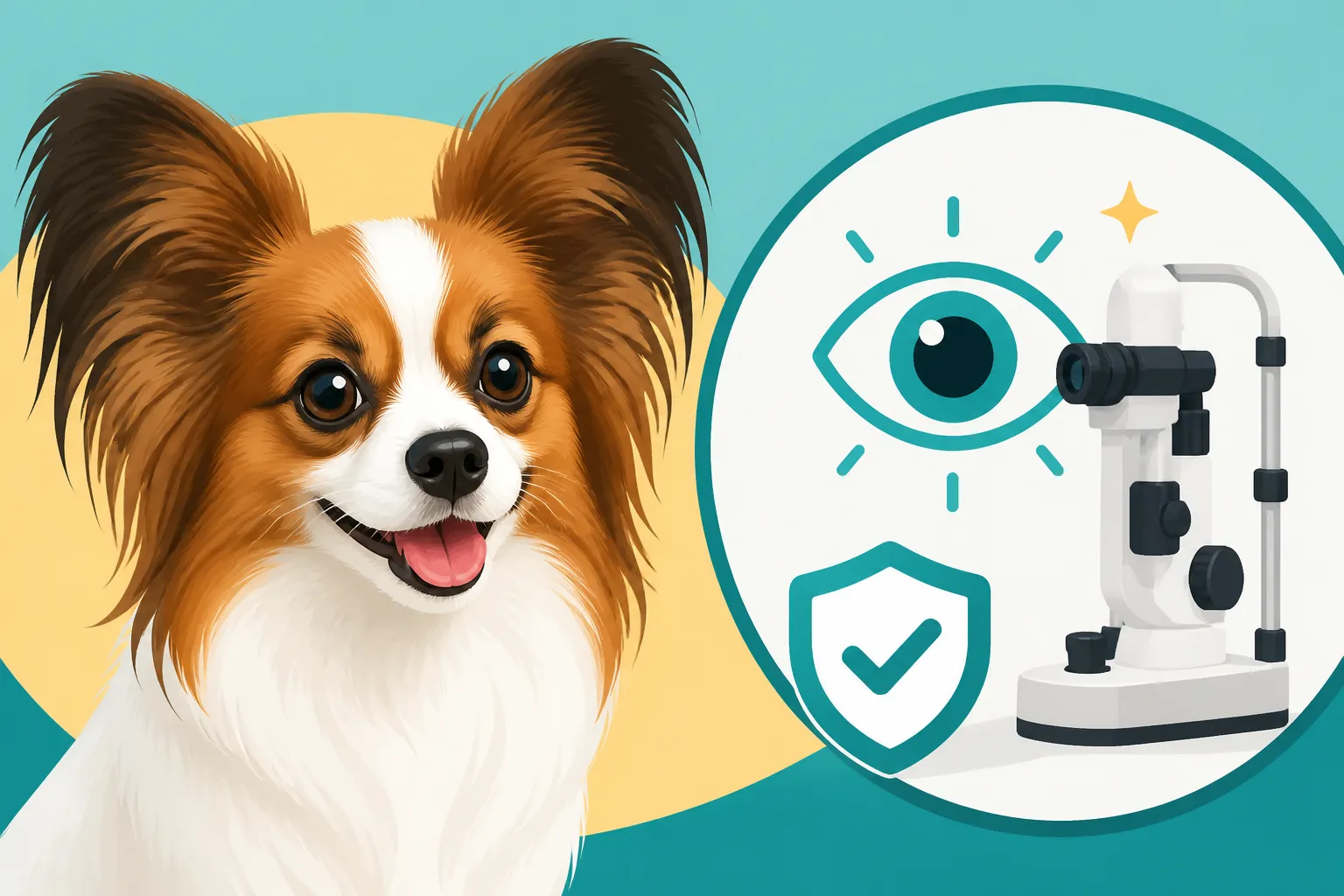
- Slit Lamp Biomicroscopy: This involves using a specialized microscope with a narrow beam of light to examine the eyelids, conjunctiva (the pink tissue surrounding the eye), cornea (the clear front surface), iris (the colored part), and lens. This allows for detailed visualization of subtle abnormalities not visible to the naked eye, such as small cataracts or corneal changes.
- Tonometry: This test measures the intraocular pressure (IOP) within your Papillon's eyes, which is crucial for diagnosing or ruling out glaucoma. There are different types of tonometers, but they all involve gently touching the surface of the eye (usually after applying a numbing drop) to get a reading. High pressure can indicate glaucoma.
- Schirmer Tear Test: This simple test measures tear production and is essential for diagnosing dry eye. A small strip of filter paper is placed inside the lower eyelid for a minute, and the amount of moisture absorbed indicates how many tears are being produced.
- Fundoscopy: This is the examination of the back of the eye, including the retina, optic nerve, and blood vessels. For a thorough fundoscopic exam, the ophthalmologist might dilate your Papillon's pupils with drops to get a clearer view. This is where conditions like Progressive Retinal Atrophy (PRA) are diagnosed and monitored.
- Fluorescein Stain: If a corneal ulcer is suspected, a special orange dye (fluorescein) is applied to the eye. This dye adheres to any damaged areas of the cornea, making them glow green under a blue light, allowing the vet to see ulcers that might otherwise be invisible.
The Role of a Veterinary Ophthalmologist
While your general practice veterinarian can handle many routine eye issues and conduct basic screenings, a board-certified veterinary ophthalmologist has specialized training and equipment to diagnose and treat complex eye diseases. They are the experts you want to see if your Papillon is suspected of having a genetic condition like PRA, or if there's an ongoing, puzzling eye problem.
Think of it this way: your family doctor can check your vision, but if you have a complex retinal issue, you'd see an ophthalmologist. The same goes for your Papillon. A specialist can perform the detailed diagnostic tests necessary to catch subtle signs of disease that a general vet might miss. It's particularly important when considering a breeding Papillon, where genetic testing and specialized eye certifications, like those provided by the Orthopedic Foundation for Animals (OFA) or Canine Eye Registration Foundation (CERF), are crucial. You can learn more about comprehensive health testing for breeding dogs in What a Papillon Breeder Should Have Tested.
Making Informed Decisions About Your Papillon's Eye Care
So, back to the big question: Does your Papillon need a yearly eye exam? The most honest answer is that it often depends on a few factors, but a commitment to regular monitoring is always a good idea.
General Recommendations Versus Individual Needs
For a healthy, young Papillon with no known family history of eye disease, a thorough eye check as part of their annual wellness exam with your general vet might be sufficient for a while. However, this is a good opportunity for your general vet to recommend when a specialist visit might be beneficial. If there's any concern, or if your Papillon comes from lines known for eye issues, an initial baseline ophthalmic exam with a specialist around 1-2 years of age can be a fantastic idea.
As your Papillon ages, especially after they are considered senior, typically around 8-10 years old, the recommendation for yearly eye exams with a specialist becomes much stronger. This is when age-related conditions like cataracts and dry eye become more prevalent. Regular check-ups with an ophthalmologist ensure these conditions are caught early, allowing for timely intervention and better outcomes. You can learn more about Caring for a Papillon Past Eleven to understand the specific needs of an aging Papillon.
Here’s a quick overview of recommendations:
| Papillon Age/Status | General Vet Eye Check (Wellness Exam) | Specialist Ophthalmic Exam |
|---|---|---|
| Puppy (Under 1 yr) | Yearly (standard wellness exam) | Recommended for breeders, or if concerns |
| Adult (1-7 yrs) | Yearly (standard wellness exam) | Consider every 1-2 years, especially if family history of PRA or subtle signs appear. |
| Senior (8+ yrs) | Yearly (standard wellness exam) | Strongly recommended yearly due to increased risk of age-related conditions. |
| Breeding Dog | Yearly | Mandatory yearly certification (e.g., OFA Eye Certification) |
| Any age with symptoms | Immediately | Immediately (referral likely) |
This table illustrates that while a general check is always part of routine care, a specialist exam provides a deeper layer of protection. Don't hesitate to discuss your Papillon's individual risk factors with your vet.
Cost and Insurance Considerations
The reality is, specialized veterinary care, including visits to a veterinary ophthalmologist, can be expensive. A single comprehensive eye exam, including all the diagnostic tests, can range from $150 to $300 or more, depending on your location and the specific procedures performed. This doesn't even account for the cost of potential treatments, medications, or surgeries if an issue is found. For example, cataract surgery can easily run into thousands of dollars per eye. You can get more details on What a Papillon's Eye Exam Costs.
This is where pet insurance can play a significant role in making crucial care accessible. Having a comprehensive pet insurance plan, such as those offered by Healthy Paws, can alleviate the financial burden of unexpected veterinary bills. Imagine discovering your Papillon needs specialized treatment for dry eye or glaucoma; the costs can add up quickly. A good insurance policy, like Healthy Paws, can cover a large percentage of these expenses, allowing you to prioritize your pet's health without worrying as much about the immediate financial hit. It's a proactive step that many Papillon owners find invaluable over their dog's long lifespan, which can be explored further in How Long a Papillon Lives. Don't let the potential cost deter you from seeking the best care; explore options like Healthy Paws to ensure your Papillon's eyes, and overall health, are protected. Many owners factor in the potential for higher vet bills when considering What a Papillon Costs to Buy in 2026.
Ultimately, while a yearly check with your regular vet is a baseline, a dedicated ophthalmic exam on a regular schedule, particularly for senior Papillons or those with known risks, is a wise investment in their long-term health and happiness. Your Papillon deserves to see the world clearly for as long as possible.
Disclaimer
This article is intended for informational purposes only and does not constitute veterinary advice. Always consult with a qualified veterinarian or veterinary ophthalmologist for any health concerns or before making any decisions about your Papillon's medical care.