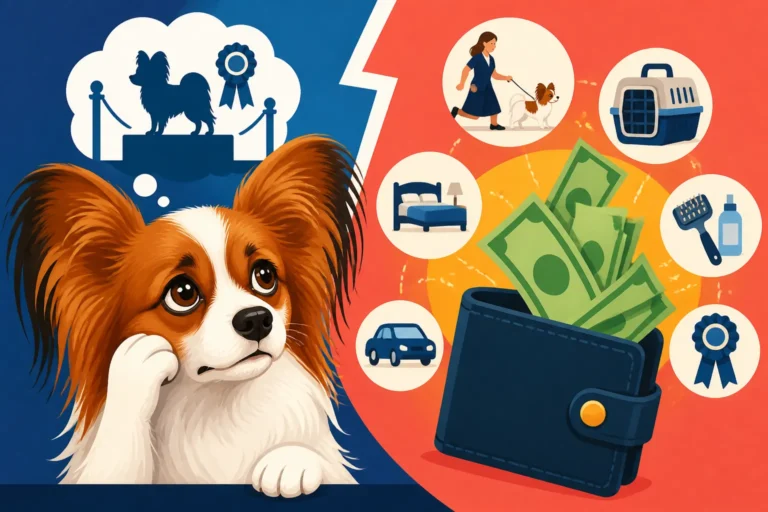
What a Papillon Costs to Buy in 2026
Bringing a Papillon into your life is an absolutely joyful experience, but let's be realistic: the initial excitement of finding your perfect companion often comes with a heap of questions about cost. Many prospective owners feel overwhelmed by the varying prices they see, wondering what's a fair deal and what hidden expenses might crop up right after bringing their new, tiny family member home. This comprehensive guide is here to unravel all those financial mysteries, helping you understand the true upfront investment and what to expect when purchasing a Papillon.
The Initial Purchase Price of a Papillon Puppy
When you start looking for a Papillon, one of the first things you'll notice is the price tag. These aren't usually impulse buys from a pet store window; responsible breeders and reputable rescues have a process, and their costs reflect the care and effort they put into their dogs. Understanding what goes into that initial price is crucial, as it's often a direct indicator of the health and early care your future puppy has received.
Purebred Papillon Puppy Prices
The price for a purebred Papillon puppy can vary quite a bit, depending on a host of factors that we'll dive into shortly. Generally speaking, you'll find a range that reflects the quality of the breeding program, the geographic location, and whether the puppy is considered "pet quality" or "show/breeding quality." It's a significant investment, but one that ideally pays dividends in a healthy, well-socialized companion for years to come. Think of this initial cost not just as buying a puppy, but as buying into a reputable breeder's commitment to the breed's health and temperament, which ultimately saves you heartache and veterinary bills down the line. Many first-time owners are surprised by the numbers, but when you consider the extensive work involved, it starts to make sense.
For comparison, it's helpful to look at general trends. You might see a lower price point from a less reputable source, but those savings often come with hidden costs like untreated health issues or behavioral problems stemming from poor socialization. Conversely, a higher price usually indicates that the breeder has invested heavily in genetic testing, proper nutrition, early socialization, and veterinary care for both the parents and the puppies. It's not about being extravagant; it's about being responsible. For a more detailed breakdown, consider reading about What a Papillon Puppy Costs From a Breeder.
Factors Influencing Puppy Price Beyond the Basics
Beyond the general quality of a breeding program, several specific elements can influence the price of a Papillon puppy. For instance, championship bloodlines – meaning the puppy's parents or grandparents have excelled in dog shows – often command a higher price. These dogs are bred to meet the breed standard in conformation, and that lineage contributes to their value. It's not just about bragging rights; it's about generations of careful breeding to produce dogs with excellent health, temperament, and appearance.
Another factor is the puppy's intended registration type. Most reputable breeders will sell pet-quality puppies on a limited registration with organizations like the American Kennel Club (AKC). This means the dog is purebred and can participate in many AKC events (like agility or obedience), but any offspring cannot be registered. Full registration, which allows for breeding and showing in conformation, is typically reserved for puppies deemed show or breeding quality and comes at a significantly higher price, often with strict contractual agreements. Sex can also play a minor role, with females sometimes fetching a slightly higher price due to their breeding potential, though this is less common with pet-quality puppies on limited registration. Ultimately, the price you pay is a reflection of the breeder's dedication and the specific characteristics and potential of the puppy you're bringing home.
Understanding Breeder Costs and What They Include
When you choose to purchase a Papillon from a reputable breeder, you're not just paying for the puppy itself; you're contributing to a cycle of responsible breeding that benefits the entire breed. It’s easy to look at a price tag and feel a pang of sticker shock, but once you understand what goes into that number, it typically feels like a much more justified expense. This section delves into what those costs cover, emphasizing transparency and the value of a well-bred dog.
What a Responsible Breeder Provides for Their Price
A responsible Papillon breeder invests an incredible amount of time, effort, and money into their dogs before the puppies even arrive. This includes the cost of purchasing their foundation breeding stock – often well-researched, health-tested Papillons from proven lines, sometimes imported or requiring extensive travel. They also cover pre-breeding health screenings for the parents, stud fees if they don't own the sire, and all the expenses associated with pregnancy and whelping, which can sometimes involve costly emergency veterinary care if complications arise. Then, once the puppies are born, there's the round-the-clock care, specialized nutrition for the dam and puppies, and extensive socialization efforts to ensure the puppies are confident, friendly, and well-adjusted before they go to their new homes.
Think about it: a breeder isn't just selling a puppy; they're selling a product of careful planning, genetic selection, and hands-on nurturing. This includes ensuring the puppies are exposed to various sights, sounds, and experiences in a critical developmental window, laying the groundwork for a stable temperament. They also provide initial vaccinations, deworming, and a thorough veterinary check-up for each puppy, complete with documentation. When you see a breeder's price, know that it encapsulates all this invisible labor and financial commitment. Always ask Which Questions to Ask a Papillon Breeder to understand their practices.
Health Testing and Certifications
One of the most significant line items in a responsible breeder's expenses, and consequently reflected in the puppy's price, is comprehensive health testing. Papillons, like many breeds, are prone to certain genetic conditions, such as Progressive Retinal Atrophy (PRA1) and Patellar Luxation. A dedicated breeder will meticulously screen their breeding stock for these and other inherited issues, often through specialized veterinary exams and DNA tests. For instance, they might have their dogs' eyes examined by a board-certified veterinary ophthalmologist for ocular diseases, or their knees evaluated by an orthopedic specialist to check for patellar luxation. These certifications aren't cheap, but they are absolutely invaluable in reducing the likelihood of passing on genetic problems to future generations.
When you purchase a puppy from such a breeder, you're buying peace of mind. You're far less likely to face unexpected, costly veterinary treatments for preventable conditions down the road. A breeder should be transparent about these tests, readily providing verifiable results for the parent dogs. This commitment to health is a cornerstone of ethical breeding, demonstrating their dedication to the welfare of the breed. For more information, you should review What Health Results a Papillon Breeder Should Show. Without this level of testing, you might save a few dollars upfront, but the emotional and financial cost of a sick puppy can quickly outweigh any initial savings.
Show vs. Pet Quality Papillons
The term "quality" in breeding often refers to how closely a dog conforms to the breed standard, not its inherent worth as a companion. A "show quality" Papillon is one that exhibits traits highly desirable for conformation showing, meaning it has the potential to excel in the show ring based on its structure, movement, coat, and temperament. These puppies come from lines specifically bred for these characteristics, and the extensive evaluation and selection process, coupled with the potential for future winnings or breeding value, make them the most expensive. They are typically sold with full registration and a contract outlining breeding expectations.
On the other hand, a "pet quality" Papillon, while still a purebred from the same litter, might have a minor fault that disqualifies it from conformation showing, such as an ear that doesn't quite stand perfectly, or a marking that isn't quite symmetrical. These are often cosmetic issues that have absolutely no impact on the dog's health or its ability to be a wonderful family companion. Most reputable breeders primarily produce pet-quality puppies for companion homes and will sell them on a limited registration. While still a significant investment, these puppies are generally less expensive than their show-quality siblings. The key takeaway is that "pet quality" doesn't mean "less healthy" or "less good"; it simply means their physical attributes are not ideal for the specific demands of the conformation show ring.
The Role of Rescue and Adoption Fees
For many, the idea of getting a Papillon from a rescue organization is incredibly appealing, and for good reason. It’s a chance to provide a loving home to a dog in need, and often, the initial financial outlay can seem less daunting than buying from a breeder. However, it's important to understand the realities of rescue adoption, including what the fees cover and the typical availability of Papillons.
Adoption Fees and What They Cover
Adopting a Papillon from a breed-specific rescue or a general animal shelter typically involves paying an adoption fee. These fees are significantly lower than purchasing a puppy from a reputable breeder, but they are far from "free." These fees are crucial for the rescue organization's operations, covering a multitude of expenses. This usually includes a thorough veterinary examination, spaying or neutering the dog (if not already done), up-to-date vaccinations, deworming, and microchipping. Many rescues also invest in professional dental cleanings for older dogs, which can be a substantial cost.
Beyond medical care, adoption fees help cover the costs of housing, feeding, and rehabilitating dogs, some of whom may arrive with behavioral issues or trauma that require professional training or specialized care. The fees ensure that the rescue can continue its vital work, providing a safety net for other Papillons and dogs in need. When you pay an adoption fee, you're not just getting a dog; you're supporting a compassionate organization and helping to give another animal a second chance. It’s a wonderful feeling to know your contribution directly helps save lives and provides crucial care for these deserving dogs.
The Realities of Finding a Papillon in Rescue
While adopting from a rescue is a noble and often cost-effective path, it's important to have realistic expectations, especially when looking for a specific breed like a Papillon. Papillons are generally a healthy breed with a long lifespan, and they are not as commonly found in general shelters as some more popular breeds. Breed-specific Papillon rescues do exist, but they often have long waiting lists, and the available dogs might be older, have specific health needs, or require particular types of homes (e.g., no young children, quiet environment). It’s not uncommon for these rescues to get more applications than dogs, so patience is key.
The adoption process itself can be quite thorough, often involving applications, interviews, home visits, and reference checks. This is because rescues are dedicated to finding the perfect match for each dog, ensuring its new home is a permanent and suitable one. While the initial fee may be lower, the wait time can be extensive, and you might not find a young puppy. However, if you're open to an adult or senior Papillon, and willing to wait for the right match, rescue can be an incredibly rewarding experience, offering a second chance to a dog who truly needs it. For those curious about the reasons why these dogs end up in shelters, learning Why Papillons Come Into Rescue can be insightful.
Essential First-Year Supplies and Their Costs
Bringing a Papillon home is much more than just the purchase price; it's about setting them up for success in their new environment. There's a whole shopping list of necessities that you'll need right from day one, and budgeting for these initial supplies is just as important as budgeting for the dog itself. Skimping on these can lead to discomfort for your Papillon and added expenses down the line.
Setting Up Your Home: Crate, Bedding, and Bowls
One of the first things you'll need for your Papillon is a cozy and secure space of their own. A crate is highly recommended for potty training, safety, and providing a den-like retreat. For a small breed like a Papillon, a crate designed for small dogs won't break the bank, but you'll want one that's well-ventilated and sturdy. Inside the crate, and perhaps in other areas of your home, comfortable bedding is a must. These little dogs love to burrow and snuggle, so soft blankets or a small, plush dog bed will make them feel safe and warm.
Then there are the essentials for eating and drinking: food and water bowls. Stainless steel is often recommended for its durability and ease of cleaning, preventing bacterial buildup. You might also consider a raised feeder to help with digestion and neck strain, though for a Papillon, a low-profile bowl is usually perfectly fine. Don't forget a few engaging, size-appropriate toys to keep their bright minds stimulated and to redirect any puppy chewing behaviors. These initial setup items are foundational for your Papillon's comfort and training, making their transition into your home smoother for everyone.
Initial Food and Treat Expenses
Your Papillon's diet is paramount to their health and well-being, and the cost of quality food should definitely be factored into your budget. Papillons, being small, don't eat a huge amount, which makes them quite economical to feed compared to larger breeds. However, choosing a high-quality kibble or other diet is crucial. Look for foods with real meat as the first ingredient and avoid fillers. While some owners opt for premium kibble, others might explore fresh food options.
For instance, services like Ollie provide tailor-made fresh food meals delivered right to your door, offering convenience and often appealing to picky eaters. These fresh food diets can be a bit more expensive than traditional kibble, but many owners feel the health benefits are worth the investment. Beyond daily meals, you'll need a variety of treats for training and positive reinforcement. Small, soft training treats are ideal for their tiny mouths and quick rewards. The good news is that because of their size, even premium treats last a while. Regularly checking online retailers like Chewy can help you find good deals and have your preferred brands delivered consistently, ensuring you never run out of your Papillon's favorite meals or rewards. This consistent supply, coupled with smart shopping, helps manage the ongoing costs of feeding your compact companion.
Leashes, Collars, and Harnesses
Outfitting your Papillon for walks and outings is another initial expense that requires careful consideration. A collar is necessary for identification tags and licensing, but for a delicate breed like a Papillon, a harness is often strongly recommended for walks. Their tiny tracheas can be susceptible to damage from collar pressure, especially if they pull on the leash, so a well-fitting harness distributes pressure across their chest and shoulders, preventing injury. You'll want to invest in a lightweight, comfortable harness that doesn't chafe and allows for full range of motion.
Along with the harness, a sturdy yet light leash is essential. A 4-6 foot leash is generally ideal for control while still allowing some freedom to explore. It's also wise to get at least two identification tags: one with your contact information and another with your Papillon's microchip number. While you might be tempted by cute accessories, prioritize functionality and safety when making these purchases. Remember that puppies grow, so you might need to size up on harnesses and collars as your Papillon matures during its first year. Finding a comfortable and secure harness is especially important for preventing injuries like those related to Patellar Luxation Is the Papillon Problem You Will Actually Meet, as sudden jerks on a collar can impact their delicate structure.
Initial Veterinary Care and Health Screening Expenses
The moment you bring your Papillon home, especially if it's a puppy, a significant portion of your initial investment will be directed towards veterinary care. This isn't just about addressing any immediate concerns; it's about establishing a foundation for a long, healthy life. Responsible ownership starts with proactive medical attention.
First Vet Visits and Vaccinations
For a new Papillon puppy, expect several veterinary visits within the first few months. These initial appointments are crucial for comprehensive health checks and to complete their vaccination series. Typically, a puppy will receive a series of shots, including distemper, parvovirus, adenovirus, and parainfluenza, usually given in boosters every few weeks until they're around 16 weeks old. Rabies vaccination is usually given once they are a bit older, often around three to four months. Each visit involves an examination to ensure they are growing well and that there are no signs of common puppy ailments such as worms or external parasites.
These visits are also an excellent opportunity for you to establish a relationship with your veterinarian, ask questions about diet, behavior, and general care, and ensure your Papillon is starting off on the right paw. While breeders provide initial vaccinations and deworming, it's your responsibility to continue this schedule. Always bring any health records from the breeder to your first vet appointment, as this helps your vet create the most appropriate ongoing care plan. These early interventions are key to preventing serious and often expensive illnesses down the road.
Spay/Neuter Costs for Your Papillon
Unless you've purchased a show-quality Papillon with full registration and a specific breeding agreement, spaying or neutering your dog is a standard recommendation and an important part of responsible pet ownership. This procedure not only prevents unwanted litters but also offers significant health and behavioral benefits. For females, spaying eliminates the risk of uterine infections (pyometra) and greatly reduces the risk of mammary tumors. For males, neutering eliminates the risk of testicular cancer and can reduce prostate problems and certain behavioral issues like marking or aggression.
The cost of spay/neuter surgery can vary based on your location and the veterinary clinic. Given that Papillons are small dogs, the procedure might be slightly less complex than for larger breeds, but anesthesia always carries a degree of risk, especially for smaller dogs. Many vets will require Whether a Papillon Needs Bloodwork Before a Dental or other surgical procedures to ensure they are healthy enough for anesthesia. Some municipal shelters or low-cost clinics offer reduced-price spay/neuter programs, which can be a budget-friendly option. This one-time expense is a vital investment in your Papillon's long-term health and your peace of mind.
Microchipping and Parasite Prevention
Microchipping is an incredibly important, one-time expense that offers invaluable peace of mind. A tiny microchip, about the size of a grain of rice, is implanted painlessly under your Papillon's skin, usually between the shoulder blades. This chip carries a unique identification number that can be scanned by any vet clinic or animal shelter, linking back to your contact information. If your Papillon ever gets lost, a microchip dramatically increases the chances of a happy reunion. The initial microchip typically costs a small fee, which often includes registration with a national database.
Beyond microchipping, ongoing parasite prevention is a non-negotiable part of Papillon ownership. This includes monthly medications for heartworm prevention, as well as regular flea and tick control. Heartworm disease is a serious and potentially fatal condition, and prevention is far easier and less costly than treatment. Flea and tick preventatives protect your Papillon from discomfort, skin issues, and diseases carried by these pests. Your veterinarian will help you choose the best products and schedule for your Papillon's specific needs and local parasite prevalence. While these are monthly costs, they are a small price to pay for your dog's continued health and comfort.
Preparing for Ongoing Costs and Lifetime Ownership
The initial purchase and setup costs for a Papillon are just the beginning. Owning a dog, especially one known for its longevity, means committing to ongoing expenses throughout its life. Being prepared for these recurring costs is essential for providing your Papillon with the best possible care and ensuring a stable, happy home for many years.
Budgeting for Future Healthcare Needs
Papillons are generally a healthy breed and can live a surprisingly long time, often into their mid-teens, which means a long commitment to their health. This impressive lifespan, however, necessitates ongoing veterinary care, which includes annual wellness exams, routine vaccinations (as recommended by your vet), and regular dental cleanings. Periodontal disease is very common in small breeds like Papillons, and neglecting their dental health can lead to serious systemic issues. Regular professional cleanings, which require anesthesia, are a significant expense that will recur every few years. You might find our article What a Papillon's Annual Dental Costs helpful for budgeting this specific expense.
Beyond routine care, it's crucial to budget for unexpected medical emergencies or age-related conditions. Even with the best breeding, health issues can arise, such as Patellar Luxation Is the Papillon Problem You Will Actually Meet, which might require surgery. Having an emergency fund or pet insurance can be a lifesaver. Many Papillon owners choose to budget for pet insurance from providers like Healthy Paws, which can help cover a significant portion of unexpected vet bills for accidents and illnesses, giving you peace of mind that you can afford the best care should your little one need it. Planning for these future healthcare needs is not just responsible; it's a testament to your commitment to your Papillon's well-being.
Training and Socialization Investments
Even though the Papillon is the smartest toy breed there is, training and socialization are vital investments that pay dividends in a well-behaved, happy companion. While they are highly intelligent and eager to please, consistent training from a young age is crucial to prevent common small dog behavioral issues like excessive barking or leash reactivity. Puppy classes are an excellent way to start, providing structured learning and crucial socialization opportunities with other puppies and people. These classes have a fee, but the benefits of a well-adjusted puppy are immeasurable.
As your Papillon grows, you might consider advanced obedience classes, agility training, or even rally. Papillons excel in dog sports, loving the mental and physical challenge. These activities, while fun and enriching, come with class fees and sometimes equipment costs if you choose to practice at home. Even if formal classes aren't for you, investing time in daily positive reinforcement training at home is essential. This can include mental stimulation puzzles or interactive toys, which also have a cost. Remember that a well-trained dog is a joy to live with, reducing stress for both you and your pet, and ultimately saving you from potential behavioral consultation fees down the line.
Grooming Supplies and Potential Professional Services
The Papillon's elegant, long, silky coat is one of its most defining features, but many new owners are surprised by how relatively low-maintenance it can be. However, "low-maintenance" doesn't mean "no maintenance." You'll need a basic set of grooming supplies, including a good quality pin brush, a metal comb, and nail clippers or a dremel. Regular brushing, ideally a few times a week, is essential to prevent mats, especially in the longer feathering on their ears, tail, and legs. This daily or weekly routine doesn't usually cost much beyond the initial purchase of tools, but it is an ongoing time commitment.
While many Papillon owners handle grooming at home, some prefer to utilize professional groomers for tasks like nail trims, sanitary trims, or a full bath and brush-out. This is especially true for owners who might feel uncomfortable with nail clipping or who want to ensure their Papillon's coat looks its absolute best. These professional grooming services come with a fee, which varies based on location and the services requested. Although the Papillon's coat does not have an undercoat and generally sheds less than double-coated breeds, careful attention to its fringes, sometimes called the culottes and chest frill, and the plume on its tail is needed. The long ear fringes that give the breed its name, which can be seen in The Ear Fringe That Gives the Papillon Its Name, require particular care to keep them free of tangles and looking their best. Budgeting for both DIY supplies and occasional professional help ensures your Papillon stays comfortable, clean, and looking magnificent.
The Impact of Location and Availability on Price
Just like real estate, the cost of a Papillon can be heavily influenced by where you live and the current demand for the breed in that area. It's not just about the breeder's practices; sometimes external market forces play a significant role in the final price you'll pay. Understanding these dynamics can help you manage your expectations and search strategy.
Regional Price Differences
The price of a Papillon puppy can vary considerably from one region to another, even within the same country. Factors like the cost of living in a particular area, local demand for the breed, and the concentration of reputable breeders can all contribute to these differences. For example, a breeder operating in a major metropolitan area with high overhead costs might price their puppies slightly higher than a breeder in a more rural area where expenses are lower. Similarly, if Papillons are particularly popular in one state or province, demand might drive prices up.
It's not uncommon for prospective owners to travel a significant distance, even across state lines, to find a reputable breeder and a puppy that meets their criteria. While traveling adds to the overall cost (fuel, potential overnight stays, or even shipping fees), it can sometimes be offset by a lower initial purchase price if the right breeder is found in a less expensive region. When researching breeders, it's wise to cast a wide net and compare prices from different geographical areas, keeping in mind that the lowest price isn't always the best value when it comes to the long-term health and temperament of a dog.
Breeder Reputation and Demand
The reputation of a breeder plays a huge role in the demand for their puppies and, consequently, their pricing. Breeders who consistently produce healthy, well-tempered, and typey Papillons, and who are active in showing their dogs or participating in breed clubs, often have long waiting lists. Their puppies are highly sought after due to their proven track record. This high demand allows them to command a higher price, reflecting the value of their careful breeding practices and the peace of mind they offer to buyers.
Conversely, a breeder with a lesser-known reputation or one who doesn't actively participate in breed preservation might have lower prices and more immediate availability. However, this often comes with a higher risk. You might not have the same guarantees regarding health testing, temperament, or even the dog's true lineage. When considering a breeder, look for those who are transparent about their practices, welcome questions, and can provide references from previous puppy buyers. While their prices might be at the higher end of the spectrum, the investment in a puppy from a highly reputable and in-demand breeder is often worthwhile for the assurance of quality and ethical practices. For insights into finding such a breeder, check out our guide on Finding a Papillon Breeder Who Tests Eyes and Knees.
Avoiding Puppy Mills and Unscrupulous Sellers
While the allure of a lower price tag can be strong, it’s absolutely vital to understand the severe risks associated with purchasing a Papillon from a puppy mill, a pet store, or an irresponsible backyard breeder. These sources often represent "cheap" upfront costs that lead to devastating financial and emotional expenses down the line. Protecting yourself and the breed starts with informed choices.
Spotting Red Flags in Papillon Sales
Identifying an unscrupulous seller is often about recognizing red flags that scream "trouble." The most common and obvious red flag is a price that seems too good to be true. If a Papillon puppy is offered significantly below the typical breed standard, it's a major warning sign. Other indicators include a seller who won't allow you to visit their premises to see the dam (mother dog) with her puppies in their living environment. Responsible breeders are proud of their facilities and the care they provide. Avoid sellers who push for a quick sale, refuse to provide health documentation for the parents, or are vague about their breeding practices. They may also not ask you any questions about your living situation or experience with dogs, which is a sign they care more about making a sale than placing a puppy in a suitable home.
Additionally, be wary of sellers who offer multiple breeds of puppies, especially if they claim to have "rare" colors or sizes (like "teacup" Papillons) that are not recognized by the breed standard and often come with associated health issues. These are often hallmarks of commercial breeding operations or puppy mills, where profit takes precedence over the welfare of the animals. Always prioritize transparency, health guarantees, and a breeder's genuine interest in their puppies' future homes over a lower price.
The True Cost of a "Bargain" Puppy
That "bargain" Papillon puppy you found online or at a local flea market almost always comes with a hidden and often heartbreaking price. Puppies from puppy mills or irresponsible breeders are typically raised in unsanitary conditions, receive minimal to no veterinary care, and lack crucial early socialization. This neglect leads to a high incidence of severe health problems, including genetic diseases that were not screened for (like untreated Patellar Luxation Is the Papillon Problem You Will Actually Meet or advanced The Papillon Type of Progressive Retinal Atrophy and the CNGB1 Gene), parasitic infections, and highly contagious viruses like parvo, which can be fatal. The cost of treating these serious conditions can quickly escalate into thousands of dollars, often far exceeding any initial "savings."
Beyond the medical bills, these puppies often suffer from significant behavioral issues due to their poor start in life. Fear, anxiety, aggression, and house-training difficulties are common, requiring expensive behavioral modification training or even ongoing medication. The emotional toll of caring for a sick or traumatized dog can be immense, leading to stress, sleepless nights, and profound sadness. What initially seemed like a financially savvy choice can quickly turn into a financial nightmare and a source of deep regret. Investing in a healthy, well-bred Papillon from a reputable source, while more expensive upfront, is truly the more economical and humane choice in the long run.
Comparative Overview of Papillon Acquisition Costs
To help consolidate the information we've discussed, here's a table comparing the typical initial costs associated with acquiring a Papillon from different sources. Remember, these are general ranges and can vary based on location, specific circumstances, and the individual dog's needs. This table focuses on the acquisition cost, not the first-year or lifetime costs, which are separate and significant considerations.
| Acquisition Source | Typical Initial Cost Range | What the Cost Generally Includes | Primary Benefits | Potential Drawbacks |
|---|---|---|---|---|
| Reputable Breeder | Higher | Well-researched lineage, health-tested parents, initial vet checks, first vaccinations, deworming, early socialization, health guarantee. | Predictable health/temperament, extensive support from breeder, often younger puppy, access to lineage info. | Highest upfront cost, potentially long waiting lists, may need to travel. |
| Breed-Specific Rescue | Moderate | Spay/neuter, vaccinations, microchip, vet exam, sometimes dental care/rehabilitation. | Giving a dog a second chance, lower cost than breeder, often adult dogs with known personalities. | Longer wait times, dogs may have unknown history or specific needs, fewer puppies available. |
| General Animal Shelter | Lowest | Spay/neuter, initial vaccinations, microchip. | Most affordable, immediate availability, saving a life. | Unlikely to find a purebred Papillon, unknown history/health, limited information on temperament. |
| Irresponsible Breeder/Pet Store | Low-Moderate | Varies, often minimal. | Appears affordable, immediate availability. | High risk of health/behavioral issues, no health guarantees, supporting unethical practices, high long-term vet bills. |
Disclaimer
This article is for general informational purposes only and does not constitute professional advice. Laws, prices and regulations vary by location and change over time. Consult a qualified professional for guidance on your specific situation.